ResQRinse is the nasal irrigation squeeze bottle that eliminates head-tilting and awkward neck positions. Using proprietary Nasal Lock™ technology, it delivers a comfortable, gag-free sinus cleanse — no more saline dripping down your throat.

Relief From Fall Sneezes
Now sold on Walmart.com. Free shipping on orders $30+. Try ResQRinse today with your everyday purchases.
Shop at WalmartWhy ResQRinse?
Nasal rinsing helps relieve congestion from colds, allergies, sinusitis, hay fever, and environmental pollutants. ResQRinse makes it comfortable enough to become a daily habit.
Nasal Lock™ Technology
Isolates sinuses from the throat using natural choanal occlusion — like inflating a balloon — so saline stays where it belongs.
Learn more →
Drug-Free Relief
Uses premixed saline packets with distilled water. No medications, no preservatives — just a natural cleanse for your nasal passages.
How to rinse →
For Kids Too
ResQRinse for Kids features a comfort nasal tip right-sized for smaller nostril openings, making rinsing gentle and easy for children.
Shop kids' version →
Breath-Controlled Flow
You control the saline flow with your own breath pressure — high volume, low pressure irrigation that's comfortable and effective.
Watch how-to videos →
Better Compliance
Designed to overcome the gagging and discomfort that cause people to abandon traditional neti pots and nasal rinse systems.
Our story →
Complete Kits Available
From the basic ResQRinse Nasal Rinse System ($19.99) to 90-day complete kits, saline packets, cleaning brushes, and Sinoptim Nasal Mist.
Browse all products →Get Started with ResQRinse
Ready to experience a better nasal rinse? Fill out the form below and we'll help you find the right product — or follow the simple steps to begin rinsing today.
Request More Information
How to Use ResQRinse
Fill the Bottle
Fill the ResQRinse squeeze bottle with distilled or previously boiled water and add one premixed saline packet.
Position the Tip
Place the comfort tip gently against one nostril. No head-tilting or awkward neck angles needed.
Squeeze & Breathe
Squeeze the bottle gently while breathing through your mouth. Nasal Lock™ keeps saline in your nasal passages and out of your throat.
Repeat & Clean
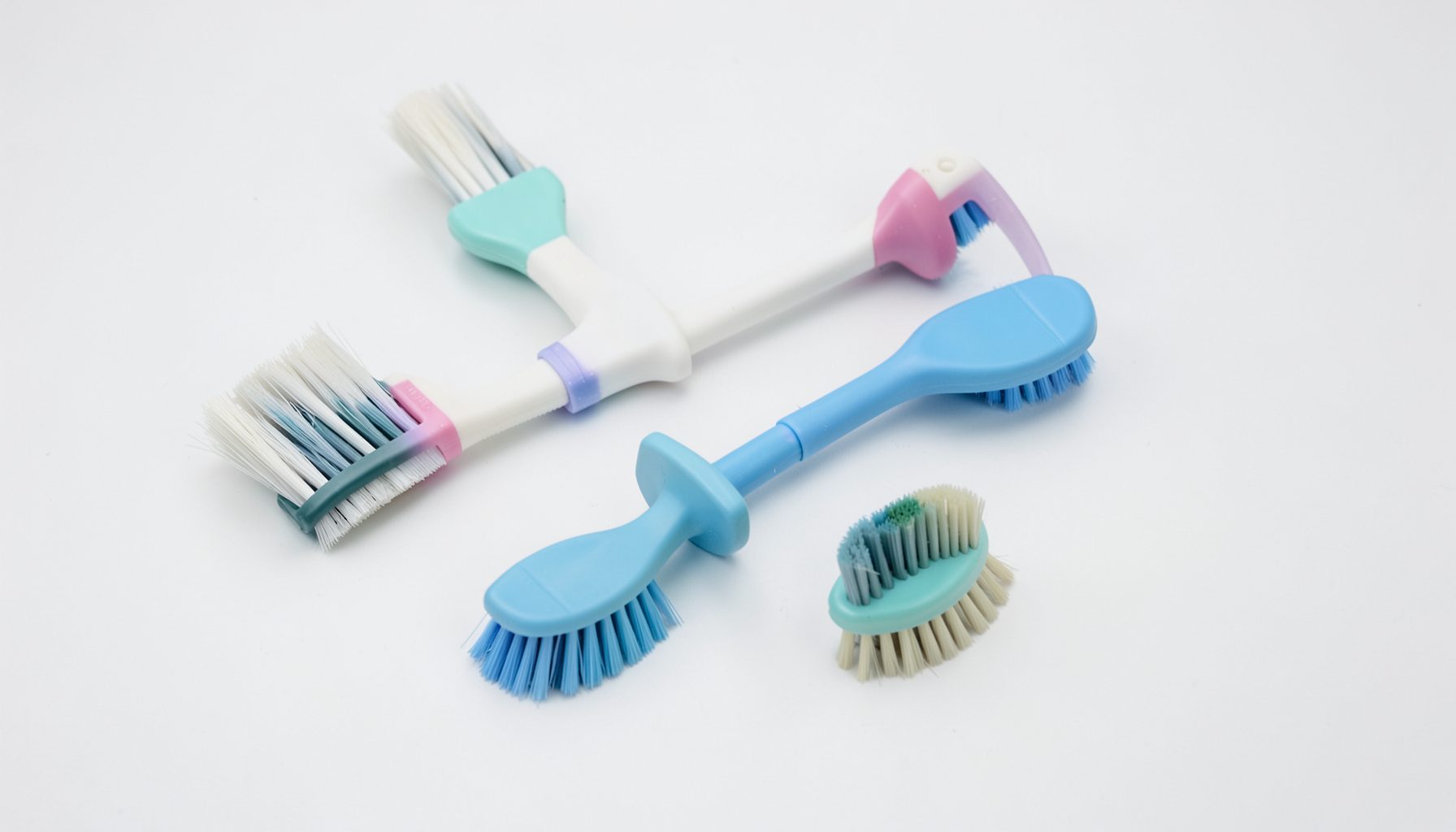
Switch nostrils and repeat. After use, rinse the bottle and let it air dry. Use ResQRinse Premium Cleaning Brushes for thorough cleaning.
The Science Behind Nasal Lock Technology in Squeeze Bottles
Nasal irrigation works by moving a saline solution through one nostril and allowing it to flow out through the other. This gentle rinse can help loosen mucus, wash away airborne particles, and moisturize irritated nasal passages. A squeeze bottle gives the user control over the speed and volume of that flow, while the nosepiece determines how efficiently the liquid enters the nasal cavity.
Nasal Lock technology focuses on the connection between the bottle, the nozzle, and the nostril. Its purpose is to create a more stable contact point so the saline stream is directed into the nasal passage instead of escaping around the outside of the nose. That simple mechanical relationship can make a meaningful difference in comfort, control, and ease of use.
The design is part of a larger nasal care system. To understand its value, it helps to look at the fluid dynamics, nasal anatomy, saline concentration, and user technique that work together during a rinse.
How Nasal Irrigation Moves Fluid
A squeeze bottle converts hand pressure into hydraulic pressure. When the bottle is compressed, its internal volume decreases and the saline solution is pushed toward the nozzle. The opening, length, and shape of the nozzle influence how quickly the liquid exits. A narrower opening generally increases resistance and can produce a more focused stream, while a wider opening may allow greater volume to pass with less pressure.
The pressure used for nasal rinsing should remain gentle. The goal is to move saline across the nasal passages, not force it deeply into surrounding structures. A controlled stream can travel around swollen tissue and carry loosened mucus toward the opposite nostril. If the bottle is squeezed too forcefully, the experience may become uncomfortable, particularly when congestion limits the normal path of the fluid.
Nasal Lock technology supports this process by helping keep the nozzle positioned at the nostril. A steadier seal reduces side leakage and makes the flow more predictable. The user can then apply modest, consistent pressure rather than repeatedly adjusting the bottle to compensate for slipping or dripping.
What The Nasal Lock Does
The term “lock” describes the way the nosepiece is intended to sit securely against or within the nostril opening during use. It does not mean that the nasal passage is sealed shut. Instead, the design helps establish a temporary interface between the nozzle and the nose, directing the solution inward while limiting fluid escaping around the contact area.
This interface matters because nasal irrigation depends on direction. If the nozzle moves or sits at an awkward angle, the saline may run down the face, enter too quickly, or fail to follow the intended pathway. A stable nosepiece gives the user better control over angle and pressure, which can make the rinse feel smoother and less messy.
The lock also helps reduce the amount of hand coordination required. With a traditional neti pot, the user must carefully coordinate the pot’s tilt, the position of the spout, and the rate at which the solution pours. A squeeze bottle combines the reservoir and delivery mechanism, while the nosepiece provides a more defined point of contact.
The Role Of Seal, Angle, And Pressure
A comfortable rinse depends on balance. The nosepiece needs enough contact to guide the saline, but excessive pressure against the nostril can feel unpleasant. The best position is usually one that creates a light seal without forcing the nozzle deeply into the nasal opening.
Head position is equally important. Leaning over a sink and slightly turning the head allows gravity to assist the movement of saline from one side to the other. Keeping the mouth open and breathing through it can reduce the urge to swallow and help the user remain relaxed. The bottle should be squeezed slowly, giving the solution time to travel through the nasal passages.
These factors explain why a well-designed nosepiece cannot compensate for excessive force or poor positioning. Nasal Lock technology improves the mechanical connection, but effective irrigation still depends on gentle pressure and an appropriate posture. The technology is best understood as a control aid rather than a substitute for correct technique.
How Saline Supports The Rinse
Water alone can irritate nasal tissue because it does not match the salt concentration of the body’s fluids. Saline packets are formulated to create a solution that is closer to the natural salt balance of the nasal lining. An isotonic solution is commonly used for routine comfort, while some hypertonic formulas may help draw water away from swollen tissue but can feel stronger.
Saline also changes the physical behavior of the rinse. Dissolved salts affect the solution’s concentration and osmotic properties, while the packet’s formulation helps maintain a consistent mixture from one use to the next. Correct proportions matter: using too little or too much powder can alter comfort and effectiveness.
Only safe water should be used in a nasal irrigation device. Distilled or sterile water is an appropriate choice, and tap water should be treated according to current public health guidance, such as boiling and cooling when required. The bottle and nozzle should also be cleaned and dried as directed to reduce the chance of microbial growth.
| Feature | Squeeze-Bottle Rinse | Traditional Neti Pot |
|---|---|---|
| Flow control | Hand pressure adjusts the flow rate | Tilting controls the pour |
| Nose connection | Designed nosepiece can help stabilize contact | Spout rests near the nostril |
| Portability | Compact and self-contained | Often larger and more rigid |
| User coordination | Squeeze, position, and breathe | Tilt, position, and maintain angle |
| Cleaning needs | Bottle, cap, nozzle, and accessories | Pot and spout |
| Best suited for | Users wanting controlled, directed delivery | Users comfortable with gravity-fed rinsing |
Why The Design Can Feel More Comfortable
Comfort is influenced by several small details rather than a single feature. A stable nozzle can reduce unexpected drips, while a controlled squeeze can prevent sudden surges. When the saline enters at a moderate rate, the nasal lining has more time to accommodate the fluid and move it through the open passages.
A secure contact point may also reduce the need to press the bottle against the face. That can be especially helpful for people who are new to nasal irrigation, children using an age-appropriate system with adult supervision, or anyone whose nose is tender during allergy season or a cold.
The design does not remove every possible source of discomfort. Severe blockage, an incorrect saline mixture, cold solution, or overly forceful squeezing can still make a rinse unpleasant. Nasal irrigation should be paused if it causes significant pain, ear pressure, bleeding, or symptoms that continue to worsen.
Choosing A System For Daily Nasal Care
Different users may need different bottle sizes, nozzle shapes, and saline formulas. Adults often choose a full-size squeeze bottle for routine congestion relief, while children require a properly sized product and careful supervision. Nasal mist can be useful when a light moisturizing spray is preferred over a larger-volume rinse.
People comparing options can review the available rinse systems alongside saline packets, cleaning tools, and complete kits. Looking at the full system is useful because the bottle, nosepiece, solution, and cleaning routine all contribute to the user experience.
A product should feel easy to grip and simple to clean. The nozzle should fit comfortably without being forced, and the instructions should clearly explain preparation, use, and storage. A system that is convenient to set up is more likely to be used consistently when seasonal allergies or congestion appear.
Practical Habits For A Better Rinse
- Use distilled, sterile, or appropriately treated water, and mix saline according to the packet instructions.
- Wash your hands before preparing the solution and clean the bottle and nozzle after each use.
- Lean over a sink, keep your mouth open, and use slow, moderate pressure rather than a forceful squeeze.
- Stop if you experience sharp pain, persistent ear pressure, repeated nosebleeds, or worsening symptoms.
- Replace worn parts and avoid sharing a nasal irrigation device unless it is specifically designed and prepared for shared use.
The science behind Nasal Lock technology is grounded in simple principles: a stable interface, controlled pressure, directed flow, and a properly balanced saline solution. Together, these features can make nasal irrigation more predictable and comfortable than a loose or poorly positioned delivery method.
Explore the ResQRinse system to learn how its squeeze bottles, saline products, cleaning accessories, and nasal care options fit into a practical routine for congestion and nasal comfort.