ResQRinse is the nasal irrigation squeeze bottle that eliminates head-tilting and awkward neck positions. Using proprietary Nasal Lock™ technology, it delivers a comfortable, gag-free sinus cleanse — no more saline dripping down your throat.

Relief From Fall Sneezes
Now sold on Walmart.com. Free shipping on orders $30+. Try ResQRinse today with your everyday purchases.
Shop at WalmartWhy ResQRinse?
Nasal rinsing helps relieve congestion from colds, allergies, sinusitis, hay fever, and environmental pollutants. ResQRinse makes it comfortable enough to become a daily habit.
Nasal Lock™ Technology
Isolates sinuses from the throat using natural choanal occlusion — like inflating a balloon — so saline stays where it belongs.
Learn more →
Drug-Free Relief
Uses premixed saline packets with distilled water. No medications, no preservatives — just a natural cleanse for your nasal passages.
How to rinse →
For Kids Too
ResQRinse for Kids features a comfort nasal tip right-sized for smaller nostril openings, making rinsing gentle and easy for children.
Shop kids' version →
Breath-Controlled Flow
You control the saline flow with your own breath pressure — high volume, low pressure irrigation that's comfortable and effective.
Watch how-to videos →
Better Compliance
Designed to overcome the gagging and discomfort that cause people to abandon traditional neti pots and nasal rinse systems.
Our story →
Complete Kits Available
From the basic ResQRinse Nasal Rinse System ($19.99) to 90-day complete kits, saline packets, cleaning brushes, and Sinoptim Nasal Mist.
Browse all products →Get Started with ResQRinse
Ready to experience a better nasal rinse? Fill out the form below and we'll help you find the right product — or follow the simple steps to begin rinsing today.
Request More Information
How to Use ResQRinse
Fill the Bottle
Fill the ResQRinse squeeze bottle with distilled or previously boiled water and add one premixed saline packet.
Position the Tip
Place the comfort tip gently against one nostril. No head-tilting or awkward neck angles needed.
Squeeze & Breathe
Squeeze the bottle gently while breathing through your mouth. Nasal Lock™ keeps saline in your nasal passages and out of your throat.
Repeat & Clean
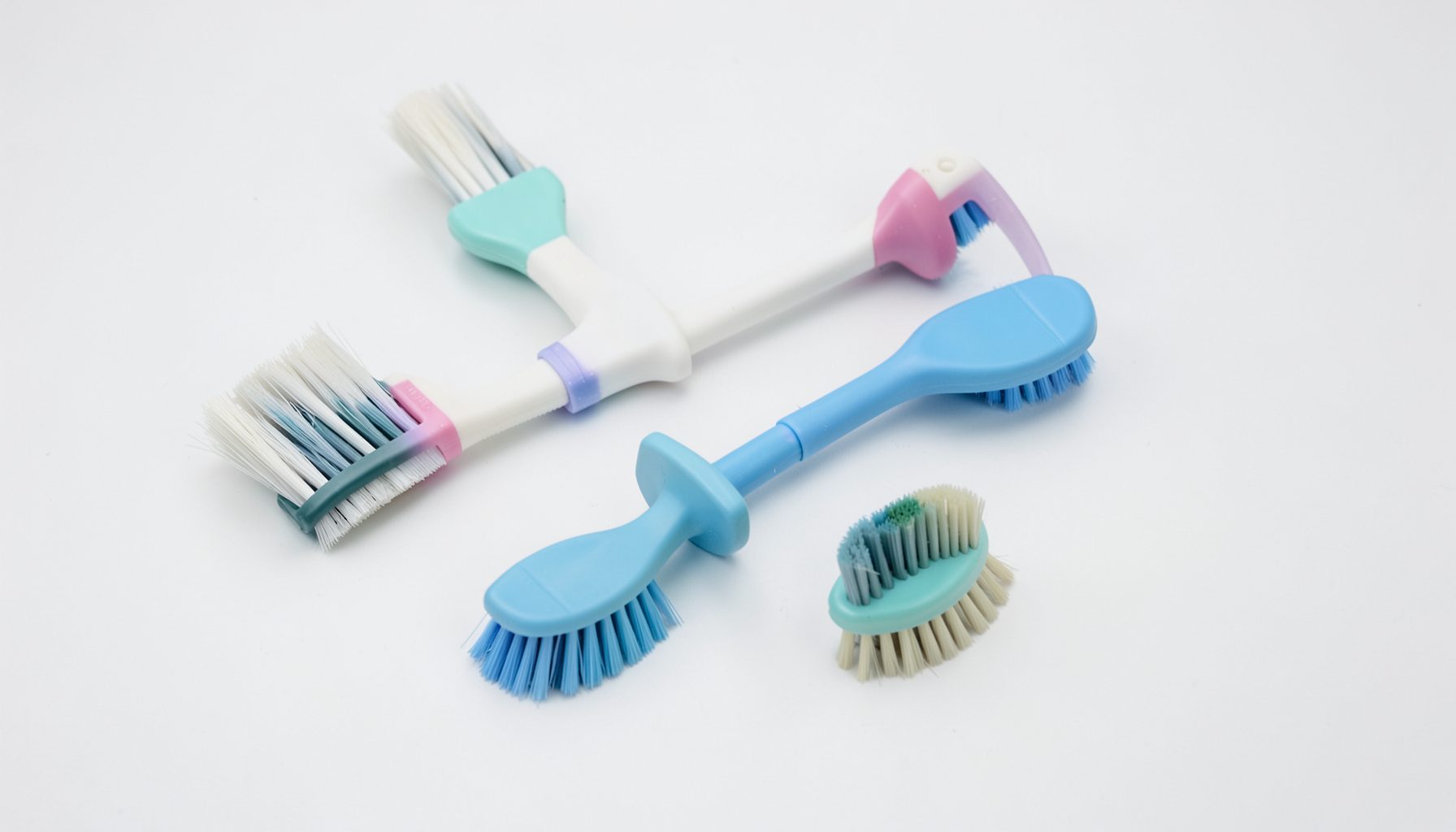
Switch nostrils and repeat. After use, rinse the bottle and let it air dry. Use ResQRinse Premium Cleaning Brushes for thorough cleaning.
Nasal rinse for morning allergy flare-ups
Waking with a blocked nose, sneezing, or a scratchy throat can make the first hour of the day uncomfortable. Overnight, pollen, dust, pet dander, and other airborne irritants may collect around the nasal passages. Seasonal allergies can also trigger extra mucus and swelling, making it harder to breathe freely after getting out of bed.
A gentle saline rinse can wash away mucus and surface allergens before they continue irritating sensitive nasal tissue. Used correctly, nasal irrigation may help relieve congestion and support clearer breathing without adding medication to your morning routine. It works best as part of a consistent allergy-management plan rather than as a replacement for prescribed treatment.
Why allergy symptoms often peak after waking
Bedroom exposure is a common reason symptoms feel intense in the morning. Dust mites can live in bedding and mattresses, while pet allergens may remain on pillows, blankets, and clothing. If a window is open, outdoor pollen can also settle on nearby surfaces or enter with overnight airflow.
Nasal tissues may become more congested while you are lying down. Mucus does not drain as easily in a horizontal position, and the body’s inflammatory response can make the nasal lining swell. When you stand up, you may notice a sudden burst of sneezing, dripping, or obstruction.
A morning nasal wash helps remove irritants that are sitting in the nasal passages. It may be especially useful after changing bedding, sleeping with a pet nearby, or spending time outdoors during a high-pollen period.
How saline irrigation supports clearer breathing
Saline solution loosens thick mucus and helps rinse away particles from the nasal passages. Unlike plain water, a properly prepared isotonic saline solution is designed to be more comfortable for nasal tissue. Some products also offer buffered packets to help reduce stinging during use.
The goal is gentle cleansing, not forceful pressure. A squeeze-bottle system can provide a controlled stream that travels through one nostril and exits through the other, carrying mucus and debris with it. ResQRinse explains additional safety steps in its cold-season rinsing guide, which are also useful when congestion accompanies seasonal allergies.
Use only distilled or sterile water, or tap water that has been boiled and allowed to cool according to public-health guidance. Do not improvise with untreated water, since it can carry organisms that are unsafe for the nasal passages. Prepare the saline exactly as directed on the packet or product instructions.
Selecting a system for your morning routine
Different nasal irrigation tools suit different preferences. A squeeze bottle is often convenient for congestion because the user can control the flow and pause when needed. A neti pot relies more on head position and gravity, while a nasal mist provides light moisture but may not offer the same washing action as a full rinse.
Comfort, fit, cleaning, and ease of use matter as much as the amount of saline delivered. A nasal tip should sit securely without being pushed deeply into the nostril. Features such as ResQRinse Nasal Lock technology are designed to help create a comfortable seal and guide the rinse through the nasal passages with less leakage.
| Option | Best suited for | Main advantages | Points to consider |
|---|---|---|---|
| Squeeze-bottle rinse | Morning congestion and mucus | Adjustable flow, portable, thorough washing | Requires careful cleaning and correct water |
| Neti pot | Users who prefer gravity-fed rinsing | Simple design and gentle flow | Head positioning may take practice |
| Nasal mist | Dryness and light irritation | Quick, convenient, easy to use | Usually does not flush out as much mucus |
| Children’s rinse system | Supervised use by children | Smaller design and age-appropriate handling | Adult supervision and product guidance are essential |
A complete kit may be useful when you want the bottle, saline packets, and cleaning accessories together. Extra packets can make a daily routine easier, while a cleaning brush helps reach internal areas that are difficult to rinse by hand.
Use a nasal rinse comfortably and safely
Begin over a sink and lean slightly forward. Tilt your head as directed by the product instructions rather than tipping it far backward. Breathe through your mouth, keep the bottle opening gently against the nostril, and use light, steady pressure. The solution should flow through the nasal passages and drain from the opposite nostril or mouth.
If the rinse causes sharp pain, persistent ear pressure, or significant burning, stop and reassess your technique and solution concentration. Mild fullness can occur when congestion is severe, but repeated discomfort should not be ignored. A completely blocked nasal passage may need to open before irrigation is comfortable.
After use, blow your nose gently instead of forcefully. Wash the bottle and removable parts with appropriate soap and water, then allow them to air-dry fully. Follow the manufacturer’s cleaning directions, and replace components when they become worn, cracked, or difficult to clean.
Build a morning allergy routine
A rinse is most effective when it fits naturally into other steps that reduce allergen exposure. Many people find it convenient to irrigate after brushing their teeth and before using a nasal allergy spray, if their clinician has recommended one. Clearing mucus first may help a spray contact the nasal lining more evenly, although medication directions should always take priority.
Keep the system in a clean, accessible location so it is easy to use consistently. A children’s version may help families establish a supervised routine, while a compact bottle can work well for travel. Those who experience symptoms mainly after outdoor exposure may prefer rinsing after returning home as well as in the morning.
- Check daily pollen and air-quality reports during allergy season.
- Keep bedroom windows closed when outdoor pollen levels are high.
- Wash bedding regularly in hot water when the fabric allows.
- Shower or change clothes after heavy outdoor exposure.
- Store the rinse bottle dry and clean between uses.
Consistency matters more than using excessive pressure or solution. Some people may benefit from daily irrigation during peak allergy periods, while others may use it only on high-symptom mornings. Follow the product directions and adjust frequency if your nose becomes irritated.
Know when congestion needs medical attention
Allergy symptoms commonly include clear drainage, repeated sneezing, itching, and congestion that varies with exposure. Symptoms that persist for weeks, interfere with sleep, or return frequently may deserve evaluation by a healthcare professional. A clinician can help distinguish seasonal allergies from chronic sinus inflammation, infection, structural blockage, or medication-related congestion.
Seek prompt medical advice for severe facial pain, high fever, swelling around the eyes, vision changes, confusion, or symptoms that worsen rapidly. Contact a clinician before nasal irrigation if you have recently had nasal or sinus surgery, frequent nosebleeds, significant immune problems, or a condition that affects your ability to follow the technique safely.
Nasal rinsing should feel mild and controlled. It should not replace treatment for asthma, severe allergic reactions, bacterial infection, or another diagnosed condition. If a healthcare professional has prescribed an antihistamine, steroid spray, or other therapy, use it according to the instructions provided.
Make clearer mornings easier to manage
A well-prepared saline rinse can remove overnight mucus and allergens, helping make morning breathing more comfortable during allergy season. Choosing a system that feels secure, using safe water, maintaining the device, and pairing irrigation with bedroom allergen control creates a practical approach to nasal care.
Explore the ResQRinse nasal rinse options to find a squeeze-bottle system, children’s product, saline packets, nasal mist, or cleaning accessory that fits your routine, then make the first step of your morning a gentle, properly prepared rinse.