ResQRinse is the nasal irrigation squeeze bottle that eliminates head-tilting and awkward neck positions. Using proprietary Nasal Lock™ technology, it delivers a comfortable, gag-free sinus cleanse — no more saline dripping down your throat.

Relief From Fall Sneezes
Now sold on Walmart.com. Free shipping on orders $30+. Try ResQRinse today with your everyday purchases.
Shop at WalmartWhy ResQRinse?
Nasal rinsing helps relieve congestion from colds, allergies, sinusitis, hay fever, and environmental pollutants. ResQRinse makes it comfortable enough to become a daily habit.
Nasal Lock™ Technology
Isolates sinuses from the throat using natural choanal occlusion — like inflating a balloon — so saline stays where it belongs.
Learn more →
Drug-Free Relief
Uses premixed saline packets with distilled water. No medications, no preservatives — just a natural cleanse for your nasal passages.
How to rinse →
For Kids Too
ResQRinse for Kids features a comfort nasal tip right-sized for smaller nostril openings, making rinsing gentle and easy for children.
Shop kids' version →
Breath-Controlled Flow
You control the saline flow with your own breath pressure — high volume, low pressure irrigation that's comfortable and effective.
Watch how-to videos →
Better Compliance
Designed to overcome the gagging and discomfort that cause people to abandon traditional neti pots and nasal rinse systems.
Our story →
Complete Kits Available
From the basic ResQRinse Nasal Rinse System ($19.99) to 90-day complete kits, saline packets, cleaning brushes, and Sinoptim Nasal Mist.
Browse all products →Get Started with ResQRinse
Ready to experience a better nasal rinse? Fill out the form below and we'll help you find the right product — or follow the simple steps to begin rinsing today.
Request More Information
How to Use ResQRinse
Fill the Bottle
Fill the ResQRinse squeeze bottle with distilled or previously boiled water and add one premixed saline packet.
Position the Tip
Place the comfort tip gently against one nostril. No head-tilting or awkward neck angles needed.
Squeeze & Breathe
Squeeze the bottle gently while breathing through your mouth. Nasal Lock™ keeps saline in your nasal passages and out of your throat.
Repeat & Clean
Switch nostrils and repeat. After use, rinse the bottle and let it air dry. Use ResQRinse Premium Cleaning Brushes for thorough cleaning.
Sinus Rinse for Sinus Pressure Behind the Eyes
Pressure behind the eyes can make congestion feel deeper than a blocked nose. Swelling in the sinus passages, thick mucus, allergies, a viral cold, or sinus inflammation may create a heavy, full sensation around the cheeks, forehead, and eye area. A properly used saline rinse can help wash away irritants and loosen mucus without adding medication.
A sinus rinse for sinus pressure behind the eyes works by moving a gentle saline solution through the nasal passages. This can improve mucus clearance and support more comfortable breathing, although it does not treat every cause of facial pain. Severe, unusual, or persistent symptoms should be assessed by a healthcare professional.
ResQRinse offers squeeze-bottle systems, children’s options, saline packets, nasal mist, and cleaning accessories for different household needs. Its nasal rinse systems are designed for controlled flow and comfortable use, making them a practical option when a traditional neti pot feels difficult to manage.
Why Sinus Pressure Can Feel Like Eye Pain
The sinuses are air-filled spaces located around the nose, forehead, cheeks, and eyes. When their lining becomes swollen, normal drainage can slow down. Mucus may become trapped, creating pressure that feels like aching, fullness, or tenderness behind or around the eyes.
Allergies can cause repeated nasal swelling, while colds often produce temporary congestion and thick secretions. Changes in air pressure, dry indoor air, smoke, dust, and other irritants may intensify the sensation. Bending forward can sometimes make sinus pressure feel stronger because congestion and fluid movement become more noticeable.
Not every ache near the eyes comes from the sinuses. Migraine, eye strain, dental problems, and other conditions can cause similar symptoms. A saline wash may be useful when congestion is part of the problem, but it should not be used as a way to self-diagnose unexplained eye or facial pain.
How Saline Irrigation Supports Relief
Saline irrigation helps rinse mucus, pollen, dust, and other particles from the nasal passages. It also moistens tissues that may feel dry or irritated. By supporting nasal drainage, a rinse can reduce the stuffy feeling that contributes to facial pressure.
Use only distilled, sterile, or previously boiled and cooled water. Ordinary tap water may contain microorganisms that are safe to swallow but unsafe inside the nose. Follow the saline packet directions carefully, since an incorrectly mixed solution may sting or leave the nose feeling more irritated.
The bottle should be used gently rather than squeezed aggressively. ResQRinse explains how its Nasal Lock technology is designed to help create a controlled rinse experience. Keeping the mouth open and breathing through it during irrigation can also reduce pressure and make the process feel more natural.
Comparing Nasal Rinse Options
Different irrigation systems can provide similar saline-cleaning benefits, but their design and handling experience vary. A squeeze bottle gives the user control over flow and pressure, while a neti pot relies more on gravity and positioning. A nasal mist provides light moisture but generally does not flush as much mucus from the passages.
Choose an option that fits how often you expect to rinse, who will use it, and how easy it is to clean. Children should use an age-appropriate product with adult supervision and guidance from a pediatrician when symptoms are significant.
| Option | Best suited for | Main advantage | Important consideration |
|---|---|---|---|
| Squeeze-bottle rinse | Adults with congestion or seasonal allergies | Adjustable flow and thorough nasal flushing | Use gentle pressure and clean after each use |
| Child-sized rinse system | Children who can cooperate with instructions | Smaller format for supervised use | Select an age-appropriate design |
| Saline nasal mist | Dryness or light irritation | Quick, convenient moisture | Usually less effective for thick mucus |
| Neti pot | People comfortable with gravity-fed rinsing | Simple, medication-free method | Requires careful positioning and water handling |
| Saline packets | Regular rinse users | Consistent salt-to-water preparation | Mix only with safe water in the recommended amount |
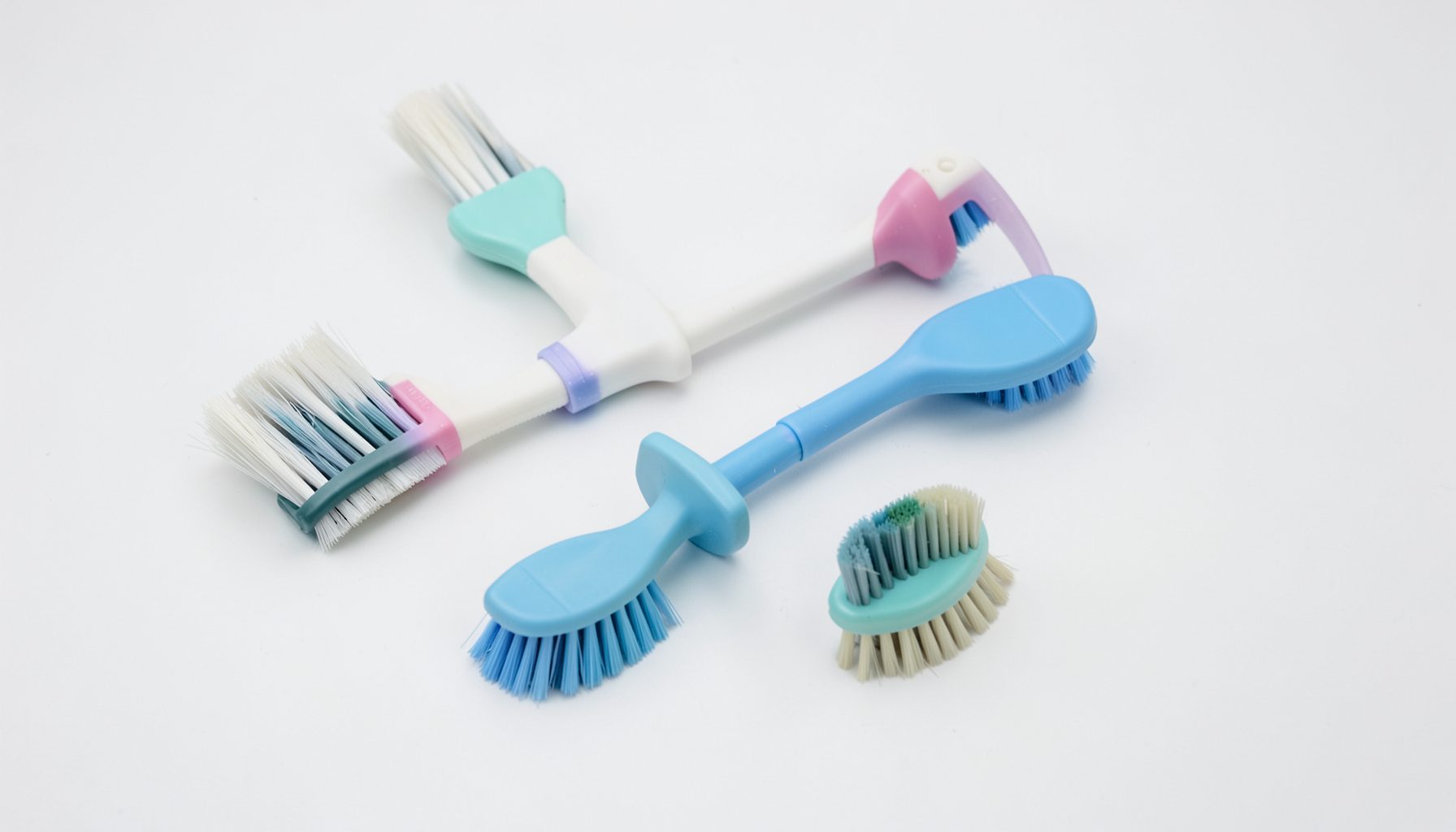
A complete kit may be helpful for households that want the bottle, saline packets, and cleaning tools together. A separate brush can help reach internal areas of a reusable bottle, but all components still need to be rinsed and dried according to the manufacturer’s directions.
Using A Rinse Comfortably
Begin by washing your hands and preparing the solution with safe water. Lean over a sink, tilt your head slightly forward and to the side, and place the nozzle securely against one nostril. Squeeze slowly so the solution can enter one side and flow out through the other nostril or mouth.
Avoid forcing the liquid when the nose is fully blocked. Excessive pressure may send fluid toward the ears or cause discomfort. If the rinse burns sharply, stop and check the water temperature, packet amount, and whether the nasal tissues are already irritated.
Afterward, blow your nose gently, one side at a time. Do not share a bottle or nozzle, and allow reusable parts to air-dry completely after cleaning. Regular care matters because a damp, poorly cleaned device can collect unwanted residue or microorganisms.
Recognizing When To Reduce Rinsing
More rinsing is not always better. Using saline irrigation too frequently, squeezing too firmly, or mixing a solution incorrectly may cause dryness, burning, nosebleeds, or increased irritation. These symptoms can make congestion feel worse even when the original trigger is improving.
If the nose feels raw or repeated rinsing produces discomfort, pause and reassess the routine. ResQRinse describes signs of over-rinsing so users can recognize when their approach may need to be gentler or less frequent.
Follow the product directions rather than copying someone else’s schedule. Some people use a rinse during allergy season, while others use it temporarily during a cold. A pharmacist or clinician can help determine whether irrigation is suitable alongside sprays, antihistamines, or other treatments.
When Eye-Area Pressure Needs Medical Care
Contact a healthcare professional if facial pressure lasts longer than expected, repeatedly returns, or is accompanied by thick discolored drainage, fever, worsening pain, or symptoms that improve and then become worse. A clinician can evaluate whether bacterial sinusitis, a complication, allergy-related inflammation, or another condition may be involved.
Seek urgent care for swelling or redness around the eye, vision changes, pain with eye movement, severe headache, confusion, stiff neck, significant facial swelling, or a high fever. These signs are not appropriate for home treatment alone. Sudden, severe eye pain should also be assessed promptly.
A rinse can support symptom comfort, but it cannot replace diagnosis when symptoms are intense or unusual. People with recent nasal surgery, frequent nosebleeds, immune system problems, or structural nasal concerns should ask a healthcare professional before starting irrigation.
Building A Gentle Nasal Care Routine
A simple routine can make saline irrigation easier to tolerate and more useful during periods of congestion:
- Prepare each rinse with distilled, sterile, or boiled-and-cooled water.
- Follow the packet instructions and use a clean, dry device.
- Apply slow, comfortable pressure instead of forcing the solution.
- Stop if burning, ear pressure, nosebleeds, or worsening irritation develops.
- Clean, rinse, and air-dry the bottle and nozzle after every use.
Pairing irrigation with other basic measures may also help. Drinking adequate fluids, using a humidifier in dry rooms, avoiding smoke, and managing known allergy triggers can reduce irritation. Rest and warm moisture may provide additional comfort during a common cold, while persistent symptoms deserve professional evaluation.
For a practical way to manage congestion and pressure around the eyes, explore ResQRinse saline rinse systems and choose the format that matches your household’s needs. Use the device carefully, follow safe-water guidance, and seek medical care when symptoms extend beyond ordinary nasal congestion.