ResQRinse is the nasal irrigation squeeze bottle that eliminates head-tilting and awkward neck positions. Using proprietary Nasal Lock™ technology, it delivers a comfortable, gag-free sinus cleanse — no more saline dripping down your throat.

Relief From Fall Sneezes
Now sold on Walmart.com. Free shipping on orders $30+. Try ResQRinse today with your everyday purchases.
Shop at WalmartWhy ResQRinse?
Nasal rinsing helps relieve congestion from colds, allergies, sinusitis, hay fever, and environmental pollutants. ResQRinse makes it comfortable enough to become a daily habit.
Nasal Lock™ Technology
Isolates sinuses from the throat using natural choanal occlusion — like inflating a balloon — so saline stays where it belongs.
Learn more →
Drug-Free Relief
Uses premixed saline packets with distilled water. No medications, no preservatives — just a natural cleanse for your nasal passages.
How to rinse →
For Kids Too
ResQRinse for Kids features a comfort nasal tip right-sized for smaller nostril openings, making rinsing gentle and easy for children.
Shop kids' version →
Breath-Controlled Flow
You control the saline flow with your own breath pressure — high volume, low pressure irrigation that's comfortable and effective.
Watch how-to videos →
Better Compliance
Designed to overcome the gagging and discomfort that cause people to abandon traditional neti pots and nasal rinse systems.
Our story →
Complete Kits Available
From the basic ResQRinse Nasal Rinse System ($19.99) to 90-day complete kits, saline packets, cleaning brushes, and Sinoptim Nasal Mist.
Browse all products →Get Started with ResQRinse
Ready to experience a better nasal rinse? Fill out the form below and we'll help you find the right product — or follow the simple steps to begin rinsing today.
Request More Information
How to Use ResQRinse
Fill the Bottle
Fill the ResQRinse squeeze bottle with distilled or previously boiled water and add one premixed saline packet.
Position the Tip
Place the comfort tip gently against one nostril. No head-tilting or awkward neck angles needed.
Squeeze & Breathe
Squeeze the bottle gently while breathing through your mouth. Nasal Lock™ keeps saline in your nasal passages and out of your throat.
Repeat & Clean
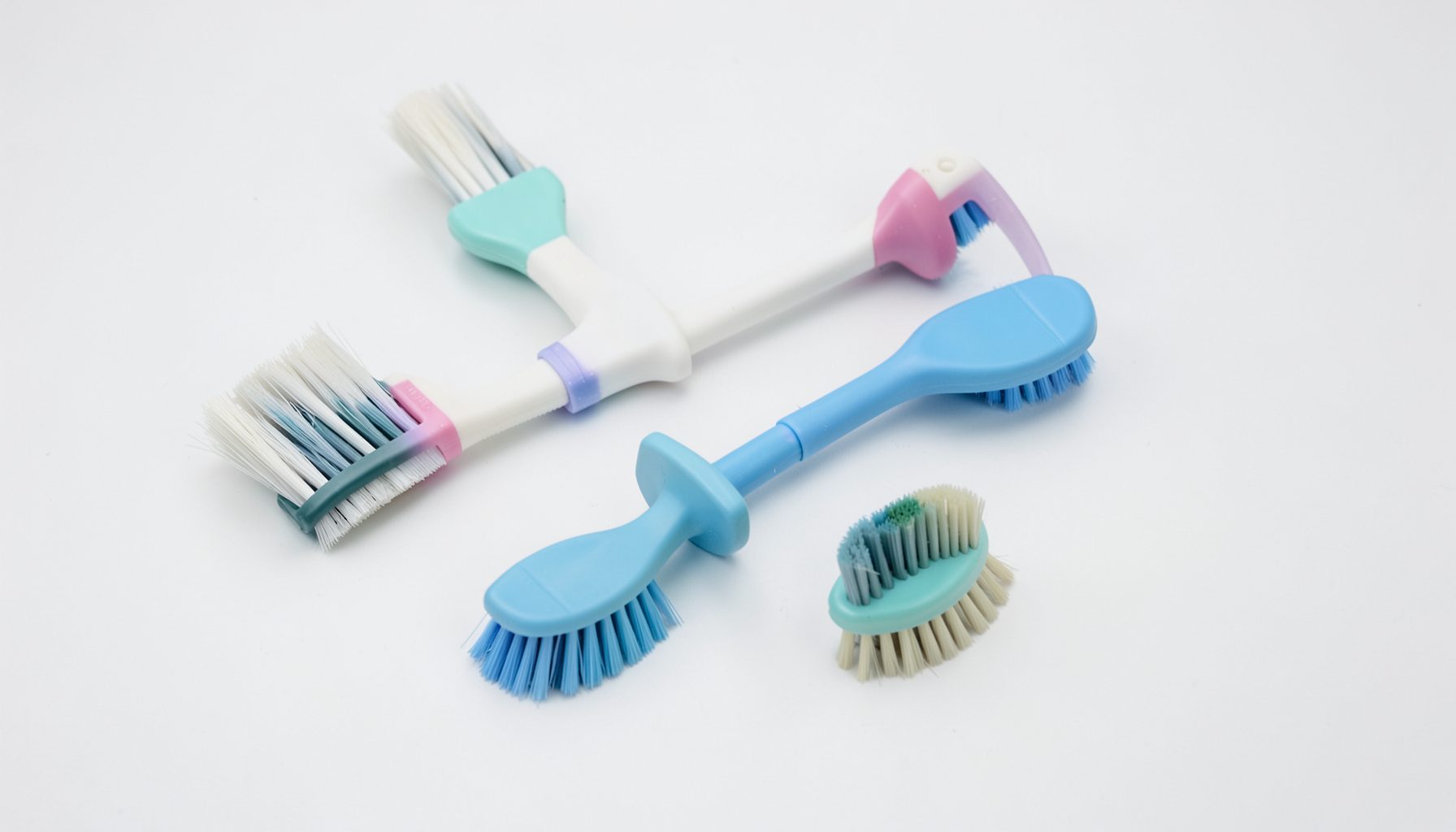
Switch nostrils and repeat. After use, rinse the bottle and let it air dry. Use ResQRinse Premium Cleaning Brushes for thorough cleaning.
Three Signs You Are Over-Rinsing Your Sinuses
Nasal irrigation can help wash away mucus, pollen, dust, and other irritants when congestion or allergy symptoms make breathing difficult. A saline rinse may also moisturize the nasal passages and support comfortable sinus hygiene when it is used correctly.
However, rinsing more often or with greater pressure does not always provide greater relief. The nasal lining is delicate, and excessive irrigation can leave it dry, irritated, or unusually sensitive. The goal is to create a comfortable routine that supports your symptoms without turning every change in sensation into a reason to rinse again.
Understanding the early warning signs can help you adjust your technique and frequency. Product instructions, your healthcare professional’s advice, and rinsing guidance can help you decide what is appropriate for your needs.
Why Rinse Frequency Matters
A saline solution helps loosen thick mucus and carry unwanted particles out of the nasal passages. For many people, a rinse is most useful during periods of colds, seasonal allergies, sinus pressure, or exposure to airborne irritants. Once symptoms improve, continuing the same intensive schedule may be unnecessary.
The nose also has its own protective system. Tiny hairs and natural mucus help filter, warm, and humidify inhaled air. Overuse of nasal irrigation may disrupt that balance, especially if the solution is too concentrated, the water is too warm or cold, or the bottle is squeezed with excessive force.
There is no single schedule that works for everyone. Some people may be advised to rinse daily, while others may use a system only when symptoms flare. Follow the directions for your specific device and saline packets rather than treating increased frequency as a substitute for medical advice.
Sign One: Persistent Dryness Or Burning
A mild, brief sensation after rinsing can happen, particularly when you are new to nasal irrigation. Persistent dryness, stinging, burning, tightness, or a scratchy feeling inside the nose is more concerning. These sensations may indicate that the nasal tissues are becoming irritated rather than comfortably hydrated.
The saline concentration matters. A solution that is too salty can draw moisture from the nasal lining and feel harsh. Using plain tap water is also inappropriate for nasal rinsing because it may contain microorganisms that are unsafe when introduced into the nasal passages. Use distilled or sterile water, or tap water that has been boiled and cooled according to reliable safety guidance.
If burning continues, pause and reassess the solution, water source, temperature, and pressure. Do not add extra salt by guesswork. A correctly prepared saline packet and a clean irrigation device can make the process more predictable.
Sign Two: Nosebleeds, Crusting, Or Tender Tissue
Frequent nosebleeds are a clear reason to reconsider your routine. Repeated rinsing can aggravate small blood vessels, especially when the nasal lining is already dry from indoor heating, cold weather, allergies, or certain medications. Crusting, tenderness, and small painful spots may appear before a more noticeable bleed.
Technique can contribute as well. Forcing the stream, squeezing too hard, or directing the flow against swollen tissue can create unnecessary friction and pressure. A comfortable rinse should feel gentle; it should not cause sharp pain or leave the nose sore for hours afterward.
Stop rinsing if you have active bleeding and allow the tissue to settle. If nosebleeds recur, become heavy, or are difficult to control, contact a healthcare professional. People with frequent nasal bleeding, recent nasal surgery, or structural nasal problems may need individualized instructions before using an irrigation system.
Sign Three: Ear Pressure Or Worsening Congestion
Ear fullness, popping, muffled hearing, or pressure around the ears can occur when fluid or pressure moves toward the openings of the Eustachian tubes. This is more likely when a person rinses forcefully, uses the device while completely blocked, or continues despite discomfort.
A rinse should generally leave the nose feeling clearer or more comfortable. If congestion consistently becomes worse afterward, the tissues may be reacting to excessive frequency, strong pressure, an unsuitable solution, or an underlying problem that needs evaluation. More rinsing may intensify the cycle instead of resolving it.
Some systems are designed to help manage flow and reduce mess. For example, Nasal Lock technology is explained as part of ResQRinse’s approach to creating a more controlled nasal rinse. Regardless of the device, never force fluid through a fully blocked passage, and stop if ear pain or significant pressure develops.
| Balanced Rinsing Routine | Possible Over-Rinsing Pattern |
|---|---|
| Gentle flow that feels comfortable | Strong squeezing or forced pressure |
| Saline prepared with safe water | Incorrectly mixed solution or unsafe water |
| Temporary moisture and symptom relief | Ongoing dryness, burning, or crusting |
| Congestion gradually feels easier | Congestion, ear pressure, or pain worsens |
| Frequency follows product or clinical guidance | Rinsing repeatedly whenever discomfort returns |
Distinguishing Adjustment From Irritation
A new user may notice mild dripping, an unfamiliar sensation, or a small amount of residual fluid after the first few rinses. These effects often improve as technique becomes more comfortable. They are different from persistent burning, repeated bleeding, escalating pressure, or symptoms that interfere with normal activities.
Keep track of what happens after each rinse. Note the solution strength, time of day, pressure used, symptoms before and after, and whether you rinsed once or several times. This simple record can reveal whether a particular habit is contributing to irritation and gives a clinician more useful information if symptoms continue.
Do not use nasal irrigation to push through severe facial pain, high fever, significant swelling, or symptoms that are rapidly worsening. A rinse can support nasal hygiene, but it does not replace assessment for bacterial infection, a blocked sinus drainage pathway, an injury, or another condition requiring treatment.
A Safer Rinsing Routine
Small changes can make nasal irrigation more comfortable and reduce the risk of overuse. Before each session, check that the device is clean, the solution is freshly prepared, and the water source meets safety recommendations. Allow the fluid to reach a comfortably lukewarm temperature.
Use these practical safeguards:
- Follow the frequency and mixing directions supplied with your saline packets or irrigation system.
- Squeeze gently and let the solution flow without forcing it through a blocked nostril.
- Stop if you notice burning, sharp pain, ear pressure, active bleeding, or worsening symptoms.
- Clean and dry the bottle, nozzle, and related parts after use, replacing components as directed.
- Reduce or pause routine rinsing when symptoms have settled unless a healthcare professional has advised continued use.
A child’s needs may differ from an adult’s, particularly regarding device size, supervision, pressure, and the reason for irrigation. Children should use a system designed for them and receive close adult guidance. If a child resists, reports pain, or develops repeated nosebleeds, stop the process and seek professional advice.
When To Pause And Seek Care
Pause nasal irrigation when the nose is actively bleeding, the tissues feel raw, or ear pressure does not quickly settle. Seek medical guidance for recurrent nosebleeds, persistent ear pain, fever, severe headache, facial swelling, foul-smelling discharge, or symptoms that continue despite appropriate home care. Urgent care may be needed for severe swelling, breathing difficulty, confusion, or a serious reaction.
A comfortable saline rinse should support breathing and cleanliness, not become a source of ongoing irritation. Learning about the company’s products, intended use, and care recommendations through the ResQRinse story can help you select equipment that fits your household and use it with greater confidence.
Review your current technique today, check your water and saline preparation, and give irritated tissues time to recover. If symptoms continue or any warning sign feels significant, pause the rinse and speak with a qualified healthcare professional.