ResQRinse is the nasal irrigation squeeze bottle that eliminates head-tilting and awkward neck positions. Using proprietary Nasal Lock™ technology, it delivers a comfortable, gag-free sinus cleanse — no more saline dripping down your throat.

Relief From Fall Sneezes
Now sold on Walmart.com. Free shipping on orders $30+. Try ResQRinse today with your everyday purchases.
Shop at WalmartWhy ResQRinse?
Nasal rinsing helps relieve congestion from colds, allergies, sinusitis, hay fever, and environmental pollutants. ResQRinse makes it comfortable enough to become a daily habit.
Nasal Lock™ Technology
Isolates sinuses from the throat using natural choanal occlusion — like inflating a balloon — so saline stays where it belongs.
Learn more →
Drug-Free Relief
Uses premixed saline packets with distilled water. No medications, no preservatives — just a natural cleanse for your nasal passages.
How to rinse →
For Kids Too
ResQRinse for Kids features a comfort nasal tip right-sized for smaller nostril openings, making rinsing gentle and easy for children.
Shop kids' version →
Breath-Controlled Flow
You control the saline flow with your own breath pressure — high volume, low pressure irrigation that's comfortable and effective.
Watch how-to videos →
Better Compliance
Designed to overcome the gagging and discomfort that cause people to abandon traditional neti pots and nasal rinse systems.
Our story →
Complete Kits Available
From the basic ResQRinse Nasal Rinse System ($19.99) to 90-day complete kits, saline packets, cleaning brushes, and Sinoptim Nasal Mist.
Browse all products →Get Started with ResQRinse
Ready to experience a better nasal rinse? Fill out the form below and we'll help you find the right product — or follow the simple steps to begin rinsing today.
Request More Information
How to Use ResQRinse
Fill the Bottle
Fill the ResQRinse squeeze bottle with distilled or previously boiled water and add one premixed saline packet.
Position the Tip
Place the comfort tip gently against one nostril. No head-tilting or awkward neck angles needed.
Squeeze & Breathe
Squeeze the bottle gently while breathing through your mouth. Nasal Lock™ keeps saline in your nasal passages and out of your throat.
Repeat & Clean
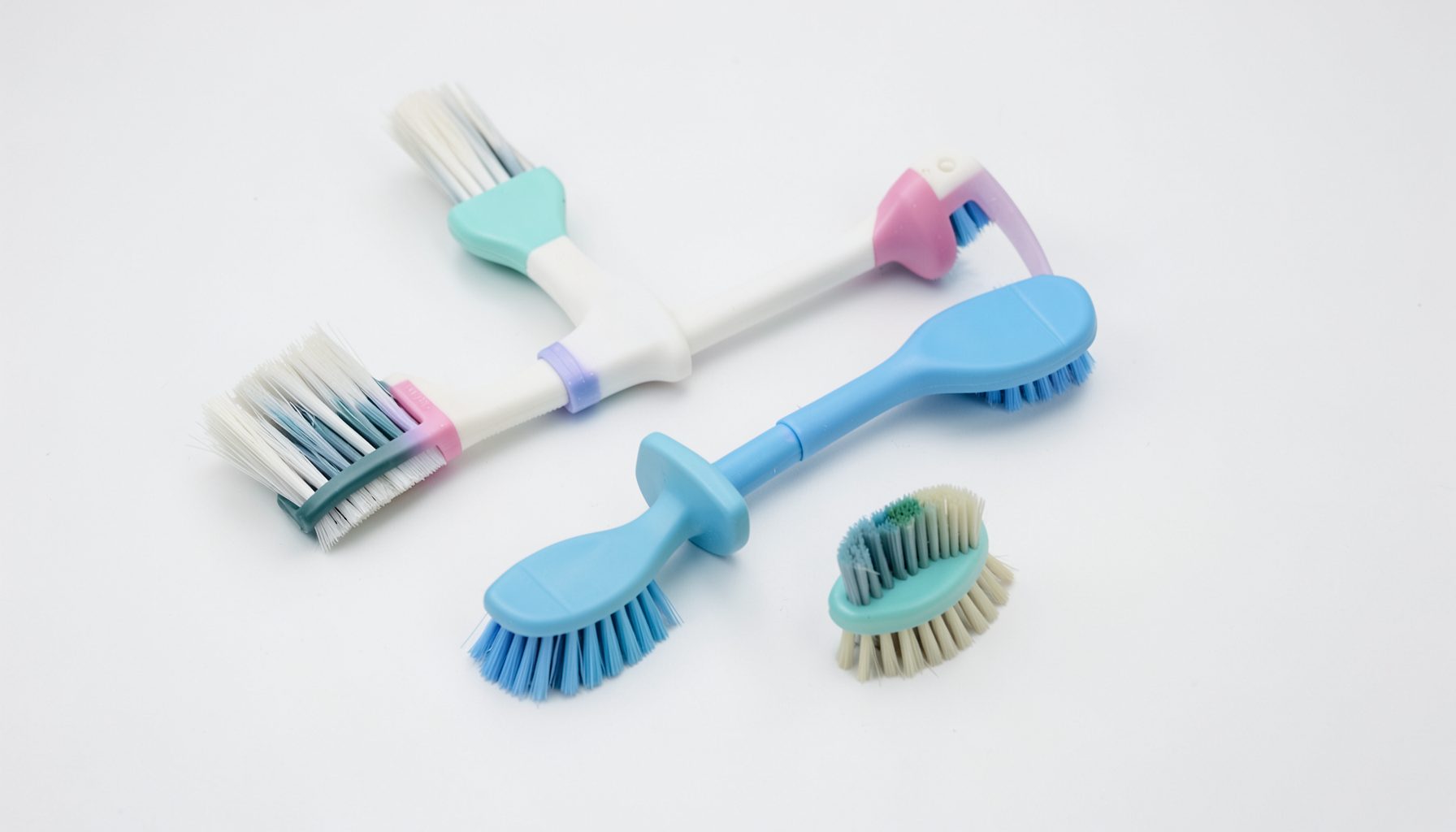
Switch nostrils and repeat. After use, rinse the bottle and let it air dry. Use ResQRinse Premium Cleaning Brushes for thorough cleaning.
Sinus Rinse for High Altitude Travel and Dry Cabins
High-altitude trips can make nasal discomfort feel stronger than usual. Thin, dry air pulls moisture from the nasal passages, while airplane cabins often have low humidity and recycled air. The result may be a stuffy nose, thick mucus, sinus pressure, scratchiness, or irritation that follows you from the airport to the mountain lodge.
A portable sinus rinse system can help wash away excess mucus, pollen, dust, and other irritants while adding moisture to the nasal passages. It may be especially useful for travelers who experience seasonal allergies, recurring congestion, or dry-air discomfort. A squeeze bottle is also easier to pack and use than a traditional neti pot when space and time are limited.
Safe preparation matters during travel. Use distilled, sterile, or previously boiled and cooled water according to the product instructions, and prepare saline with the correct packet or measured salt mixture. Tap water should not be used for nasal irrigation unless it has been treated appropriately.
Why Altitude And Cabin Air Affect Your Nose
At high elevations, the air contains less moisture, and outdoor conditions may be windy or cold. Breathing through the nose in this environment can dry the mucous membranes, which normally help trap dust, pollen, and microbes. When the lining becomes irritated, it may swell and make airflow feel restricted.
Aircraft cabins can create a similar problem even before you reach your destination. Low humidity may leave the nose feeling tight or burning, while long periods of sitting and limited fluid intake can contribute to thicker secretions. A dry cabin does not directly cause every sinus problem, but it can make existing congestion more noticeable.
Pressure changes during takeoff and landing may also affect travelers with blocked nasal passages. A saline rinse cannot equalize ear pressure or treat a serious infection, yet clearing mucus before a flight may support more comfortable nasal breathing. Gentle swallowing, yawning, and following medical advice for pressure-related symptoms may also help.
How A Travel Rinse Can Provide Relief
Nasal irrigation works by allowing a saline solution to flow through one nostril and out the other, carrying away mucus and unwanted particles. Unlike plain water, a properly mixed isotonic saline solution is designed to be more comfortable for delicate nasal tissue. Some people prefer a rinse after arriving at a dry destination, while others use it before bed to clear the day’s buildup.
A compact squeeze-bottle system can provide more control than a neti pot. The traveler can adjust pressure by squeezing gently, and a well-designed seal helps keep the process focused around the nostrils. ResQRinse products use Nasal Lock technology to support a comfortable fit, which can be useful when rinsing in a hotel bathroom or other unfamiliar setting.
Use only light, steady pressure. If the solution causes sharp pain, significant ear pressure, bleeding, or worsening symptoms, stop and consult a healthcare professional. Nasal irrigation should feel like a controlled flow, not forceful spraying.
Packing And Using A Rinse Away From Home
Before leaving, check that the bottle, cap, nozzle, saline packets, and cleaning brush are dry and intact. Pack the system in a clean, sealable pouch to separate it from toiletries and reduce exposure to dirt. If you are flying, remember that water may be restricted through security, so carry the empty bottle and obtain safe water after screening.
At your destination, wash your hands and choose a clean sink. Add the recommended amount of safe water, then dissolve one saline packet completely. Lean forward over the sink, keep your mouth open, and breathe through your mouth as the solution flows. Avoid tilting your head too far back, since that can send water toward the throat.
Rinse the bottle after each use and allow all parts to air-dry fully. A cleaning brush can help remove residue from narrow areas, but it should also be washed and dried. If a nozzle becomes difficult to use during a trip, these nozzle care steps can help troubleshoot the issue without damaging the bottle.
Choosing Between Travel Options
The best option depends on how much congestion you experience, how often you travel, and how much preparation you want. A complete kit may be convenient for frequent flyers because it keeps the bottle, saline packets, and cleaning accessories together. A smaller mist can be useful for quick moisture during the day, although a mist generally does not flush mucus as thoroughly as an irrigation rinse.
| Travel need | Practical option | What to consider |
|---|---|---|
| Dry cabin discomfort | Nasal mist | Convenient for quick moisture, but it does not provide a full rinse |
| Thick mucus or allergy buildup | Squeeze-bottle rinse | Offers deeper cleansing and adjustable pressure |
| Limited luggage space | Compact bottle with packets | Easy to pack; use safe water after arrival |
| Family mountain travel | Child-sized system | Select an age-appropriate product and supervise use |
| Frequent trips | Complete rinse kit | Keeps essential supplies organized between journeys |
| Occasional maintenance | Saline packets and bottle | Follow mixing, cleaning, and replacement instructions |
A child should use a nasal rinse only with suitable equipment and adult supervision. Children may need help maintaining the correct posture and pressure. Anyone with a history of frequent nosebleeds, recent nasal surgery, severe blockage, or an unusual sinus condition should ask a clinician whether irrigation is appropriate.
Travelers who wear a face covering in cold or dusty environments may find that it reduces exposure to some airborne irritants. It does not replace a rinse, but combining sensible protection with hydration and gentle nasal care can make dry conditions easier to manage.
Timing Your Rinse During A Trip
There is no universal schedule for nasal irrigation. Some people use it once after arriving at a high-altitude destination, while others rinse in the evening after outdoor activities. During periods of heavy pollen or repeated exposure to dust, a healthcare professional may recommend a different routine. This guide to rinse frequency offers additional context for allergy-season use.
Avoid rinsing immediately before lying down if residual solution tends to drain into your throat. A gentle rinse earlier in the evening may be more comfortable. If you plan to rinse before a flight, allow enough time to clean the system and let the nose settle before boarding.
More frequent use is not automatically better. Overuse, incorrect saline concentration, or poor cleaning can increase irritation. Follow the instructions included with the product, and pay attention to how your nose responds in changing conditions.
Signs You Should Seek Medical Advice
Dryness and ordinary congestion often improve with moisture, saline care, rest, and time. Symptoms that persist or intensify deserve closer attention. Contact a medical professional if you develop high fever, severe facial pain, swelling around the eyes, repeated nosebleeds, foul-smelling discharge, or symptoms that continue longer than expected.
Altitude-related illness can involve headache, dizziness, unusual fatigue, nausea, shortness of breath, or confusion. These symptoms should not be attributed automatically to sinus congestion. Move to a lower elevation and seek urgent medical care when symptoms are severe or suggest an altitude emergency.
A rinse is also not a substitute for prescribed treatment. Travelers with chronic sinusitis, asthma, immune system conditions, or recent nasal procedures should discuss their travel routine with a clinician. Product experiences vary, but customer travel experiences may provide practical ideas about how others fit nasal care into their routines.
Smart Habits For Dry-Air Travel
A few simple preparations can make nasal irrigation more comfortable and hygienic throughout a journey:
- Carry saline packets and an empty, clean bottle in an accessible toiletry pouch.
- Use distilled, sterile, or properly boiled and cooled water rather than untreated tap water.
- Rinse gently after outdoor exposure, heavy pollen, or a long flight instead of forcing repeated treatments.
- Clean every bottle component and let it dry completely before storing it.
- Pack a nasal mist for brief moisture between full irrigation sessions.
Drink fluids regularly, though hydration alone will not correct every cause of congestion. Limit exposure to smoke and heavily fragranced products, and use a room humidifier only when it is cleaned according to the manufacturer’s instructions. A steamy shower may feel soothing, but avoid very hot water that could irritate already sensitive tissue.
The most useful travel routine is one you can perform safely and consistently. Keep the process simple, use the right water, and stop if symptoms become painful or unusual.
Before your next flight, ski trip, or high-elevation getaway, pack a ResQRinse system suited to your needs and add saline packets to your travel kit. With careful preparation and gentle technique, nasal irrigation can help you manage dry cabin air, environmental irritants, and everyday congestion wherever your itinerary takes you.