ResQRinse is the nasal irrigation squeeze bottle that eliminates head-tilting and awkward neck positions. Using proprietary Nasal Lock™ technology, it delivers a comfortable, gag-free sinus cleanse — no more saline dripping down your throat.

Relief From Fall Sneezes
Now sold on Walmart.com. Free shipping on orders $30+. Try ResQRinse today with your everyday purchases.
Shop at WalmartWhy ResQRinse?
Nasal rinsing helps relieve congestion from colds, allergies, sinusitis, hay fever, and environmental pollutants. ResQRinse makes it comfortable enough to become a daily habit.
Nasal Lock™ Technology
Isolates sinuses from the throat using natural choanal occlusion — like inflating a balloon — so saline stays where it belongs.
Learn more →
Drug-Free Relief
Uses premixed saline packets with distilled water. No medications, no preservatives — just a natural cleanse for your nasal passages.
How to rinse →
For Kids Too
ResQRinse for Kids features a comfort nasal tip right-sized for smaller nostril openings, making rinsing gentle and easy for children.
Shop kids' version →
Breath-Controlled Flow
You control the saline flow with your own breath pressure — high volume, low pressure irrigation that's comfortable and effective.
Watch how-to videos →
Better Compliance
Designed to overcome the gagging and discomfort that cause people to abandon traditional neti pots and nasal rinse systems.
Our story →
Complete Kits Available
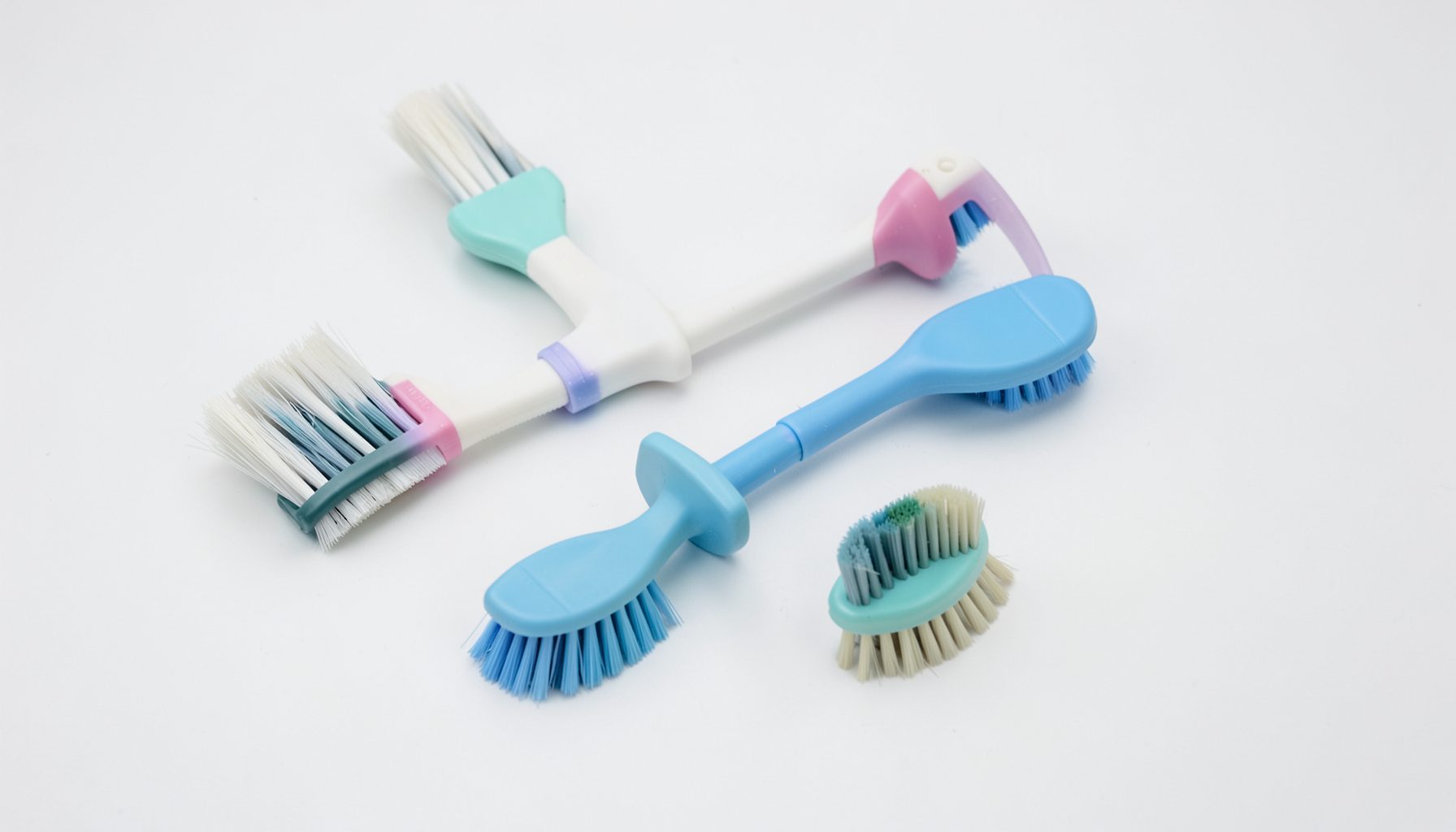
From the basic ResQRinse Nasal Rinse System ($19.99) to 90-day complete kits, saline packets, cleaning brushes, and Sinoptim Nasal Mist.
Browse all products →Get Started with ResQRinse
Ready to experience a better nasal rinse? Fill out the form below and we'll help you find the right product — or follow the simple steps to begin rinsing today.
Request More Information
How to Use ResQRinse
Fill the Bottle
Fill the ResQRinse squeeze bottle with distilled or previously boiled water and add one premixed saline packet.
Position the Tip
Place the comfort tip gently against one nostril. No head-tilting or awkward neck angles needed.
Squeeze & Breathe
Squeeze the bottle gently while breathing through your mouth. Nasal Lock™ keeps saline in your nasal passages and out of your throat.
Repeat & Clean
Switch nostrils and repeat. After use, rinse the bottle and let it air dry. Use ResQRinse Premium Cleaning Brushes for thorough cleaning.
How Often Should You Rinse During Peak Allergy Season
When pollen counts rise, the nasal passages can become irritated, swollen, and coated with allergens. A saline rinse may help wash away pollen, dust, mucus, and other particles before they continue triggering congestion. It can also loosen thick secretions and make breathing feel more comfortable. Learn more about Testimonials.
For many adults, rinsing once daily during peak allergy season is a reasonable starting point. Some people benefit from rinsing twice daily when symptoms are persistent or exposure is heavy. The ideal schedule depends on symptom severity, the amount of time spent outdoors, and how well your nose tolerates irrigation.
A nasal rinse supports allergy care, but it does not replace prescribed treatment or professional medical advice. Using the right water, saline mixture, and cleaning routine is just as important as choosing the right frequency.
Why Congestion Gets Worse In Peak Season
Seasonal allergies occur when the immune system reacts to airborne substances such as tree pollen, grass pollen, weed pollen, or mold spores. Each breath can bring these particles into contact with the nasal lining. The resulting inflammation may cause sneezing, itching, watery discharge, pressure, and a blocked or stuffy nose.
A saline wash helps physically remove irritants from the nasal passages. Unlike medication that targets inflammation or allergy symptoms, irrigation works through gentle cleansing and moisture. This can be especially useful after outdoor activities, gardening, sports, or time spent near open windows.
Rinsing may also help prevent mucus from becoming thick and difficult to clear. When the nasal passages stay hydrated, normal drainage can work more efficiently. That does not mean frequent rinsing is always better; excessive or forceful irrigation may leave the nose feeling sore or dry.
Finding A Comfortable Frequency
Start with one rinse per day when seasonal symptoms first become noticeable. Many people prefer doing it after returning home in the evening, since this can remove pollen collected throughout the day. If morning congestion is the main problem, a morning rinse may be more useful.
During severe allergy flare-ups, a second rinse may be appropriate for some adults. A morning and evening schedule can provide regular cleansing without making irrigation an all-day task. Follow the product directions carefully, and reduce the frequency if your nose becomes irritated.
| Situation | Typical starting schedule | Frequency considerations |
|---|---|---|
| Mild seasonal symptoms | Once daily | Increase only if symptoms remain troublesome |
| Heavy outdoor exposure | Once after exposure | An additional daily rinse may be useful during high pollen days |
| Persistent congestion | Once or twice daily | Discuss ongoing symptoms with a healthcare professional |
| Dry, irritated nasal passages | Every other day or pause | Focus on gentle technique and proper saline strength |
| Children using a nasal rinse | Follow pediatric guidance | Use an age-appropriate product and supervision |
People with chronic sinus symptoms may need a more individualized plan. A clinician can recommend how often to irrigate alongside nasal sprays, antihistamines, or other treatments. If symptoms continue for several weeks, worsen suddenly, or affect sleep and daily activity, professional evaluation is appropriate.
When Timing Makes A Difference
The best time to rinse depends on when allergens are most likely to affect you. An evening rinse can be helpful after a day outside because it clears particles before bedtime. This may be particularly valuable for people who notice nighttime stuffiness or wake with a blocked nose.
A morning rinse can clear mucus that collected overnight and create a more comfortable start to the day. Some people choose to rinse before using a prescribed nasal spray, because cleared passages may allow the medication to contact the nasal lining more evenly. Follow your prescriber’s instructions about spacing and order.
For additional guidance on choosing a convenient schedule, read this explanation of the best time to rinse. The most effective routine is one that fits naturally around your exposure patterns and other allergy-care habits.
Signs You May Need To Adjust
A rinse should feel gentle, with saline flowing through the nose without sharp pain or intense pressure. A brief sensation of fullness can occur, but persistent ear pressure, burning, bleeding, or worsening discomfort indicates that the technique, saline concentration, or frequency may need to change.
Dryness is another sign to pay attention to. Saline irrigation can moisturize the nose, but rinsing too often or using a solution that is too concentrated may cause irritation. Use premeasured saline packets or carefully follow the recommended recipe rather than estimating salt by sight.
Pause irrigation and seek medical advice if you experience repeated nosebleeds, significant facial pain, fever, severe headache, or symptoms that are getting worse. People with a completely blocked nasal passage, recent nasal surgery, frequent ear problems, or certain medical conditions should ask a healthcare professional before beginning or increasing nasal irrigation.
Safe Technique Matters As Much As Timing
Always use distilled, sterile, or previously boiled and cooled water for a nasal rinse. Ordinary tap water may contain microorganisms that are safe to swallow but unsafe in the nasal passages. Let boiled water cool fully before using it, and prepare each solution according to the device instructions.
Wash the bottle or rinse chamber after every use and allow it to dry completely. A cleaning brush can help reach internal areas where moisture or residue may remain. Replace worn parts according to the manufacturer’s guidance, particularly if the device becomes cracked, cloudy, or difficult to clean.
Avoid sharing a nasal irrigation device, even among family members. Children should use products designed for their age and should be supervised by an adult. A squeeze bottle with a comfortable seal can make it easier to control the flow, while a nasal lock or similar feature may help reduce leakage around the nostril.
Choosing A System For Allergy Care
Traditional neti pots can work well for some users, but they require careful head positioning and controlled pouring. Squeeze-bottle systems offer a different experience because the user can regulate the flow and pressure. Comfort, ease of cleaning, and confidence with the device often determine whether someone maintains a regular routine.
Saline packets simplify preparation by providing a measured blend intended for nasal use. A complete kit may be useful for first-time users who want the bottle, packets, and cleaning accessories together. Nasal mist can also provide quick moisture between full rinses, although it does not flush the nasal passages in the same way.
ResQRinse offers nasal rinse systems in several formats, including options for adults and children. The goal is to make routine nasal care practical during allergy season, whether you need occasional relief after outdoor exposure or a consistent daily wash.
Build A Routine You Can Maintain
The best schedule is consistent, comfortable, and appropriate for your symptoms. Rather than automatically rinsing several times a day, begin with one carefully performed rinse and observe how your nose responds. Increase to twice daily only when needed and when the nasal passages remain comfortable.
Pairing irrigation with other allergy-reduction habits can improve the overall routine. Showering after outdoor exposure, changing clothes before bed, keeping windows closed during high pollen periods, and following prescribed allergy treatment may reduce the number of irritants reaching the nose.
- Rinse after substantial outdoor exposure, especially on high-pollen days.
- Use sterile, distilled, or boiled-and-cooled water every time.
- Prepare saline at the recommended strength and avoid plain-water rinsing.
- Clean and dry the device after each use.
- Stop and seek medical guidance if pain, bleeding, fever, or worsening symptoms occur.
Pay attention to your personal pattern. If an evening rinse helps you sleep but a morning rinse feels unnecessary, keep the evening schedule. If symptoms return by midday after outdoor activity, discuss whether an additional rinse or another allergy treatment would be appropriate.
Make nasal irrigation part of a broader plan for managing seasonal allergies, not a substitute for care when symptoms are persistent or severe. Choose a comfortable system, follow safe preparation steps, and shop for the ResQRinse option that fits your household’s needs through the brand’s online retail partners.