ResQRinse is the nasal irrigation squeeze bottle that eliminates head-tilting and awkward neck positions. Using proprietary Nasal Lock™ technology, it delivers a comfortable, gag-free sinus cleanse — no more saline dripping down your throat.

Relief From Fall Sneezes
Now sold on Walmart.com. Free shipping on orders $30+. Try ResQRinse today with your everyday purchases.
Shop at WalmartWhy ResQRinse?
Nasal rinsing helps relieve congestion from colds, allergies, sinusitis, hay fever, and environmental pollutants. ResQRinse makes it comfortable enough to become a daily habit.
Nasal Lock™ Technology
Isolates sinuses from the throat using natural choanal occlusion — like inflating a balloon — so saline stays where it belongs.
Learn more →
Drug-Free Relief
Uses premixed saline packets with distilled water. No medications, no preservatives — just a natural cleanse for your nasal passages.
How to rinse →
For Kids Too
ResQRinse for Kids features a comfort nasal tip right-sized for smaller nostril openings, making rinsing gentle and easy for children.
Shop kids' version →
Breath-Controlled Flow
You control the saline flow with your own breath pressure — high volume, low pressure irrigation that's comfortable and effective.
Watch how-to videos →
Better Compliance
Designed to overcome the gagging and discomfort that cause people to abandon traditional neti pots and nasal rinse systems.
Our story →
Complete Kits Available
From the basic ResQRinse Nasal Rinse System ($19.99) to 90-day complete kits, saline packets, cleaning brushes, and Sinoptim Nasal Mist.
Browse all products →Get Started with ResQRinse
Ready to experience a better nasal rinse? Fill out the form below and we'll help you find the right product — or follow the simple steps to begin rinsing today.
Request More Information
How to Use ResQRinse
Fill the Bottle
Fill the ResQRinse squeeze bottle with distilled or previously boiled water and add one premixed saline packet.
Position the Tip
Place the comfort tip gently against one nostril. No head-tilting or awkward neck angles needed.
Squeeze & Breathe
Squeeze the bottle gently while breathing through your mouth. Nasal Lock™ keeps saline in your nasal passages and out of your throat.
Repeat & Clean
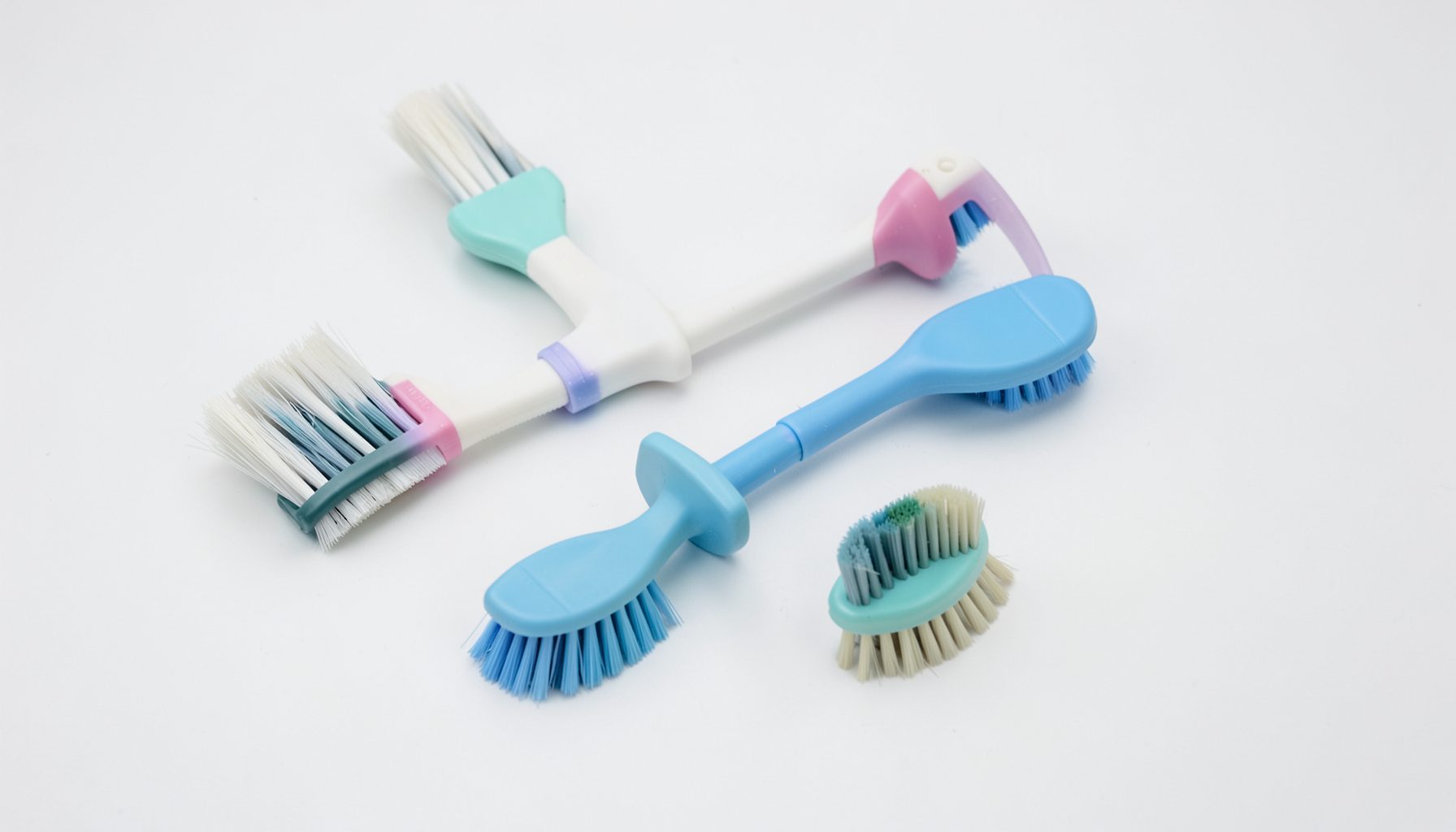
Switch nostrils and repeat. After use, rinse the bottle and let it air dry. Use ResQRinse Premium Cleaning Brushes for thorough cleaning.
Sinus rinsing for a chronic cough linked to post-nasal drip
A cough that lingers after a cold, flares during allergy season, or worsens when you lie down may be connected to post-nasal drip. This occurs when mucus from the nose and sinuses moves down the back of the throat, irritating sensitive tissues and triggering repeated throat clearing or coughing. Nasal congestion, facial pressure, a scratchy throat, and a sensation of mucus stuck in the throat may appear alongside it.
A sinus rinse can help wash away excess mucus, airborne allergens, and other irritants from the nasal passages. It does not treat every cause of chronic cough, but regular saline irrigation may reduce the drainage that keeps irritating the throat. A comfortable squeeze-bottle system can also make nasal care easier to perform consistently than occasional steam or forceful nose blowing.
The right approach involves more than choosing a bottle. Water safety, saline concentration, cleaning, technique, and knowing when to seek medical care all matter. Used correctly, nasal irrigation can become one practical part of a broader plan for managing upper-airway symptoms.
Why post-nasal drip can cause persistent coughing
The nose continuously produces mucus to trap dust, pollen, microbes, and other particles. Usually, that mucus moves unnoticed toward the throat and is swallowed. When allergies, a viral infection, sinus inflammation, dry air, or structural nasal problems increase mucus production or slow drainage, the sensation can become much more noticeable.
Mucus dripping onto the throat may activate the cough reflex. The resulting cough can be dry or productive, and it may become more troublesome at night because lying down changes how secretions drain. Frequent coughing can then further irritate the throat, creating a cycle of tickling, clearing, and renewed coughing.
Post-nasal drip is one possible explanation, not a diagnosis by itself. Asthma, acid reflux, medication side effects, smoking, respiratory infections, and other conditions can also cause a cough that lasts for weeks. For a useful overview of how the brand approaches nasal comfort and irrigation, visit about ResQRinse.
How saline irrigation may calm upper-airway irritation
A saline rinse flushes the nasal cavity with a saltwater solution. This can loosen thick secretions, remove pollen and dust, and moisturize tissues that feel dry or inflamed. By reducing the amount of mucus collecting near the back of the nose, irrigation may lessen throat irritation and the urge to cough.
Saline is generally preferable to plain water because a properly prepared isotonic solution is gentler on nasal tissue. Hypertonic formulas may temporarily help draw out fluid from swollen tissue, but they can feel more intense for some people. Follow the instructions supplied with the saline packets rather than adding salt by guesswork.
The benefit is usually supportive rather than immediate or curative. Some people notice easier breathing after one rinse, while others need consistent use during an allergy flare or recovery from a cold. If the cough is caused by lower-airway disease or reflux rather than nasal drainage, rinsing alone is unlikely to resolve it.
Comparing rinse options for cough-related drainage
Different irrigation tools deliver saline in different ways. A squeeze bottle gives the user control over flow and may be easier for clearing thicker mucus. A neti pot relies more on gravity and can suit people who prefer a slower stream. Nasal mist is useful for light moisturizing, although it usually does not provide the same flushing action as a full-volume rinse.
ResQRinse systems use a bottle design intended to help direct saline comfortably through the nasal passages. Its Nasal Lock technology is designed to support a secure fit during use, which may help reduce leaking when the system is positioned correctly. Comfort still depends on the individual user, nasal anatomy, congestion level, and careful technique.
| Option | Best suited for | Potential advantage | Important consideration |
|---|---|---|---|
| Squeeze-bottle rinse | Thick mucus, congestion, routine sinus care | Adjustable flow and fuller flushing | Use gentle pressure and correct positioning |
| Neti pot | Slow, gravity-fed irrigation | Simple, low-pressure delivery | Can feel less convenient during heavy congestion |
| Saline mist | Dryness or mild irritation | Quick and portable moisture | Usually does not remove as much mucus |
| Children’s rinse system | Appropriate pediatric use with adult supervision | Size and instructions may suit younger users | Ask a clinician about use for very young children |
| Saline packets | Consistent solution preparation | Premeasured salt blend | Still requires safe water and a clean device |
A rinse system should feel comfortable rather than painful. Burning often indicates incorrect salt concentration, water that is too hot or cold, irritated tissue, or excessive pressure. Stop if there is significant pain, ear pressure, nosebleeding, or worsening symptoms.
Water safety and bottle hygiene matter
Only use distilled or sterile water, or tap water that has been boiled and cooled according to public health guidance. Untreated tap water can contain organisms that are safe to swallow but unsafe in the nasal passages. Allow boiled water to cool to lukewarm before mixing the solution.
Prepare the saline as directed and avoid storing leftover solution unless the product instructions specifically permit it. Fresh solution reduces the chance of contamination. Wash your hands before preparing and using the rinse, and do not share a bottle or nozzle with another person.
The bottle should be emptied, rinsed, and allowed to air-dry after each use. Periodic deeper cleaning is also important because damp equipment can support microbial growth. Instructions for cleaning the rinse bottle can help establish a dependable routine, including care when a dishwasher is unavailable.
A gentle routine for congestion and nighttime cough
Use irrigation over a sink and lean forward slightly with your mouth open. Keep the head in a comfortable position rather than tipping it sharply backward. Place the nozzle securely at the nostril without forcing it, then squeeze gently so the solution can travel through the nasal passages and exit through the other side or mouth.
Breathe through the mouth while rinsing. If one nostril is completely blocked, forcing fluid through can increase pressure and discomfort. Try a smaller amount, pause, or wait until swelling decreases. Do not use the bottle when the nose is actively bleeding unless a healthcare professional has advised you to do so.
Afterward, gently blow the nose without force. Many people prefer to rinse earlier in the evening so loosened mucus has time to clear before sleep. During a cold, extra attention to preparation and technique is useful; these cold-rinse instructions provide practical guidance for nasal irrigation when congestion and drainage are prominent.
Frequency depends on symptoms and product directions. Once daily may be enough for routine allergy support, while short-term use during a cold may be more frequent. If the nose becomes drier or more irritated, reduce use and consult a healthcare professional.
When a chronic cough needs medical evaluation
A cough lasting eight weeks or longer in an adult, or four weeks in a child, deserves medical assessment even when post-nasal drip seems likely. A clinician may examine the nose and throat, review allergy symptoms and medications, and consider asthma, reflux, chronic sinusitis, infection, or other causes.
Seek prompt care for difficulty breathing, chest pain, coughing up blood, fainting, blue lips, confusion, or a high or persistent fever. Medical advice is also appropriate for severe facial pain, swelling around the eyes, vision changes, recurrent nosebleeds, or symptoms that worsen after initially improving.
A rinse may be used alongside treatments recommended by a professional, such as allergy management, an intranasal medication, or care for reflux. It should not replace prescribed treatment or delay evaluation of a cough that is worsening, disrupting sleep, or affecting normal activity.
Practical habits for more comfortable results
- Use sterile, distilled, or properly boiled and cooled water every time.
- Mix saline according to the packet directions instead of estimating the ingredients.
- Rinse gently, especially when the nose is swollen or one side feels blocked.
- Clean, rinse, and air-dry the bottle after use, with regular deeper cleaning.
- Track cough duration and related symptoms so a clinician can identify patterns.
For people whose cough appears closely tied to nasal congestion and throat drainage, consistent saline irrigation may provide meaningful comfort. Choose a system that is easy to handle, follow safe preparation steps, and pay attention to how your body responds. Explore ResQRinse nasal rinse products, saline packets, and supporting accessories through the brand’s available online retail options, and make nasal care part of a sensible plan for clearer breathing and a calmer throat.