ResQRinse is the nasal irrigation squeeze bottle that eliminates head-tilting and awkward neck positions. Using proprietary Nasal Lock™ technology, it delivers a comfortable, gag-free sinus cleanse — no more saline dripping down your throat.

Relief From Fall Sneezes
Now sold on Walmart.com. Free shipping on orders $30+. Try ResQRinse today with your everyday purchases.
Shop at WalmartWhy ResQRinse?
Nasal rinsing helps relieve congestion from colds, allergies, sinusitis, hay fever, and environmental pollutants. ResQRinse makes it comfortable enough to become a daily habit.
Nasal Lock™ Technology
Isolates sinuses from the throat using natural choanal occlusion — like inflating a balloon — so saline stays where it belongs.
Learn more →
Drug-Free Relief
Uses premixed saline packets with distilled water. No medications, no preservatives — just a natural cleanse for your nasal passages.
How to rinse →
For Kids Too
ResQRinse for Kids features a comfort nasal tip right-sized for smaller nostril openings, making rinsing gentle and easy for children.
Shop kids' version →
Breath-Controlled Flow
You control the saline flow with your own breath pressure — high volume, low pressure irrigation that's comfortable and effective.
Watch how-to videos →
Better Compliance
Designed to overcome the gagging and discomfort that cause people to abandon traditional neti pots and nasal rinse systems.
Our story →
Complete Kits Available
From the basic ResQRinse Nasal Rinse System ($19.99) to 90-day complete kits, saline packets, cleaning brushes, and Sinoptim Nasal Mist.
Browse all products →Get Started with ResQRinse
Ready to experience a better nasal rinse? Fill out the form below and we'll help you find the right product — or follow the simple steps to begin rinsing today.
Request More Information
How to Use ResQRinse
Fill the Bottle
Fill the ResQRinse squeeze bottle with distilled or previously boiled water and add one premixed saline packet.
Position the Tip
Place the comfort tip gently against one nostril. No head-tilting or awkward neck angles needed.
Squeeze & Breathe
Squeeze the bottle gently while breathing through your mouth. Nasal Lock™ keeps saline in your nasal passages and out of your throat.
Repeat & Clean
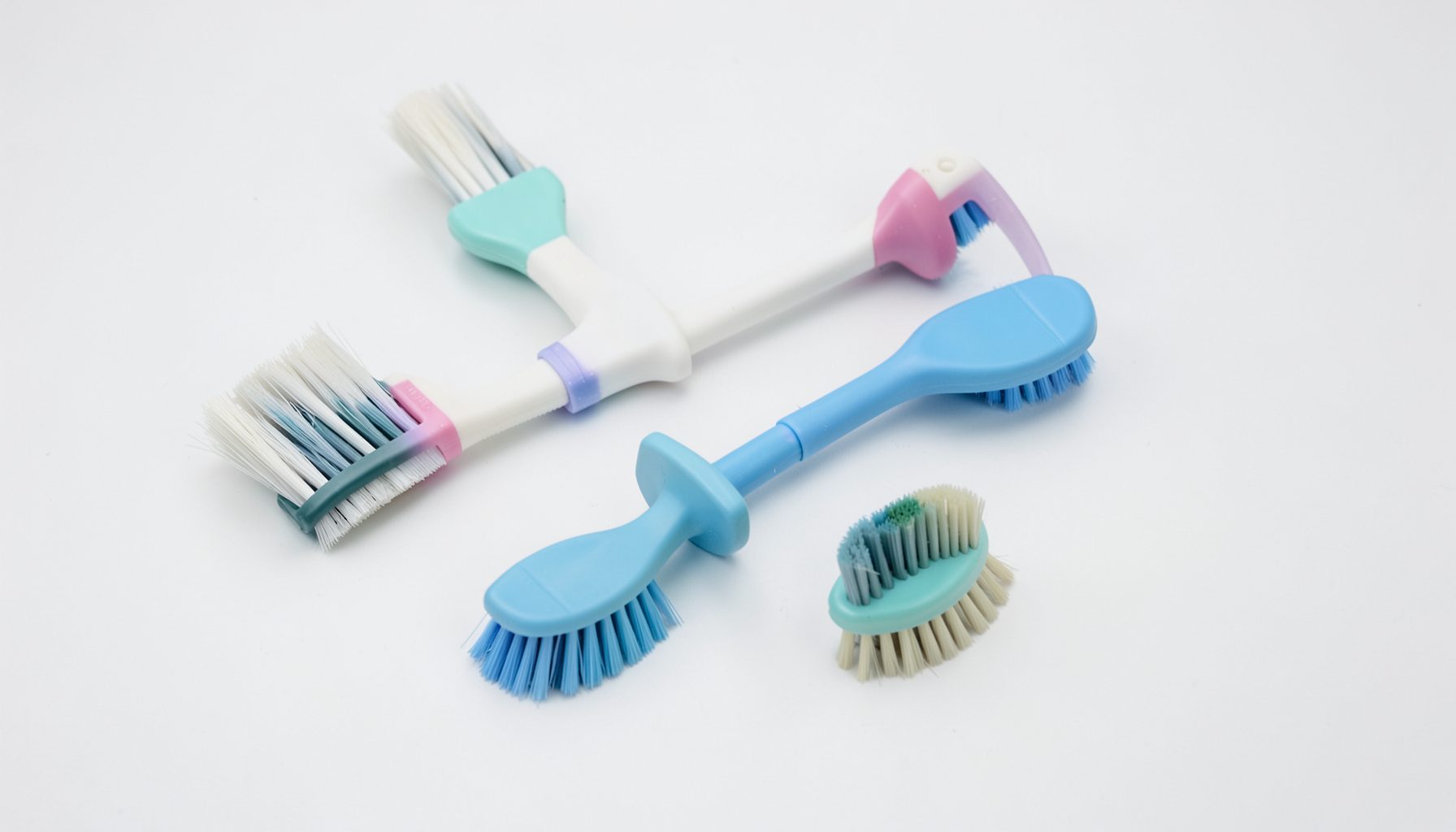
Switch nostrils and repeat. After use, rinse the bottle and let it air dry. Use ResQRinse Premium Cleaning Brushes for thorough cleaning.
A Comfortable Morning Rinse for Nasal Congestion
Waking with a blocked nose can make the first part of the day feel slow and uncomfortable. Overnight, mucus may become thicker, allergens can remain in the nasal passages, and dry indoor air may irritate sensitive tissue. A gentle saline rinse can help wash away mucus and airborne particles before congestion affects breakfast, commuting, work, or school.
A squeeze bottle nasal rinse offers a controlled way to deliver saline through one nostril and out the other. Unlike simply blowing the nose, irrigation reaches areas where mucus and irritants may linger. Used correctly, it can provide temporary relief from stuffiness linked to seasonal allergies, colds, sinus pressure, and dry nasal passages.
The morning is a practical time to rinse because it can become part of an existing routine. The key is to use safe water, the correct saline mixture, comfortable pressure, and a clean device. Rinsing should feel gentle rather than forceful or painful.
Why Congestion Often Feels Worse In The Morning
Several factors can contribute to morning nasal blockage. Lying down for hours may allow mucus to collect, while postnasal drainage can create a feeling of fullness in the nose or throat. Bedroom allergens, including dust and pet dander, may also irritate the nasal lining during the night.
Dry air from heating or air conditioning can make nasal secretions less fluid. When mucus becomes sticky, it is harder to clear by blowing the nose alone. A saline solution adds moisture while helping loosen and flush out unwanted material.
Morning congestion can also be associated with allergies, viral infections, or recurring sinus symptoms. Nasal irrigation does not diagnose or treat every cause, and persistent symptoms should be discussed with a healthcare professional. However, for many people, a properly performed rinse can be a useful part of symptom care.
How A Squeeze Bottle Rinse Works
A squeeze-bottle irrigation system uses gentle, directed flow rather than the open pouring action of a traditional neti pot. The user places the nozzle at the nostril, leans over a sink, and applies light pressure. Saline travels through the nasal passage and exits through the opposite nostril or mouth.
ResQRinse systems are designed around comfort and control, with features such as Nasal Lock technology intended to help create a secure fit at the nostril. Learning how ResQRinse works can help users understand the design, prepare the system, and follow the recommended technique.
The bottle should never be squeezed aggressively. A slow, steady flow is usually more comfortable and reduces the chance of pressure in the ears or throat. If the nose is completely sealed, forcing liquid through it may be unpleasant; pause, breathe through the mouth, and try again gently after allowing the saline to work.
Choosing Saline And Safe Water
Prepared saline packets are convenient because they are proportioned for use with the recommended volume of water. They generally contain a balanced combination of salts that is more comfortable than plain tap water. Plain water may sting because it does not match the natural salt concentration of nasal tissue.
Use distilled or sterile water, or tap water that has been boiled and cooled according to public health guidance. Do not use untreated water in a nasal irrigation device. Water safety is essential because the nasal passages provide a direct route into the upper respiratory system.
Mix the saline immediately before use unless the product instructions state otherwise. The solution should be lukewarm or close to room temperature, never hot. If the rinse burns sharply, causes significant discomfort, or produces ear pressure, stop and review the water temperature, salt ratio, and technique.
Comparing Common Nasal Rinse Options
Different irrigation tools can serve similar purposes, but their handling and flow characteristics vary. A squeeze bottle is often selected by people who want greater control over the speed and volume of the rinse. A nasal mist, by contrast, is intended to add moisture and may be more suitable when a full flush is unnecessary.
| Rinse option | Best suited for | Flow control | Main consideration |
|---|---|---|---|
| Squeeze bottle | Mucus, congestion, and allergy particles | User-controlled | Requires cleaning after each use |
| Neti pot | Users comfortable with pouring saline | Moderate | Needs careful head positioning |
| Nasal mist | Dryness and light moisture support | Low | Does not provide the same flushing action |
| Saline spray | Quick, portable moisture | Low | Usually delivers a smaller amount |
| Children’s rinse system | Age-appropriate family use | Gentle and guided | Follow product age and supervision guidance |
A bottle can be especially practical for a morning routine because it is easy to fill, position, and empty over a sink. A child’s system may use a smaller design, but children should be supervised and taught not to share nozzles or bottles. The right option depends on symptoms, comfort, age, and the instructions supplied with the product.
Building A Comfortable Morning Routine
Begin by washing your hands and preparing the saline solution with safe water. Lean forward over the sink, keep the mouth open, and tilt the head slightly so the liquid can flow out rather than running toward the throat. Place the nozzle gently against one nostril without pushing it deeply inside.
Apply light pressure and allow the saline to pass through. When the first side is complete, let the remaining fluid drain, then repeat on the other side if comfortable. Blow the nose gently afterward; forceful blowing can increase pressure in the ears and irritate swollen tissue.
A rinse may fit well after brushing the teeth or before leaving home. People with allergy symptoms might prefer using it after outdoor exposure or before bed as well, while others may need it only during periods of congestion. Frequency should follow the product directions and personal comfort rather than a goal to rinse as often as possible.
Keeping The Device Clean And Using It Wisely
Rinse the bottle, nozzle, and cap after every use as directed. Allow all components to air-dry completely before reassembly and storage. Periodically inspect the device for residue, damage, or parts that are difficult to clean. A cleaning brush can help reach narrow areas when the manufacturer recommends one.
Do not share a nasal irrigation device, even with family members. Replace components according to the product guidance, particularly if the bottle becomes cloudy, cracked, or worn. Clean handling protects the usefulness of the routine and helps prevent contamination.
Over-rinsing can leave the nose feeling dry, irritated, or more sensitive. Signs such as burning, frequent nosebleeds, worsening dryness, or persistent discomfort are reasons to reduce use and seek medical advice if they continue. This guide to signs of over-rinsing provides additional context for recognizing when a routine may be too frequent or forceful.
Practical Habits For Better Results
A few simple habits can make nasal irrigation more comfortable and consistent:
- Use the saline packet and water volume recommended for the specific bottle.
- Keep the solution lukewarm, and test the flow gently before applying more pressure.
- Lean over the sink and breathe through the mouth while rinsing.
- Clean and air-dry the device after every use, without sharing it with anyone else.
- Stop if you experience sharp pain, repeated bleeding, marked ear pressure, or worsening symptoms.
Nasal irrigation is generally intended for temporary symptom relief and daily nasal hygiene, not as a replacement for professional care. Contact a healthcare professional for severe facial pain, high fever, swelling around the eyes, symptoms that persist or worsen, or congestion that repeatedly disrupts sleep and daily activities.
A squeeze bottle rinse can turn a blocked, uncomfortable morning into a more manageable start by loosening mucus, adding moisture, and clearing common irritants. Explore a ResQRinse system, saline packets, or a suitable nasal mist through the brand’s available Walmart and Amazon purchasing options, then follow the product instructions to make gentle, safe rinsing part of your morning routine.