ResQRinse is the nasal irrigation squeeze bottle that eliminates head-tilting and awkward neck positions. Using proprietary Nasal Lock™ technology, it delivers a comfortable, gag-free sinus cleanse — no more saline dripping down your throat.

Relief From Fall Sneezes
Now sold on Walmart.com. Free shipping on orders $30+. Try ResQRinse today with your everyday purchases.
Shop at WalmartWhy ResQRinse?
Nasal rinsing helps relieve congestion from colds, allergies, sinusitis, hay fever, and environmental pollutants. ResQRinse makes it comfortable enough to become a daily habit.
Nasal Lock™ Technology
Isolates sinuses from the throat using natural choanal occlusion — like inflating a balloon — so saline stays where it belongs.
Learn more →
Drug-Free Relief
Uses premixed saline packets with distilled water. No medications, no preservatives — just a natural cleanse for your nasal passages.
How to rinse →
For Kids Too
ResQRinse for Kids features a comfort nasal tip right-sized for smaller nostril openings, making rinsing gentle and easy for children.
Shop kids' version →
Breath-Controlled Flow
You control the saline flow with your own breath pressure — high volume, low pressure irrigation that's comfortable and effective.
Watch how-to videos →
Better Compliance
Designed to overcome the gagging and discomfort that cause people to abandon traditional neti pots and nasal rinse systems.
Our story →
Complete Kits Available
From the basic ResQRinse Nasal Rinse System ($19.99) to 90-day complete kits, saline packets, cleaning brushes, and Sinoptim Nasal Mist.
Browse all products →Get Started with ResQRinse
Ready to experience a better nasal rinse? Fill out the form below and we'll help you find the right product — or follow the simple steps to begin rinsing today.
Request More Information
How to Use ResQRinse
Fill the Bottle
Fill the ResQRinse squeeze bottle with distilled or previously boiled water and add one premixed saline packet.
Position the Tip
Place the comfort tip gently against one nostril. No head-tilting or awkward neck angles needed.
Squeeze & Breathe
Squeeze the bottle gently while breathing through your mouth. Nasal Lock™ keeps saline in your nasal passages and out of your throat.
Repeat & Clean
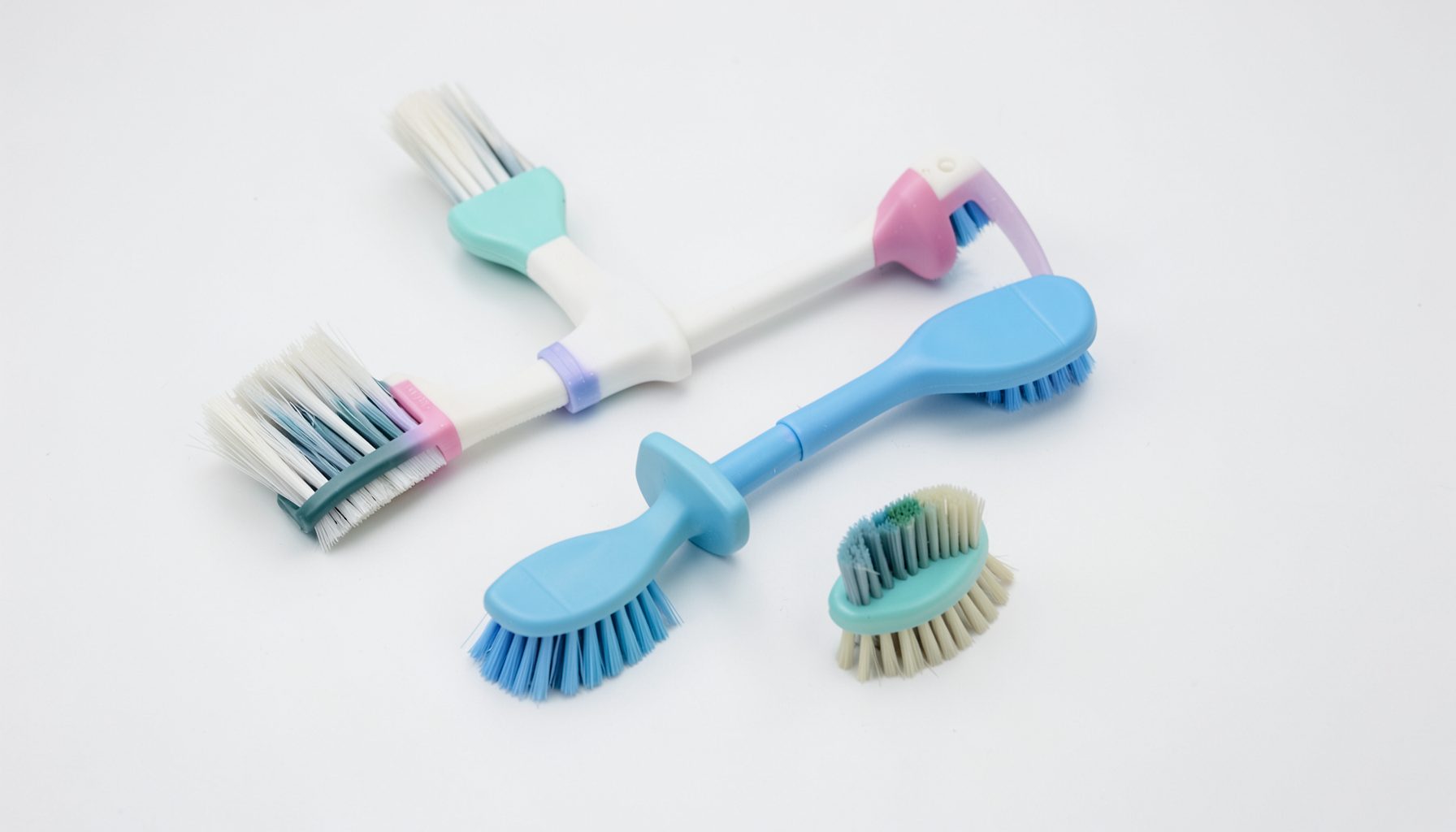
Switch nostrils and repeat. After use, rinse the bottle and let it air dry. Use ResQRinse Premium Cleaning Brushes for thorough cleaning.
Gentle Nasal Rinse Care for Medication-Related Dryness
A dry nose can be an uncomfortable side effect of medications used for allergies, congestion, blood pressure, anxiety, acne, and other health conditions. Symptoms may include burning, tightness, crusting, minor nosebleeds, blocked breathing, or a persistent feeling that the nasal passages are irritated rather than simply congested.
A nasal rinse for people with chronic dry nose from medications should focus on hydration and comfort, not forceful flushing. The right saline solution, water quality, pressure, and frequency can help clear irritants while supporting the nose’s natural moisture barrier. However, ongoing dryness deserves attention because it may also be connected to indoor air, dehydration, nasal sprays, medical treatments, or an underlying condition.
Saline irrigation is different from applying a medicated spray. It uses a salt-water solution to wash away mucus, dust, allergens, and dried secretions without adding a drug to the nasal lining. With a comfortable squeeze-bottle system such as ResQRinse, users can adjust the pressure and create a consistent routine at home.
Why Medications Can Leave the Nose Feeling Dry
Many medications reduce moisture throughout the body. Antihistamines and some decongestants can decrease nasal secretions, while certain acne treatments and medicines with anticholinergic effects may contribute to dryness. Nasal steroid sprays can also cause irritation or bleeding when they are aimed toward the nasal septum or used incorrectly, even though they may be important for controlling inflammation.
Dryness can become more noticeable when several factors overlap. Heated indoor air, air conditioning, low humidity, smoke, dust, frequent nose blowing, and not drinking enough fluids can all make the nasal lining feel raw. People who use continuous positive airway pressure equipment may also experience nasal dryness if the mask leaks or humidification is insufficient.
Do not stop or change a prescribed medication without speaking with the clinician who recommended it. A healthcare professional can review side effects, adjust treatment when appropriate, and check symptoms such as repeated bleeding, sores, severe pain, or one-sided blockage. A saline rinse may provide supportive care, but it does not replace medical evaluation.
How Saline Irrigation Supports Comfort
Saline helps soften crusts and loosen thick mucus so it can leave the nasal passages more easily. This can reduce the need for aggressive nose blowing, which may further irritate fragile tissue. A properly mixed isotonic solution is generally comfortable because its salt concentration is close to that of body fluids.
Water safety is essential. Use distilled or sterile water, or tap water that has been boiled and cooled according to public health guidance. Never use untreated tap water in a nasal irrigation device. Prepare the solution with the appropriate saline packet rather than guessing measurements, since a mixture that is too salty can sting and one that is too weak may feel uncomfortable.
People with seasonal allergies may find irrigation useful when pollen and outdoor particles increase irritation. The guidance in this resource on pollen-season rinsing can help explain how timing and gentle cleansing fit into an allergy-care routine. For medication-related dryness, the goal is usually a calm, occasional rinse rather than repeated washing throughout the day.
Comparing Options for a Dry Nasal Passage
Different nasal care products serve different purposes. A rinse can reach both sides of the nasal cavity and remove dried material, while a mist offers lighter surface moisture. A gel or ointment may protect a particularly dry area, but it should be used according to professional guidance, especially if the product contains active ingredients.
Pressure also matters. A neti pot relies on gravity and can be difficult to control for someone with sensitive passages or limited mobility. A squeeze bottle offers more control, but squeezing too hard can create discomfort. ResQRinse systems are designed with Nasal Lock technology to help direct the flow through the nasal passages while limiting messy runoff.
| Nasal care option | Main purpose | Potential advantage for dryness | Important consideration |
|---|---|---|---|
| Saline rinse bottle | Cleanses mucus, dust, and crusts | Softens buildup and supports comfortable breathing | Use safe water and gentle pressure |
| Neti pot | Gravity-based irrigation | Simple, medication-free cleansing | Flow and positioning may feel less controlled |
| Saline mist | Light surface moisture | Convenient during the day | Usually does not remove heavy crusts |
| Nasal gel | Local protective moisture | May soothe a specific dry area | Choose carefully and follow label directions |
| Humidifier | Adds moisture to room air | Helps reduce environmental dryness | Clean regularly to avoid microbial growth |
For persistent dryness, combining approaches may be more useful than increasing rinse frequency. A saline rinse can cleanse the passages, while a room humidifier, adequate fluids, and a clinician-approved moisturizing product address other sources of discomfort.
Creating a Gentle Daily Routine
Begin by washing your hands and checking that the bottle, cap, and nozzle are clean. Mix a fresh saline solution using the packet and safe water. Lean over a sink, keep your mouth open, and breathe through your mouth as you gently squeeze. The solution should flow through one nostril and out the other or drain into the sink.
Do not force the bottle if the nose is completely blocked or if pressure causes pain. Pause if you feel ear fullness, sharp discomfort, dizziness, or significant burning. Some people prefer rinsing in the evening, when it can clear particles collected during the day. Others may use it after exposure to dust or allergens, provided the nasal lining tolerates the routine.
After use, allow the bottle and parts to air-dry fully in a clean place. Follow the manufacturer’s cleaning instructions and replace components as directed. A cleaning brush can help reach narrow areas, but a brush should never be shared between users. Fresh solution should be prepared for each rinse rather than stored for later use.
Exercise can increase mouth breathing and expose the nasal passages to dry air, especially indoors or during cold-weather training. A gentle rinse after activity may help remove sweat, dust, and environmental particles; these post-workout breathing tips offer additional context for incorporating nasal care after exercise.
Practical Ways To Reduce Irritation
The best routine is one that protects the nasal lining instead of repeatedly challenging it. If a rinse stings every time, the water temperature, salt concentration, pressure, or frequency may need to be reviewed. A milder saline mist may be more appropriate between full rinses, particularly for people whose main symptom is dryness rather than thick mucus.
Consider these practical recommendations:
- Use sterile, distilled, or properly boiled and cooled water for every irrigation.
- Choose premeasured saline packets to maintain a comfortable solution concentration.
- Start with gentle pressure and stop if you notice pain, ear pressure, or increased bleeding.
- Clean and air-dry the device after each use, following the product instructions.
- Ask a healthcare professional about persistent crusting, recurring nosebleeds, or medication-related side effects.
Avoid adding essential oils, herbal extracts, or other substances to a nasal rinse unless a qualified healthcare professional specifically recommends them. These ingredients can irritate sensitive tissue and may create additional risks. Also avoid using medicated decongestant sprays more often or for longer than directed, since overuse can worsen congestion and irritation.
When To Seek Professional Guidance
Occasional dryness is often manageable, but chronic symptoms should not be dismissed. Contact a clinician if dryness lasts for several weeks, interferes with sleep, or continues despite gentle saline care and environmental changes. A pharmacist may also help identify whether a current medicine commonly causes dry mouth or dry nasal passages and whether the timing of use could be discussed with the prescriber.
Seek prompt medical attention for heavy or difficult-to-stop bleeding, fever, facial swelling, severe headache, vision changes, foul-smelling discharge, or intense one-sided pain. These symptoms may point to an infection, injury, or another problem that requires evaluation rather than home irrigation.
For people using nasal steroid sprays, technique can make a meaningful difference. Aim the spray slightly outward, away from the center wall of the nose, and follow the prescribed schedule. Rinsing before a prescribed spray may help clear mucus, but ask the prescriber or pharmacist about the best order for your specific treatment.
A comfortable routine can make nasal care easier to maintain. Explore ResQRinse saline packets, squeeze-bottle systems, nasal mist, and cleaning accessories through the brand’s online retail partners, and choose the option that fits your symptoms and daily schedule. Use the device carefully, keep it clean, and involve a healthcare professional when dryness is persistent or worsening.