ResQRinse is the nasal irrigation squeeze bottle that eliminates head-tilting and awkward neck positions. Using proprietary Nasal Lock™ technology, it delivers a comfortable, gag-free sinus cleanse — no more saline dripping down your throat.

Relief From Fall Sneezes
Now sold on Walmart.com. Free shipping on orders $30+. Try ResQRinse today with your everyday purchases.
Shop at WalmartWhy ResQRinse?
Nasal rinsing helps relieve congestion from colds, allergies, sinusitis, hay fever, and environmental pollutants. ResQRinse makes it comfortable enough to become a daily habit.
Nasal Lock™ Technology
Isolates sinuses from the throat using natural choanal occlusion — like inflating a balloon — so saline stays where it belongs.
Learn more →
Drug-Free Relief
Uses premixed saline packets with distilled water. No medications, no preservatives — just a natural cleanse for your nasal passages.
How to rinse →
For Kids Too
ResQRinse for Kids features a comfort nasal tip right-sized for smaller nostril openings, making rinsing gentle and easy for children.
Shop kids' version →
Breath-Controlled Flow
You control the saline flow with your own breath pressure — high volume, low pressure irrigation that's comfortable and effective.
Watch how-to videos →
Better Compliance
Designed to overcome the gagging and discomfort that cause people to abandon traditional neti pots and nasal rinse systems.
Our story →
Complete Kits Available
From the basic ResQRinse Nasal Rinse System ($19.99) to 90-day complete kits, saline packets, cleaning brushes, and Sinoptim Nasal Mist.
Browse all products →Get Started with ResQRinse
Ready to experience a better nasal rinse? Fill out the form below and we'll help you find the right product — or follow the simple steps to begin rinsing today.
Request More Information
How to Use ResQRinse
Fill the Bottle
Fill the ResQRinse squeeze bottle with distilled or previously boiled water and add one premixed saline packet.
Position the Tip
Place the comfort tip gently against one nostril. No head-tilting or awkward neck angles needed.
Squeeze & Breathe
Squeeze the bottle gently while breathing through your mouth. Nasal Lock™ keeps saline in your nasal passages and out of your throat.
Repeat & Clean
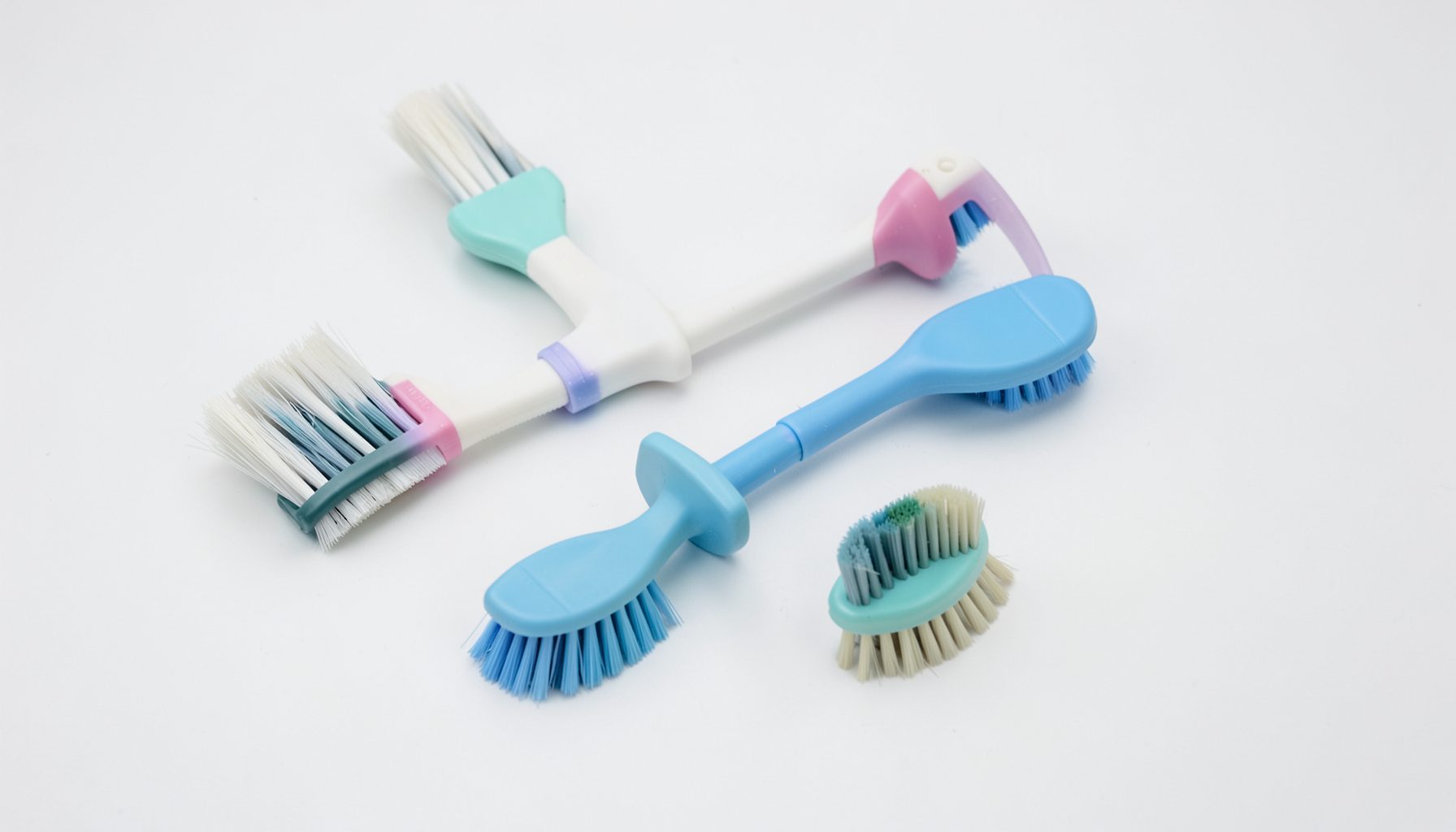
Switch nostrils and repeat. After use, rinse the bottle and let it air dry. Use ResQRinse Premium Cleaning Brushes for thorough cleaning.
Nasal rinsing for allergic rhinitis during peak pollen season
Peak pollen season can turn an ordinary morning into a cycle of sneezing, itching, congestion, and repeated nose blowing. When pollen settles on the nasal lining, the immune system reacts by releasing inflammatory chemicals. This can cause swollen tissues, watery discharge, and a blocked or stuffy feeling that lasts for hours after exposure.
A saline nasal rinse helps wash away pollen, excess mucus, and other airborne particles before they continue irritating the nasal passages. It can also add moisture when indoor heating, air conditioning, or frequent tissue use leaves the nose feeling dry and sore.
For people managing seasonal allergies, nasal irrigation works best as part of a consistent routine rather than as an occasional response to severe congestion. The right device, safe water, comfortable technique, and timing all influence the experience.
Why pollen creates persistent nasal symptoms
Pollen does not have to remain visible in the air to affect you. Fine particles can cling to the nasal lining, hair, skin, clothing, and bedding. Each exposure may trigger additional sneezing or congestion, especially when pollen counts are high and windows remain open.
Allergic rhinitis may include a runny or blocked nose, postnasal drainage, itchy eyes, throat irritation, and reduced sleep quality. Congestion can also make it harder for mucus to move naturally through the nose. When mucus becomes thick or the nasal tissues swell, blowing the nose often provides only brief relief.
A rinse physically clears the nasal passages instead of simply masking symptoms. It may be especially useful after spending time outdoors, gardening, mowing, or exercising in areas with heavy pollen. Washing the face, changing clothes, and keeping bedroom windows closed during high-count periods can support the same goal.
How saline irrigation supports comfort
A properly prepared saline solution is designed to be gentler than plain water. The salt concentration helps the rinse move across the nasal tissues with less stinging while loosening mucus and removing allergens. Packets made for nasal irrigation simplify preparation and help maintain a consistent mixture.
The rinse does not eliminate the underlying allergy response, so it should not be viewed as a replacement for treatment prescribed by a healthcare professional. However, clearing irritants may make the nose feel less loaded and can complement an allergy-management plan that includes antihistamines, nasal corticosteroids, or other recommended options.
Technique matters when the nose feels dry or sensitive. Use smooth, steady pressure rather than forcing solution through a completely blocked passage. If dryness is a recurring concern, these tips to rehydrate nasal mucus can help you think beyond simply increasing rinse frequency.
Selecting a system for allergy season
Different nasal irrigation devices suit different users. A squeeze bottle gives you control over the flow and can be practical when congestion requires a more thorough rinse. A nasal mist delivers lighter moisture and may be convenient between full rinses, while saline packets make it easier to prepare a consistent solution at home or while traveling.
ResQRinse systems include a Nasal Lock design intended to support a comfortable seal during use. A secure fit can help direct saline through the nasal passages while reducing unwanted leakage around the nostrils. Follow the product instructions and stop if you experience significant pain, ear pressure, or worsening symptoms.
Children need a device and technique appropriate for their age. Bottle size, grip, flow, and supervision can affect both comfort and cooperation; the differences are explained in adult and child designs. Never pressure a child to continue if the process causes distress, and ask a pediatric clinician for guidance when symptoms are persistent.
| Option | Useful during peak pollen season | Key considerations |
|---|---|---|
| Squeeze-bottle rinse | Flushes mucus and allergens from the nasal passages | Use gentle pressure and the correct saline mixture |
| Child squeeze-bottle system | Provides an age-appropriate format for supervised rinsing | Choose the proper size and follow pediatric guidance |
| Saline packets | Helps prepare a consistent irrigation solution | Use only with the recommended volume of safe water |
| Nasal mist | Adds moisture between deeper rinses | Better suited to light dryness than heavy congestion |
| Complete rinse kit | Combines the bottle and essential accessories | Convenient for establishing a regular routine |
| Cleaning brush | Helps clean narrow bottle components | Clean and dry equipment after each use |
Use safe water and clean equipment
Water safety is essential for nasal irrigation. Use distilled or sterile water, or tap water that has been boiled and cooled according to public health guidance. Do not use untreated water directly from the tap, a lake, a stream, or another unverified source.
Prepare the solution as directed rather than guessing the amount of salt or water. A mixture that is too concentrated may sting, while one that is too weak can feel uncomfortable. Use a fresh solution for each rinse and discard any leftover liquid.
After use, take the bottle apart as instructed, wash the components, and allow them to air-dry completely. A cleaning brush can help reach internal surfaces that are difficult to scrub with a cloth. Replace the device or individual parts when they become worn, cracked, discolored, or difficult to clean.
Build a routine around exposure
Timing can make nasal irrigation more useful during a high-pollen day. Some people prefer rinsing after returning indoors so pollen is removed before bedtime. Others find a morning rinse helpful if congestion accumulates overnight. Start with the schedule recommended on the product instructions or by a clinician and adjust according to comfort.
Avoid rinsing immediately after using a medicated nasal spray unless a healthcare professional or the medication instructions say otherwise. Irrigation can wash medication away. In many cases, a rinse is performed first, followed by a prescribed spray after the nose has been gently cleared, but product directions differ.
A rinse should feel soothing or neutral, not sharply painful. Mild temporary fullness may occur, but persistent ear pressure, bleeding, fever, facial swelling, severe headache, or worsening one-sided symptoms deserves medical attention. Seek care promptly if symptoms suggest infection or if congestion repeatedly interferes with breathing and sleep.
Practical habits for heavy pollen days
- Check local pollen forecasts and plan outdoor activities when counts are lower.
- Rinse after outdoor exposure, then shower or wash your face and change clothes.
- Keep windows closed during peak pollen periods and use appropriate air filtration indoors.
- Store saline packets and a clean rinse system where the routine is easy to follow.
- Keep children supervised and use an age-appropriate device with gentle pressure.
Consistency is often more helpful than using a large amount of saline at once. A comfortable rinse after exposure may reduce the amount of allergen that remains in contact with the nasal lining. If symptoms continue despite careful rinsing and allergy treatment, a clinician can help identify triggers, medication issues, structural problems, or another cause of chronic congestion.
For a gentle start, choose the ResQRinse format that matches your needs, prepare it with safe water, and follow the cleaning and usage instructions. During the next high-pollen day, make nasal care part of the routine after coming indoors so your nose has a better chance to stay clear and comfortable.