ResQRinse is the nasal irrigation squeeze bottle that eliminates head-tilting and awkward neck positions. Using proprietary Nasal Lock™ technology, it delivers a comfortable, gag-free sinus cleanse — no more saline dripping down your throat.

Relief From Fall Sneezes
Now sold on Walmart.com. Free shipping on orders $30+. Try ResQRinse today with your everyday purchases.
Shop at WalmartWhy ResQRinse?
Nasal rinsing helps relieve congestion from colds, allergies, sinusitis, hay fever, and environmental pollutants. ResQRinse makes it comfortable enough to become a daily habit.
Nasal Lock™ Technology
Isolates sinuses from the throat using natural choanal occlusion — like inflating a balloon — so saline stays where it belongs.
Learn more →
Drug-Free Relief
Uses premixed saline packets with distilled water. No medications, no preservatives — just a natural cleanse for your nasal passages.
How to rinse →
For Kids Too
ResQRinse for Kids features a comfort nasal tip right-sized for smaller nostril openings, making rinsing gentle and easy for children.
Shop kids' version →
Breath-Controlled Flow
You control the saline flow with your own breath pressure — high volume, low pressure irrigation that's comfortable and effective.
Watch how-to videos →
Better Compliance
Designed to overcome the gagging and discomfort that cause people to abandon traditional neti pots and nasal rinse systems.
Our story →
Complete Kits Available
From the basic ResQRinse Nasal Rinse System ($19.99) to 90-day complete kits, saline packets, cleaning brushes, and Sinoptim Nasal Mist.
Browse all products →Get Started with ResQRinse
Ready to experience a better nasal rinse? Fill out the form below and we'll help you find the right product — or follow the simple steps to begin rinsing today.
Request More Information
How to Use ResQRinse
Fill the Bottle
Fill the ResQRinse squeeze bottle with distilled or previously boiled water and add one premixed saline packet.
Position the Tip
Place the comfort tip gently against one nostril. No head-tilting or awkward neck angles needed.
Squeeze & Breathe
Squeeze the bottle gently while breathing through your mouth. Nasal Lock™ keeps saline in your nasal passages and out of your throat.
Repeat & Clean
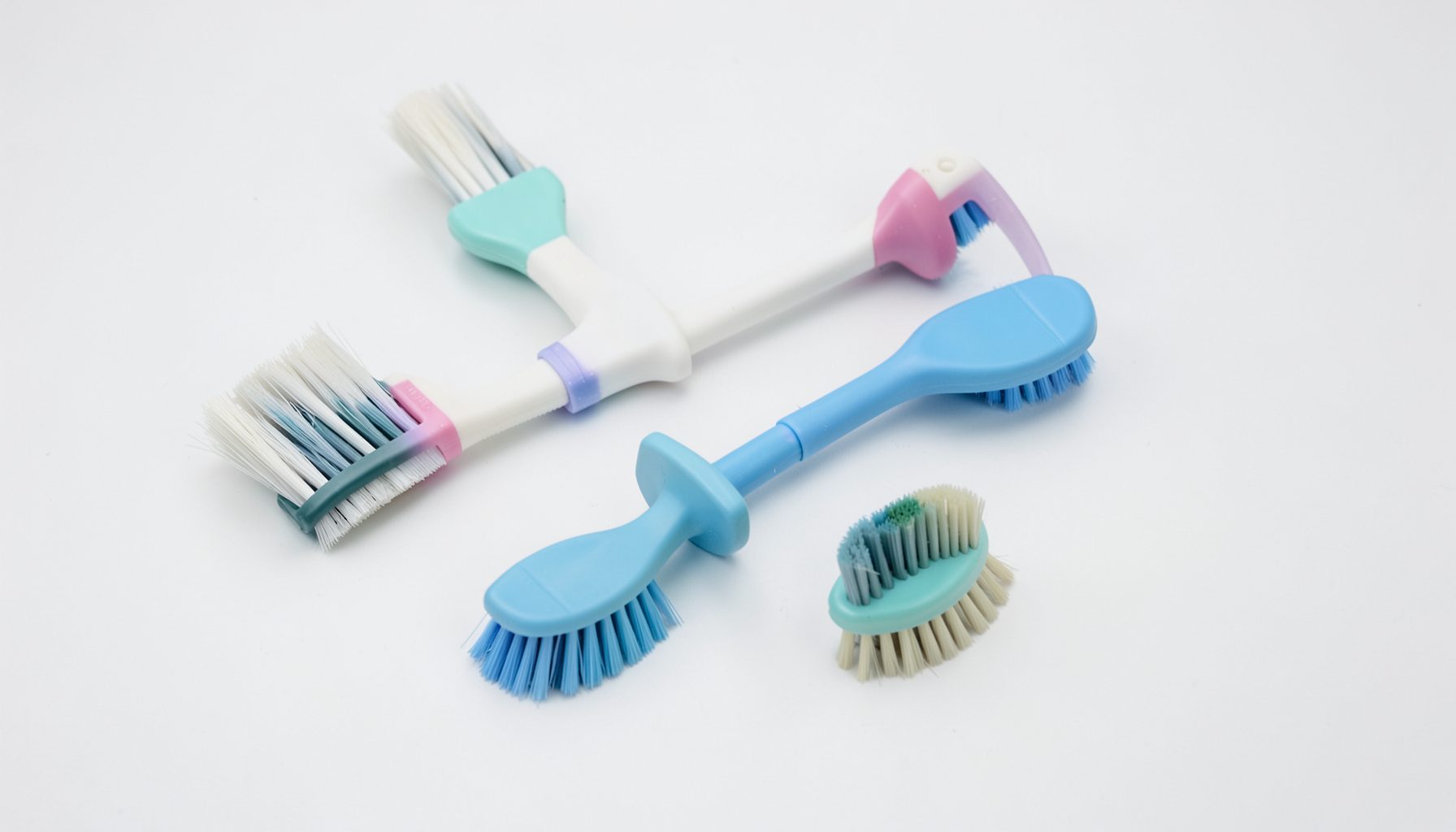
Switch nostrils and repeat. After use, rinse the bottle and let it air dry. Use ResQRinse Premium Cleaning Brushes for thorough cleaning.
Sinus Rinse For Workout Recovery And Easier Breathing
Hard training can leave more than tired muscles behind. Exercise increases airflow through the nose, exposes you to dry indoor air or outdoor allergens, and may stir up dust, pollen, and other irritants. After a run, cycling session, or gym workout, the result can be a stuffy nose, post-nasal drip, sinus pressure, or breathing that feels less efficient.
A nasal irrigation routine can help wash away mucus and unwanted particles from the nasal passages. When congestion is reduced, breathing may feel smoother during cooldown and recovery. A rinse does not replace medical care or improve athletic performance by itself, but it can support everyday comfort when nasal symptoms interfere with rest, hydration, and sleep.
For active people, the best approach is simple, consistent, and hygienic. Choosing the right system, using safe water, and timing the rinse appropriately can make nasal care an easy part of a broader recovery routine.
Why Exercise Can Affect Nasal Breathing
Physical activity increases ventilation, so the nose processes a larger volume of air. During intense training, many people shift toward mouth breathing, especially when congestion, cold air, or high exertion makes nasal airflow feel restricted. This can leave the mouth and throat dry while the nasal passages remain irritated or swollen.
Outdoor workouts add environmental triggers. Pollen, smoke, pollution, dust, and changing humidity can collect around the nasal openings and contribute to inflammation. Indoor facilities may expose athletes to chalk, cleaning products, fans, or dry heated air. Swimmers can also experience irritation from chlorinated pool environments.
A saline rinse helps flush loosened mucus and surface irritants. It may also moisturize the nasal lining, which can be useful after exercise in dry conditions. The goal is comfortable clearance rather than forcing pressure through blocked passages. Gentle technique matters, especially when the nose feels tender after strenuous activity.
How A Rinse Fits Into Workout Recovery
The most convenient time for nasal irrigation is often after training, once breathing and heart rate have begun to settle. Rinsing after an outdoor session may remove pollen and airborne particles before they remain in contact with the nasal lining for hours. Some people also prefer a rinse before bed, particularly when nighttime congestion affects sleep.
Better nasal comfort can support recovery indirectly. Clearer breathing may make it easier to relax during cooldown, drink fluids, and sleep comfortably. Sleep remains central to muscle repair, immune function, and energy restoration, so reducing a minor source of irritation can be worthwhile.
A rinse can also be useful before exercise when congestion is already present. However, it should not become a way to push through serious illness, chest symptoms, dizziness, or breathing difficulty. If a workout causes wheezing, unusual shortness of breath, facial swelling, severe pain, or symptoms that keep returning, consult a healthcare professional rather than relying on saline irrigation alone.
Selecting The Right Nasal Irrigation System
Squeeze-bottle systems allow users to control the flow with gentle hand pressure. They are often easier to position than a traditional neti pot and can provide a steady stream through one nostril and out the other. A well-designed seal around the nose can reduce leaking and make the process feel more controlled.
ResQRinse systems use Nasal Lock technology to help create a comfortable fit during irrigation. This can be especially helpful for people who want a secure seal without pressing the bottle aggressively against the face. Comfort encourages consistency, and a system that is easy to use after a workout is more likely to become part of a regular routine.
For families, children’s systems and appropriately sized tips can make nasal care less intimidating. Saline packets simplify preparation by providing a measured blend intended for use with the rinse bottle. Cleaning brushes and complete kits can also reduce the chance that maintenance will be overlooked.
| Option | Useful For | Main Consideration |
|---|---|---|
| Squeeze-bottle rinse | Post-workout congestion and daily sinus care | Use gentle pressure and clean the bottle after each use |
| Traditional neti pot | Users who prefer gravity-fed rinsing | Requires careful head positioning and can feel less intuitive |
| Saline packets | Convenient, consistent mixing | Follow the package directions and use the correct water volume |
| Nasal mist | Light moisture and on-the-go comfort | Offers less flushing than a full irrigation |
| Children’s rinse system | Family nasal care with a smaller fit | Use only with age-appropriate guidance and supervision |
Safe Use Matters More Than Strong Flow
Always use distilled, sterile, or previously boiled and cooled water for nasal irrigation. Tap water may contain organisms that are safe to drink but unsafe to introduce into the nasal passages. Use the saline packet or recipe recommended by the product manufacturer, since overly concentrated or weak solutions can sting.
Wash your hands before preparing the rinse. After use, empty the bottle, wash the components as directed, and allow them to air-dry fully. A cleaning brush can help reach internal areas where residue may collect. Replace the system or parts according to the manufacturer’s care instructions, especially if components become cracked, cloudy, or difficult to clean.
Keep the pressure comfortable. A rinse should not cause sharp ear pain, intense burning, or significant bleeding. Stop if symptoms worsen. People with recurrent ear problems, recent nasal surgery, severe blockage, or conditions affecting immune function should ask a clinician whether irrigation is appropriate. Anyone with ear tubes should review specialized guidance, including this information about ear tubes and nasal rinsing, before starting.
Timing And Technique For Active Lifestyles
Avoid rinsing immediately before lying down, since a small amount of saline may continue draining afterward. After the rinse, gently blow the nose without force. Give yourself enough time before a workout, race, or class so any remaining fluid can clear comfortably.
For post-exercise use, wait until you are no longer breathing heavily. Prepare the solution, lean over a sink, and keep the mouth open while allowing the saline to flow. The head should be tilted according to the product directions rather than tipped sharply backward. Let the solution move at a steady, comfortable pace.
Do not share a bottle or nozzle, even within the same household. Label personal systems when several people use similar products. If nasal symptoms are caused by seasonal allergies, a rinse may work well alongside other measures recommended by a healthcare provider, such as reducing exposure, showering after outdoor activity, or using prescribed medication.
Practical Recommendations For Better Breathing
- Rinse after outdoor workouts when pollen, dust, smoke, or pollution may have irritated the nasal passages.
- Use sterile, distilled, or boiled-and-cooled water, and mix saline exactly as directed.
- Choose a comfortable squeeze bottle with a secure seal so you do not need excessive pressure.
- Clean, dry, and inspect the system after every use to support hygienic nasal care.
- Stop and seek medical advice for severe pain, repeated nosebleeds, ear discomfort, fever, or persistent breathing problems.
Make Nasal Care Part Of Recovery
A nasal rinse can be a small step with a practical role in post-workout comfort. By clearing mucus and surface irritants, it may help you breathe more comfortably during cooldown, settle into sleep, and manage congestion linked to allergens or dry air. It works best as part of a complete recovery plan that includes hydration, rest, gradual training, and appropriate medical care.
Choose a system that feels easy to control, keep the routine gentle, and follow safe water and cleaning practices every time. Explore ResQRinse rinse systems, saline packets, nasal mist, and care accessories through the brand’s online retail channels, then make comfortable nasal breathing part of your next recovery routine.