ResQRinse is the nasal irrigation squeeze bottle that eliminates head-tilting and awkward neck positions. Using proprietary Nasal Lock™ technology, it delivers a comfortable, gag-free sinus cleanse — no more saline dripping down your throat.

Relief From Fall Sneezes
Now sold on Walmart.com. Free shipping on orders $30+. Try ResQRinse today with your everyday purchases.
Shop at WalmartWhy ResQRinse?
Nasal rinsing helps relieve congestion from colds, allergies, sinusitis, hay fever, and environmental pollutants. ResQRinse makes it comfortable enough to become a daily habit.
Nasal Lock™ Technology
Isolates sinuses from the throat using natural choanal occlusion — like inflating a balloon — so saline stays where it belongs.
Learn more →
Drug-Free Relief
Uses premixed saline packets with distilled water. No medications, no preservatives — just a natural cleanse for your nasal passages.
How to rinse →
For Kids Too
ResQRinse for Kids features a comfort nasal tip right-sized for smaller nostril openings, making rinsing gentle and easy for children.
Shop kids' version →
Breath-Controlled Flow
You control the saline flow with your own breath pressure — high volume, low pressure irrigation that's comfortable and effective.
Watch how-to videos →
Better Compliance
Designed to overcome the gagging and discomfort that cause people to abandon traditional neti pots and nasal rinse systems.
Our story →
Complete Kits Available
From the basic ResQRinse Nasal Rinse System ($19.99) to 90-day complete kits, saline packets, cleaning brushes, and Sinoptim Nasal Mist.
Browse all products →Get Started with ResQRinse
Ready to experience a better nasal rinse? Fill out the form below and we'll help you find the right product — or follow the simple steps to begin rinsing today.
Request More Information
How to Use ResQRinse
Fill the Bottle
Fill the ResQRinse squeeze bottle with distilled or previously boiled water and add one premixed saline packet.
Position the Tip
Place the comfort tip gently against one nostril. No head-tilting or awkward neck angles needed.
Squeeze & Breathe
Squeeze the bottle gently while breathing through your mouth. Nasal Lock™ keeps saline in your nasal passages and out of your throat.
Repeat & Clean
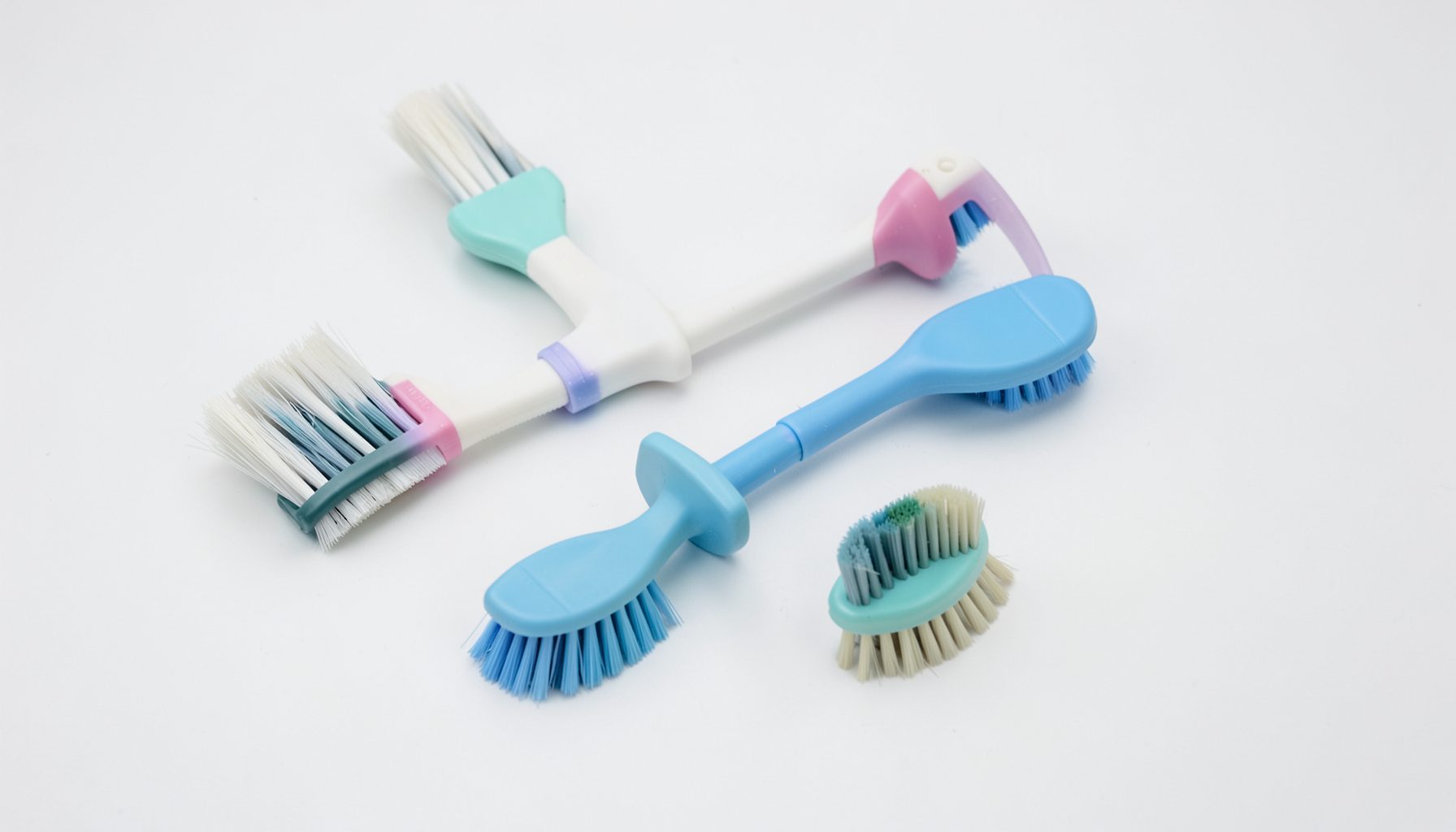
Switch nostrils and repeat. After use, rinse the bottle and let it air dry. Use ResQRinse Premium Cleaning Brushes for thorough cleaning.
Nasal rinse for dry sinus symptoms in winter
Cold weather can make the nose feel tight, irritated, and unusually congested. Indoor heating removes moisture from the air, while freezing outdoor temperatures can trigger increased mucus production and sensitivity. Together, these conditions may cause crusting, postnasal drip, sneezing, or a blocked feeling even when you do not have an infection.
A saline nasal rinse can wash away thick mucus, airborne particles, and allergens while adding moisture to dry nasal passages. Used correctly, nasal irrigation may provide temporary relief and support clearer breathing without relying on medicated decongestant sprays.
The most comfortable winter routine depends on safe water, balanced saline, gentle pressure, and a frequency that suits your symptoms. A squeeze-bottle system such as ResQRinse can make the process easier to control, especially for people who find traditional neti pots awkward.
Why winter air dries nasal passages
Indoor furnaces and heaters lower relative humidity, causing moisture to evaporate from the nasal lining. The nose normally warms, filters, and humidifies every breath, so dry air places extra demand on this delicate tissue. When the lining becomes dehydrated, mucus can turn thicker and harder to clear.
Winter also brings frequent exposure to dust, pet dander, indoor mold, and seasonal viruses. These irritants can inflame the nasal passages and cause the tissues to swell. A person may feel congested while producing little mucus, or experience alternating dryness and excess drainage.
Dryness can be more noticeable after sleeping in a heated room. Mouth breathing caused by nighttime congestion further reduces comfort and may leave the throat dry in the morning. A humidifier, adequate fluids, and gentle nasal care can complement saline irrigation, although persistent symptoms deserve medical evaluation.
How saline irrigation supports moisture and drainage
Saline solution helps loosen thick secretions so they can move out of the nasal passages more easily. It also rinses away pollen, dust, and other particles that may contribute to nasal irritation. Unlike plain water, a properly mixed saline solution is designed to be more comfortable for nasal tissue.
Follow the preparation directions supplied with the rinse system and use distilled, sterile, or previously boiled and cooled water. Tap water should not be used unless it has been treated according to public health guidance. Clean water is essential because the rinse travels through sensitive nasal passages.
A balanced saline packet can make preparation more consistent than measuring salt at home. ResQRinse explains its product design and comfortable rinse approach, including features intended to help direct flow smoothly. The aim is a controlled wash rather than forceful pressure.
Use a gentle technique for better comfort
Begin over a sink and lean slightly forward, keeping the mouth open so you can breathe comfortably. Place the nozzle securely against one nostril, then squeeze or pour gently according to the product instructions. The solution should travel through the nasal passage and exit from the other nostril or the mouth.
Do not force the rinse if one side is completely blocked, if you feel sharp pain, or if pressure develops in the ears. Pause, adjust your head position, and try less pressure. A nasal rinse should feel mild and relieving; burning, intense pressure, or worsening discomfort suggests that the technique or solution needs attention.
Afterward, allow the remaining liquid to drain without aggressive nose-blowing. Blow gently, one side at a time, and wash the bottle, nozzle, or neti pot as directed. Let components dry fully before storing them. Children should use an age-appropriate system with adult supervision.
| Nasal care option | Main benefit | Winter limitation | Suitable use |
|---|---|---|---|
| Saline rinse | Flushes mucus, allergens, and irritants while adding moisture | Requires safe water, preparation, and cleaning | Congestion, thick mucus, allergy-related irritation |
| Saline mist | Convenient light moisture for dry nasal passages | Does not provide the same flushing action | On-the-go dryness and maintenance |
| Humidifier | Raises moisture in indoor air | Needs regular cleaning to prevent buildup | Bedroom dryness and overnight comfort |
| Medicated decongestant spray | May reduce swelling quickly | Overuse can cause rebound congestion | Short-term use when advised by a clinician |
Balance relief with the right frequency
More rinsing is not automatically better. Frequent irrigation can leave some people feeling raw, especially when the solution is too concentrated, too dilute, too warm, or delivered with excessive force. Dryness may also worsen if the nasal lining is repeatedly disturbed without enough time to recover.
Many people begin with one rinse daily during a period of congestion or heavy irritant exposure, then reduce use as symptoms improve. Product directions and advice from a healthcare professional should guide the schedule. People with recent nasal surgery, frequent nosebleeds, structural nasal problems, or chronic medical conditions should ask a clinician before starting.
Pay attention to changes after each use. Mild temporary drainage is common, but ongoing burning, bleeding, ear fullness, facial pain, or increased congestion should not be ignored. The guidance on signs of over-rinsing can help distinguish a useful routine from one that is becoming irritating.
Build a simple cold-weather routine
A consistent routine is easier to maintain when it fits naturally into the day. Some people prefer rinsing after returning indoors, when pollen and dust may be on the nasal lining. Others find a morning rinse useful for clearing overnight mucus or an evening rinse helpful after exposure to dry heated air.
Keep all rinse supplies together, and prepare only the amount needed according to the instructions. Do not share bottles or nozzles. Replace components when recommended, and inspect them for residue, cracks, or wear. A complete kit with saline packets and cleaning tools can simplify regular care, while a nasal mist may be convenient between full rinses.
Useful habits for winter nasal comfort include:
- Use distilled, sterile, or properly boiled and cooled water.
- Mix saline exactly as directed rather than guessing the salt amount.
- Rinse gently and stop if you experience pain, bleeding, or ear pressure.
- Clean and air-dry the irrigation device after every use.
- Pair nasal care with indoor humidity control and adequate hydration.
Allergy symptoms may overlap with winter dryness, particularly in heated homes. If sneezing, itching, watery eyes, or recurring congestion are prominent, targeted allergy management may be needed alongside irrigation. A clear step-by-step rinse plan can help organize nasal care when environmental triggers are part of the problem.
Know when dryness needs medical attention
A dry, blocked nose often improves with moisture and gentle saline care, but not every symptom is caused by winter air. Symptoms lasting several weeks, recurring facial pressure, reduced sense of smell, fever, or thick discolored drainage may point to sinus inflammation or another condition requiring professional assessment.
Seek prompt medical guidance for severe facial swelling, intense headache, vision changes, high fever, breathing difficulty, or symptoms that worsen rapidly. Repeated nosebleeds and significant ear pain also warrant evaluation. A healthcare professional can determine whether allergies, infection, medication effects, a deviated septum, or another issue is contributing.
For everyday winter dryness, choose a rinse system that feels easy to hold and control. ResQRinse offers squeeze-bottle options, children’s versions, saline packets, cleaning brushes, complete kits, and nasal mist through online retail channels. Follow the instructions carefully, make safety the foundation of the routine, and use saline irrigation as one part of broader winter sinus care.