ResQRinse is the nasal irrigation squeeze bottle that eliminates head-tilting and awkward neck positions. Using proprietary Nasal Lock™ technology, it delivers a comfortable, gag-free sinus cleanse — no more saline dripping down your throat.

Relief From Fall Sneezes
Now sold on Walmart.com. Free shipping on orders $30+. Try ResQRinse today with your everyday purchases.
Shop at WalmartWhy ResQRinse?
Nasal rinsing helps relieve congestion from colds, allergies, sinusitis, hay fever, and environmental pollutants. ResQRinse makes it comfortable enough to become a daily habit.
Nasal Lock™ Technology
Isolates sinuses from the throat using natural choanal occlusion — like inflating a balloon — so saline stays where it belongs.
Learn more →
Drug-Free Relief
Uses premixed saline packets with distilled water. No medications, no preservatives — just a natural cleanse for your nasal passages.
How to rinse →
For Kids Too
ResQRinse for Kids features a comfort nasal tip right-sized for smaller nostril openings, making rinsing gentle and easy for children.
Shop kids' version →
Breath-Controlled Flow
You control the saline flow with your own breath pressure — high volume, low pressure irrigation that's comfortable and effective.
Watch how-to videos →
Better Compliance
Designed to overcome the gagging and discomfort that cause people to abandon traditional neti pots and nasal rinse systems.
Our story →
Complete Kits Available
From the basic ResQRinse Nasal Rinse System ($19.99) to 90-day complete kits, saline packets, cleaning brushes, and Sinoptim Nasal Mist.
Browse all products →Get Started with ResQRinse
Ready to experience a better nasal rinse? Fill out the form below and we'll help you find the right product — or follow the simple steps to begin rinsing today.
Request More Information
How to Use ResQRinse
Fill the Bottle
Fill the ResQRinse squeeze bottle with distilled or previously boiled water and add one premixed saline packet.
Position the Tip
Place the comfort tip gently against one nostril. No head-tilting or awkward neck angles needed.
Squeeze & Breathe
Squeeze the bottle gently while breathing through your mouth. Nasal Lock™ keeps saline in your nasal passages and out of your throat.
Repeat & Clean
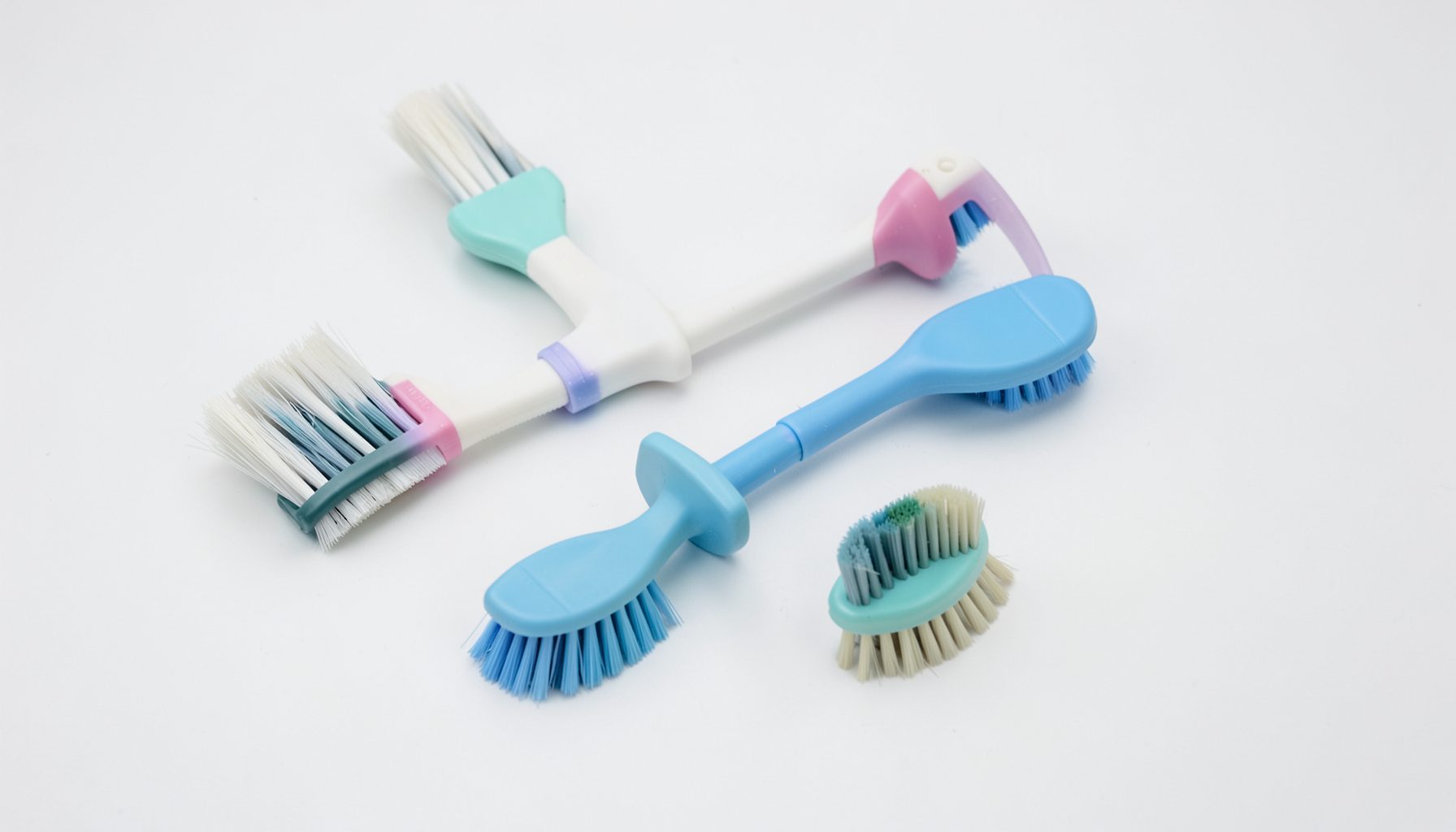
Switch nostrils and repeat. After use, rinse the bottle and let it air dry. Use ResQRinse Premium Cleaning Brushes for thorough cleaning.
Breathing easier when bushfire and campfire smoke settle in
Australia's relationship with smoke is complicated. Whether it is the summer bushfire haze that drifts over Sydney Harbour, the long-burning peat fires that linger in the Gippsland region, or the cheerful crackle of a campfire after a day hiking in the Grampians, smoke is a recurring feature of life outdoors. Health authorities like NSW Health and the Australian Department of Health regularly issue warnings when PM2.5 levels spike, and for good reason. Fine particulate matter penetrates deep into the airways, where it irritates membranes, triggers inflammation, and leaves many people reaching for tissues for days afterward. Nasal saline irrigation is one of the simplest tools available for clearing those irritants, and Australians from Brisbane to Perth are increasingly keeping a rinse bottle on hand during high-risk months.
Unlike a neti pot that relies on gravity, a modern squeeze-bottle system gives users control over pressure and flow, which matters when the sinuses are already tender from smoke exposure. A gentle saline stream can remove trapped soot, dried mucus, and allergens before they settle deeper into the respiratory tract. The practice has been used in ayurvedic and yogic traditions for centuries, but it has gained mainstream acceptance in clinical settings around the world. For families dealing with smoky summers or weekend trips to the bush, understanding how to use a rinse properly is becoming an everyday skill.
How bushfire smoke reaches deep into the airways
When bushfires burn through eucalyptus forests in the Blue Mountains or the Adelaide Hills, the smoke carries a mixture of gases, ash, and microscopic particles. The smallest of those particles, known as PM2.5, measure less than 2.5 micrometres across, which is small enough to bypass the nose's natural filtering system and reach the lower lungs. The nose and sinuses act as the first line of defence, but they can become overwhelmed during prolonged exposure. Membranes swell, mucus thickens, and the cilia that normally sweep debris along become sluggish.
According to monitoring data published by state environmental agencies during fire season, even healthy adults report scratchy throats, sinus pressure, and persistent congestion. Children, the elderly, and people with asthma often notice symptoms sooner. After the 2019–2020 Black Summer fires, researchers at the University of Tasmania and other institutions documented increased presentations for respiratory complaints in regions where the smoke lingered for weeks. The pattern repeats every few years, sometimes locally, sometimes across entire states. Anything that helps the upper airways recover faster is worth knowing about.
Campfire smoke and bushfire smoke are not the same problem
A weekend campfire in the Otways or a backyard fire pit in suburban Perth produces a different kind of irritation than a towering bushfire front. Wood smoke from a small fire contains larger particles, water vapour, and combustion by-products that mostly settle in the nose and throat. The discomfort is real but usually short-lived, clearing within hours once the fire dies down. Bushfire smoke, by contrast, can hang in the air for days as fine particulate, with concentrations reaching hazardous levels even in suburbs well away from the fire front.
The body responds to both, and a saline rinse can be useful in either case. After an evening around the fire pit, a quick rinse before bed often clears the smoky residue that has settled in the nasal passages. After a multi-day bushfire event, more frequent rinsing may be needed, especially for those who have been outdoors clearing debris, checking on livestock, or assisting with community efforts. The key difference is duration: a single rinse handles a campfire, while a bushfire may call for several days of twice-daily flushing. Australians heading into remote areas for camping should also keep in mind that smoke from neighbouring campfires, and even from cooking stoves, can accumulate in tented sleeping areas overnight.
What saline irrigation actually does for smoky airways
Saline rinses work by gently flooding the nasal passages with a salt-water solution that matches the body's natural salinity. As the liquid passes through, it loosens dried mucus, lifts embedded particles, and soothes irritated tissue. The mechanical action is straightforward, yet the relief can be noticeable within minutes. Many users describe easier breathing, reduced pressure behind the eyes, and fewer sinus headaches afterwards.
A squeeze-bottle rinse offers advantages over gravity-based methods. The user controls the pressure, which means a gentler flow for inflamed membranes or a stronger stream for stubborn congestion. ResQRinse's squeeze-bottle system, in particular, uses a feature the brand calls Nasal Lock technology to prevent backflow and keep the solution moving in one direction. That design matters when dealing with smoke-exposed sinuses, where forceful or uncontrolled flow could push irritants further in. People curious about why some rinses leave them feeling stuffier rather than clearer can learn more about preventing post-rinse stuffiness and how small technique tweaks often make the difference.
Timing and frequency during a smoke event
Knowing when to rinse matters as much as knowing how. The most useful rinse is often the one taken soon after exposure, before the mucus has hardened around any trapped particles. For commuters in cities like Melbourne or Canberra who walk or cycle through smoky streets, an evening rinse can remove the day's accumulated debris. Outdoor workers, including farmers in the Riverina and tradies across the Hunter Valley, may benefit from rinsing at the end of a shift rather than waiting until symptoms flare.
During peak fire danger days, when the air quality index climbs above 100, limiting outdoor activity is the priority. When that is not possible, rinsing both morning and evening for several days in a row helps the sinuses keep up. Children returning from school activities on smoky afternoons can be encouraged to rinse as soon as they get home, which is also a good moment for teaching nose-blowing skills properly after each session. Frequency should taper off as the air clears, since over-rinsing can dry out the membranes and create a different set of problems. A simple rule is to rinse when symptoms are present and to back off when breathing feels normal again.
Choosing a rinse setup that suits Australian households
Not every rinse system is built the same. Traditional neti pots use gravity and a wide spout, which can feel awkward and tends to flood one side at a time. Squeeze bottles, by contrast, let the user regulate flow with a gentle squeeze, which is easier for children and for adults whose sinuses are already inflamed. Families who camp regularly often prefer a compact bottle that packs flat, while those managing chronic sinus issues may want a sturdier kit with replaceable parts and dedicated cleaning tools.
ResQRinse offers several configurations to match different needs. The standard squeeze-bottle system suits most adults and older children, while a dedicated children's version uses softer flow and a smaller nozzle. Complete kits come bundled with saline packets and a cleaning brush, which is helpful for keeping the bottle hygienic between uses. For those who prefer a mist rather than a full rinse, a nasal mist option delivers a finer spray for milder days or for use between deeper rinses. Choosing the right setup comes down to who in the household will be using it and how often, since smoke season in Australia can stretch across many weeks of the year.
Avoiding common mistakes after smoke exposure
Rinsing with the wrong water source is the most serious error people make. Tap water in most Australian metropolitan areas is safe for drinking but should still be boiled and cooled, or filtered, before being used in the nose. Using distilled, sterile, or previously boiled water protects against rare but real infections. Equally important is using the right saline mix: pre-measured packets take the guesswork out and ensure the solution sits at a comfortable concentration.
Another mistake is rinsing too forcefully. When membranes are already raw from smoke, high pressure can cause stinging or even minor bleeding. A gentle squeeze, with the head tilted slightly forward and the mouth open, allows the solution to flow through without discomfort. Blowing the nose too hard afterwards can push saline and loosened debris into the ears, so a soft blow on each side is plenty. For children, the process should be supervised and approached as a calm routine rather than a punishment for coughing or sneezing. With a little practice, the whole family can make rinsing part of the response to smoky days, much like closing windows or running air purifiers on bad-air days.
If smoky conditions are affecting you or your family this fire season, having the right nasal care routine on hand can take a lot of stress out of those hazy weeks. A complete ResQRinse kit comes with the squeeze bottle, saline packets, and a cleaning brush so everything you need for daily rinsing is in one place. The brand's kid-friendly version is designed for smaller hands and gentler flows, which makes it easier to involve children in the routine. Kits and refills can be ordered online through Walmart and Amazon, and they ship across Australia so you can keep one at home and another tucked into the camping gear. A few minutes of rinsing each evening during smoky periods is a small habit that pays off in clearer breathing and better sleep.