ResQRinse is the nasal irrigation squeeze bottle that eliminates head-tilting and awkward neck positions. Using proprietary Nasal Lock™ technology, it delivers a comfortable, gag-free sinus cleanse — no more saline dripping down your throat.

Relief From Fall Sneezes
Now sold on Walmart.com. Free shipping on orders $30+. Try ResQRinse today with your everyday purchases.
Shop at WalmartWhy ResQRinse?
Nasal rinsing helps relieve congestion from colds, allergies, sinusitis, hay fever, and environmental pollutants. ResQRinse makes it comfortable enough to become a daily habit.
Nasal Lock™ Technology
Isolates sinuses from the throat using natural choanal occlusion — like inflating a balloon — so saline stays where it belongs.
Learn more →
Drug-Free Relief
Uses premixed saline packets with distilled water. No medications, no preservatives — just a natural cleanse for your nasal passages.
How to rinse →
For Kids Too
ResQRinse for Kids features a comfort nasal tip right-sized for smaller nostril openings, making rinsing gentle and easy for children.
Shop kids' version →
Breath-Controlled Flow
You control the saline flow with your own breath pressure — high volume, low pressure irrigation that's comfortable and effective.
Watch how-to videos →
Better Compliance
Designed to overcome the gagging and discomfort that cause people to abandon traditional neti pots and nasal rinse systems.
Our story →
Complete Kits Available
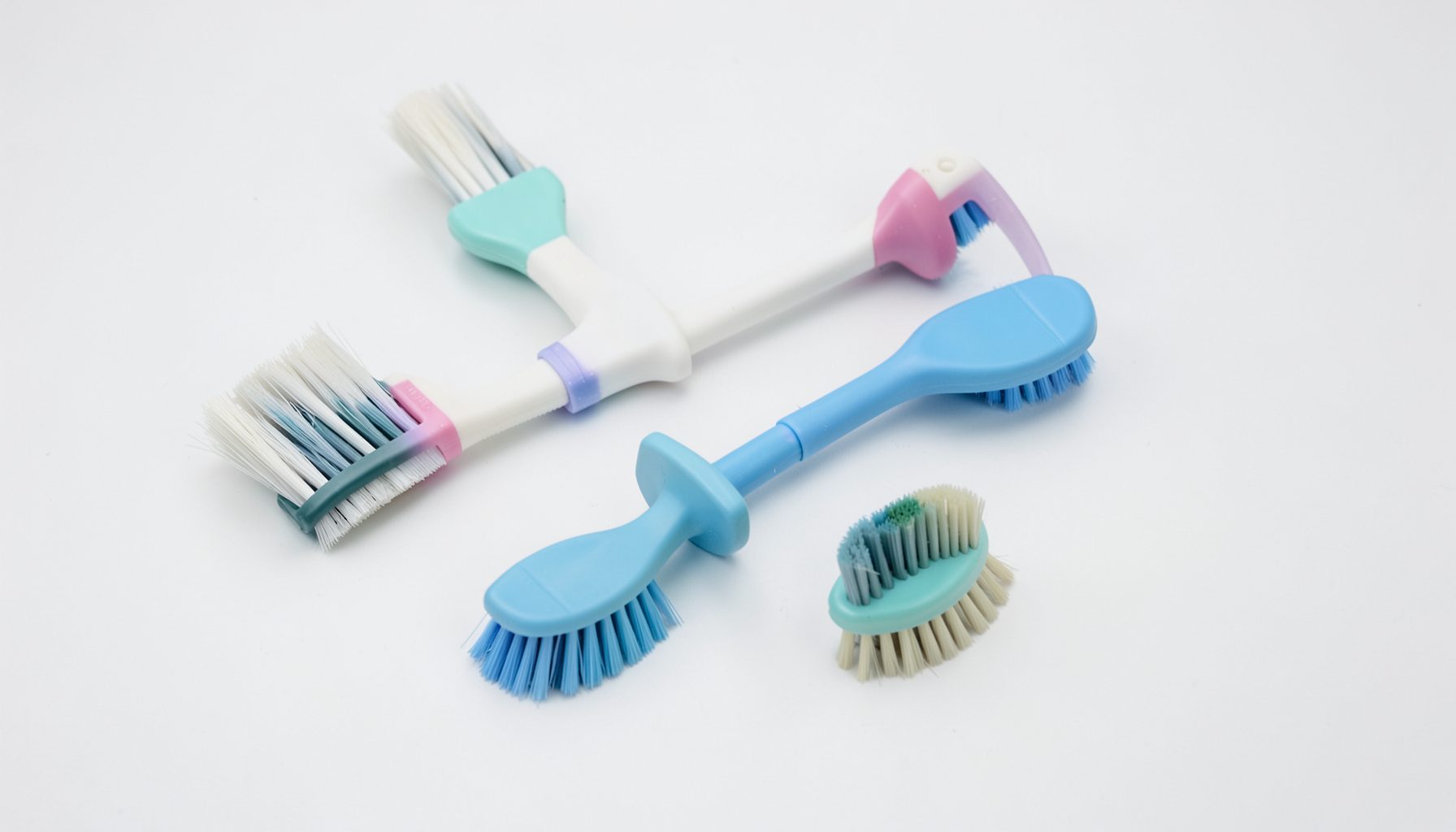
From the basic ResQRinse Nasal Rinse System ($19.99) to 90-day complete kits, saline packets, cleaning brushes, and Sinoptim Nasal Mist.
Browse all products →Get Started with ResQRinse
Ready to experience a better nasal rinse? Fill out the form below and we'll help you find the right product — or follow the simple steps to begin rinsing today.
Request More Information
How to Use ResQRinse
Fill the Bottle
Fill the ResQRinse squeeze bottle with distilled or previously boiled water and add one premixed saline packet.
Position the Tip
Place the comfort tip gently against one nostril. No head-tilting or awkward neck angles needed.
Squeeze & Breathe
Squeeze the bottle gently while breathing through your mouth. Nasal Lock™ keeps saline in your nasal passages and out of your throat.
Repeat & Clean
Switch nostrils and repeat. After use, rinse the bottle and let it air dry. Use ResQRinse Premium Cleaning Brushes for thorough cleaning.
Why Your Nose Feels Stuffy After Rinsing And How To Fix It
Nasal irrigation is meant to wash away mucus, allergens, and irritants, so it can be frustrating when your nose feels blocked immediately afterward. A temporary stuffy sensation does not always mean the rinse failed. It may reflect swelling, trapped saline, incorrect water temperature, or technique that is too forceful for your nasal passages.
Most post-rinse congestion improves when you adjust the solution, pressure, timing, or position of your head. Understanding what is happening inside your nose can help you rinse more comfortably and recognize when symptoms need medical attention.
Temporary Swelling Can Follow Irrigation
The lining inside your nose contains delicate blood vessels and tissues that can swell in response to pressure, temperature changes, or irritation. If the rinse is squeezed too forcefully, the nasal passages may become temporarily inflamed. This can make breathing feel more difficult even after mucus has been removed.
A strong sensation may also occur when the saline concentration is incorrect. A solution with too little salt can feel irritating and cause a burning or swollen feeling. A mixture that is too concentrated may draw moisture from the nasal lining and leave it feeling dry, tight, or congested.
The water temperature matters as well. Very cold water can trigger discomfort and nasal reflexes, while hot water may irritate sensitive tissue. Lukewarm saline is generally more comfortable than water that feels noticeably cold or hot.
Saline Balance And Water Safety Matter
Use the saline packets intended for your irrigation device, or follow the product’s measured instructions carefully. Premeasured packets help create a balanced solution and reduce the chance of accidentally using too much or too little salt. Plain water is not a suitable substitute because it can sting and irritate the nasal lining.
Only use distilled, sterile, or previously boiled and cooled water for nasal rinsing. Tap water can contain microorganisms that are safe to swallow but unsafe to introduce into the nasal passages. Safe water preparation is one of the most important parts of a comfortable nasal wash.
If your nose feels blocked after rinsing, avoid adding extra salt by guesswork. Instead, discard the mixture and prepare a fresh batch using the correct amount of water and saline. The product updates from ResQRinse can also provide useful information about available rinse products and accessories.
Technique Can Leave Your Nose Feeling Full
Head position affects where the solution travels. Leaning forward over a sink and turning your head slightly to one side usually allows saline to flow through one nostril and out the other. Tilting your head too far backward can send fluid toward the throat, while an awkward angle may leave solution pooled in the nasal passages.
Use gentle, steady pressure rather than forcing the bottle. A squeeze-bottle system should deliver a controlled stream that feels comfortable. If you experience sharp pain, intense pressure in the ears, or worsening discomfort, stop and reassess your position and technique.
A nasal irrigation system with a well-fitted tip can make it easier to maintain a consistent seal. Features such as Nasal Lock technology are designed to support a secure connection around the nostril, helping reduce leakage and making gentle delivery easier. The goal is a smooth flow, not maximum force.
| What You Notice | Possible Reason | Helpful Adjustment |
|---|---|---|
| Burning or stinging | Solution is too strong, too weak, or too hot | Prepare a fresh, correctly measured lukewarm solution |
| Pressure in the ears | Squeezing too hard or rinsing during severe blockage | Use lighter pressure and pause if discomfort continues |
| Fluid remains after rinsing | Head angle or drainage technique | Lean forward, turn slightly, and allow time to drain |
| Dryness or tightness | Frequent rinsing or overly concentrated saline | Follow recommended frequency and check saline measurements |
| Congestion that persists | Swelling, allergy inflammation, infection, or structural blockage | Stop repeated rinses and seek clinical advice if symptoms continue |
Allow Time For Drainage After Rinsing
It is common for a small amount of saline to remain in the nasal passages or sinus openings for several minutes. When you stand up, bend forward, or turn your head later, that fluid may drain unexpectedly. This delayed drainage can create a temporary sensation of fullness or blockage.
After rinsing, stay near the sink and gently lean forward. Let the liquid drain without forceful nose blowing. If needed, blow your nose softly, one side at a time. Blowing hard can increase pressure around the ears and irritate swollen nasal tissue.
Some people prefer to rinse earlier in the evening rather than immediately before lying down. Giving the solution time to drain may reduce the feeling of fluid moving when you are in bed. Keep the device clean and allow it to dry fully between uses to support hygienic care.
Adjust Your Routine For Better Comfort
Nasal irrigation can be helpful during allergy season, colds, exposure to dust, or periods of thick mucus, but more frequent rinsing is not always better. Repeated washes may dry or irritate the nasal lining, particularly if you are already using other products that cause dryness.
If congestion is severe, wait until you can breathe enough through at least one nostril to use the device comfortably. Do not force solution through a completely blocked passage. A saline mist may be a gentler option for moisturizing the nose when a full rinse feels too pressurized. ResQRinse’s rinsing guidance offers additional practical information about nasal care and product use.
Keep these habits in mind:
- Use distilled, sterile, or boiled-and-cooled water.
- Mix saline exactly according to the packet or device instructions.
- Rinse with lukewarm solution and gentle, controlled pressure.
- Lean forward and allow the nasal passages to drain naturally.
- Wash and air-dry the bottle, tip, and accessories after each use.
Children should use a nasal irrigation product designed for their age and only with appropriate adult supervision. A child who resists, cannot follow directions, or experiences pain should not be pressured to continue.
Know When Congestion Needs Medical Care
A short-lived stuffy feeling after irrigation is usually related to temporary swelling, drainage, or technique. However, persistent or worsening symptoms deserve closer attention. Stop rinsing and contact a healthcare professional if you develop significant ear pain, repeated nosebleeds, severe facial pain, fever, or symptoms that continue after you correct your technique.
Seek prompt medical care for swelling around the eyes, vision changes, severe headache, confusion, or difficulty breathing. These symptoms are not typical effects of routine nasal irrigation. People with recent nasal surgery, recurrent ear problems, significant nasal obstruction, or certain medical conditions should ask a clinician whether irrigation is appropriate.
Also consider whether another cause is contributing to your congestion. Seasonal allergies, a viral infection, chronic sinus inflammation, nasal polyps, or a deviated septum may continue to restrict airflow even when the rinse is performed correctly. Irrigation can help clear mucus and irritants, but it may not resolve an underlying condition.
A comfortable rinse should leave your nose feeling cleaner and easier to breathe through, not painful or intensely pressured. Choose a properly fitted system, prepare the saline safely, use light pressure, and give your nose time to drain. Explore a suitable ResQRinse kit or saline product through the brand’s online retail options, and make safe, gentle nasal care part of your routine.