ResQRinse is the nasal irrigation squeeze bottle that eliminates head-tilting and awkward neck positions. Using proprietary Nasal Lock™ technology, it delivers a comfortable, gag-free sinus cleanse — no more saline dripping down your throat.

Relief From Fall Sneezes
Now sold on Walmart.com. Free shipping on orders $30+. Try ResQRinse today with your everyday purchases.
Shop at WalmartWhy ResQRinse?
Nasal rinsing helps relieve congestion from colds, allergies, sinusitis, hay fever, and environmental pollutants. ResQRinse makes it comfortable enough to become a daily habit.
Nasal Lock™ Technology
Isolates sinuses from the throat using natural choanal occlusion — like inflating a balloon — so saline stays where it belongs.
Learn more →
Drug-Free Relief
Uses premixed saline packets with distilled water. No medications, no preservatives — just a natural cleanse for your nasal passages.
How to rinse →
For Kids Too
ResQRinse for Kids features a comfort nasal tip right-sized for smaller nostril openings, making rinsing gentle and easy for children.
Shop kids' version →
Breath-Controlled Flow
You control the saline flow with your own breath pressure — high volume, low pressure irrigation that's comfortable and effective.
Watch how-to videos →
Better Compliance
Designed to overcome the gagging and discomfort that cause people to abandon traditional neti pots and nasal rinse systems.
Our story →
Complete Kits Available
From the basic ResQRinse Nasal Rinse System ($19.99) to 90-day complete kits, saline packets, cleaning brushes, and Sinoptim Nasal Mist.
Browse all products →Get Started with ResQRinse
Ready to experience a better nasal rinse? Fill out the form below and we'll help you find the right product — or follow the simple steps to begin rinsing today.
Request More Information
How to Use ResQRinse
Fill the Bottle
Fill the ResQRinse squeeze bottle with distilled or previously boiled water and add one premixed saline packet.
Position the Tip
Place the comfort tip gently against one nostril. No head-tilting or awkward neck angles needed.
Squeeze & Breathe
Squeeze the bottle gently while breathing through your mouth. Nasal Lock™ keeps saline in your nasal passages and out of your throat.
Repeat & Clean
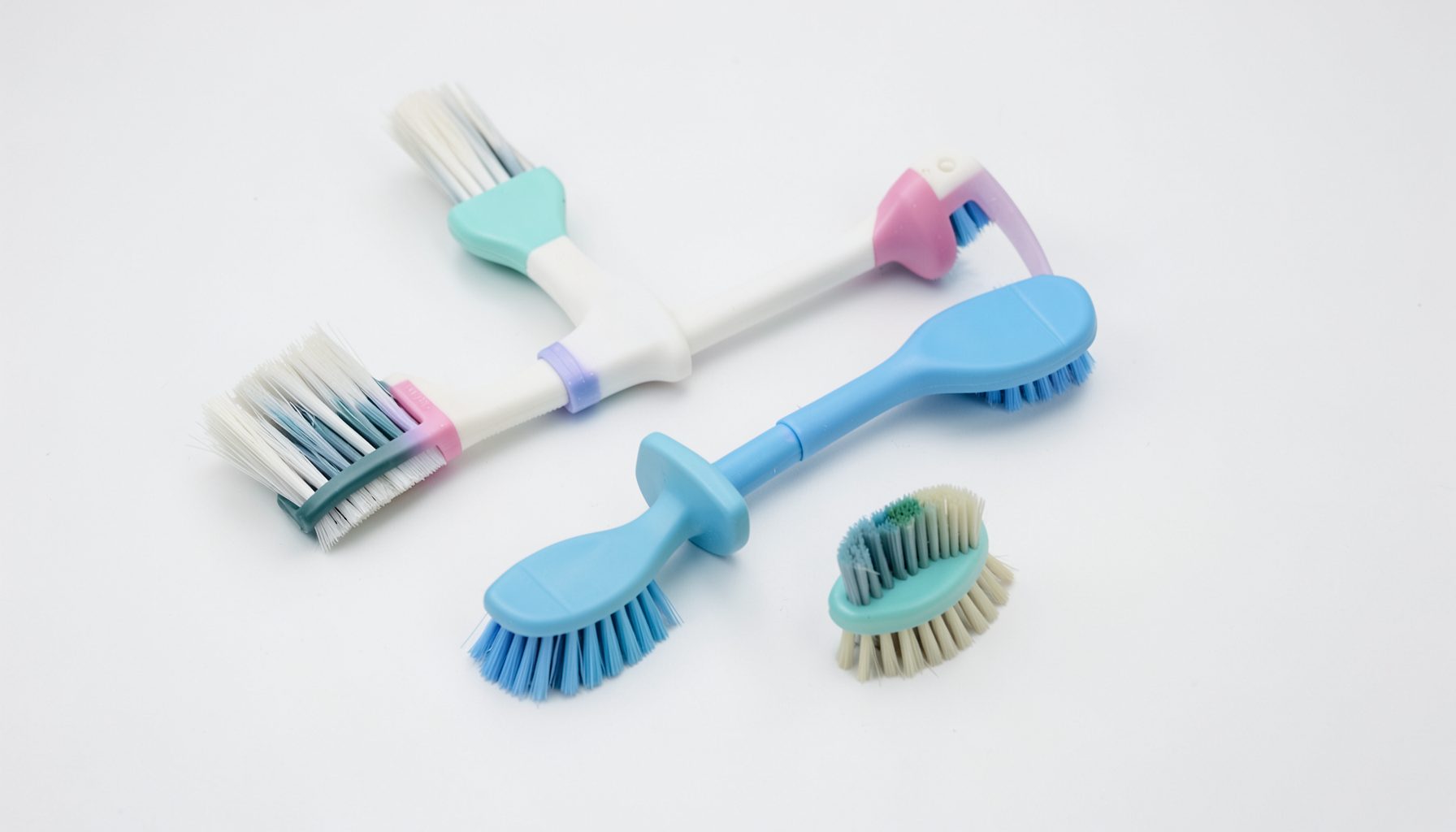
Switch nostrils and repeat. After use, rinse the bottle and let it air dry. Use ResQRinse Premium Cleaning Brushes for thorough cleaning.
Nasal Irrigation for Relief from Dry Nasal Passages After Flying
Flying can leave your nose feeling dry, tight and uncomfortable, especially after a long flight. Low cabin humidity, pressure changes and recirculated dust can irritate the delicate lining inside the nostrils. The result may be crusting, a blocked sensation or mucus that feels thick rather than moving normally. This is common for passengers travelling from Sydney or Melbourne to Brisbane, Perth or overseas.
Controlled nasal irrigation can bring relief to dry nasal passages after a flight by clearing loose mucus and re-wetting the lining. It may ease crusting and congestion, but it does not treat a sinus infection or guarantee protection from illness. If symptoms persist or worsen, medical advice is more important than repeated rinsing.
ResQRinse makes squeeze-bottle rinse systems designed for controlled, comfortable delivery rather than the tipping and pouring associated with traditional neti pots. The range includes adult and children’s bottles, saline packets, cleaning brushes, complete kits and nasal mist. Systems are sold online through Walmart and Amazon, so Australian shoppers should confirm stock, delivery costs and local labelling before ordering.
Use only sterile water, distilled water or water that has been boiled and cooled as directed. Avoid ordinary tap water because it may contain organisms that can cause infection in the nasal passages. Clean the bottle after every use, let it dry fully and replace damaged components. A saline rinse works best as part of a sensible travel routine, not as a substitute for medical care.
Why Dry Cabin Air Irritates the Nose
Cabin air is deliberately dry so passengers and equipment remain comfortable at altitude. Relative humidity can sit around 10–20%, far below the levels many people expect in coastal Queensland or during a humid Sydney summer. Air-conditioning also dries indoor air at home and in Australian offices, so a nose may already feel sensitive before departure. Irrigation can remove loosened debris and restore a cleaner feeling without medicating the nose.
Pressure changes do not push fluid into the sinuses; their main effect is to make ears and sinuses feel uneven during ascent and descent. A pre-existing cold can therefore feel worse in the air. Congestion may also reflect heat, dust or pollen, especially for travellers crossing northern Australia in peak summer. Rinsing beforehand can make the flight easier to manage.
Preparing Your Rinse Before the Airport
A few hours before departure is a practical time to rinse if your nose feels blocked or dry. Pack a clean bottle, enough single-use saline packets for the outbound and return journey, tissues and a small brush if included with your system. Keep bottles empty during airport screening unless local security rules say otherwise, and carry the packets in their original packaging.
Hydration supports the body’s normal fluid balance, yet water alone cannot restore moisture to a dried nasal lining. Avoid alcohol immediately before flying because it can increase dehydration and make tissues feel tighter. If you are treating allergies with prescribed medication, continue it as directed; rinsing is an additional comfort measure rather than a replacement. A nasal mist can provide light moisture during a long-haul sector. Long airport delays and disrupted meal times can also upset digestion; a separate explainer on intestinal permeability issues may offer background, while persistent vomiting or diarrhoea calls for medical advice.
Choosing Saline and the Right Equipment
Choose a commercial saline made for nasal rinsing, preferably with a balanced isotonic concentration such as 0.9% sodium chloride. Never improvise a strong salt solution, which can sting and irritate. Check the packet instructions and expiry date, especially when buying a multi-pack for a trip. Saline sachets are convenient because each measured dose reduces guesswork and storage mess.
A squeeze bottle offers steady pressure and can be easier to control than a traditional neti pot. ResQRinse’s Nasal Lock technology is intended to support a secure seal and controlled flow, while the brush helps clean the bottle and tube thoroughly. The brand also provides guidance on adding aloe vera drops, but use only a formulation specifically intended for nasal rinsing and follow its directions; never add aloe juice or household oils.
Using a Gentle Technique Before and After Flying
Use the device over a sink with a towel beneath it. Lean forward, turn your head slightly to one side and place the tip snugly in one nostril without forcing it deeply. Breathe through your mouth, squeeze gently until solution enters and drains from the opposite side, then repeat on the other side. Stop if you feel pain, forceful blockage or sudden bleeding.
After landing, rinse again if the nose feels dry or clogged. If mucus still feels thick, the steps for rehydrating nasal mucus can help you choose a comfortable method rather than using more pressure. Never share a rinse bottle, and let plenty of air circulate around it after cleaning. Store it uncovered only when completely dry, and replace the bottle if its surface becomes cracked or difficult to sanitise.
Adjusting Care for Children and Sensitive Noses
For children, select a bottle designed for their age and stay beside them for every rinse. Children with a cold may resist the sensation even when the technique is gentle, so practise at home before a flight. The ResQRinse children’s version can make the process easier to explain, but a child’s symptoms still need assessment if fever, facial pain or breathing difficulty appears.
Adults with sensitive skin, recurrent nosebleeds or a history of sinus surgery should ask a clinician before irrigating. Recent nasal surgery, a fracture or a blocked nostril may require a different approach and careful wound care. People using a medicated nasal spray can usually rinse around their prescribed schedule, though the product instructions and pharmacist’s advice should guide timing.
Knowing When to Pause and Seek Help
Rinse should feel like gentle washing, not forceful irrigation. Seek medical advice for severe or worsening facial pain, high fever, pus-like discharge, frequent nosebleeds or symptoms lasting beyond a typical cold. A small streak of blood can occur with a dry nose, but recurrent bleeding should be checked. Urgent help is appropriate for breathing difficulty, confusion or a severe headache.
If you take clopidogrel, do not stop or change it because of travel symptoms; ask a pharmacist to verify the Plavix generic dosage against the authoritative Australian product information before making any medication decision. Saline rinsing has few drug interactions, but a clinician should still guide care after surgery, with active bleeding or in people with complex sinus disease.
Building a Reliable Travel Routine
Build the routine around your itinerary. For a morning flight from Brisbane, rinse after waking and pack a spare packet for the airport. For an overnight service from Perth, clean the bottle after the first rinse so it is ready to use again on arrival. A tissue packet and nostril-safe moisturising gel can stay in your hand luggage for dryness that develops mid-flight.
Australian shoppers should check that imported devices and saline packets carry clear ingredient and storage information, intact packaging and instructions in English. If a rinse is regulated as a medical device, check its listing in the Australian Register of Therapeutic Goods and seek guidance from the TGA rather than relying on marketplace wording alone. The Australian Consumer Law also sets rules around misleading claims and consumer rights. Check the seller’s return policy, confirm delivery to your address and keep the receipt.
Make your next flight more comfortable with a clean, travel-ready rinse system. Choose an age-appropriate ResQRinse bottle, pack measured saline sachets and a cleaning brush, and rinse before departure and after landing when your nose feels dry. Keep water handling and device hygiene consistent, because comfort should never come at the cost of introducing bacteria into the nasal passages.
Shop the ResQRinse range through Walmart or Amazon, compare the complete kit with refill packets and confirm delivery details for your Australian address before checkout. With careful preparation, a controlled saline rinse can help dry passages feel more comfortable during the journey and after your feet are back on the ground.