ResQRinse is the nasal irrigation squeeze bottle that eliminates head-tilting and awkward neck positions. Using proprietary Nasal Lock™ technology, it delivers a comfortable, gag-free sinus cleanse — no more saline dripping down your throat.

Relief From Fall Sneezes
Now sold on Walmart.com. Free shipping on orders $30+. Try ResQRinse today with your everyday purchases.
Shop at WalmartWhy ResQRinse?
Nasal rinsing helps relieve congestion from colds, allergies, sinusitis, hay fever, and environmental pollutants. ResQRinse makes it comfortable enough to become a daily habit.
Nasal Lock™ Technology
Isolates sinuses from the throat using natural choanal occlusion — like inflating a balloon — so saline stays where it belongs.
Learn more →
Drug-Free Relief
Uses premixed saline packets with distilled water. No medications, no preservatives — just a natural cleanse for your nasal passages.
How to rinse →
For Kids Too
ResQRinse for Kids features a comfort nasal tip right-sized for smaller nostril openings, making rinsing gentle and easy for children.
Shop kids' version →
Breath-Controlled Flow
You control the saline flow with your own breath pressure — high volume, low pressure irrigation that's comfortable and effective.
Watch how-to videos →
Better Compliance
Designed to overcome the gagging and discomfort that cause people to abandon traditional neti pots and nasal rinse systems.
Our story →
Complete Kits Available
From the basic ResQRinse Nasal Rinse System ($19.99) to 90-day complete kits, saline packets, cleaning brushes, and Sinoptim Nasal Mist.
Browse all products →Get Started with ResQRinse
Ready to experience a better nasal rinse? Fill out the form below and we'll help you find the right product — or follow the simple steps to begin rinsing today.
Request More Information
How to Use ResQRinse
Fill the Bottle
Fill the ResQRinse squeeze bottle with distilled or previously boiled water and add one premixed saline packet.
Position the Tip
Place the comfort tip gently against one nostril. No head-tilting or awkward neck angles needed.
Squeeze & Breathe
Squeeze the bottle gently while breathing through your mouth. Nasal Lock™ keeps saline in your nasal passages and out of your throat.
Repeat & Clean
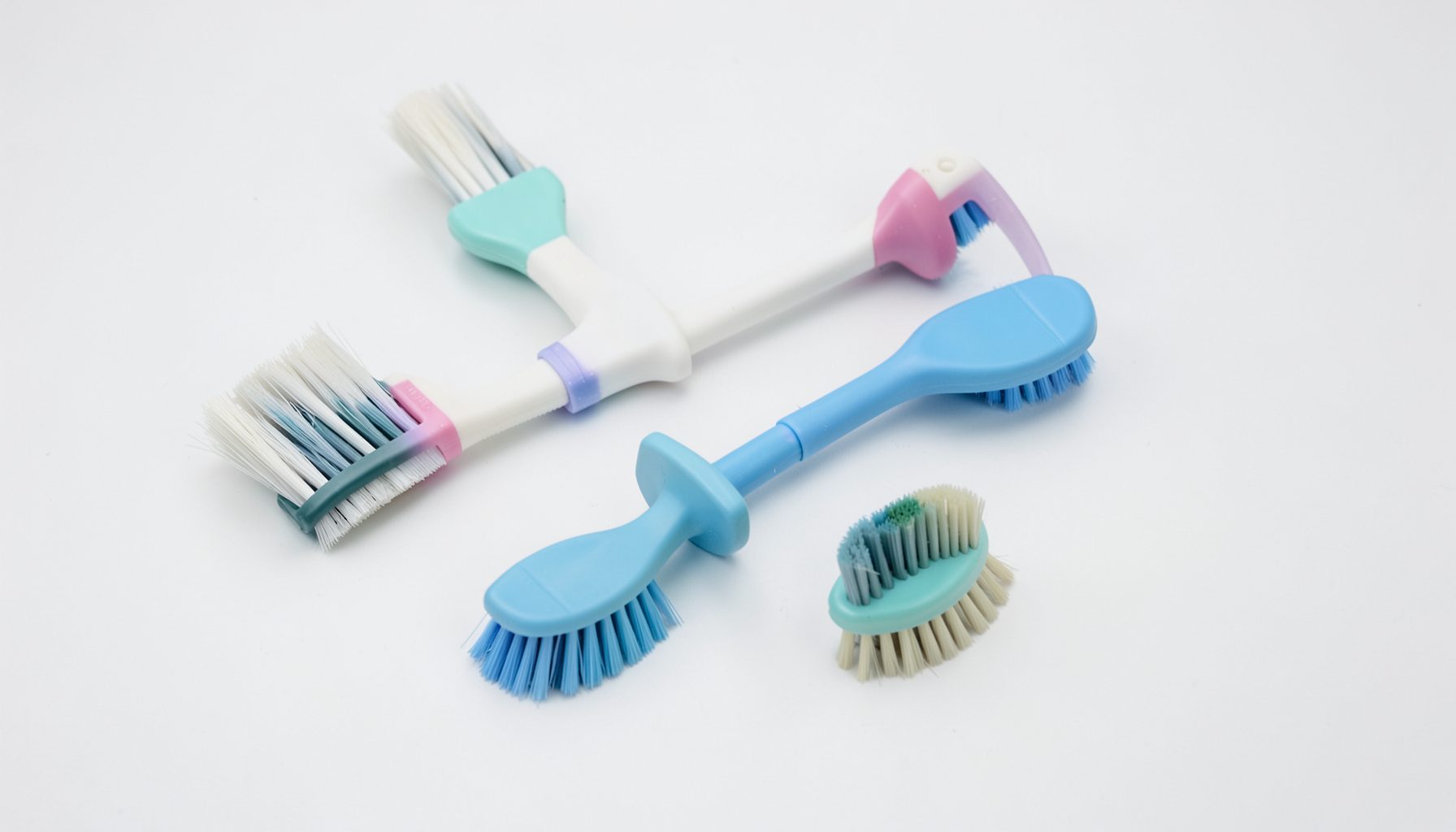
Switch nostrils and repeat. After use, rinse the bottle and let it air dry. Use ResQRinse Premium Cleaning Brushes for thorough cleaning.
Comfortable nasal irrigation in Australia’s humid climates
Living in a humid part of Australia can make nasal congestion feel persistent. Moist air, sweating, airborne mould spores, dust, pollen and long hours in air conditioning may leave the lining of the nose swollen or coated with thick mucus. Coastal cities such as Brisbane, Cairns, Darwin and parts of Sydney can be especially challenging during wet weather or seasonal changes.
A blocked nose in high humidity is not always caused by a cold. Allergic rhinitis, sinus irritation, environmental particles and the temperature shift between a damp outdoors and a cool indoor room can all contribute. When the nasal passages cannot drain easily, breathing through the nose may feel difficult even when there is no obvious infection.
Nasal irrigation uses a saline solution to wash mucus, allergens and irritants from the nasal passages. A gentle rinse can moisturise dry or inflamed tissue while helping loosen material that contributes to a stuffy feeling. It is a practical option for people who want relief alongside advice from a GP or pharmacist.
The technique matters as much as the solution. Safe water, the right saline concentration, a clean device and gentle pressure help make nasal rinsing more comfortable. A squeeze-bottle system such as ResQRinse nasal systems is designed to direct the flow through the nose with controlled pressure, which can be easier to manage than a traditional neti pot.
Why humid weather can leave your nose feeling blocked
Humidity does not automatically clear the nose. In some people, warm moisture causes the nasal lining to swell, narrowing the passage through which air and mucus move. Damp conditions can also support mould growth in homes, particularly around bathrooms, kitchens, wardrobes and air-conditioning units. Mould particles and household dust may aggravate allergy symptoms.
The contrast between outdoor humidity and indoor cooling can add another trigger. Someone commuting across Brisbane or working in a strongly air-conditioned office may move repeatedly between warm, damp air and cool, dry airflow. This can irritate sensitive nasal tissue and make congestion feel worse at different times of the day.
Seasonal pollen can remain a problem in humid regions too. Grass, weeds and flowering plants release particles that may be carried indoors on clothing, hair and pets. Saline irrigation can help wash away these irritants, but it does not replace prescribed allergy treatment when symptoms are frequent, severe or affecting sleep.
What a saline rinse can do
A nasal rinse flushes the front and deeper passages of the nose with a salt-water solution. It may thin sticky mucus, remove some allergens and reduce the sensation of pressure caused by material sitting in the nasal cavity. People with hay fever, non-allergic rhinitis or occasional sinus congestion often use irrigation as part of a wider symptom-management routine.
Saline is important because plain water can sting and may irritate nasal tissue. Pre-measured saline packets are convenient because they help provide a balanced mixture, particularly when you are travelling or using a rinse before work. Follow the product directions rather than adding extra salt, which can make the solution uncomfortable.
A squeeze bottle can give users more control over the flow than pouring from a neti pot. ResQRinse’s Nasal Lock technology is intended to help create a comfortable seal around the nostril, reducing unnecessary leakage while the solution passes through the nasal passages. Pressure should remain gentle; forceful squeezing is not a sign of a better rinse.
Water safety matters in every Australian home
Never use ordinary tap water directly in a nasal irrigation device, even where local drinking water is treated and meets Australian standards. Drinking water is processed for consumption, but nasal irrigation sends water into areas where unwanted organisms could create serious health problems. Use distilled or sterile water, or boil tap water and allow it to cool according to medical and product guidance.
Water from a kettle should be cooled fully before use. Hot or very warm water can burn the nasal lining, while cold water may cause discomfort or a sharp headache. Prepare only the amount needed for the rinse, and discard any leftover mixture rather than storing it at room temperature.
The water source is particularly important in homes where rainwater tanks, private supplies or camping equipment are used. Tank water may be suitable for some household purposes but should not be assumed safe for nasal irrigation. When travelling through regional Australia, purchase clearly labelled distilled or sterile water where available and check the instructions supplied with the rinse kit.
A clean device is essential in damp conditions
High humidity makes careful cleaning especially important. Residual saline and moisture left inside a bottle, cap or nozzle can create an environment where bacteria or mould may grow. Rinse the components after every use, wash them as directed, and allow them to dry completely in a well-ventilated area before storing them.
Do not leave a wet bottle closed inside a bathroom cabinet, gym bag or toiletry case. Bathrooms in humid homes may stay damp for hours, so an open-air drying position away from splashes is usually preferable. Replace parts when they become cracked, cloudy, damaged or difficult to clean. The brand’s bottle cleaning guide provides specific instructions for reducing mould risk between uses.
A cleaning brush can help reach narrow areas around the bottle neck and nozzle, though it should also be washed and dried. Avoid sharing a nasal irrigation device, even within a family. Children should use an age-appropriate product with close adult supervision, and the device should be cleaned separately from other family members’ equipment.
How to rinse comfortably and safely
Wash your hands before preparing the saline solution and check that the device is clean. Lean over a basin, keep your mouth open and breathe through it while rinsing. Place the nozzle gently against one nostril, use a steady light squeeze, and allow the solution to drain through the other nostril or into the sink. Do not block both nostrils or create excessive pressure.
It is normal for a small amount of saline to reach the throat. Spit it out if needed. Afterward, blow your nose gently, one side at a time, rather than forcefully clearing both sides together. A rinse may be useful after outdoor exposure, before bed or after returning from a dusty garden, but frequency should follow the product instructions and your clinician’s advice.
Avoid nasal irrigation during a completely blocked episode if fluid cannot pass through, and stop if you experience significant pain, ear pressure, dizziness or worsening symptoms. People with recent nasal surgery, structural problems, immune conditions or recurring nosebleeds should obtain individual medical advice first. Anyone with a history of nosebleeds can review this nosebleed safety advice before attempting a rinse.
Building a routine for humid Australian living
The best time to rinse depends on your triggers. After gardening, cleaning a damp room or spending time outdoors during a high-pollen period, a saline wash may remove particles before they remain on the nasal lining overnight. If air conditioning leaves your nose irritated, using a saline mist during the day may feel gentler than performing a full irrigation each time.
A full rinse can be paired with other sensible measures: keep indoor humidity under control, repair leaks, clean air-conditioner filters and wash bedding regularly. During the wet season in Darwin or tropical North Queensland, pay attention to visible mould and musty odours rather than relying on nasal irrigation alone. Removing the source of irritation is as important as washing away what reaches the nose.
Persistent congestion deserves proper assessment. See a GP if symptoms continue for more than several weeks, repeatedly interrupt sleep, occur with fever or facial swelling, or produce foul-smelling discharge. Seek urgent care for severe headache, swelling around the eyes, breathing difficulty or other rapidly worsening symptoms. A pharmacist can also discuss antihistamines, steroid nasal sprays and saline products suitable for your circumstances.
For a comfortable approach to congestion, allergies and sinus irritation, choose a saline system that fits your routine and use it with safe water and careful cleaning. Explore the ResQRinse range, including squeeze-bottle kits, children’s options, saline packets, cleaning accessories and nasal mist, through the brand’s online store and its listed retail channels such as Amazon or Walmart, checking availability and delivery options for Australia before ordering.