ResQRinse is the nasal irrigation squeeze bottle that eliminates head-tilting and awkward neck positions. Using proprietary Nasal Lock™ technology, it delivers a comfortable, gag-free sinus cleanse — no more saline dripping down your throat.

Relief From Fall Sneezes
Now sold on Walmart.com. Free shipping on orders $30+. Try ResQRinse today with your everyday purchases.
Shop at WalmartWhy ResQRinse?
Nasal rinsing helps relieve congestion from colds, allergies, sinusitis, hay fever, and environmental pollutants. ResQRinse makes it comfortable enough to become a daily habit.
Nasal Lock™ Technology
Isolates sinuses from the throat using natural choanal occlusion — like inflating a balloon — so saline stays where it belongs.
Learn more →
Drug-Free Relief
Uses premixed saline packets with distilled water. No medications, no preservatives — just a natural cleanse for your nasal passages.
How to rinse →
For Kids Too
ResQRinse for Kids features a comfort nasal tip right-sized for smaller nostril openings, making rinsing gentle and easy for children.
Shop kids' version →
Breath-Controlled Flow
You control the saline flow with your own breath pressure — high volume, low pressure irrigation that's comfortable and effective.
Watch how-to videos →
Better Compliance
Designed to overcome the gagging and discomfort that cause people to abandon traditional neti pots and nasal rinse systems.
Our story →
Complete Kits Available
From the basic ResQRinse Nasal Rinse System ($19.99) to 90-day complete kits, saline packets, cleaning brushes, and Sinoptim Nasal Mist.
Browse all products →Get Started with ResQRinse
Ready to experience a better nasal rinse? Fill out the form below and we'll help you find the right product — or follow the simple steps to begin rinsing today.
Request More Information
How to Use ResQRinse
Fill the Bottle
Fill the ResQRinse squeeze bottle with distilled or previously boiled water and add one premixed saline packet.
Position the Tip
Place the comfort tip gently against one nostril. No head-tilting or awkward neck angles needed.
Squeeze & Breathe
Squeeze the bottle gently while breathing through your mouth. Nasal Lock™ keeps saline in your nasal passages and out of your throat.
Repeat & Clean
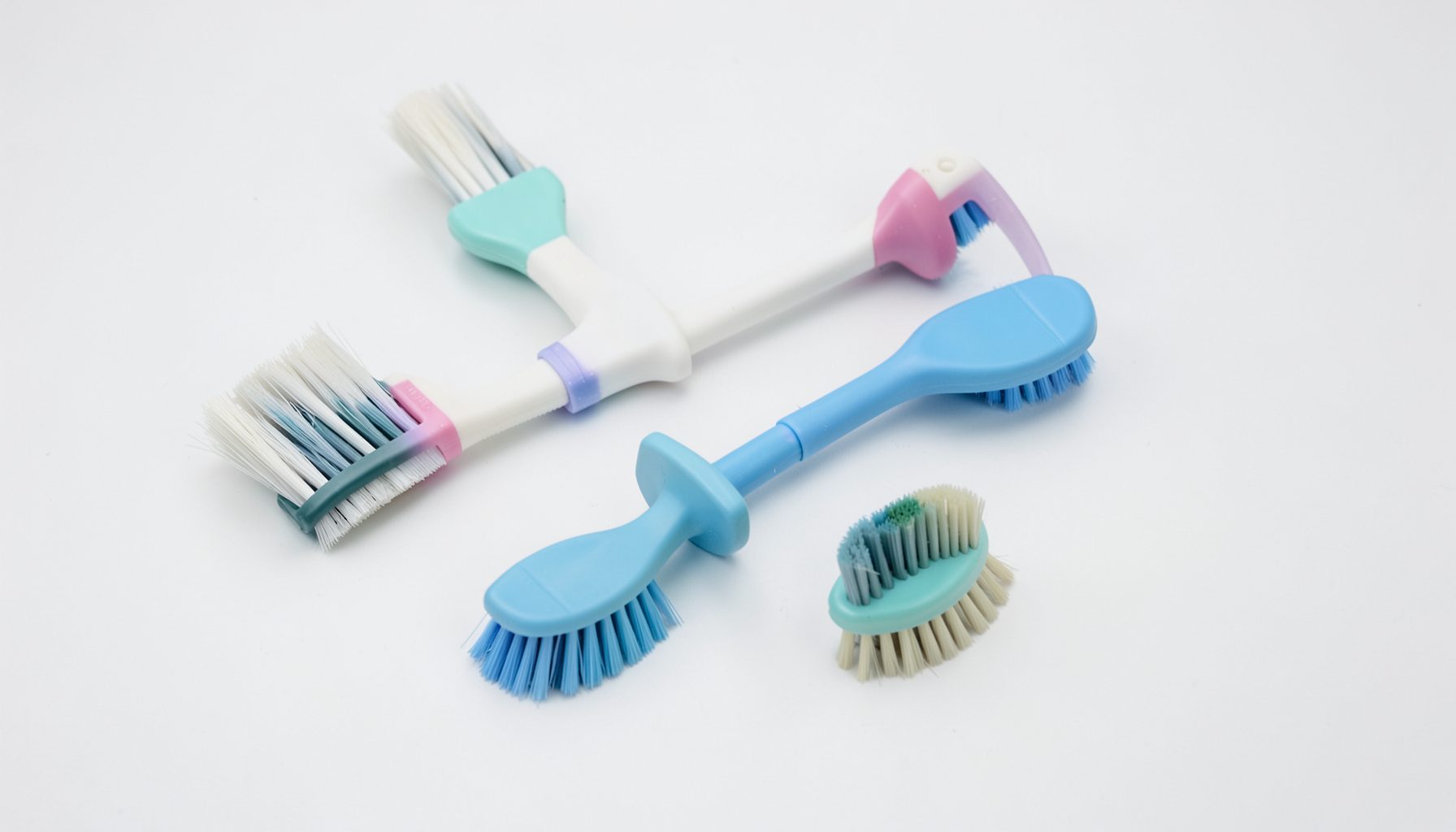
Switch nostrils and repeat. After use, rinse the bottle and let it air dry. Use ResQRinse Premium Cleaning Brushes for thorough cleaning.
Keep Your Nasal Rinse Bottle Clean and Mold-Free
A squeeze bottle can make nasal irrigation simple and comfortable, but it still needs careful cleaning between uses. Moisture left inside the bottle, cap, nozzle, or Nasal Lock components can create an environment where mold, mildew, and bacteria may grow.
A quick rinse after use is helpful, yet it is not the same as a complete cleaning routine. The safest approach is to empty the bottle immediately, wash every removable part, rinse away cleanser residue, and allow the pieces to dry completely before storing them.
This routine matters whether you use saline irrigation for seasonal allergies, sinus pressure, dry nasal passages, or congestion. Clean equipment helps protect the quality of each rinse and supports consistent daily care.
Empty the Bottle Immediately
After nasal irrigation, pour out any remaining saline solution. Do not leave used liquid sitting in the bottle while you go about your day. Saline residue can collect around the cap, nozzle, and internal surfaces, especially when the bottle is stored while damp.
Separate the bottle, cap, nozzle, and any removable Nasal Lock parts according to the product instructions. Taking the system apart gives air access to areas that are easy to miss when the bottle is left assembled. If you use a children’s rinse system, supervise cleaning and keep small components away from young children.
Rinse each piece with clean water as soon as possible. A thorough rinse helps remove mucus, salt crystals, and other residue before they dry onto the plastic. Avoid using the bottle again until all parts have been washed and dried.
Wash Every Component Thoroughly
Use warm water and a small amount of mild dish soap for routine cleaning, unless the manufacturer’s instructions specify another method. Fill the bottle with soapy water, close it, and gently squeeze some of the solution through the nozzle. This cleans the inside of the bottle and helps flush the passage where saline travels.
Wash the cap and nozzle by hand. A soft cleaning brush can help reach narrow openings, threads, and seals without scratching the plastic. ResQRinse cleaning brushes are designed for this type of detailed care, especially when salt residue collects in small spaces.
Avoid abrasive scouring pads, harsh household chemicals, and strongly scented cleaners. Scratches can create small surfaces where residue becomes trapped, while chemical residue may irritate the nasal passages. Never mix cleaning products, and rinse all components carefully after washing.
Rinse and Dry Before Storage
After washing, rinse the bottle and its parts under clean running water until no soap remains. Leftover detergent can affect the next saline rinse and may cause irritation. Pay special attention to the nozzle and cap, where foam can remain hidden.
Shake off excess water, then place every component on a clean, dry towel or drying rack. Keep the bottle open and position it so air can circulate inside. Do not seal a damp bottle, leave the cap attached, or store the nozzle facing downward in standing water.
Complete air drying is one of the most important ways to reduce mold risk. Drying time varies with humidity and room temperature, so do not rush the process. If you need to use the system again soon, keep a second clean bottle available rather than storing the first one while wet.
Choose Safe Water and Saline Practices
Cleaning the bottle cannot make unsafe water suitable for nasal irrigation. Use distilled or sterile water, or tap water that has been boiled and cooled according to trusted public health guidance. Follow the directions included with your saline packets and use the correct amount of water and powder.
Do not save leftover saline for later use. Prepare a fresh rinse for each session, since a solution that sits at room temperature can become contaminated. Pour unused solution away, then begin the cleaning process immediately.
People preparing for a medical procedure should follow their clinician’s instructions rather than relying on a general home routine. Nasal irrigation may be part of certain care plans, and this discussion of pre-surgery nasal care explains why product hygiene and correct technique deserve particular attention before an operation.
Know Which Cleaning Method Fits
Routine hand washing with mild soap is appropriate for many squeeze-bottle systems. Some products may permit additional sanitizing methods, while others can be damaged by heat or a dishwasher. Always check the specific ResQRinse care instructions before boiling components, using a dishwasher, or applying a disinfectant.
The following guide separates everyday care from situations that call for closer inspection:
| Situation | Recommended action | What to avoid |
|---|---|---|
| After every use | Empty, disassemble, wash, rinse, and air dry | Storing the bottle assembled or damp |
| Visible salt or mucus | Use warm soapy water and a soft brush | Scraping with sharp objects |
| Narrow nozzle or seal | Flush thoroughly and inspect the opening | Assuming an exterior rinse is enough |
| Musty odor or discoloration | Stop using the system and assess replacement | Masking the smell with fragrance |
| Shared household use | Give each person a separate bottle | Sharing a nozzle or cap |
| Damaged, cloudy, or cracked plastic | Replace the affected component or kit | Continuing to use compromised parts |
A bottle that remains cloudy after washing, develops cracks, or has a persistent odor should be replaced. Mold may be difficult to remove completely from damaged or porous-looking surfaces. Replacement is also sensible when seals no longer fit securely or the nozzle becomes difficult to clean.
Inspect the Bottle for Mold and Wear
Check the inside and outside of the bottle regularly under bright light. Look for black, green, pink, or gray spots, slimy film, unusual discoloration, or a musty smell. Inspect threads, grooves, gaskets, and the area around the nozzle because these locations can retain moisture.
If you find suspected mold, stop using the bottle until it has been evaluated according to the manufacturer’s care guidance. Do not continue rinsing simply because the visible mark appears small. Nasal irrigation equipment comes into contact with sensitive mucous membranes, so questionable components should be treated cautiously.
Replace the bottle or relevant parts at the first sign of cracking, warping, a loose seal, or persistent buildup. A clean system must also function correctly: leaks can interrupt the flow, while a blocked nozzle can make rinsing uncomfortable or uneven.
Maintain a Practical Cleaning Schedule
A consistent routine is easier to follow when it fits into the rest of your day. Keep the brush, mild soap, and drying area together so the bottle can be cleaned immediately after use. Avoid storing it in a closed cabinet until it is fully dry, particularly in a humid bathroom.
If you use nasal irrigation at work or travel frequently, plan for drying time and carry only fully dry equipment in a clean, breathable pouch. Dry indoor air can contribute to nasal discomfort, and office sinus relief tips can help place a rinse routine in context without turning bottle care into an afterthought.
These habits support a cleaner setup:
- Empty and disassemble the squeeze bottle after every rinse.
- Wash the bottle, cap, nozzle, and removable parts with mild soap.
- Use a soft brush to clean narrow openings and threaded areas.
- Rinse away all cleanser and air dry every component separately.
- Replace parts that are cracked, discolored, cloudy, or persistently odorous.
Keep personal rinse equipment separate from toothbrushes, cosmetics, and other bathroom items. If more than one person in the household uses nasal irrigation, assign a separate bottle and nozzle to each person. Labeling kits can help prevent accidental sharing.
Make Clean Care Part of Every Rinse
Bottle hygiene is a small step with a meaningful role in comfortable nasal irrigation. Emptying the solution, washing the complete system, and allowing it to dry fully can reduce the chance that moisture and residue remain trapped between uses.
Use the care directions supplied with your ResQRinse system, keep fresh saline and safe water on hand, and replace worn equipment promptly. Build the cleaning routine into every rinse session so the bottle is ready for the next use—clean, dry, and dependable.