ResQRinse is the nasal irrigation squeeze bottle that eliminates head-tilting and awkward neck positions. Using proprietary Nasal Lock™ technology, it delivers a comfortable, gag-free sinus cleanse — no more saline dripping down your throat.

Relief From Fall Sneezes
Now sold on Walmart.com. Free shipping on orders $30+. Try ResQRinse today with your everyday purchases.
Shop at WalmartWhy ResQRinse?
Nasal rinsing helps relieve congestion from colds, allergies, sinusitis, hay fever, and environmental pollutants. ResQRinse makes it comfortable enough to become a daily habit.
Nasal Lock™ Technology
Isolates sinuses from the throat using natural choanal occlusion — like inflating a balloon — so saline stays where it belongs.
Learn more →
Drug-Free Relief
Uses premixed saline packets with distilled water. No medications, no preservatives — just a natural cleanse for your nasal passages.
How to rinse →
For Kids Too
ResQRinse for Kids features a comfort nasal tip right-sized for smaller nostril openings, making rinsing gentle and easy for children.
Shop kids' version →
Breath-Controlled Flow
You control the saline flow with your own breath pressure — high volume, low pressure irrigation that's comfortable and effective.
Watch how-to videos →
Better Compliance
Designed to overcome the gagging and discomfort that cause people to abandon traditional neti pots and nasal rinse systems.
Our story →
Complete Kits Available
From the basic ResQRinse Nasal Rinse System ($19.99) to 90-day complete kits, saline packets, cleaning brushes, and Sinoptim Nasal Mist.
Browse all products →Get Started with ResQRinse
Ready to experience a better nasal rinse? Fill out the form below and we'll help you find the right product — or follow the simple steps to begin rinsing today.
Request More Information
How to Use ResQRinse
Fill the Bottle
Fill the ResQRinse squeeze bottle with distilled or previously boiled water and add one premixed saline packet.
Position the Tip
Place the comfort tip gently against one nostril. No head-tilting or awkward neck angles needed.
Squeeze & Breathe
Squeeze the bottle gently while breathing through your mouth. Nasal Lock™ keeps saline in your nasal passages and out of your throat.
Repeat & Clean
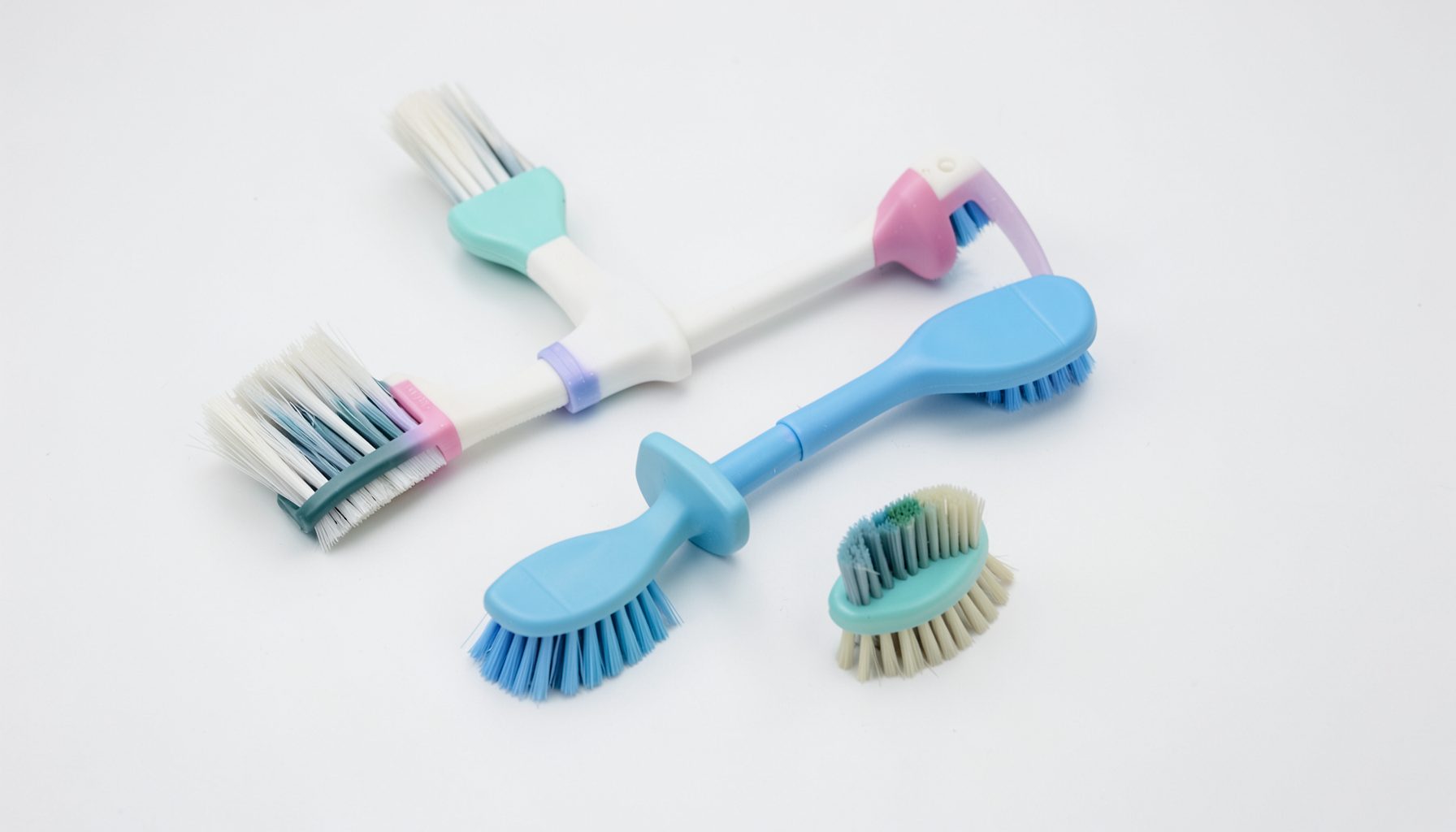
Switch nostrils and repeat. After use, rinse the bottle and let it air dry. Use ResQRinse Premium Cleaning Brushes for thorough cleaning.
Nasal irrigation for dorms and shared housing
Living in a dormitory or share house can make ordinary congestion feel like a persistent problem. Bedrooms share walls, bathrooms compete for space, and every cough or sneeze seems to travel. For students, newly arrived workers, and families sharing a rental, nasal symptoms can also arrive with the building, bedding, or changing seasons.
Allergies can be triggered by dust mites, mould, pollen, and pet dander, while a cold spreads easily through close communal living. Congestion may interfere with sleep, study, or work; post-nasal drip can prompt repeated throat clearing; and sinus pressure can make an ordinary day feel harder. Knowing whether symptoms are mainly allergy-related, viral, or persistent sinus problems helps guide care.
Nasal irrigation for people who live in dormitories or shared housing can be practical, provided each person owns a separate bottle and follows a strict cleaning routine. Saline flushes the nasal passages and may ease congestion, allergy-related irritation, and mucus buildup. It is not a cure for an infection, but it can support comfort while the underlying issue resolves.
Australian share houses and student accommodation bring a few distinctive realities: terraces near Melbourne campuses, crowded flats around Sydney, and shared units in Brisbane can have old ventilation, damp, and lots of carpet. In hot weather, air-conditioning helps, while Melbourne’s dry winter heat can stir up dust. Aussies often call housemates “flatmates” and the home a “share house”; a respectful reminder about cleaning and airflow can prevent small annoyances from becoming household conflict.
Why shared rooms make nasal symptoms worse
Dust and mould are common triggers in humid coastal cities, especially where older terraces have condensation around windows or where damp gets trapped after heavy rain. Sydney residents may notice symptoms when rooms stay warm and poorly ventilated; in Melbourne, indoor heating can stir up dust in dry winter air. Brisbane’s humidity creates another pattern, with rapid changes between sticky afternoons and air-conditioned rooms.
Allergy-related symptoms often itch around the eyes or nose, cause repeated sneezing, or worsen after making a bed. Viral symptoms more commonly come with a sore throat, fatigue, aches, or a recent exposure to someone who is unwell. Keeping windows open when outdoor air is clean, using laundries promptly, and washing bedding hot can reduce irritants, though shared housing rules and weather sometimes make these steps difficult. For bedding or dust triggers, options such as NoBoof nasal devices may also be worth discussing with an allergist or pharmacist.
Building a routine that survives a busy share house
Give every housemate a dedicated bottle, saline packets, and towel if possible. Label the bottle with a name so a half-asleep flatmate does not grab the wrong one at 6 a.m., and never pass a nozzle or bottle between people. A small caddy kept outside the bathroom can hold each person’s supplies without turning a shared shelf into a communal experiment. If a room has several people, individual bottles are safer than trying to schedule one rinse bottle across multiple schedules.
After each use, empty and rinse the device according to its instructions, wash removable parts with suitable detergent where directed, and let everything air-dry completely in an open, ventilated area. Trapped moisture encourages residue and microbes, so a bottle should not live damp in a closed toiletry bag. Replace saline sachets promptly, keep brushes separate, and replace a brush when the bristles look worn. A weekly check of the bathroom for mould around the shower and sink adds another layer of household hygiene.
Choosing a practical rinse system
A squeeze-bottle rinse system is often easier to learn than a traditional neti pot because the user controls the flow with one hand and does not have to balance a heavy pot on the head. ResQRinse systems use Nasal Lock technology to support controlled rinsing, and the full range is explained in the ResQRinse product details. For a first-time user, a ready-to-assemble kit with clear instructions is usually more confidence-building than choosing several accessories separately.
The range includes adult and children’s squeeze bottles, saline packets, cleaning brushes, complete kits, and nasal mist. A kit is useful for a new share-house room, while extra packets and a spare brush help with travel or a busy bathroom schedule. ResQRinse products are sold through online retailers including Amazon and Walmart; Australian shoppers should check the seller, dispatch country, package condition, and return policy rather than assume an imported listing will arrive quickly. Chemist Warehouse and Priceline are also useful places to compare pharmacy-grade saline and ask for product advice.
Using saline safely and comfortably
Water safety is the non-negotiable part of nasal rinsing. Use sterile water, water that has been boiled and cooled according to current public-health guidance, or a saline packet explicitly intended for irrigation. Ordinary bottled spring or mineral water is not automatically sterile, and household salt is not a substitute for measured saline. Never use straight tap water unless it has been made safe, and never improvise the concentration; too-strong salt can sting and irritate delicate tissue.
Comfort depends on technique. Lean forward over a sink, tilt the head slightly, breathe through the mouth, and squeeze gently so fluid moves through the passage and out naturally. Stop if there is pain, bleeding, or a feeling of intense pressure, then check the nozzle, angle, and solution preparation. A controlled rinse should feel moist and clearing rather than forceful. Use the device as directed and avoid continuing simply because it seems “more thorough”; excess irrigation can worsen irritation.
Helping younger housemates
Children in shared accommodation need a slower introduction and close supervision. The nasal rinsing for toddlers guide explains how to make the process gradual, with a child-sized bottle, a calm position, and a short practice that does not force the nose. Young children may accept a gentle saline mist more readily than a full rinse, so alternatives are worth discussing with a pharmacist or GP.
A child who can reliably blow their nose may manage more independently, but an adult should still prepare the water, saline, and clean equipment. Keep the child’s kit in a separate labelled container, clean it after every session, and teach them not to share the nozzle. If a child resists, stop rather than turning the routine into a struggle; nasal congestion can often be managed with other measures and advice from a health professional.
Knowing when to rinse and when to seek care
Rinsing is particularly useful when mucus feels heavy or difficult to clear, including at night. If post-nasal drip is causing a cough or throat clearing, practical timing and technique are covered in the guide to post-nasal drip relief. A rinse before sleep may clear the passages, while a clean humidifier and hydration can also reduce irritation. Persistent symptoms still need assessment rather than repeated rinsing alone.
Most short-lived congestion settles with time, rest, fluids, and sensible exposure management. Seek advice from a pharmacist or GP if symptoms persist, keep recurring, or interfere with sleep; a bulk-billing GP can help when symptoms need review without private fees. Rinsing can help with allergy symptoms and sinusitis, but it does not treat every sinus complaint. Follow-up may be needed when there is frequent infection, facial pain, hearing changes, or a need for a management plan.
Urgent medical help is warranted for difficulty breathing, confusion, severe headache, neck stiffness, swelling or redness around an eye, changes in vision, or rapidly worsening symptoms. In Australia, call 000 for an emergency; less urgent but concerning symptoms should prompt a same-day GP appointment. Sudden nosebleeds, foul-smelling one-sided discharge, or discharge following a facial injury also deserve medical advice. Cleaning the device never replaces treatment for a more serious illness.
A clear routine can make a crowded house more manageable: choose a personal squeeze-bottle system, buy sealed irrigation saline, prepare water safely, and dry every part after use. Keep the kit labelled and separate, and discuss persistent symptoms with a pharmacist or GP rather than relying on rinsing indefinitely. When you are ready to build that routine, compare the complete ResQRinse kits, children’s options, refill packets, brushes, and nasal mist, then select the setup that suits your room and your household.