ResQRinse is the nasal irrigation squeeze bottle that eliminates head-tilting and awkward neck positions. Using proprietary Nasal Lock™ technology, it delivers a comfortable, gag-free sinus cleanse — no more saline dripping down your throat.

Relief From Fall Sneezes
Now sold on Walmart.com. Free shipping on orders $30+. Try ResQRinse today with your everyday purchases.
Shop at WalmartWhy ResQRinse?
Nasal rinsing helps relieve congestion from colds, allergies, sinusitis, hay fever, and environmental pollutants. ResQRinse makes it comfortable enough to become a daily habit.
Nasal Lock™ Technology
Isolates sinuses from the throat using natural choanal occlusion — like inflating a balloon — so saline stays where it belongs.
Learn more →
Drug-Free Relief
Uses premixed saline packets with distilled water. No medications, no preservatives — just a natural cleanse for your nasal passages.
How to rinse →
For Kids Too
ResQRinse for Kids features a comfort nasal tip right-sized for smaller nostril openings, making rinsing gentle and easy for children.
Shop kids' version →
Breath-Controlled Flow
You control the saline flow with your own breath pressure — high volume, low pressure irrigation that's comfortable and effective.
Watch how-to videos →
Better Compliance
Designed to overcome the gagging and discomfort that cause people to abandon traditional neti pots and nasal rinse systems.
Our story →
Complete Kits Available
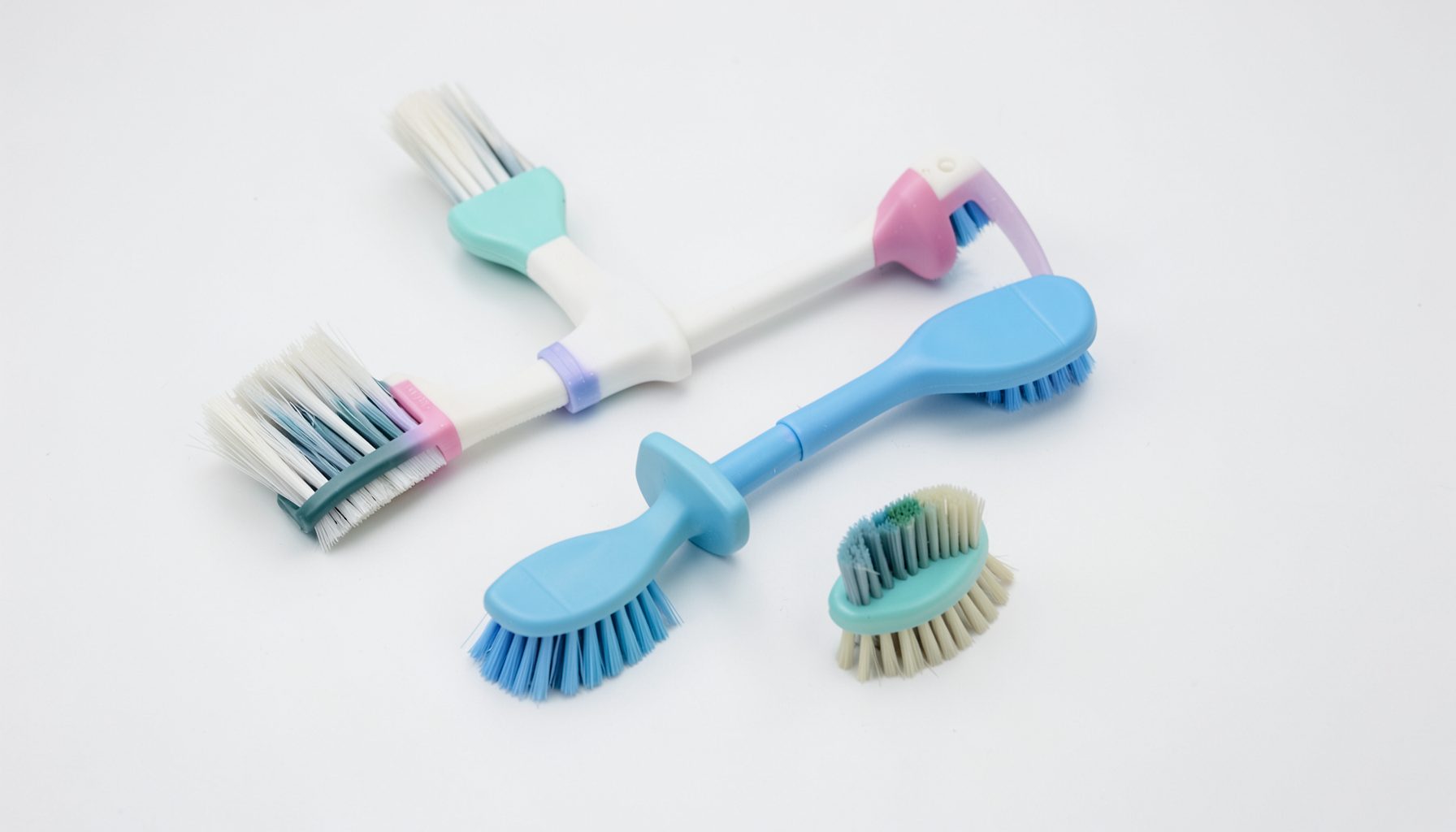
From the basic ResQRinse Nasal Rinse System ($19.99) to 90-day complete kits, saline packets, cleaning brushes, and Sinoptim Nasal Mist.
Browse all products →Get Started with ResQRinse
Ready to experience a better nasal rinse? Fill out the form below and we'll help you find the right product — or follow the simple steps to begin rinsing today.
Request More Information
How to Use ResQRinse
Fill the Bottle
Fill the ResQRinse squeeze bottle with distilled or previously boiled water and add one premixed saline packet.
Position the Tip
Place the comfort tip gently against one nostril. No head-tilting or awkward neck angles needed.
Squeeze & Breathe
Squeeze the bottle gently while breathing through your mouth. Nasal Lock™ keeps saline in your nasal passages and out of your throat.
Repeat & Clean
Switch nostrils and repeat. After use, rinse the bottle and let it air dry. Use ResQRinse Premium Cleaning Brushes for thorough cleaning.
Nasal irrigation for chronic rhinitis without a prescription
Chronic rhinitis is long-lasting inflammation of the nasal lining. It may be allergic, triggered by pollen, dust mites, animal dander or mould, or non-allergic, with smoke, strong scents, cold air or medication-related reactions also playing a role. A blocked nose, runny discharge, sneezing, post-nasal drip and reduced sense of smell can affect sleep, work and exercise. Irrigation may ease mucus and irritation, but it does not identify the trigger or remove the need for medical assessment when symptoms are persistent.
Nasal irrigation for chronic rhinitis without a prescription means using a squeeze bottle or similar device to flush the nasal passages with saline. Saline does not suppress the immune response, so it does not replace antihistamines, corticosteroid sprays or allergen avoidance where those are appropriate. Instead, it offers a practical way to clear mucus, rinse away irritants and make breathing more comfortable between other treatments. Devices and single-use saline packets can be bought over the counter and used at home.
Understanding chronic rhinitis in Australia
Australian conditions make chronic rhinitis especially variable. Sydney’s spring brings grass and weed pollen, Melbourne’s windy spring can disperse pollen widely, and humid Queensland environments favour mould. Inland dust, dry air and bushfire smoke can irritate non-allergic rhinitis, while coastal humidity may leave nasal discharge thicker and more troublesome.
Track symptoms against local pollen forecasts, recent cleaning, smoke exposure and medication changes. A diary can show whether congestion peaks in the morning, after a garden session or around animals, which gives a GP or pharmacist useful treatment clues. In Australia, a chemist can advise on over-the-counter options, while Medicare-subsidised GP visits remain the usual route for a formal chronic-rhinitis assessment.
Allergic and non-allergic rhinitis may look similar but respond to different fixes. Persistent symptoms deserve attention because untreated nasal blockage can disrupt sleep, contribute to mouth breathing and worsen asthma or ear problems in some people. Irrigation works best as part of a plan rather than an endless attempt to flush an underlying allergy away.
How irrigation helps with congestion
During a rinse, saline loosens mucus and carries it out of the nasal passage. The temporary change in concentration can also reduce swelling, while the wash may clear pollen particles and other material caught in the nose. Many people notice less pressure and easier breathing within minutes, although the degree of relief varies and a rinse cannot prevent the next pollen exposure.
Reviews generally support saline irrigation as a useful symptom-management option, though the quality and consistency of evidence differ between studies. Isotonic saline is gentle and closely matches body fluids; hypertonic packets draw more water from swollen tissue but may produce a stronger, stingy feeling. Start with the formulation recommended for the device, and stop if irrigation causes marked pain rather than treating that reaction as normal.
Pet exposure deserves a separate plan because dander can trigger both eye and nose symptoms. Owners who notice irritation after close contact with cats or dogs can read cat and dog allergies for practical exposure advice. Do not use a human rinse in a pet’s nose unless a veterinarian has specifically recommended it; veterinary treatment may involve different products and techniques.
Practical guidance for safer rinsing
Use a commercial system with safe water, or choose a ready-to-use saline product. Australian guidance generally favours sterile or distilled water, or tap water that has been boiled and cooled, because untreated water can carry organisms capable of causing serious infection. Clean and maintain the device as directed, and never share it.
Start with a routine that is easy to sustain:
- Rinse after waking if secretions have built up.
- Rinse after known dust, smoke or allergen exposure.
- Keep tissues and a clean bottle beside the sink.
- Stay within the product’s stated frequency.
Water and device care are non-negotiable, particularly with a squeeze bottle used more than once:
- Wash the bottle and cap after every use and let them dry fully.
- Follow the maker’s cleaning and replacement schedule.
- Use saline packets at the stated ratio without improvised salt mixtures.
- Do not force a stream through a painful or completely blocked passage.
Keep the solution, device and hands clean, and store packets dry and sealed. A high-pressure blast is not a better clean; firm suction or an awkward angle can cause pain, nosebleeds or inflammation. If a rinse repeatedly triggers bleeding, pause irrigation and arrange a clinical review.
Building a comfortable routine
Comfort determines whether a routine survives. For many adults, leaning over a sink with the head tilted slightly to one side feels easier than trying to keep the chin down. Insert the nozzle only as far as comfortable, breathe gently through the nose or keep the mouth open, then allow fluid to drain before repeating on the other side. Stop if there is severe pain, dizziness or fresh bleeding.
ResQRinse squeeze-bottle systems use a controlled-flow format and Nasal Lock technology intended to keep the nozzle positioned within the nasal passage and reduce liquid running into the throat. Compared with a traditional neti pot, the squeeze action gives users direct control over pressure. These design features do not change the need for safe water, correct saline strength or a clean device.
Children need a product made for their age and close adult supervision; an adult should not use a children’s version as a substitute for an adult system. After dental treatment, follow the dentist’s advice first. If the dental team has recommended irrigation, post-dental rinse guidance provides product-specific steps, while unexpected pain, bleeding or swelling still needs to be reported to the dentist.
When medical review is important
Seek medical advice when symptoms are severe, worsening or concentrated on one side. A GP can examine the nose, review medicines that may cause congestion and arrange allergy testing or an ENT referral when appropriate. In Australia, intranasal corticosteroid sprays and other suitable medicines are often available after assessment, and a pharmacist can help with safe use; irrigation can be discussed alongside those options rather than replacing them.
Urgent care is appropriate for a severe headache with fever, neck stiffness, confusion, vision changes or discharge that may be clear fluid from the nose after head trauma or surgery. Heavy bleeding, breathing difficulty or rapidly worsening facial pain also need prompt assessment. For non-emergency health questions in Australia, healthdirect’s Nurse Advice Line is available on 1800 022 222, while emergencies warrant 000.
Make an appointment if congestion disturbs sleep several nights a week, snoring or mouth breathing increases, symptoms affect asthma control, or rhinitis continues despite a correctly performed routine. Record the frequency of rinsing, the solution used and the symptom pattern. That small record can help a clinician judge whether the problem is allergy, inflammation, structural obstruction, medication effect or another condition.
Shopping, pets and practical Australian details
Price and convenience matter because safe rinsing becomes a regular household purchase. Saline irrigation systems are generally bought as self-funded consumer products rather than routinely covered by the PBS, although pharmacy and retailer pricing can change. Australians often compare prices at a chemist, Amazon.com.au or Walmart’s marketplace, then check delivery to their postcode, GST-inclusive cost and whether a third-party seller is offering the genuine product.
Complete kits can bundle a bottle, packets and a cleaning brush, while nasal mist serves a different purpose by moisturising the nose rather than irrigating it. Read the listing, manufacturer instructions and customer reviews together. A low price may mean a different bottle, fewer replacement parts or an unverified seller. While dental aerosol equipment serves a different purpose, an Italian aerosol-system selection guide shows why flow, maintenance and clear instructions should influence any specialist-device purchase.
Keep prescription medicines separate from devices and genuine health advice. An unverified site such as 24-hour online pharmacy is a reminder that a polished website is not proof of licensing, quality or lawful supply; use an Australian-registered pharmacy for medicines. For a rinse system, confirm the brand, included saline packets or solution, cleaning brush, replacement schedule and Australian customer support before paying.
Start with a simple, low-pressure routine rather than a large volume or aggressive solution. Choose a comfortable bottle, prepare safe water or use a sealed saline packet, clean the device after each session and note how long relief lasts. Adults comparing products can assess squeeze-bottle comfort and replacement-part availability, while families should select an age-appropriate kit and supervise every session.
Persistent blockage deserves a broader plan than rinsing alone. Book a GP review when symptoms continue, and seek urgent help for the warning signs described above. Choose a comfortable rinse system, follow its instructions and begin one gentle session today, while arranging medical care if the pattern is persistent or concerning.