ResQRinse is the nasal irrigation squeeze bottle that eliminates head-tilting and awkward neck positions. Using proprietary Nasal Lock™ technology, it delivers a comfortable, gag-free sinus cleanse — no more saline dripping down your throat.

Relief From Fall Sneezes
Now sold on Walmart.com. Free shipping on orders $30+. Try ResQRinse today with your everyday purchases.
Shop at WalmartWhy ResQRinse?
Nasal rinsing helps relieve congestion from colds, allergies, sinusitis, hay fever, and environmental pollutants. ResQRinse makes it comfortable enough to become a daily habit.
Nasal Lock™ Technology
Isolates sinuses from the throat using natural choanal occlusion — like inflating a balloon — so saline stays where it belongs.
Learn more →
Drug-Free Relief
Uses premixed saline packets with distilled water. No medications, no preservatives — just a natural cleanse for your nasal passages.
How to rinse →
For Kids Too
ResQRinse for Kids features a comfort nasal tip right-sized for smaller nostril openings, making rinsing gentle and easy for children.
Shop kids' version →
Breath-Controlled Flow
You control the saline flow with your own breath pressure — high volume, low pressure irrigation that's comfortable and effective.
Watch how-to videos →
Better Compliance
Designed to overcome the gagging and discomfort that cause people to abandon traditional neti pots and nasal rinse systems.
Our story →
Complete Kits Available
From the basic ResQRinse Nasal Rinse System ($19.99) to 90-day complete kits, saline packets, cleaning brushes, and Sinoptim Nasal Mist.
Browse all products →Get Started with ResQRinse
Ready to experience a better nasal rinse? Fill out the form below and we'll help you find the right product — or follow the simple steps to begin rinsing today.
Request More Information
How to Use ResQRinse
Fill the Bottle
Fill the ResQRinse squeeze bottle with distilled or previously boiled water and add one premixed saline packet.
Position the Tip
Place the comfort tip gently against one nostril. No head-tilting or awkward neck angles needed.
Squeeze & Breathe
Squeeze the bottle gently while breathing through your mouth. Nasal Lock™ keeps saline in your nasal passages and out of your throat.
Repeat & Clean
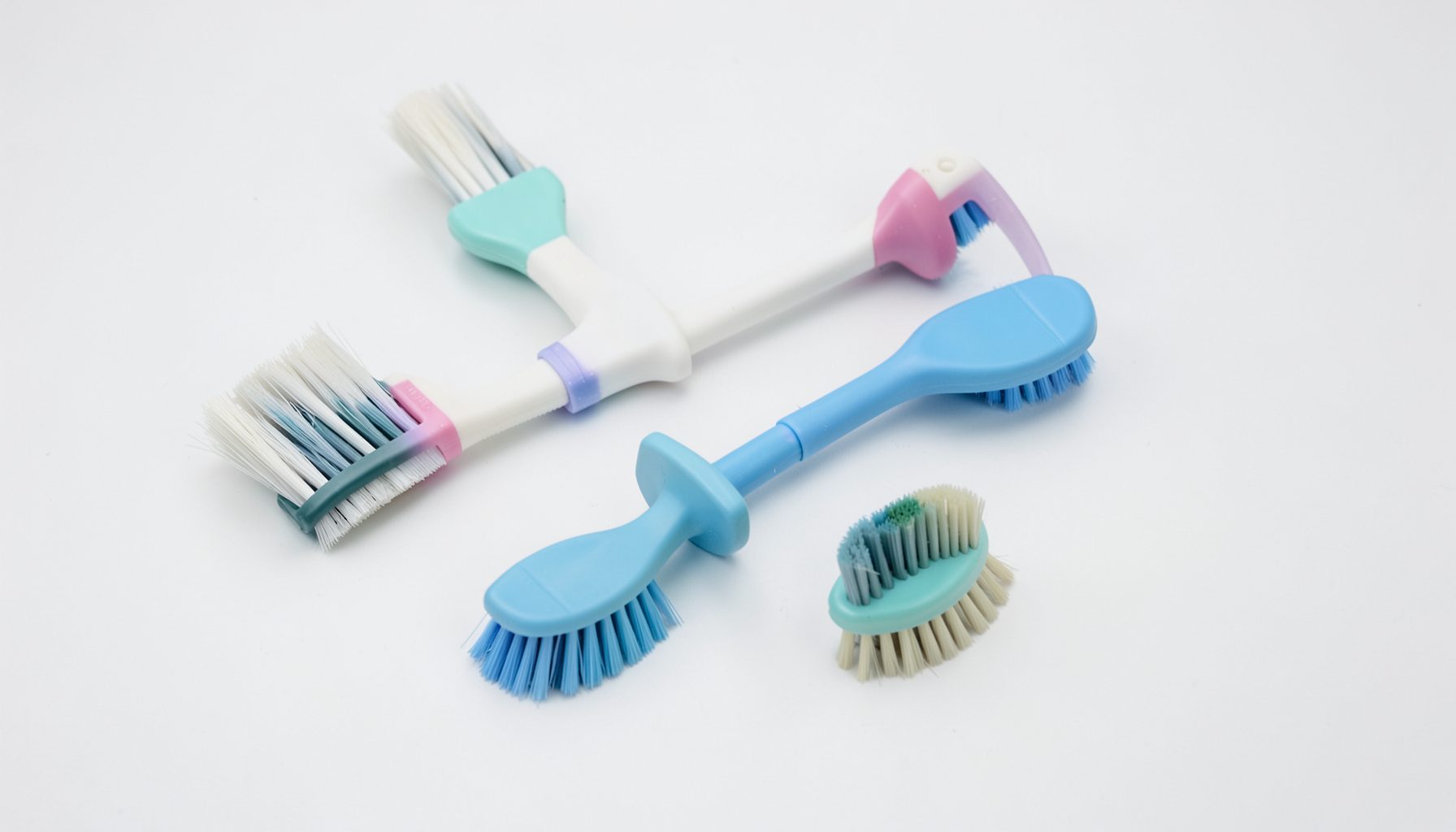
Switch nostrils and repeat. After use, rinse the bottle and let it air dry. Use ResQRinse Premium Cleaning Brushes for thorough cleaning.
Using a nasal rinse safely after dental work
Nasal irrigation can ease blocked nasal passages, thick mucus, and allergy-related congestion. After a dental procedure, however, the right timing and technique depend on what was done, where it was done, and whether the treatment affected the upper jaw or nearby sinus.
A routine filling or lower-jaw dental cleaning usually does not change how you manage nasal congestion. Oral surgery, an upper molar extraction, dental implants, bone grafting, or a sinus lift may require more caution because the mouth, tooth sockets, and nasal sinuses can be closely connected.
Your dentist or oral surgeon’s instructions should take priority over general guidance. If you were given restrictions on blowing your nose, bending, lifting, rinsing, or sneezing, follow those instructions before using a squeeze-bottle nasal rinse or another irrigation device.
Check the procedure before rinsing
The safest time to restart nasal irrigation varies. Following a simple dental cleaning, many people can continue their usual nasal care if there is no bleeding, pain, or special instruction to stop. A filling or crown generally does not create an opening near the sinus, so nasal irrigation is less likely to affect the treated area.
Extra care is needed after procedures involving the upper back teeth. The roots of upper molars can sit close to the maxillary sinus, and an extraction, implant placement, or graft may leave healing tissue that should not be exposed to pressure. A sinus lift or repair of an oral-sinus opening requires specific advice from the treating clinician.
Do not assume that a rinse is harmless simply because it uses saline. Irrigation sends fluid through the nasal passages and may create pressure if the bottle is squeezed forcefully. If your dentist has told you to avoid nose blowing or pressure in the sinus, ask when a nasal rinse is appropriate and whether a gentle saline mist is preferable at first.
Recognize situations that need extra caution
Pause nasal irrigation and contact your dental office if fluid seems to pass from your nose into your mouth, or from your mouth toward the nose. This can be especially important after upper-tooth surgery. Persistent bleeding, worsening facial swelling, severe one-sided pain, fever, foul drainage, or a new feeling of air moving through the extraction site also deserves prompt medical advice.
A mild salty taste or a small amount of drainage into the throat can occur with normal nasal irrigation. It should not be accompanied by strong pressure, sharp pain, or significant bleeding. Keep your head slightly forward during the rinse so fluid can drain into the sink rather than down the throat.
If congestion began after anesthesia, oxygen use, allergies, or an upper respiratory infection, a blocked nose may be unrelated to the dental procedure. Even so, avoid using medicated nasal products or decongestant sprays repeatedly without professional guidance, particularly if you have high blood pressure, glaucoma, or other conditions affected by these medicines.
Prepare a clean and gentle rinse
Use distilled or sterile water, or tap water that has been boiled and cooled according to public health guidance. Do not use untreated tap water in a nasal irrigation device. The water should be comfortably lukewarm, never hot, and the saline packet should be designed for nasal use.
Saline concentration affects comfort. Isotonic saline is formulated to be close to the salt concentration of body fluids, while hypertonic saline contains more salt and may draw out additional fluid from swollen tissue. The different saline solution types can feel different, so begin with the option recommended in your product directions or by your clinician.
Wash your hands before preparing the rinse. Inspect the bottle, cap, and nozzle for cracks or residue, and use the correct amount of water and one unopened saline packet unless the instructions say otherwise. Never improvise with table salt, essential oils, mouthwash, or leftover solution from a previous use.
Use low pressure and good positioning
Stand over a sink and lean slightly forward. Keep your mouth open and breathe through it. Place the nozzle gently against one nostril without forcing it inside. Squeeze slowly, using only enough pressure to let the saline flow through the nasal passage and out the other nostril or mouth.
After switching sides, let the remaining liquid drain naturally. Do not pinch your nose shut and blow hard to clear it. If you need to remove residual fluid, use a very gentle nose blow, unless your dentist or surgeon has instructed you not to blow your nose at all.
A nasal rinse should feel like a controlled flow, not a high-pressure flush. Stop if you experience ear pressure, sharp facial pain, active bleeding, intense burning, or pressure around the treated tooth. Nasal irrigation products with features designed to stabilize the seal may help some users control flow, but no device should be forced or used against post-operative instructions.
| Dental situation | Usual level of nasal-rinse caution | Practical next step |
|---|---|---|
| Cleaning, filling, or crown | Usually low, if no nasal or surgical symptoms are present | Follow normal product directions and stop if discomfort develops |
| Lower-jaw extraction or oral procedure | Generally limited nasal impact | Ask about timing if bleeding or swelling is significant |
| Upper molar extraction | Higher caution because of sinus proximity | Contact the dental office before restarting irrigation |
| Upper implant or bone graft | Higher caution during early healing | Follow the surgeon’s written restrictions precisely |
| Sinus lift or suspected mouth-sinus connection | Specialized caution | Use nasal irrigation only when the treating clinician approves it |
Clean the device after every use
A nasal rinse device can collect microorganisms if it stays damp or is not cleaned properly. Empty unused solution immediately after irrigation, then wash the bottle and removable parts as directed by the manufacturer. Rinse away soap thoroughly and allow every component to air-dry completely in a clean place.
Do not share a squeeze bottle, nozzle, or nasal mist dispenser with another person. Replace parts at the intervals listed in the instructions, and discard any component that becomes cloudy, cracked, sticky, or difficult to clean. A cleaning brush can help reach narrow areas, but it should also be washed and dried after use.
If you use a complete rinse kit, keep saline packets sealed until needed. Do not store mixed solution for later unless the product specifically permits it. Fresh preparation reduces the chance of contamination and makes it easier to use the correct concentration each time.
Adjust care as healing progresses
During the first phase of dental recovery, comfort and protection matter more than clearing every bit of congestion. If your clinician approves irrigation, one gentle session may be enough. Using extra pressure or repeating the rinse frequently will not necessarily speed healing and may irritate the nasal lining.
A saline mist can provide light moisture when full-volume irrigation is temporarily unsuitable, but it does not flush mucus in the same way as a rinse. Ask whether mist, irrigation, or another treatment fits your procedure. The ResQRinse approach focuses on comfortable nasal care, yet product instructions still need to be adapted to your dental surgeon’s restrictions.
Seek medical care promptly for uncontrolled bleeding, trouble breathing, rapidly increasing swelling, high fever, confusion, or severe pain. Contact your dentist for concerns involving the extraction site, implant, graft, or bite, and contact a medical clinician for persistent sinus symptoms or signs of infection.
Practical safeguards for recovery
- Confirm the restart date with your dentist or oral surgeon after upper-jaw surgery, extraction, implant placement, grafting, or a sinus lift.
- Use sterile, distilled, or properly boiled-and-cooled water with the manufacturer’s saline packets.
- Rinse with a relaxed posture and gentle pressure; never force fluid through a blocked nostril.
- Stop for pain, bleeding, unusual fluid movement between the mouth and nose, or strong ear pressure.
- Wash, rinse, and air-dry the device after every use, replacing worn parts as directed.
When your dental clinician gives you clearance, a carefully used nasal rinse can support comfortable breathing while you recover. Choose a properly prepared saline solution, keep the flow gentle, and use a clean device. Browse ResQRinse nasal irrigation options through the brand’s available retail channels, and keep your dentist’s post-procedure instructions close at hand while selecting the system that fits your recovery.