ResQRinse is the nasal irrigation squeeze bottle that eliminates head-tilting and awkward neck positions. Using proprietary Nasal Lock™ technology, it delivers a comfortable, gag-free sinus cleanse — no more saline dripping down your throat.

Relief From Fall Sneezes
Now sold on Walmart.com. Free shipping on orders $30+. Try ResQRinse today with your everyday purchases.
Shop at WalmartWhy ResQRinse?
Nasal rinsing helps relieve congestion from colds, allergies, sinusitis, hay fever, and environmental pollutants. ResQRinse makes it comfortable enough to become a daily habit.
Nasal Lock™ Technology
Isolates sinuses from the throat using natural choanal occlusion — like inflating a balloon — so saline stays where it belongs.
Learn more →
Drug-Free Relief
Uses premixed saline packets with distilled water. No medications, no preservatives — just a natural cleanse for your nasal passages.
How to rinse →
For Kids Too
ResQRinse for Kids features a comfort nasal tip right-sized for smaller nostril openings, making rinsing gentle and easy for children.
Shop kids' version →
Breath-Controlled Flow
You control the saline flow with your own breath pressure — high volume, low pressure irrigation that's comfortable and effective.
Watch how-to videos →
Better Compliance
Designed to overcome the gagging and discomfort that cause people to abandon traditional neti pots and nasal rinse systems.
Our story →
Complete Kits Available
From the basic ResQRinse Nasal Rinse System ($19.99) to 90-day complete kits, saline packets, cleaning brushes, and Sinoptim Nasal Mist.
Browse all products →Get Started with ResQRinse
Ready to experience a better nasal rinse? Fill out the form below and we'll help you find the right product — or follow the simple steps to begin rinsing today.
Request More Information
How to Use ResQRinse
Fill the Bottle
Fill the ResQRinse squeeze bottle with distilled or previously boiled water and add one premixed saline packet.
Position the Tip
Place the comfort tip gently against one nostril. No head-tilting or awkward neck angles needed.
Squeeze & Breathe
Squeeze the bottle gently while breathing through your mouth. Nasal Lock™ keeps saline in your nasal passages and out of your throat.
Repeat & Clean
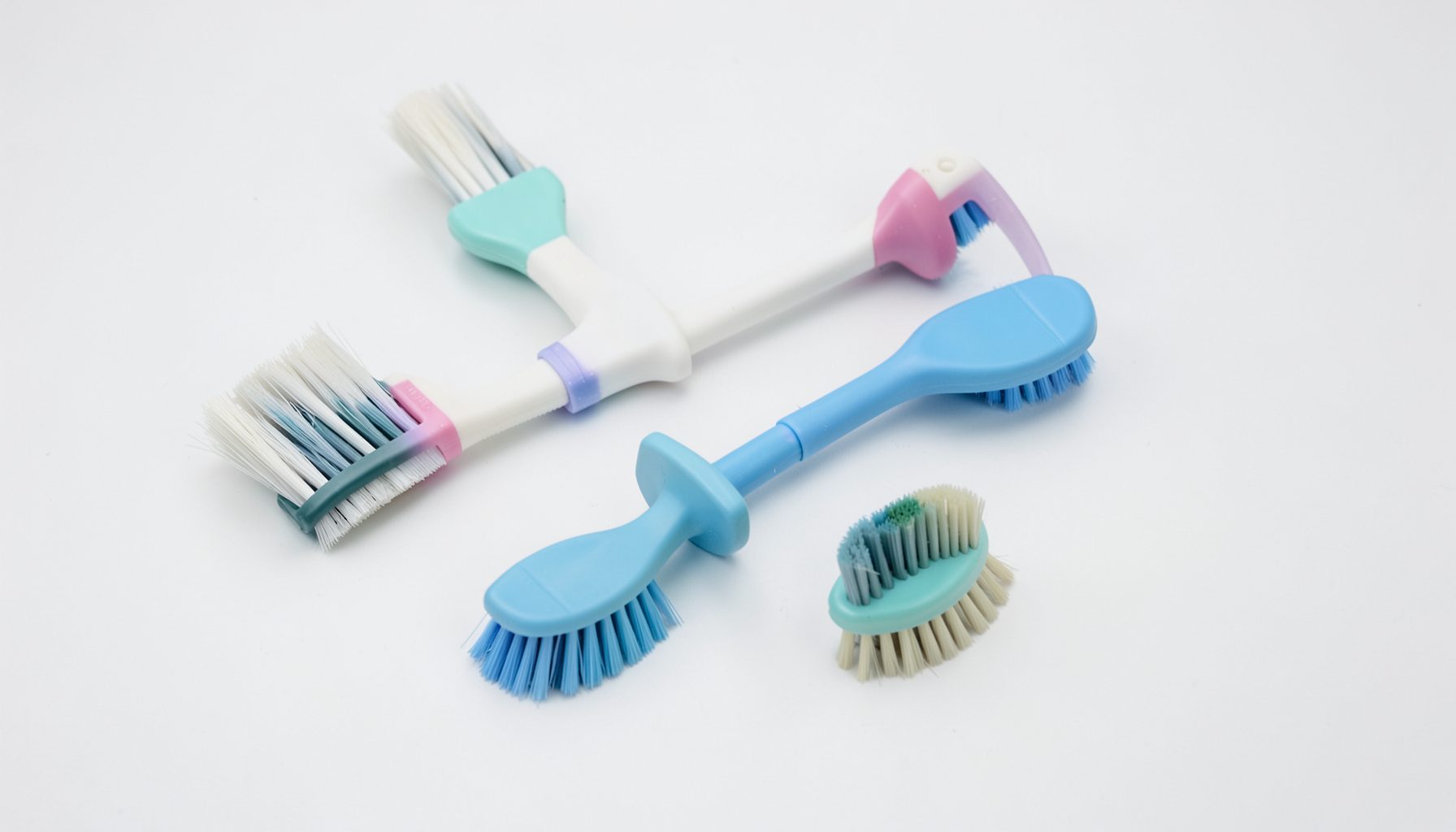
Switch nostrils and repeat. After use, rinse the bottle and let it air dry. Use ResQRinse Premium Cleaning Brushes for thorough cleaning.
How to use saline packets with filtered tap water
Nasal irrigation can loosen mucus, wash away airborne irritants, and moisturize dry nasal passages. A squeeze-bottle rinse system makes the process simple, but the quality and temperature of the water matter just as much as the saline mixture. Filtered tap water may be suitable in some homes, yet a basic pitcher or refrigerator filter does not automatically make tap water safe for nasal use.
Saline packets are formulated to create a gentle, balanced rinse when mixed with the correct volume of water. Using the entire packet, the right bottle size, and water prepared according to public-health guidance helps reduce stinging and supports a comfortable rinse. Never use plain water by itself, because it can irritate the nasal lining.
The instructions below apply to most premeasured nasal saline packets and squeeze bottles. Always read the packet and device directions as well, since fill lines, packet sizes, and cleaning requirements can vary.
Why water safety matters
The nasal passages connect to the respiratory system, so irrigation water must be free from organisms that could cause illness. The safest choices are distilled or sterile water purchased in a sealed container, or tap water that has been boiled and cooled as directed by a trusted health authority. Water labeled for drinking is not necessarily appropriate for nasal rinsing.
Filtered tap water requires extra attention. Many common carbon filters improve taste and reduce some chemicals, but they may not remove bacteria, viruses, or other microorganisms. A filter certified for microbiological reduction may offer additional protection, but its certification, maintenance schedule, and intended use should be checked before relying on it for nasal irrigation.
If local officials issue a boil-water advisory, do not use untreated tap water in a nasal rinse. People with weakened immune systems, serious chronic illness, or special medical concerns should ask a healthcare professional which water source is appropriate.
Gather the right supplies
Start with a clean saline rinse bottle, one compatible saline packet, and the recommended amount of safe water. A clean measuring cup can help if the bottle does not have a clear fill line. Use lukewarm water, close to body temperature, rather than hot or cold water. Water that feels hot on the inside of the wrist is too hot for the nasal passages.
Choose a bottle that fits the user and the intended volume. Adults may prefer a larger squeeze bottle for a full rinse, while children generally need a smaller device designed for their age and used with close adult supervision. This guide to choosing bottle size can help match capacity and comfort to each family member.
Inspect the nozzle, cap, and bottle before mixing the rinse. Do not use a packet if its seal is damaged, the powder is damp, or the product is past its expiration date. Saline packets are measured for a specific volume, so do not divide one packet between bottles unless the manufacturer specifically provides that instruction.
Mix the saline rinse correctly
Wash your hands before preparing the solution. If using boiled water, allow it to cool in a covered, clean container until it is comfortably lukewarm. Pour the prescribed amount into the bottle first, then add one full saline packet. Adding water before powder makes it easier to achieve the intended concentration and reduces the chance of dry powder sticking around the cap or nozzle.
Close the bottle securely and shake or swirl it until the powder has dissolved. A properly mixed solution should look clear or slightly cloudy according to the packet formulation, with no visible granules at the bottom. Do not add extra salt, baking soda, medication, essential oils, or other ingredients. Homemade mixtures can have an incorrect concentration and may burn or dry the nasal lining.
If the solution stings sharply, stop and reassess the water temperature, packet amount, and bottle fill level. Mild brief tingling can occur when nasal tissue is irritated, but persistent burning, bleeding, worsening pain, or significant ear pressure is a reason to stop using the rinse and seek medical advice.
Compare water choices before rinsing
The most convenient water source is not always the safest. Use the following guide as a practical reference, while following local health guidance and the device manufacturer’s instructions.
| Water source | Suitability for nasal rinsing | Important precautions |
|---|---|---|
| Distilled water | Preferred when available | Keep the container sealed until use and observe the expiration date |
| Sterile water | Suitable | Use a sealed product intended to be sterile |
| Boiled tap water | Suitable after proper boiling and cooling | Store covered in a clean container and use while fresh |
| Filtered tap water | Depends on the filter and local guidance | Confirm microbiological protection; ordinary taste filters may be inadequate |
| Unfiltered tap water | Avoid unless treated as directed | Drinking-water safety does not guarantee nasal-use safety |
| Bottled spring or mineral water | Not automatically suitable | Bottled does not mean sterile or appropriate for irrigation |
A filter must also be maintained. Replace cartridges on schedule, clean the housing as directed, and avoid using water that has passed through a neglected or visibly dirty filter. If the filter’s specifications do not clearly address microorganisms, choose distilled, sterile, or properly boiled water instead.
Rinse with a gentle technique
Lean over a sink and tilt your head slightly forward and to one side. Keep your mouth open and breathe through it. Place the Nasal Lock or nozzle gently against the nostril without forcing it inward. Squeeze with steady, moderate pressure so the solution can travel through one nasal passage and drain from the other side or the mouth.
Use roughly half the solution on one side, then switch sides if the product directions recommend a two-sided rinse. Do not force the bottle if the nose is completely blocked, if there is sharp pain, or if pressure develops in the ears. A gentler squeeze and a more upright head position may improve comfort, but severe blockage may require medical evaluation rather than increased pressure.
When finished, blow your nose softly, one side at a time. Avoid forceful nose blowing immediately after irrigation, since excessive pressure can drive fluid toward the ears. Pour out leftover solution unless the instructions specifically allow storage, and do not save a mixture that has been sitting at room temperature.
Clean and dry the bottle after each use
Cleaning prevents residue and microbial growth inside the bottle. Disassemble the cap and nozzle, rinse all parts with safe water, and wash them according to the manufacturer’s instructions. Some devices can be sanitized in a dishwasher or with another approved method, while others require hand washing. Never assume boiling or high heat is safe unless the product directions permit it.
Allow every component to air-dry completely in a clean area before reassembling or storing it. A closed, damp bottle can develop an odor or film even when it appears clean. Replace the bottle, cap, or nozzle when it becomes cracked, cloudy, sticky, or difficult to clean.
A slow stream or blocked nozzle does not mean more squeezing is the answer. Mineral deposits or dried saline may be restricting the opening, so follow these steps for clearing a clogged nozzle before using extra pressure. If the blockage remains, replacing the component may be safer than forcing it.
Make the routine comfortable and consistent
Most people find nasal irrigation easier when they use it at a predictable time, such as after exposure to dust or before bed. Give the solution time to drain before lying down. During allergy season, rinsing may help remove pollen and other particles from the nasal passages, but it should complement—not replace—treatment recommended by a clinician.
Keep these practical habits in place:
- Use a fresh saline packet for each prepared rinse unless the manufacturer states otherwise.
- Confirm the water is distilled, sterile, properly boiled and cooled, or verified safe by the filter specifications.
- Match the packet to the bottle’s fill volume rather than estimating the amount.
- Stop if you develop severe pain, repeated nosebleeds, fever, worsening symptoms, or persistent ear pressure.
- Supervise children closely and use only a device and packet intended for their age and size.
Used carefully, a saline rinse can become a straightforward part of personal nasal care. Prepare the water safely, mix the packet accurately, rinse gently, and clean the equipment every time. Explore ResQRinse rinse systems and saline supplies through the brand’s online retail partners to find a setup suited to your household.