ResQRinse is the nasal irrigation squeeze bottle that eliminates head-tilting and awkward neck positions. Using proprietary Nasal Lock™ technology, it delivers a comfortable, gag-free sinus cleanse — no more saline dripping down your throat.

Relief From Fall Sneezes
Now sold on Walmart.com. Free shipping on orders $30+. Try ResQRinse today with your everyday purchases.
Shop at WalmartWhy ResQRinse?
Nasal rinsing helps relieve congestion from colds, allergies, sinusitis, hay fever, and environmental pollutants. ResQRinse makes it comfortable enough to become a daily habit.
Nasal Lock™ Technology
Isolates sinuses from the throat using natural choanal occlusion — like inflating a balloon — so saline stays where it belongs.
Learn more →
Drug-Free Relief
Uses premixed saline packets with distilled water. No medications, no preservatives — just a natural cleanse for your nasal passages.
How to rinse →
For Kids Too
ResQRinse for Kids features a comfort nasal tip right-sized for smaller nostril openings, making rinsing gentle and easy for children.
Shop kids' version →
Breath-Controlled Flow
You control the saline flow with your own breath pressure — high volume, low pressure irrigation that's comfortable and effective.
Watch how-to videos →
Better Compliance
Designed to overcome the gagging and discomfort that cause people to abandon traditional neti pots and nasal rinse systems.
Our story →
Complete Kits Available
From the basic ResQRinse Nasal Rinse System ($19.99) to 90-day complete kits, saline packets, cleaning brushes, and Sinoptim Nasal Mist.
Browse all products →Get Started with ResQRinse
Ready to experience a better nasal rinse? Fill out the form below and we'll help you find the right product — or follow the simple steps to begin rinsing today.
Request More Information
How to Use ResQRinse
Fill the Bottle
Fill the ResQRinse squeeze bottle with distilled or previously boiled water and add one premixed saline packet.
Position the Tip
Place the comfort tip gently against one nostril. No head-tilting or awkward neck angles needed.
Squeeze & Breathe
Squeeze the bottle gently while breathing through your mouth. Nasal Lock™ keeps saline in your nasal passages and out of your throat.
Repeat & Clean
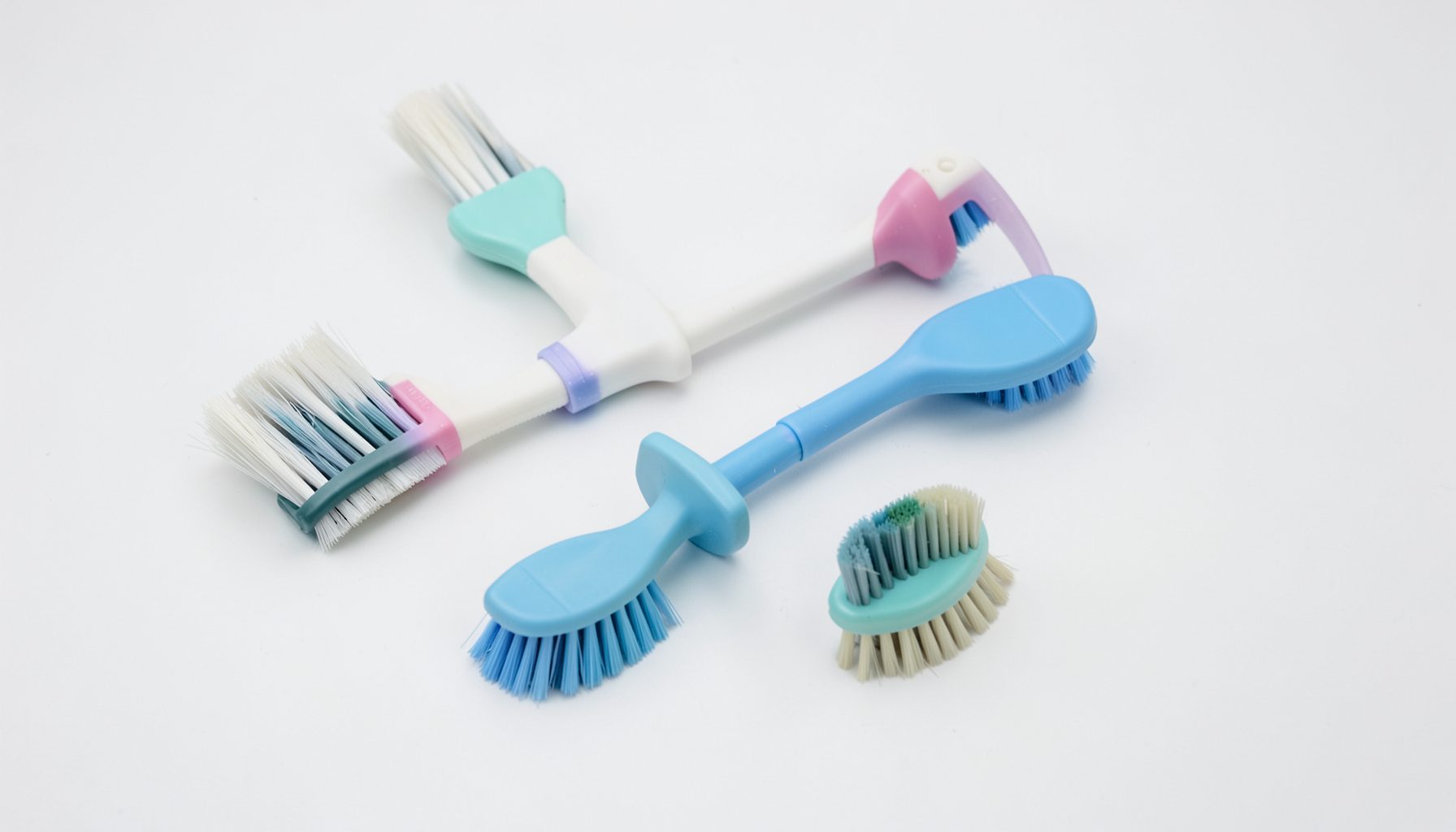
Switch nostrils and repeat. After use, rinse the bottle and let it air dry. Use ResQRinse Premium Cleaning Brushes for thorough cleaning.
Choosing a comfortable squeeze bottle size for every family member
Nasal irrigation can be a useful part of a family’s routine when congestion, seasonal allergies, dry air, or sinus discomfort makes breathing difficult. A squeeze bottle is often easier to control than a traditional neti pot, but the right capacity depends on who will use it, how frequently they rinse, and how comfortable they feel handling the device.
A larger bottle can reduce the need to refill during a session, while a smaller bottle may be easier for a child or anyone with limited hand strength to hold. Choosing by volume alone, however, can lead to an awkward fit. Grip, flow control, hygiene, portability, and the amount of saline needed all matter.
The best household setup may include different sizes rather than one universal bottle. Adults, older children, and younger users have different physical abilities and preferences, so a little planning can make nasal rinsing more comfortable and consistent.
Why bottle volume matters
A squeeze bottle’s capacity determines how much saline solution is available during one rinse. Adults who experience heavy congestion or prefer a complete rinse on both sides may appreciate a standard or larger bottle because it minimizes interruptions. It can also be useful when several family members prepare their solutions at the same time, provided every person has an individual bottle.
A smaller nasal rinse bottle may suit a child, a beginner, or someone who finds a full-size container difficult to control. Less liquid creates a lighter device and may make it easier to maintain a steady, gentle squeeze. Children’s products should be selected according to the manufacturer’s age guidance, and an adult should supervise use.
Capacity also affects travel. A compact bottle takes up less space in a toiletry bag and is easier to pack with single-use saline packets. For home use, the most practical size is usually the one that can be held securely and emptied without fatigue, rather than the bottle with the greatest volume.
Match the bottle to the user
For most adults and teenagers, a regular-capacity squeeze bottle is a sensible starting point. It provides enough solution for a thorough rinse while remaining manageable in one hand. People with strong hand control may prefer a larger model, especially during colds or periods of intense nasal congestion.
Older children may be ready for a smaller version if they can follow instructions, keep the bottle upright, and understand that the device must not be shared. A child-friendly design can make the experience less intimidating. The bottle should feel stable in the hand, with a cap and nozzle that are easy to position without forcing the user to tilt or twist their neck.
Toddlers and very young children require extra care. Nasal irrigation should be approached according to pediatric medical guidance and the product’s instructions. A parent or caregiver should manage preparation, positioning, and cleaning. Never choose a larger bottle simply because it seems more economical if the child cannot comfortably control the flow.
The table below provides a general starting point. It is not a substitute for the instructions supplied with a particular product or advice from a healthcare professional.
| User or situation | Suitable starting size | What to prioritize |
|---|---|---|
| Adult with regular congestion | Standard adult bottle | Comfortable grip, controlled flow, sufficient saline |
| Adult with frequent or heavy congestion | Larger adult bottle | Fewer refills and easy squeezing |
| Teenager or older child | Small or child-sized bottle | Light weight, simple handling, supervision |
| Younger child | Child-specific option | Age guidance, caregiver control, gentle use |
| Travel or occasional use | Compact bottle | Portability, leak-resistant cap, easy cleaning |
| Limited hand strength | Smaller or flexible bottle | Low squeeze effort and secure grip |
Consider comfort over maximum capacity
A bottle that holds more solution is not automatically the better choice. If it is too wide, heavy, or firm, the user may struggle to keep the nozzle positioned correctly. An uncomfortable grip can cause uneven pressure, sudden spurts, or early fatigue. The result may be an unpleasant experience that discourages regular use.
Look for a shape that fits the user’s palm and allows the fingers to squeeze without excessive force. A textured surface or contoured body can help when hands are wet. The cap should open and close securely, and the nozzle should feel stable rather than loose during use.
Nasal Lock technology is another feature worth examining when comparing systems. A design that helps create a secure seal may improve control and reduce mess around the nostril. Learn more about the brand’s design and purpose through ResQRinse’s approach, then compare those features with the needs of each person in your household.
Use the correct saline amount
Bottle size and saline preparation must work together. Each squeeze system is designed for a specific amount of water and saline, so users should follow the packet directions rather than estimating the concentration. An overly strong mixture may sting, while an overly weak solution may feel ineffective or irritating.
Premeasured saline packets can simplify preparation for busy families because they offer a consistent ratio when used with the recommended water volume. They also make it easier to pack supplies for work, school, or travel. Families interested in the difference between prepared packets and kitchen measurements can review this saline mix comparison.
Use distilled, sterile, or previously boiled and cooled water as directed by health authorities and the product instructions. Tap water should not be used casually for nasal rinsing. If a family member has had nasal surgery, recurring nosebleeds, a weakened immune system, or a condition requiring specialist care, ask a clinician about the safest approach.
Plan for cleaning and storage
Every user should have an individually assigned bottle, even if family members share a box of saline packets. Sharing the bottle or nozzle can spread germs and makes it harder to maintain good hygiene. Write initials on the bottle or use different colors so children can identify their own equipment.
After each use, empty leftover solution and rinse the bottle according to the manufacturer’s directions. Allow all parts to air-dry completely before reassembly or storage. Moisture trapped inside the container can encourage microbial growth. A cleaning brush can help reach the interior, but it should also be rinsed and dried after use.
Replace bottles, nozzles, and other parts when they become cracked, cloudy, difficult to clean, or worn. Keep the system in a clean, dry area away from bathroom splashes. The answers to common questions can help clarify preparation, cleaning, replacement, and usage details for a specific ResQRinse system.
Build a setup around your household
A family does not need to purchase identical squeeze bottles for everyone. A practical arrangement might pair a full-size adult bottle for routine home use with a smaller child’s bottle and a compact travel option. This approach avoids forcing a child to use equipment that is too large while giving adults enough capacity for a complete rinse.
Consider when each person is most likely to use the system. If several people rinse in the morning, keep bottles, saline packets, and clean water supplies together in an organized area. If one family member uses nasal irrigation only during allergy season, a smaller kit may reduce clutter and make storage easier.
It is also useful to account for hand strength, height, mobility, and confidence. Someone recovering from illness may prefer a smaller bottle temporarily, while an experienced adult may value a larger capacity. Reassess the choice as children grow, as symptoms change, or as the family begins traveling more often.
A practical buying checklist
Before choosing a squeeze bottle, compare the product specifications with the user’s real routine. A comfortable, easy-to-clean system is more likely to be used correctly than one selected only for its capacity or low price. Check whether replacement parts and saline packets are readily available as well.
Use these points when comparing models:
- Choose a bottle that the intended user can hold, position, and squeeze without strain.
- Select a child-sized option for younger users when the manufacturer provides one.
- Match the bottle’s capacity to the recommended saline volume; do not overfill it.
- Confirm that the nozzle, cap, and interior can be cleaned and dried thoroughly.
- Keep a separate bottle for each family member and replace worn components promptly.
The right size should support calm, controlled use from start to finish. For many households, that means combining a standard adult squeeze bottle with a lighter child or travel model rather than expecting one device to suit everyone.
Explore ResQRinse’s nasal irrigation systems, saline supplies, and family-friendly options through the brand’s online retail listings at Walmart or Amazon. Choose the capacity that fits each user’s hands, routine, and comfort level, then follow the product instructions carefully for preparation, use, and cleaning.