ResQRinse is the nasal irrigation squeeze bottle that eliminates head-tilting and awkward neck positions. Using proprietary Nasal Lock™ technology, it delivers a comfortable, gag-free sinus cleanse — no more saline dripping down your throat.

Relief From Fall Sneezes
Now sold on Walmart.com. Free shipping on orders $30+. Try ResQRinse today with your everyday purchases.
Shop at WalmartWhy ResQRinse?
Nasal rinsing helps relieve congestion from colds, allergies, sinusitis, hay fever, and environmental pollutants. ResQRinse makes it comfortable enough to become a daily habit.
Nasal Lock™ Technology
Isolates sinuses from the throat using natural choanal occlusion — like inflating a balloon — so saline stays where it belongs.
Learn more →
Drug-Free Relief
Uses premixed saline packets with distilled water. No medications, no preservatives — just a natural cleanse for your nasal passages.
How to rinse →
For Kids Too
ResQRinse for Kids features a comfort nasal tip right-sized for smaller nostril openings, making rinsing gentle and easy for children.
Shop kids' version →
Breath-Controlled Flow
You control the saline flow with your own breath pressure — high volume, low pressure irrigation that's comfortable and effective.
Watch how-to videos →
Better Compliance
Designed to overcome the gagging and discomfort that cause people to abandon traditional neti pots and nasal rinse systems.
Our story →
Complete Kits Available
From the basic ResQRinse Nasal Rinse System ($19.99) to 90-day complete kits, saline packets, cleaning brushes, and Sinoptim Nasal Mist.
Browse all products →Get Started with ResQRinse
Ready to experience a better nasal rinse? Fill out the form below and we'll help you find the right product — or follow the simple steps to begin rinsing today.
Request More Information
How to Use ResQRinse
Fill the Bottle
Fill the ResQRinse squeeze bottle with distilled or previously boiled water and add one premixed saline packet.
Position the Tip
Place the comfort tip gently against one nostril. No head-tilting or awkward neck angles needed.
Squeeze & Breathe
Squeeze the bottle gently while breathing through your mouth. Nasal Lock™ keeps saline in your nasal passages and out of your throat.
Repeat & Clean
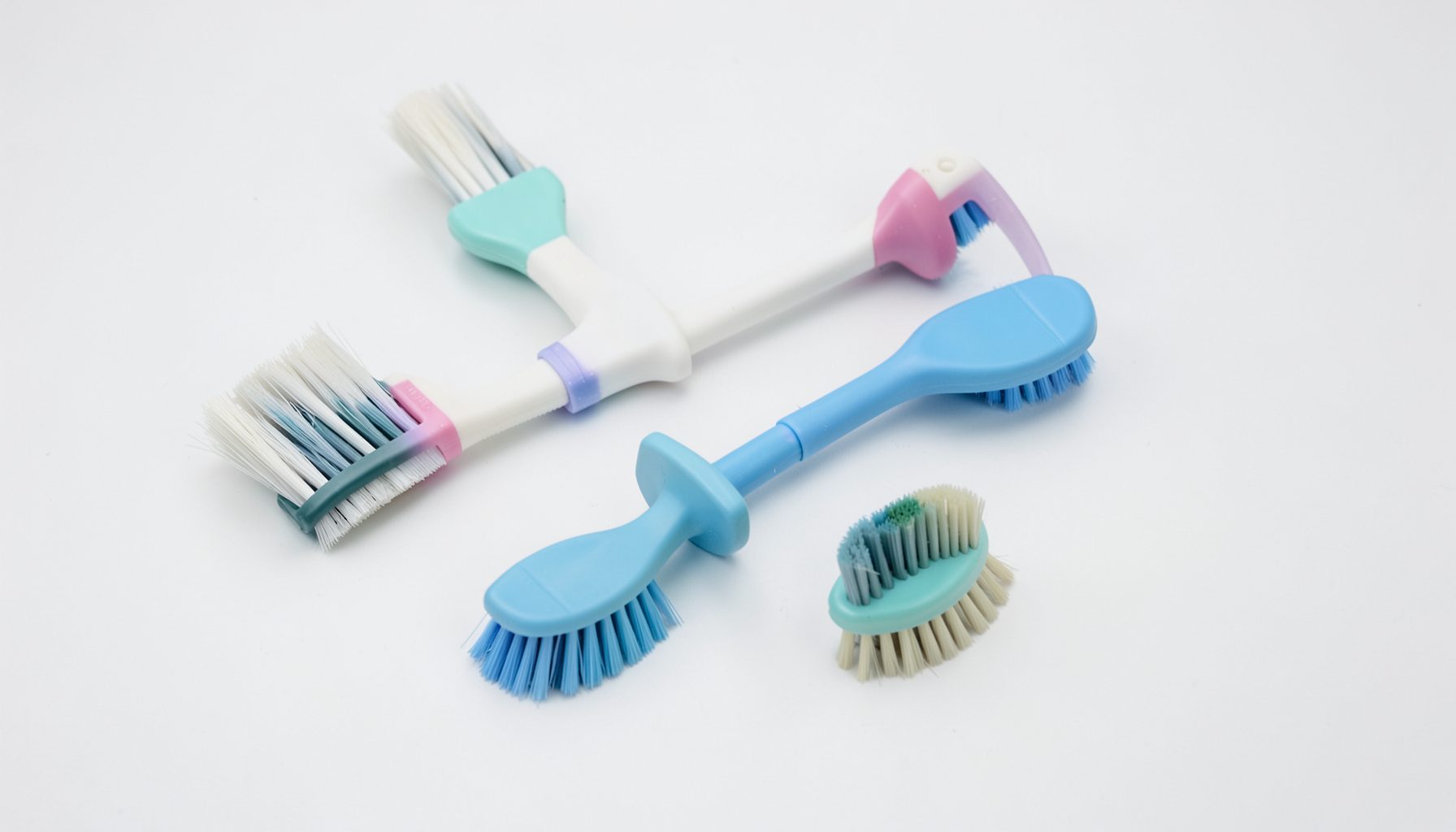
Switch nostrils and repeat. After use, rinse the bottle and let it air dry. Use ResQRinse Premium Cleaning Brushes for thorough cleaning.
Using Nasal Rinse During Cold Recovery
A cold can leave the inside of the nose swollen, dry, and coated with thick mucus even after the worst symptoms have passed. A gentle saline rinse may help wash away mucus, loosen congestion, and make breathing more comfortable while your body continues to recover.
The process is simple, but safe technique matters. Use the right water, prepare the saline correctly, clean the device after every use, and stop if rinsing causes significant pain or worsening symptoms. Nasal irrigation can ease symptoms, but it does not eliminate the virus that caused the cold.
Knowing how to use nasal rinse while recovering from a cold also helps you avoid common mistakes, such as squeezing too forcefully or sharing a bottle. The following routine is designed for adults who want a comfortable, practical way to support clearer nasal passages.
Why Saline Rinsing May Help
A cold often increases mucus production and causes inflammation in the nasal passages. Saline solution can thin heavy secretions so they move out more easily. Rinsing may also remove particles, dried mucus, and irritants that continue to bother sensitive nasal tissue.
Unlike medicated decongestant sprays, a plain saline rinse does not rely on a drug that may cause rebound congestion when overused. It provides moisture and gentle flushing instead. However, relief varies from person to person, and rinsing should be viewed as supportive care rather than a cure for the common cold.
Some people also use nasal irrigation when outdoor dust or seasonal pollen aggravates cold-related congestion. For broader guidance on clearing those irritants, see this gardening season relief resource.
Prepare The Rinse Safely
Water safety is the first priority. Use distilled or sterile water, or tap water that has been boiled and cooled according to public health guidance. Do not use untreated tap water in a nasal rinse system, because water that is safe to drink may still contain microorganisms that should not enter the nasal passages.
Use a commercially prepared saline packet when possible. These packets are measured to create a balanced solution when mixed with the recommended amount of water. Plain water can sting, while an overly salty mixture may irritate or dry the nose. Follow the instructions supplied with the rinse system rather than adding extra salt.
Wash your hands before preparing the solution. Check that the bottle, cap, and nozzle are clean and intact. If the liquid is hot, allow it to cool to a comfortably lukewarm temperature before use. A solution that feels close to body temperature is generally more pleasant than one that is very cold or warm.
Use A Gentle, Controlled Technique
Lean over a sink and tilt your head slightly to one side while keeping your mouth open for breathing. Place the nozzle securely against the nostril without forcing it deeply inside. With a squeeze-bottle system, apply steady, gentle pressure and allow the saline to flow through one nasal passage and out the other.
Breathe through your mouth during the rinse. Do not hold your breath, sniff forcefully, or squeeze as hard as possible. Excessive pressure can make the experience uncomfortable and may push fluid toward the ears. A design such as ResQRinse Nasal Lock technology is intended to support a more controlled seal, but a gentle hand still produces the best experience.
Switch sides and repeat with the remaining solution. When finished, blow your nose softly, one side at a time. Avoid vigorous nose blowing immediately afterward, especially if your nasal tissues feel tender. A small amount of drainage for several minutes is normal.
Fit Rinsing Into Cold Recovery
Many people prefer to rinse when mucus is most bothersome, such as after waking or before bed. A morning rinse may clear secretions that collected overnight, while an evening rinse can make it easier to rest. Using saline before a warm shower may also help loosen mucus, although the rinse should be performed with safe water and a clean device.
The ideal frequency depends on symptoms and product directions. During a short period of heavy congestion, some adults may find one or two rinses a day useful. More frequent use is not automatically better. If the nose becomes dry, irritated, or increasingly uncomfortable, reduce use and consider discussing the symptoms with a healthcare professional.
A nasal rinse may be especially useful before applying a prescribed nasal medication, because clearing excess mucus can help the medication contact the nasal lining. Ask a pharmacist or clinician about the correct order for your specific medicine. Do not add medication, essential oils, or other ingredients to the rinse unless a qualified professional specifically instructs you to do so.
Compare Common Nasal Cleansing Options
Different systems can provide saline irrigation, but their shape and handling affect convenience, control, and suitability for each user. A squeeze bottle is often easier for people who want adjustable flow, while a nasal mist is better suited to light moisturizing rather than flushing thick mucus.
| Option | Best suited for | Flow and cleansing | Key considerations |
|---|---|---|---|
| Squeeze-bottle rinse | Moderate congestion and thick mucus | Adjustable flow with gentle hand pressure | Requires careful cleaning and safe water |
| Neti pot | Users comfortable with gravity-fed rinsing | Slow, steady flow | Head position and pouring technique take practice |
| Saline nasal mist | Dryness or mild irritation | Light spray, limited flushing | Usually does not remove heavy mucus as thoroughly |
| Children’s rinse system | Supervised use by appropriate-aged children | Designed for smaller users | Follow age guidance and provide close adult supervision |
No option should be shared, even among family members. A child should use a product designed for children and should never be left to manage nasal irrigation alone. If a child resists, cries continuously, or cannot follow breathing instructions, stop and consult a pediatric healthcare professional.
Clean The Device And Watch Symptoms
After each use, empty leftover solution and rinse the bottle and removable parts as directed by the manufacturer. Allow components to air-dry completely in a clean location. Moist, closed containers can encourage microbial growth. Use a cleaning brush where applicable, and replace the system or parts according to product instructions.
Do not use a nasal rinse if one side is completely blocked and fluid cannot pass comfortably. Stop if you experience sharp ear pain, significant nosebleeding, severe burning, dizziness, or symptoms that become worse after rinsing. Mild tingling can occur with sensitive tissue, but persistent discomfort is a reason to pause.
Seek medical advice if a cold lasts longer than expected, symptoms improve and then sharply worsen, or you develop trouble breathing, chest pain, confusion, dehydration, or a persistent high fever. Facial pain, swelling around the eyes, severe headache, or thick discharge accompanied by worsening illness also deserves professional evaluation. A rinse can support comfort, but it should not delay care for a more serious infection.
Build A Simple Recovery Routine
A consistent routine is easier to follow when it combines saline rinsing with basic cold-care habits. Rest, adequate fluids, humidified air, and gentle nose blowing can complement irrigation. If allergies are also contributing to congestion, this allergy rinse plan offers additional context for organizing saline care.
Keep the process short and comfortable rather than trying to force every last bit of mucus out. These practical habits can help make nasal irrigation safer and more predictable:
- Wash your hands before preparing or using the rinse.
- Choose distilled, sterile, or properly boiled and cooled water.
- Use the recommended saline packet and solution volume.
- Apply gentle pressure while breathing through your mouth.
- Clean, dry, and store the device according to its instructions.
Use a fresh solution for each session and discard anything left in the bottle. Keep saline packets and equipment away from children unless an adult is supervising. If congestion is mild, a saline mist may provide enough moisture; reserve full irrigation for times when flushing is genuinely helpful.
A clean, correctly prepared rinse can become a useful part of recovering from a cold without adding unnecessary medication. Explore ResQRinse squeeze-bottle systems, children’s options, saline packets, cleaning brushes, complete kits, and nasal mist products through Walmart or Amazon, and choose the format that best matches your household’s needs.