ResQRinse is the nasal irrigation squeeze bottle that eliminates head-tilting and awkward neck positions. Using proprietary Nasal Lock™ technology, it delivers a comfortable, gag-free sinus cleanse — no more saline dripping down your throat.

Relief From Fall Sneezes
Now sold on Walmart.com. Free shipping on orders $30+. Try ResQRinse today with your everyday purchases.
Shop at WalmartWhy ResQRinse?
Nasal rinsing helps relieve congestion from colds, allergies, sinusitis, hay fever, and environmental pollutants. ResQRinse makes it comfortable enough to become a daily habit.
Nasal Lock™ Technology
Isolates sinuses from the throat using natural choanal occlusion — like inflating a balloon — so saline stays where it belongs.
Learn more →
Drug-Free Relief
Uses premixed saline packets with distilled water. No medications, no preservatives — just a natural cleanse for your nasal passages.
How to rinse →
For Kids Too
ResQRinse for Kids features a comfort nasal tip right-sized for smaller nostril openings, making rinsing gentle and easy for children.
Shop kids' version →
Breath-Controlled Flow
You control the saline flow with your own breath pressure — high volume, low pressure irrigation that's comfortable and effective.
Watch how-to videos →
Better Compliance
Designed to overcome the gagging and discomfort that cause people to abandon traditional neti pots and nasal rinse systems.
Our story →
Complete Kits Available
From the basic ResQRinse Nasal Rinse System ($19.99) to 90-day complete kits, saline packets, cleaning brushes, and Sinoptim Nasal Mist.
Browse all products →Get Started with ResQRinse
Ready to experience a better nasal rinse? Fill out the form below and we'll help you find the right product — or follow the simple steps to begin rinsing today.
Request More Information
How to Use ResQRinse
Fill the Bottle
Fill the ResQRinse squeeze bottle with distilled or previously boiled water and add one premixed saline packet.
Position the Tip
Place the comfort tip gently against one nostril. No head-tilting or awkward neck angles needed.
Squeeze & Breathe
Squeeze the bottle gently while breathing through your mouth. Nasal Lock™ keeps saline in your nasal passages and out of your throat.
Repeat & Clean
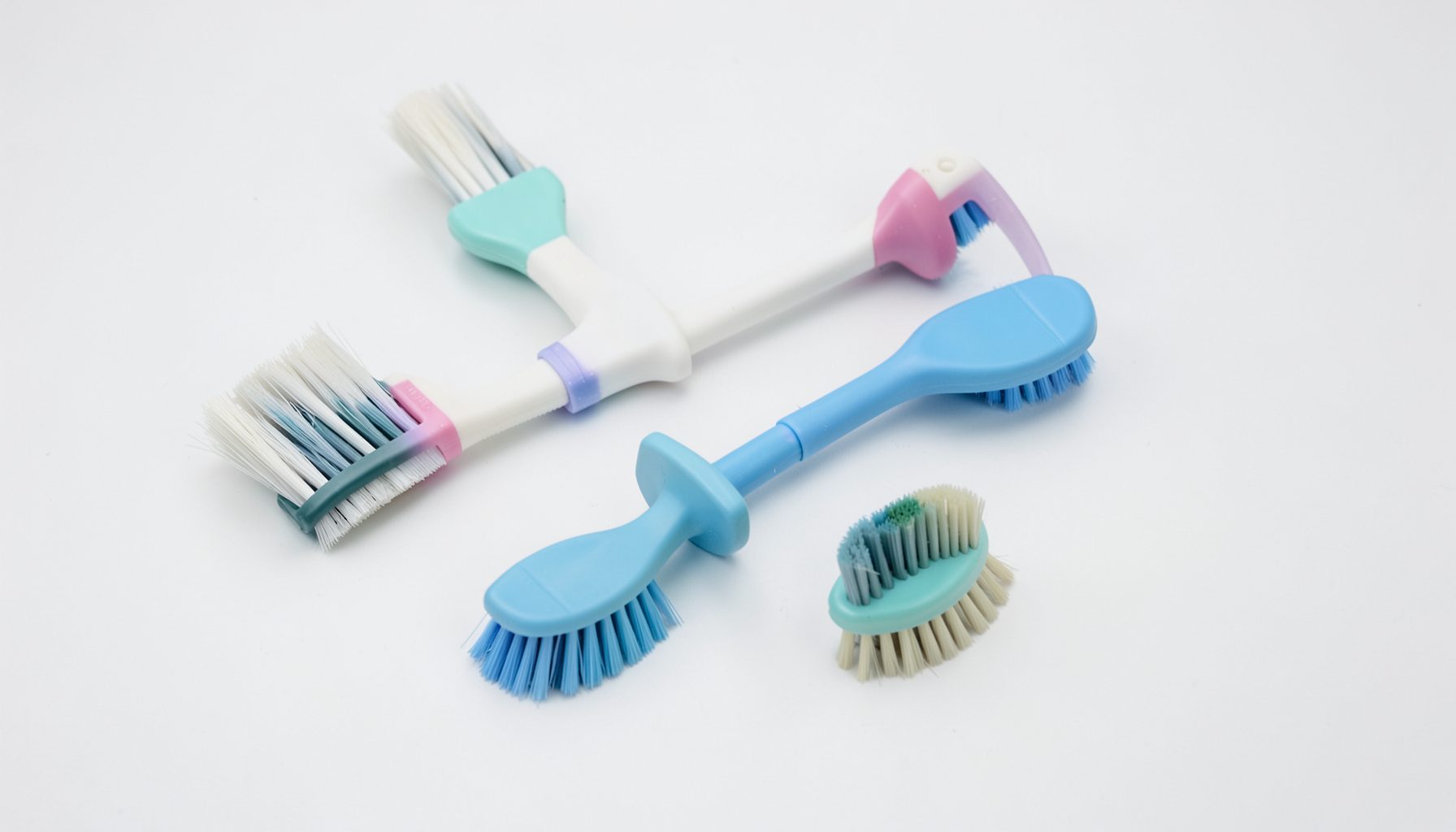
Switch nostrils and repeat. After use, rinse the bottle and let it air dry. Use ResQRinse Premium Cleaning Brushes for thorough cleaning.
How to use a nasal rinse kit when you have a cold-related fever
A fever can leave you tired, dehydrated and more sensitive to discomfort, while a cold may bring a blocked nose, thick mucus, post-nasal drip and pressure around the sinuses. Nasal irrigation can help wash away mucus and allergens, but it needs to be used gently when your body is already fighting an infection.
Using a nasal rinse kit when you have a fever from a cold is generally suitable for many adults if they feel steady enough to stand or sit comfortably. The rinse does not lower body temperature or treat the virus itself. Its role is to moisturise the nasal passages, loosen secretions and make breathing through the nose easier while you recover.
What fever changes about nasal rinsing
A mild fever does not automatically mean you must avoid saline irrigation. The more important considerations are how unwell you feel, whether you can stay hydrated and whether you can follow the cleaning and preparation steps safely. If you are shivering, faint, confused, vomiting or too weak to handle a bottle, postpone the rinse and focus on rest and fluids.
Use a nasal rinse when you are calm and supported, rather than immediately after exercise or a hot shower. Sit near a sink, keep tissues close and avoid rushing. A comfortable saline rinse may reduce congestion, but it should not cause sharp pain, intense ear pressure or significant burning. ResQRinse also explains how nasal irrigation may relate to nasal symptoms during activity in its guide to exercise-induced rhinitis.
A fever above 40°C, breathing difficulty, chest pain, severe headache, stiff neck, unusual drowsiness or a rapidly worsening illness needs prompt medical attention. In Australia, you can contact healthdirect on 1800 022 222 for advice, call 000 for an emergency, or speak with a GP or pharmacist.
Check whether rinsing is appropriate
Before starting, consider whether your nose is open enough for liquid to pass through. A completely sealed nasal passage, recent nasal surgery, frequent nosebleeds or significant ear problems may make irrigation uncomfortable or unsuitable. People with recurring sinus infections should ask their doctor or pharmacist about the best frequency and technique.
Do not force saline through resistance. If the liquid will not flow, stop, blow your nose gently and try again later. Leaning forward with your mouth open helps reduce the chance of swallowing the solution. Mild tingling can occur, but strong stinging usually means the solution is too concentrated, too cold, too hot or contaminated.
If fever symptoms are accompanied by facial swelling, one-sided severe pain, pus-like discharge, dehydration or symptoms lasting longer than expected, arrange a medical review. A rinse can support comfort, but it cannot replace treatment for a bacterial infection or another condition requiring professional care.
Prepare safe saline and water
Use a commercially prepared saline sachet with the volume of water specified by the manufacturer. These packets are designed to create a balanced solution and are usually more comfortable than mixing salt by guesswork. Plain tap water can irritate the nose and is not suitable for nasal irrigation unless it has been treated according to reliable health guidance.
Use distilled, sterile or previously boiled water that has been cooled to lukewarm temperature. In Australia, many households use treated mains water in cities such as Sydney, Melbourne, Brisbane and Perth, but drinking-water quality does not remove the need to follow the rinse manufacturer’s safety instructions. Bottled water is not automatically sterile, so check the label rather than assuming it is appropriate.
Wash your hands before preparing the solution. Fill the bottle with the recommended amount of water, add the saline packet and shake until fully dissolved. Never use hot water straight from the kettle, as it can burn delicate nasal tissue. Test the bottle against the inside of your wrist if the temperature is uncertain.
Use the squeeze bottle gently
Stand over a basin or use the shower if that is more comfortable. Bend forward from the hips, keep your forehead slightly higher than your chin, and turn your head gently to one side. Place the nozzle against the nostril to create a comfortable seal, but do not push it deeply inside.
Squeeze slowly while breathing through your open mouth. The saline should flow through the nasal passage and leave through the other nostril or mouth. Nasal Lock technology in some squeeze-bottle systems is intended to support a secure, comfortable seal, but pressure should still remain light. Stop if you feel ear fullness, sharp pain, dizziness or choking.
Afterward, allow the remaining liquid to drain and blow your nose softly, one nostril at a time. Avoid forceful nose-blowing because it can increase pressure around the ears and sinuses. Many people prefer rinsing in the morning or before bed, but during a fever, once daily or less may be enough for comfort unless a clinician advises otherwise.
Clean the bottle after every use
A warm, damp bottle can support microbial growth, so cleaning is part of safe nasal care. Empty leftover saline immediately after use, rinse the bottle and nozzle with safe water, and wash them with mild dishwashing liquid if the product instructions allow it. Use a cleaning brush for narrow areas and rinse away all soap residue.
Allow every component to air-dry completely in a clean place before reassembling it. Do not store a wet bottle in a closed bathroom cabinet. Replace parts at the interval recommended by the manufacturer, and discard any component that becomes cracked, cloudy or difficult to clean.
Never share a nasal rinse bottle, even with a family member who has the same cold. A shared device can transfer germs. If several people in an Australian household are unwell, each person should have their own labelled kit, saline supplies and towel.
Make the routine comfortable for children and teenagers
Children with a fever may resist anything unfamiliar, especially when their nose and throat already feel sore. A parent or carer should supervise the process, use an age-appropriate product and stop if the child becomes distressed. Never hold a child’s nose closed or force a squeeze bottle through a blocked passage.
Older children and teenagers can learn the routine when they feel well enough, starting with handwashing, safe water preparation and a slow squeeze. ResQRinse provides practical guidance on teaching a teenager to use a squeeze-bottle system, which can help make the process more predictable and independent.
For a younger child, a saline mist may be easier to tolerate than a full-volume rinse. Ask a GP, pharmacist or child health nurse about the most suitable option, particularly if the child has a high fever, asthma, recurrent ear infections or difficulty breathing.
Recommendations for safer relief
A simple plan can make nasal irrigation easier while your immune system deals with a cold. Keep the routine gentle, use clean equipment and treat worsening symptoms as a reason to seek advice rather than increase the rinse pressure.
- Check your temperature, energy level and hydration before rinsing.
- Use sterile, distilled or boiled-and-cooled water with the correct saline packet.
- Prepare the solution at a lukewarm temperature and never use plain water.
- Squeeze slowly and stop if you feel pain, dizziness or ear pressure.
- Clean, rinse and air-dry the bottle after every use.
- Avoid sharing the kit and keep it away from children who cannot use it safely.
- Seek medical advice for severe, persistent or rapidly worsening symptoms.
A cool room, regular sips of water, rest and appropriately used fever medicine can complement symptom relief, provided the medicine is suitable for you and taken according to the label or professional advice. In Australia, a local pharmacist can also help check whether your symptoms, medications or medical history affect nasal-rinse use.
When you are ready to choose a system, review the saline options, child-friendly products and cleaning accessories available from ResQRinse nasal care. Use the kit as a comfort measure, follow its instructions carefully and contact a healthcare professional if your fever or breathing symptoms do not improve.