ResQRinse is the nasal irrigation squeeze bottle that eliminates head-tilting and awkward neck positions. Using proprietary Nasal Lock™ technology, it delivers a comfortable, gag-free sinus cleanse — no more saline dripping down your throat.

Relief From Fall Sneezes
Now sold on Walmart.com. Free shipping on orders $30+. Try ResQRinse today with your everyday purchases.
Shop at WalmartWhy ResQRinse?
Nasal rinsing helps relieve congestion from colds, allergies, sinusitis, hay fever, and environmental pollutants. ResQRinse makes it comfortable enough to become a daily habit.
Nasal Lock™ Technology
Isolates sinuses from the throat using natural choanal occlusion — like inflating a balloon — so saline stays where it belongs.
Learn more →
Drug-Free Relief
Uses premixed saline packets with distilled water. No medications, no preservatives — just a natural cleanse for your nasal passages.
How to rinse →
For Kids Too
ResQRinse for Kids features a comfort nasal tip right-sized for smaller nostril openings, making rinsing gentle and easy for children.
Shop kids' version →
Breath-Controlled Flow
You control the saline flow with your own breath pressure — high volume, low pressure irrigation that's comfortable and effective.
Watch how-to videos →
Better Compliance
Designed to overcome the gagging and discomfort that cause people to abandon traditional neti pots and nasal rinse systems.
Our story →
Complete Kits Available
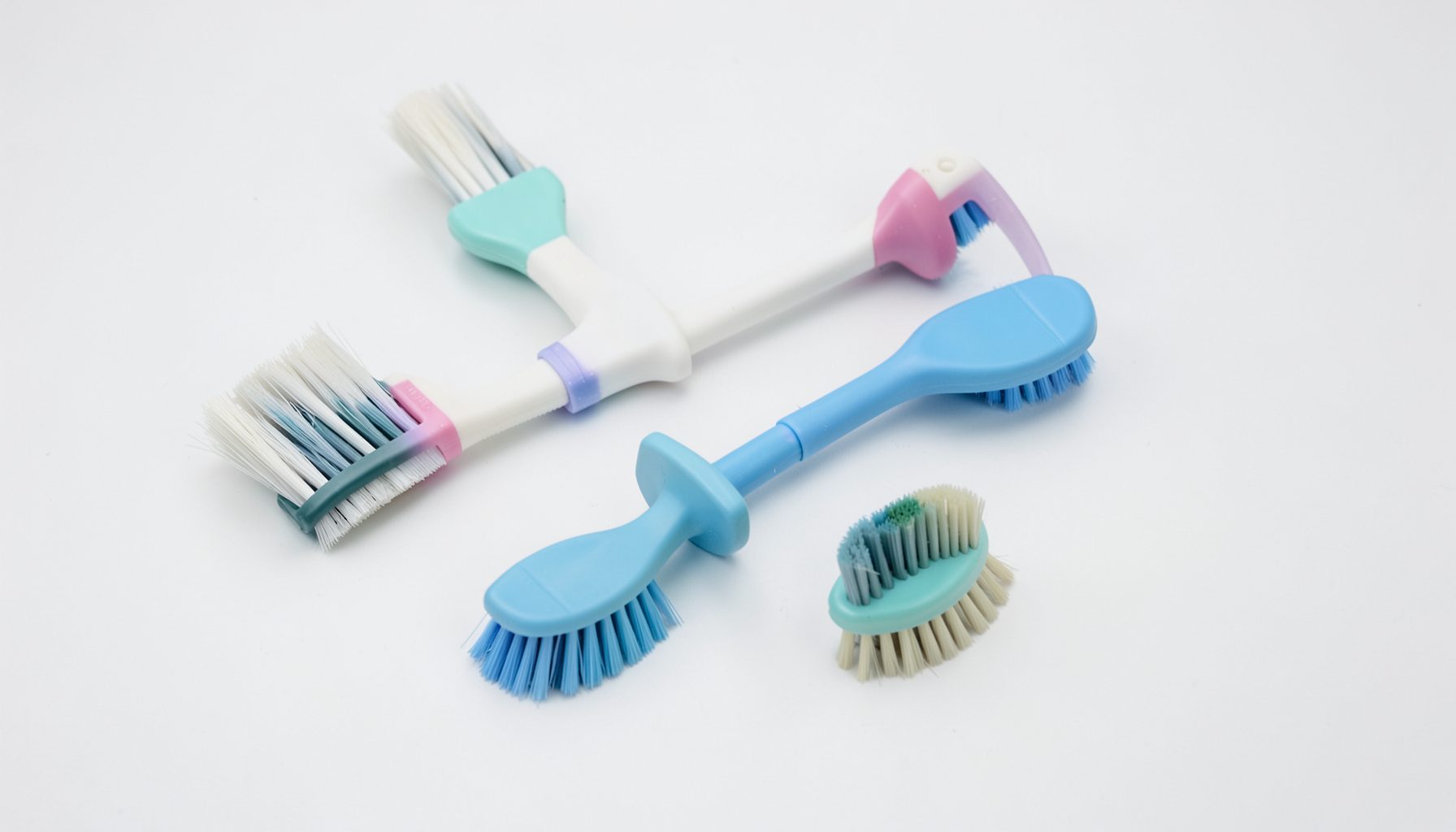
From the basic ResQRinse Nasal Rinse System ($19.99) to 90-day complete kits, saline packets, cleaning brushes, and Sinoptim Nasal Mist.
Browse all products →Get Started with ResQRinse
Ready to experience a better nasal rinse? Fill out the form below and we'll help you find the right product — or follow the simple steps to begin rinsing today.
Request More Information
How to Use ResQRinse
Fill the Bottle
Fill the ResQRinse squeeze bottle with distilled or previously boiled water and add one premixed saline packet.
Position the Tip
Place the comfort tip gently against one nostril. No head-tilting or awkward neck angles needed.
Squeeze & Breathe
Squeeze the bottle gently while breathing through your mouth. Nasal Lock™ keeps saline in your nasal passages and out of your throat.
Repeat & Clean
Switch nostrils and repeat. After use, rinse the bottle and let it air dry. Use ResQRinse Premium Cleaning Brushes for thorough cleaning.
How to Teach a Teenager to Use a Squeeze Bottle System
Nasal congestion can make school, sports, sleep, and everyday activities harder for teenagers. Allergies, colds, dry air, sinus irritation, and exercise-related congestion may all leave the nose feeling blocked. A saline rinse can help wash away mucus, pollen, dust, and other irritants while adding moisture to the nasal passages.
Teaching a teen to use a squeeze bottle system works best when the process feels simple, private, and manageable. Demonstrate the steps, explain the reason behind each one, and let the teenager control the pace. The goal is to build confidence with nasal irrigation rather than make the experience feel like a chore or a medical procedure.
Explain what the rinse does
Start by describing the system in practical terms. A squeeze bottle sends a gentle stream of saline solution through one nostril and out the other. The solution can loosen thick mucus and rinse away allergens, which may make breathing more comfortable. It does not cure every cause of congestion, and it should not replace medical care when symptoms are severe or persistent.
Teenagers may be more cooperative when they understand the purpose. Explain that nasal rinsing can be useful before bed, after outdoor activities, during allergy season, or after exercise if the nose feels congested. ResQRinse describes its ResQRinse design, including features intended to make the process more comfortable and easier to control than using a traditional neti pot.
Avoid presenting the rinse as a punishment or insisting that a teen continue if the first attempt feels unpleasant. A calm explanation and a short demonstration often work better than repeated instructions. Let the teenager ask questions about pressure, taste, drainage, and what the process will feel like.
Gather the right supplies
Before beginning, place everything within reach: the squeeze bottle, a saline packet, safe water, tissues, and a clean towel. Use distilled or sterile water, or tap water that has been boiled and cooled according to public health guidance. Ordinary untreated tap water should not be used for nasal irrigation because it may contain organisms that are unsafe when introduced into the nasal passages.
Mix the saline exactly as directed on the packet. Using too little or too much salt can cause burning, stinging, or irritation. The water should feel comfortably lukewarm, never hot. A properly mixed solution usually feels much gentler than plain water because its salt concentration is closer to the natural fluids in the nose.
Have the teenager wash their hands before preparing the rinse. The bottle, cap, and nozzle should also be clean and dry before use. If the teen has a blocked nostril, active nosebleed, recent nasal surgery, or a condition affecting the nose or ears, check with a healthcare professional before starting.
Demonstrate the position and technique
Show the process first, either with an empty bottle or by explaining the movements slowly. The teenager should lean over a sink, tilt the head slightly forward, and turn it to one side. Keeping the mouth open allows the person to breathe while rinsing. The bottle nozzle should create a gentle seal at the nostril without being pushed forcefully inside.
Ask the teen to squeeze slowly and steadily. The saline should flow through the nasal passage and drain from the opposite nostril or mouth. It is normal for some solution to reach the throat, but swallowing can usually be avoided by leaning forward and breathing through the mouth. If the solution runs down the back of the throat, spit it out rather than worrying about it.
Switch sides and repeat with the remaining solution. Encourage the teenager to blow the nose gently afterward, one side at a time. Forceful blowing may increase pressure in the ears or irritate the nasal lining. The first session can be brief; comfort and correct positioning matter more than using every drop.
Help them adjust pressure and expectations
Many teenagers stop because they squeeze too hard or expect the rinse to feel exactly like ordinary water. Explain that mild pressure or a temporary full sensation can occur, but sharp pain, significant ear pressure, dizziness, or intense burning means they should stop. The solution should flow steadily, not blast forcefully.
If the nose is completely blocked, the saline may not pass easily. In that case, the teenager should not keep increasing pressure. Waiting until swelling decreases, trying later, or speaking with a healthcare professional may be safer. A saline mist can be a gentler option for simple moisture support, while a full irrigation may be more useful when mucus and allergens need to be flushed away.
Some teens may prefer practicing at a time when they are not rushed. A rinse before a shower can make cleanup easier, while a session after outdoor exercise may help remove airborne irritants. Guidance on exercise-related congestion can help families understand why nasal symptoms sometimes appear during or after physical activity.
Choose the right method for the situation
A squeeze bottle gives the user control over the speed and amount of saline. A neti pot relies more on gravity and may feel less intuitive for a first-time user. A nasal mist delivers a smaller amount of moisture and can be convenient when a teenager needs a quick option away from home.
| Option | Best suited for | Main teaching point |
|---|---|---|
| Squeeze bottle rinse | Mucus, allergens, and heavier congestion | Use gentle, controlled pressure |
| Neti pot | Users comfortable with gravity-fed rinsing | Keep the head angle steady |
| Saline mist | Dryness and light moisture support | It may not flush out thick mucus |
| Children’s rinse system | Younger users or smaller nasal passages | Follow the age guidance and supervise |
A teenager with recurring symptoms may use more than one approach at different times. For example, a saline mist may help with dryness during the day, while a squeeze bottle may be more practical after exposure to pollen. Product instructions should always take priority, especially regarding age recommendations, cleaning, and frequency of use.
Make hygiene part of the routine
Cleaning should be taught during the first lesson rather than treated as an afterthought. After use, empty leftover saline, rinse the bottle with safe water, and allow every part to air-dry completely. Follow the manufacturer’s cleaning instructions, including any guidance about a cleaning brush or replacing the bottle.
The nozzle should not be shared between family members. A teenager should also avoid using a bottle that has a cracked, cloudy, damaged, or difficult-to-clean surface. Keeping the system in a designated, ventilated place can make the routine easier to remember and reduce contamination risks.
Regular use should be based on symptoms and product directions, not pressure to rinse constantly. If congestion lasts longer than expected, repeatedly returns, or comes with fever, facial swelling, severe facial pain, foul-smelling discharge, breathing difficulty, or recurrent nosebleeds, arrange medical advice. Ear pain or pressure after rinsing also deserves attention.
Give your teenager ownership
A teen is more likely to continue when they can choose the timing, location, and reminders. Offer a simple routine such as preparing the solution, rinsing each side, gently blowing the nose, and cleaning the bottle. Keeping the steps consistent removes uncertainty and helps the process become familiar.
Use supportive language instead of criticizing hesitation. It may take several attempts to find the right head position and squeeze pressure. Supervision is especially important for younger teenagers, but older teens may prefer privacy once they can prepare the saline safely and clean the system correctly.
Use these practical reminders when teaching the routine:
- Read the instructions together before the first use.
- Use only distilled, sterile, or properly boiled and cooled water.
- Keep the head forward and breathe through the mouth.
- Squeeze gently and stop if there is pain, dizziness, or strong ear pressure.
- Clean, dry, and store the bottle after every session.
A short trial can be enough to show whether the method feels comfortable. If the teenager dislikes the sensation, do not force the issue. A healthcare professional can suggest alternatives or check whether an underlying allergy, infection, structural issue, or other condition is causing persistent nasal symptoms.
Build confidence through consistent practice
The best teaching session is calm, brief, and hands-on. Explain the purpose, prepare the saline together, demonstrate the position, and let the teenager try while you offer only the guidance needed. Praise careful technique rather than focusing on how much solution was used.
Once the steps are familiar, a squeeze bottle can become a useful part of a teen’s personal congestion-care routine. Encourage sensible use around allergy exposure, colds, dry environments, and exercise, while keeping hygiene and symptom awareness at the center. Choose a suitable ResQRinse system, follow its directions carefully, and give your teenager the confidence to use it safely and independently.