ResQRinse is the nasal irrigation squeeze bottle that eliminates head-tilting and awkward neck positions. Using proprietary Nasal Lock™ technology, it delivers a comfortable, gag-free sinus cleanse — no more saline dripping down your throat.

Relief From Fall Sneezes
Now sold on Walmart.com. Free shipping on orders $30+. Try ResQRinse today with your everyday purchases.
Shop at WalmartWhy ResQRinse?
Nasal rinsing helps relieve congestion from colds, allergies, sinusitis, hay fever, and environmental pollutants. ResQRinse makes it comfortable enough to become a daily habit.
Nasal Lock™ Technology
Isolates sinuses from the throat using natural choanal occlusion — like inflating a balloon — so saline stays where it belongs.
Learn more →
Drug-Free Relief
Uses premixed saline packets with distilled water. No medications, no preservatives — just a natural cleanse for your nasal passages.
How to rinse →
For Kids Too
ResQRinse for Kids features a comfort nasal tip right-sized for smaller nostril openings, making rinsing gentle and easy for children.
Shop kids' version →
Breath-Controlled Flow
You control the saline flow with your own breath pressure — high volume, low pressure irrigation that's comfortable and effective.
Watch how-to videos →
Better Compliance
Designed to overcome the gagging and discomfort that cause people to abandon traditional neti pots and nasal rinse systems.
Our story →
Complete Kits Available
From the basic ResQRinse Nasal Rinse System ($19.99) to 90-day complete kits, saline packets, cleaning brushes, and Sinoptim Nasal Mist.
Browse all products →Get Started with ResQRinse
Ready to experience a better nasal rinse? Fill out the form below and we'll help you find the right product — or follow the simple steps to begin rinsing today.
Request More Information
How to Use ResQRinse
Fill the Bottle
Fill the ResQRinse squeeze bottle with distilled or previously boiled water and add one premixed saline packet.
Position the Tip
Place the comfort tip gently against one nostril. No head-tilting or awkward neck angles needed.
Squeeze & Breathe
Squeeze the bottle gently while breathing through your mouth. Nasal Lock™ keeps saline in your nasal passages and out of your throat.
Repeat & Clean
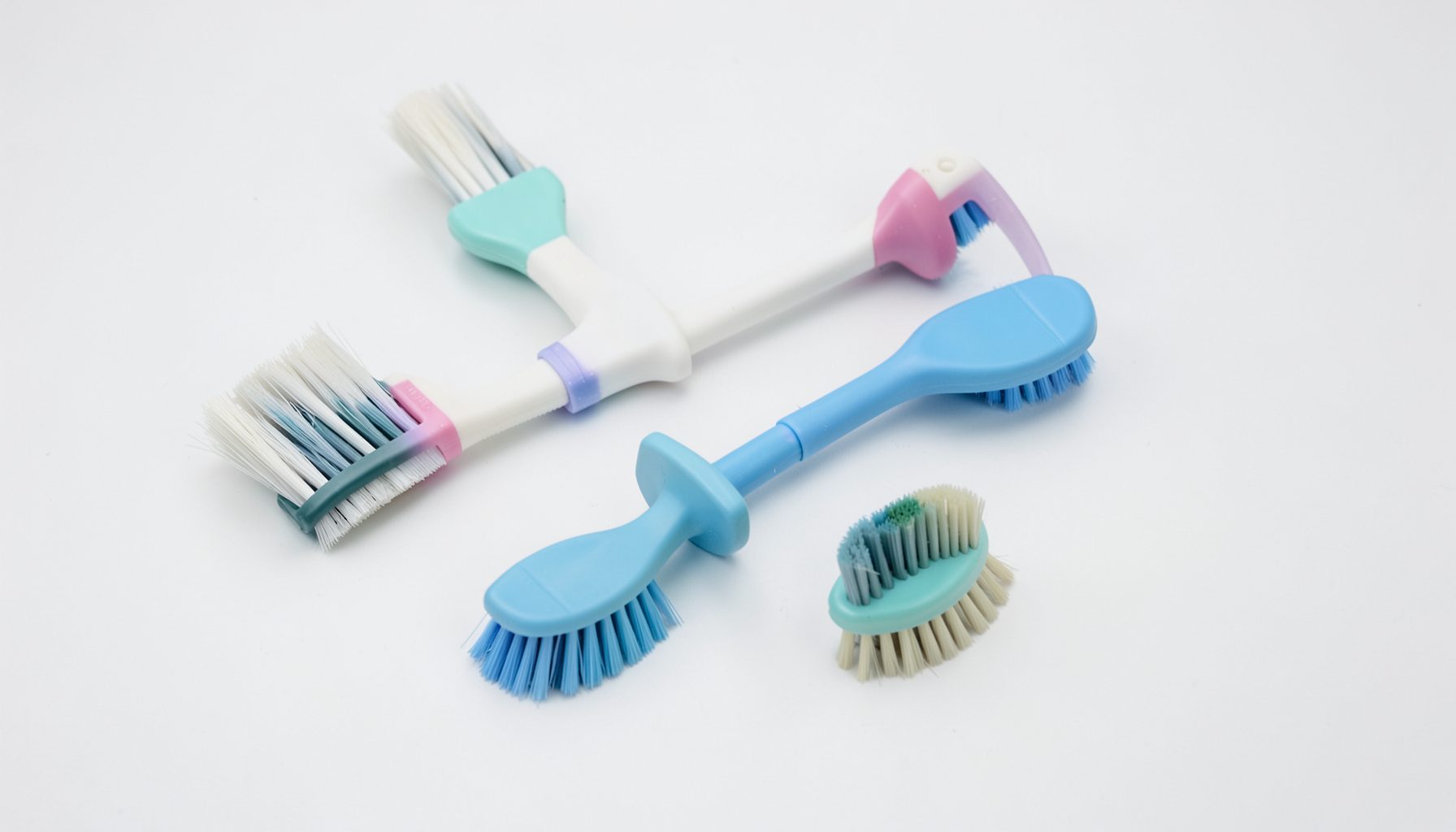
Switch nostrils and repeat. After use, rinse the bottle and let it air dry. Use ResQRinse Premium Cleaning Brushes for thorough cleaning.
How nasal rinsing can support exercise-induced rhinitis
Exercise-induced rhinitis is a common source of nasal congestion, dripping, sneezing, and post-workout stuffiness. Symptoms may appear during training, shortly afterward, or both. They can affect runners, cyclists, swimmers, and people exercising indoors, even when they do not have a diagnosed allergy.
Physical activity increases airflow through the nose and exposes the nasal lining to more moving air, dust, pollen, chlorine, and other irritants. Cold or dry conditions may be especially uncomfortable. A saline nasal rinse can help clear mucus and surface particles, making nasal breathing feel easier for some people.
Rinsing should be viewed as supportive care rather than a cure. The best results usually come from using a suitable technique, safe water, and a routine that matches the timing and severity of symptoms. Persistent obstruction, wheezing, facial pain, or recurrent nosebleeds deserves medical evaluation.
Why exercise can trigger nasal symptoms
During exercise, breathing becomes faster and deeper. Athletes may shift from nasal breathing to mouth breathing as intensity rises, while the nasal passages continue filtering and humidifying incoming air. This increased airflow can irritate sensitive tissue, especially in cold, dry weather.
Exercise-induced rhinitis can be allergic, nonallergic, or a combination of both. Outdoor workouts may expose a person to grass pollen, tree pollen, mold spores, and air pollution. Indoor sessions can involve dust, cleaning chemicals, or chlorinated pool air. Some people develop symptoms without a clear allergen; this pattern is often linked to an overresponsive nasal lining.
The symptoms can be inconvenient even when they are mild. A blocked nose may interfere with warmups, sleep after evening training, or the ability to maintain comfortable breathing. Nasal congestion can also encourage mouth breathing, which may leave the throat dry and irritated.
What saline irrigation does
A nasal rinse uses a saline solution to flush mucus, allergens, and airborne debris from the nasal passages. The fluid may also moisten the nasal lining after exposure to cold air or low-humidity indoor environments. This mechanical action is different from a medication that changes inflammation or constricts blood vessels.
For exercise-related symptoms, rinsing may be useful after an outdoor workout or before bed if congestion lingers. It can reduce the amount of pollen and irritant material remaining in the nose, though individual responses vary. Saline does not eliminate an allergy, prevent bronchospasm, or replace treatment for asthma.
A squeeze-bottle system can provide a controlled flow through the nasal passages. ResQRinse explains its approach and product range on its nasal rinse systems page, including options intended for regular home use. Comfort matters because a rinse that feels harsh or difficult to control is less likely to become a consistent part of an athlete’s routine.
When to rinse around a workout
Timing depends on the trigger and the person’s symptoms. A pre-exercise rinse may clear existing mucus and particles, particularly if the nose already feels dry or congested. For people who react to outdoor allergens, rinsing after training can wash away pollen before it remains in contact with the nasal lining for hours.
A post-workout rinse may be especially practical after running, cycling, hiking, or field sports during high-pollen seasons. Swimmers may also find it useful after pool sessions if chlorine exposure causes nasal irritation. It is sensible to wait until breathing and heart rate have begun returning to normal rather than rinsing immediately after intense exertion.
Saline irrigation should not be forced through a completely blocked nose. Pressure, ear discomfort, or sharp pain is a reason to stop. If a workout repeatedly causes severe congestion, coughing, chest tightness, dizziness, or difficulty breathing, nasal care alone is not enough; a healthcare professional should assess the symptoms.
Comparing common approaches
Different nasal care options serve different purposes. A rinse physically removes material, while a mist mainly adds moisture. Medicated sprays may address inflammation or allergy symptoms, but they should be selected and used according to professional advice or product instructions.
| Approach | Main purpose | Possible value for exercise-related rhinitis | Important considerations |
|---|---|---|---|
| Saline nasal rinse | Flushes mucus, allergens, and particles | Useful after pollen, dust, chlorine, or dry-air exposure | Requires safe water, correct saline concentration, and device cleaning |
| Saline mist | Moisturizes the nasal lining | Convenient during travel or between workouts | Usually provides less flushing than irrigation |
| Antihistamine spray | Targets allergy-related symptoms | May help when pollen or another allergen is a clear trigger | Use according to label or clinical guidance |
| Steroid nasal spray | Reduces nasal inflammation over time | May help persistent allergic rhinitis | Consistent use and correct technique are important |
| Decongestant spray | Temporarily reduces swelling | Can provide short-term relief from severe blockage | Overuse may cause rebound congestion |
| Environmental control | Reduces exposure to triggers | Helpful before and during outdoor training | May include checking pollen levels and wearing protective eyewear |
A rinse can fit alongside other measures, but combining several nasal products without guidance may create confusion or irritation. People with frequent symptoms should keep track of workout location, weather, pollen exposure, timing, and duration. This record can help identify whether the main issue is allergy, dry air, infection, medication effects, or another condition.
Comfort, technique, and Nasal Lock technology
The goal of nasal irrigation is a gentle, consistent flow rather than maximum pressure. Leaning over a sink, breathing through the mouth, and allowing the solution to move through one nostril and out the other can make the process more comfortable. The saline should be properly mixed so it is close to the body’s natural salt balance.
Some users prefer a squeeze bottle because it offers more control than a traditional neti pot. ResQRinse describes how its Nasal Lock technology is designed to support a secure fit and controlled rinsing experience. A well-fitting tip can help reduce leakage and make it easier to use the system without creating excessive pressure.
Water safety is essential. Use distilled or sterile water, or tap water that has been boiled and cooled according to public-health guidance. Do not use untreated water in a nasal rinse. Wash and air-dry the bottle and accessories after use, and replace parts when they become worn, cracked, or difficult to clean.
Rinsing and nighttime recovery
Exercise-induced nasal symptoms can continue after training and become more noticeable at night. Lying down may make congestion feel worse, while mouth breathing can contribute to a dry mouth and disrupted sleep. A gentle evening rinse may remove remaining allergens and mucus, especially after outdoor activity.
Nasal congestion is sometimes discussed alongside snoring, but the causes of snoring vary. A rinse may improve airflow when nasal blockage is contributing, yet it cannot correct every form of snoring or sleep-disordered breathing. ResQRinse provides further context in its guidance on whether nasal rinsing may help snoring.
Loud habitual snoring, witnessed pauses in breathing, gasping during sleep, morning headaches, or significant daytime sleepiness should be discussed with a clinician. These symptoms can indicate obstructive sleep apnea, which requires proper assessment rather than self-treatment with nasal products.
Practical recommendations for active people
A simple routine can make nasal irrigation easier to evaluate. Start when symptoms are mild, use the product exactly as directed, and observe how the nose responds over several workouts. Avoid rinsing immediately after nasal surgery or during an active ear problem unless a healthcare professional has provided specific instructions.
- Rinse after outdoor exercise when pollen, dust, smoke, or pollution may be present.
- Consider a pre-workout rinse when congestion is already limiting comfortable nasal breathing.
- Use only distilled, sterile, or appropriately boiled and cooled water.
- Clean and air-dry the irrigation device after every use.
- Seek medical advice for persistent blockage, recurrent bleeding, facial pain, wheezing, or exercise-related breathing difficulty.
Keeping the routine gentle is more important than using a large volume or strong pressure. If saline causes burning, check the packet-to-water ratio, water temperature, and device position. Ongoing discomfort may mean that irrigation is unsuitable at that time or that another nasal condition needs attention.
For many active people, saline irrigation is a practical way to clear exercise-related irritants and support more comfortable recovery. Add a properly prepared rinse to the post-workout routine, monitor symptoms across different environments, and arrange a clinical review when congestion or breathing problems continue.