ResQRinse is the nasal irrigation squeeze bottle that eliminates head-tilting and awkward neck positions. Using proprietary Nasal Lock™ technology, it delivers a comfortable, gag-free sinus cleanse — no more saline dripping down your throat.

Relief From Fall Sneezes
Now sold on Walmart.com. Free shipping on orders $30+. Try ResQRinse today with your everyday purchases.
Shop at WalmartWhy ResQRinse?
Nasal rinsing helps relieve congestion from colds, allergies, sinusitis, hay fever, and environmental pollutants. ResQRinse makes it comfortable enough to become a daily habit.
Nasal Lock™ Technology
Isolates sinuses from the throat using natural choanal occlusion — like inflating a balloon — so saline stays where it belongs.
Learn more →
Drug-Free Relief
Uses premixed saline packets with distilled water. No medications, no preservatives — just a natural cleanse for your nasal passages.
How to rinse →
For Kids Too
ResQRinse for Kids features a comfort nasal tip right-sized for smaller nostril openings, making rinsing gentle and easy for children.
Shop kids' version →
Breath-Controlled Flow
You control the saline flow with your own breath pressure — high volume, low pressure irrigation that's comfortable and effective.
Watch how-to videos →
Better Compliance
Designed to overcome the gagging and discomfort that cause people to abandon traditional neti pots and nasal rinse systems.
Our story →
Complete Kits Available
From the basic ResQRinse Nasal Rinse System ($19.99) to 90-day complete kits, saline packets, cleaning brushes, and Sinoptim Nasal Mist.
Browse all products →Get Started with ResQRinse
Ready to experience a better nasal rinse? Fill out the form below and we'll help you find the right product — or follow the simple steps to begin rinsing today.
Request More Information
How to Use ResQRinse
Fill the Bottle
Fill the ResQRinse squeeze bottle with distilled or previously boiled water and add one premixed saline packet.
Position the Tip
Place the comfort tip gently against one nostril. No head-tilting or awkward neck angles needed.
Squeeze & Breathe
Squeeze the bottle gently while breathing through your mouth. Nasal Lock™ keeps saline in your nasal passages and out of your throat.
Repeat & Clean
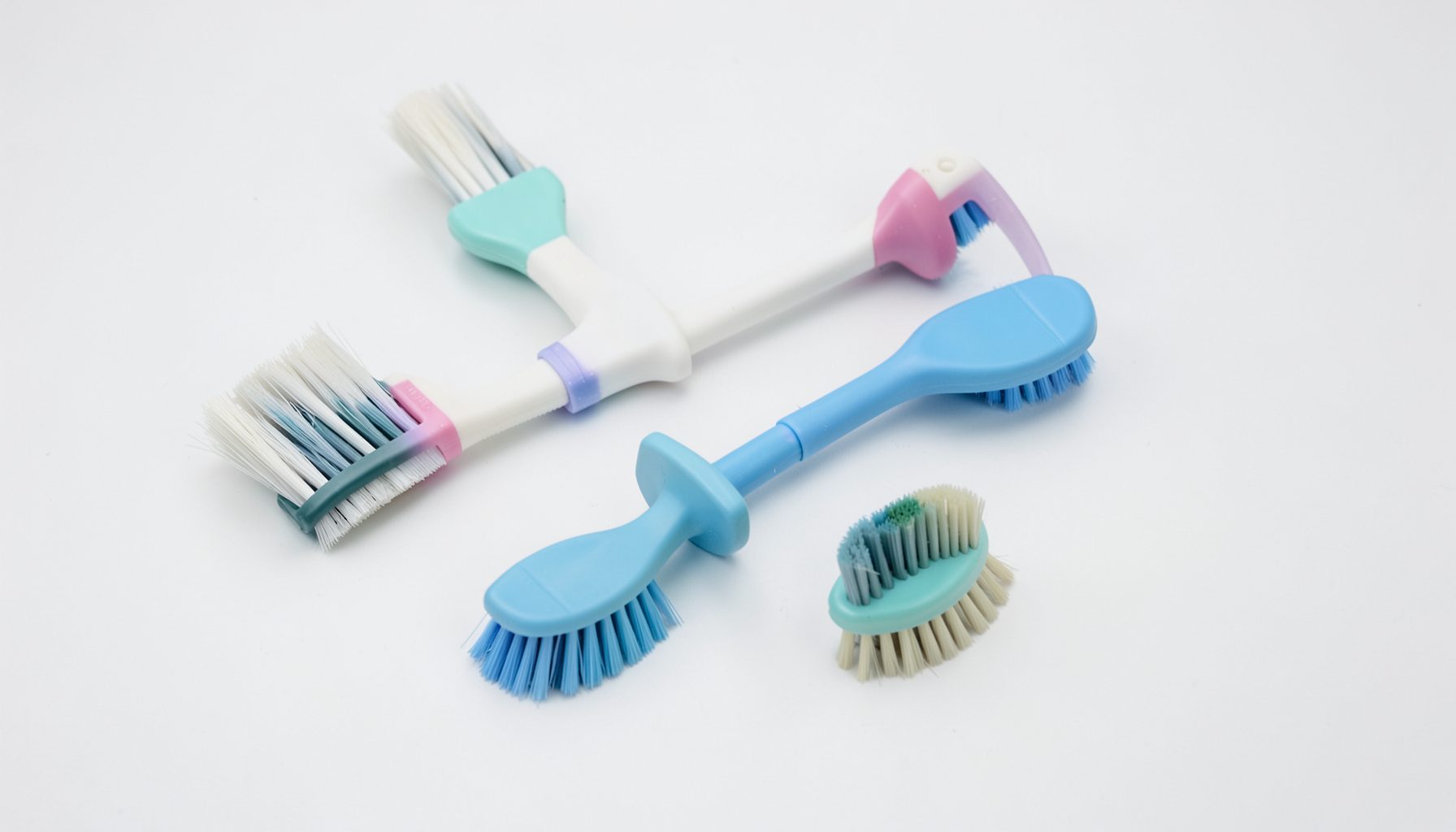
Switch nostrils and repeat. After use, rinse the bottle and let it air dry. Use ResQRinse Premium Cleaning Brushes for thorough cleaning.
How to Use a Nasal Rinse Kit After Sinus Surgery Recovery
Nasal irrigation can help clear mucus, dried secretions, allergens and other irritants after sinus surgery, but the right timing and technique matter. During the early healing period, the nasal passages are sensitive, and your ENT specialist may recommend a specific rinse schedule, solution strength or device.
Once your surgeon has confirmed that rinsing is suitable, a squeeze-bottle system can provide a controlled flow that is easier to direct than a traditional neti pot. The ResQRinse Nasal Lock design is intended to help create a comfortable seal around the nostril, while saline packets simplify preparation and keep the solution balanced.
Confirm That Your Nose Is Ready
Your surgeon or ENT specialist should decide when to begin nasal irrigation after an operation. The timing can vary according to the procedure, including septoplasty, turbinate reduction, polyp removal or endoscopic sinus surgery. Some patients are advised to rinse within a day or two, while others need to wait until a review appointment.
Do not restart rinsing simply because congestion returns. A blocked or crusted nose can be expected during recovery, but forceful irrigation may irritate fragile tissue or disturb healing areas. Follow the written discharge instructions from your hospital and use the device only as directed.
In Australia, post-operative care may involve an ENT clinic in Sydney, Melbourne, Brisbane or a regional centre, with follow-up arrangements differing between public and private hospitals. If your instructions are unclear, contact the surgical practice, a GP or a pharmacist rather than relying on general online advice.
Prepare Safe Water And Equipment
Use sterile, distilled or appropriately treated water for a sinus rinse. If using tap water, boil it and allow it to cool according to medical guidance before mixing the saline. Ordinary untreated tap water is not suitable for nasal irrigation, even when it tastes clean. Store prepared water in a clean, covered container if your healthcare professional permits this, and use it within the recommended period.
Wash your hands before preparing the rinse. Inspect the bottle, cap and nasal tip for residue or damage, then clean them as directed by the manufacturer. A dedicated cleaning brush can help reach the inside of a squeeze bottle, but the brush itself must be cleaned and dried between uses.
Australian households may keep a kettle for tea, making boiled-and-cooled water convenient, especially during hay fever season. However, boiling water does not replace regular device cleaning. Follow the product directions and any relevant Australian health advice, particularly if you have reduced immunity or are caring for a child.
Mix A Comfortable Saline Solution
Use the saline sachet supplied for your irrigation system whenever possible. These packets are measured to create an isotonic or appropriately buffered solution when mixed with the stated volume of safe water. Homemade mixtures can be too salty or too weak, causing stinging, dryness or swelling.
Temperature affects comfort as much as concentration. Water that is too cold can feel sharp, while very warm water may irritate the lining of the nose. Aim for a lukewarm solution close to body temperature and test a drop on the inside of your wrist before filling the bottle. This explanation of saline temperature can help you understand why a rinse may feel more comfortable at one temperature than another.
Mix the solution until the powder has fully dissolved. Do not add essential oils, antiseptics, medication or extra salt unless your surgeon has specifically prescribed them. A medicated rinse may be appropriate for some patients, but it should be prepared exactly as instructed.
Position Yourself For Gentle Flow
Lean over a sink and tilt your head slightly forward and to one side. Keep your mouth open and breathe through it. Avoid tipping your head far backwards, as this can send saline towards the throat and make coughing more likely. The best angle may take a few attempts to find, particularly when swelling changes from day to day.
Place the nasal tip securely against one nostril without pushing it deeply inside. If your system uses Nasal Lock technology, allow the tip to create a comfortable seal rather than forcing it into place. Squeeze the bottle slowly so the saline travels through the nasal passage and drains from the other nostril or the mouth.
Some fluid may remain in the nose and drain later when you bend forward. That is common during recovery. Keep tissues nearby, but avoid vigorous nose-blowing immediately afterwards. Gentle dabbing is safer for tender tissue unless your clinician has given different instructions.
Use A Gradual, Low-Pressure Technique
Start with a small amount of solution and pause if you feel pressure, ear fullness, pain or significant coughing. A rinse should feel like a controlled wash, not a forceful spray. Do not squeeze harder to overcome resistance; a blocked route may reflect swelling, crusting or a problem that needs professional assessment.
After rinsing one side, allow the fluid to drain before changing nostrils. Some people find it helpful to bend forward over the basin for a short time, then gently turn the head from side to side. Avoid inserting cotton buds, fingers or other objects to remove crusts unless your care team has instructed you to do so.
Children should use a nasal rinse only with advice and supervision from a parent, GP or ENT clinician. A child-sized system may be more suitable, but the same rules apply: safe water, correct saline strength, low pressure and careful cleaning. Never share a bottle between family members; this guidance on sharing a nasal rinse bottle explains why each person should have separate equipment.
Build A Recovery-Friendly Routine
Your surgeon may recommend rinsing once or several times daily, often before using a prescribed nasal spray so the spray can reach the nasal lining more effectively. The ideal frequency depends on your operation, symptoms and healing progress. More frequent rinsing is not automatically better and may increase dryness or irritation.
Keep a simple routine that fits your day. In Australia, outdoor exposure during spring pollen season can be significant in places such as Canberra, Adelaide and Melbourne, while dust, smoke and dry air may aggravate symptoms elsewhere. Rinsing after an irritating exposure may be useful if your clinician has approved it, but it should not replace prescribed treatment or avoidance measures.
Helpful Habits During Healing
- Prepare fresh saline with safe water before each use.
- Rinse gently over a clean sink rather than in the shower.
- Let the bottle and parts air-dry completely after cleaning.
- Keep the kit separate from shared bathroom items.
Signs Your Routine Needs Adjusting
- Increasing dryness, burning or repeated nosebleeds.
- New ear pressure or pain during the rinse.
- Saline repeatedly failing to pass through.
- Symptoms becoming worse after each session.
A complete kit with saline packets, a squeeze bottle and cleaning accessories can make the routine simpler, but convenience should never override your post-operative instructions. Replace components at the interval specified by the manufacturer, and check the cap, seal and nozzle regularly.
Recognise Warning Signs Early
Mild tingling, temporary drainage or a small amount of old blood may occur after surgery, depending on the procedure. Persistent or worsening bleeding requires medical advice. Contact your ENT team promptly if you develop severe pain, fever, facial swelling, vision changes, a severe headache, foul-smelling discharge or clear fluid that drains continuously.
Stop the rinse and seek advice if you experience strong ear pressure, breathing difficulty or a reaction to the saline. If symptoms are urgent, call 000 in Australia. For less urgent concerns outside clinic hours, healthdirect on 1800 022 222 can provide general guidance, though it cannot replace your surgeon’s assessment.
When buying a rinse kit in Australia, read the packaging and instructions carefully. Therapeutic goods and medical devices may be subject to Australian requirements administered by the Therapeutic Goods Administration, while purchases are also covered by Australian Consumer Law. Choose a reputable supplier, retain your receipt and check that replacement parts and instructions are available for the Australian market.
Once your ENT specialist has cleared you, a gentle saline rinse can become a practical part of sinus surgery recovery. Select a suitable ResQRinse system, prepare it with safe water, use low pressure and clean it carefully after every session. Follow your prescribed plan and contact your healthcare team whenever your symptoms change.