ResQRinse is the nasal irrigation squeeze bottle that eliminates head-tilting and awkward neck positions. Using proprietary Nasal Lock™ technology, it delivers a comfortable, gag-free sinus cleanse — no more saline dripping down your throat.

Relief From Fall Sneezes
Now sold on Walmart.com. Free shipping on orders $30+. Try ResQRinse today with your everyday purchases.
Shop at WalmartWhy ResQRinse?
Nasal rinsing helps relieve congestion from colds, allergies, sinusitis, hay fever, and environmental pollutants. ResQRinse makes it comfortable enough to become a daily habit.
Nasal Lock™ Technology
Isolates sinuses from the throat using natural choanal occlusion — like inflating a balloon — so saline stays where it belongs.
Learn more →
Drug-Free Relief
Uses premixed saline packets with distilled water. No medications, no preservatives — just a natural cleanse for your nasal passages.
How to rinse →
For Kids Too
ResQRinse for Kids features a comfort nasal tip right-sized for smaller nostril openings, making rinsing gentle and easy for children.
Shop kids' version →
Breath-Controlled Flow
You control the saline flow with your own breath pressure — high volume, low pressure irrigation that's comfortable and effective.
Watch how-to videos →
Better Compliance
Designed to overcome the gagging and discomfort that cause people to abandon traditional neti pots and nasal rinse systems.
Our story →
Complete Kits Available
From the basic ResQRinse Nasal Rinse System ($19.99) to 90-day complete kits, saline packets, cleaning brushes, and Sinoptim Nasal Mist.
Browse all products →Get Started with ResQRinse
Ready to experience a better nasal rinse? Fill out the form below and we'll help you find the right product — or follow the simple steps to begin rinsing today.
Request More Information
How to Use ResQRinse
Fill the Bottle
Fill the ResQRinse squeeze bottle with distilled or previously boiled water and add one premixed saline packet.
Position the Tip
Place the comfort tip gently against one nostril. No head-tilting or awkward neck angles needed.
Squeeze & Breathe
Squeeze the bottle gently while breathing through your mouth. Nasal Lock™ keeps saline in your nasal passages and out of your throat.
Repeat & Clean
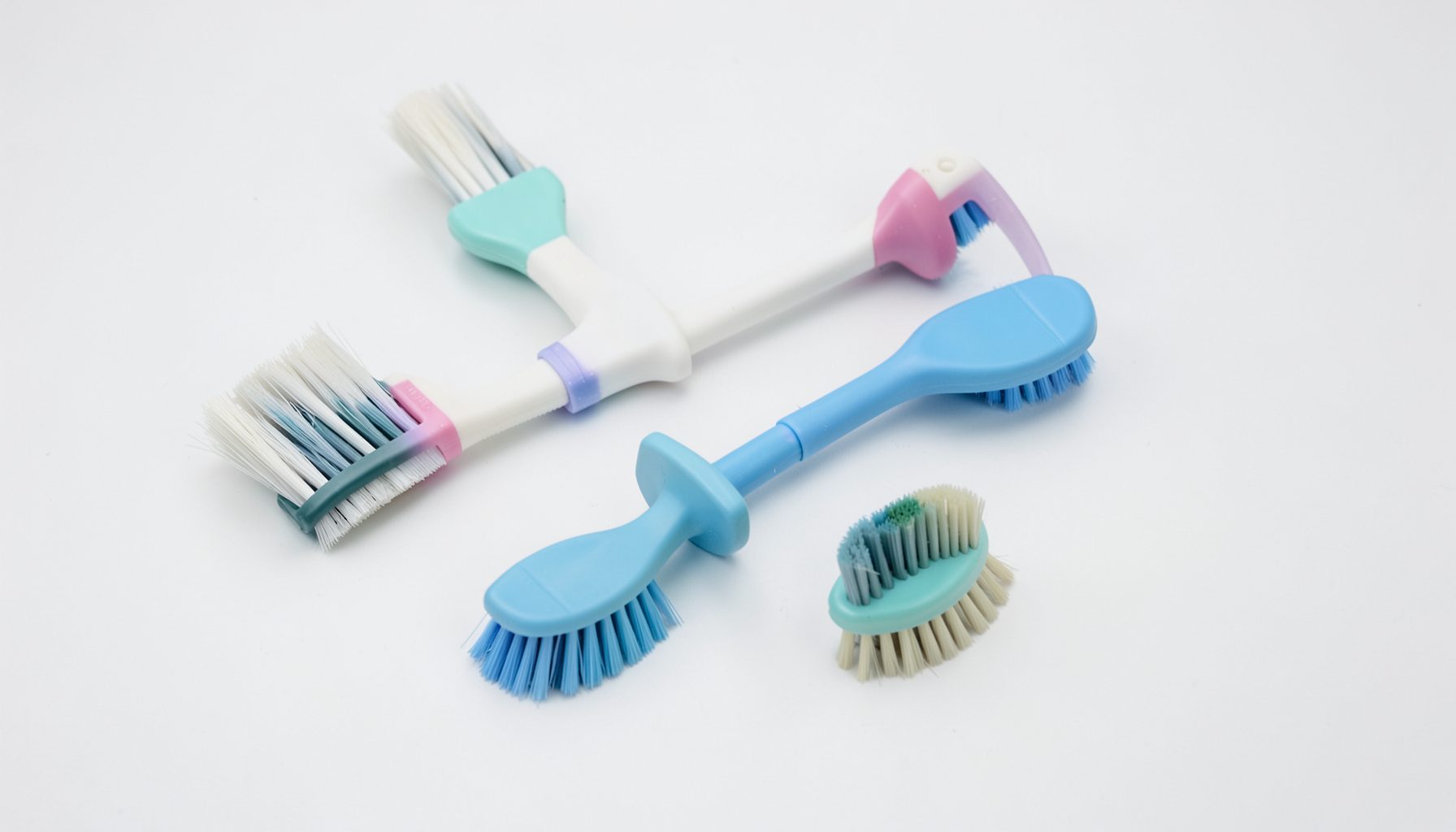
Switch nostrils and repeat. After use, rinse the bottle and let it air dry. Use ResQRinse Premium Cleaning Brushes for thorough cleaning.
Why saline temperature affects sinus comfort
Nasal irrigation can loosen mucus, rinse away pollen, and soothe irritated nasal passages, but the experience depends on more than the salt concentration. The temperature of the saline solution also influences how comfortable the rinse feels, how easily a person tolerates it, and whether they are likely to use the routine consistently.
A solution that is close to body temperature usually feels gentle and familiar. Water that is too cold can create a sharp, startling sensation, while water that is too hot may irritate delicate tissue and create a genuine safety concern. Finding the right range helps make sinus rinsing a calmer part of congestion and allergy care.
ResQRinse nasal systems are designed to make nasal irrigation straightforward, with products for adults and children, saline packets, and features intended to support comfortable use. Temperature still matters, so the solution should be prepared carefully every time.
Why the nasal passages notice temperature
The inside of the nose contains sensitive tissue and nerve endings that respond to changes in temperature, pressure, moisture, and chemical irritation. When saline enters the nasal cavity, those sensory nerves register whether the fluid feels cool, warm, or excessively hot. This response can be especially noticeable when congestion, allergies, dryness, or inflammation has already made the lining more sensitive.
Body-temperature saline tends to feel less surprising because it is closer to the conditions inside the nasal passages. A lukewarm rinse can move through the nose without producing the sudden cold shock associated with refrigerated water or the stinging sensation that may occur with overheated liquid.
Temperature does not replace proper saline concentration. Water that is comfortable but mixed with too much or too little salt can still burn or sting. For this reason, temperature and isotonic or appropriately prepared saline should be considered together.
How cold saline can affect a rinse
Cool water is not automatically dangerous, but it may make nasal irrigation feel unpleasant. Some people notice a brief aching, tingling, or pressure sensation when cold saline contacts inflamed tissue. The reaction may be more pronounced during a sinus infection, an allergy flare, or an episode of nasal dryness.
Cold fluid can also make a rinse feel more forceful than it actually is. A person may tense the face, pause breathing awkwardly, or squeeze the bottle too quickly in response to the unexpected sensation. Those reactions can reduce confidence and make it harder to establish a comfortable routine.
Room-temperature water may work well for many users, particularly in a warm environment. If the water has been stored in a cool room or taken directly from a refrigerator, allowing it to warm naturally can improve the experience. The goal is comfort, not maximum warmth.
Why overheated saline is a safety issue
The nasal lining is delicate, and hot water can cause pain or burns. A solution that feels pleasantly warm on the hand may still be too hot for the nose if it has been heated unevenly or held against the skin for only a short time. Temperature should always be checked carefully before use.
Microwaving is a poor way to heat saline because it can create hot spots. Even when the container feels moderate on the outside, parts of the liquid may be significantly hotter inside. Direct boiling followed by immediate use is also unsafe. If water is boiled to make it suitable for nasal rinsing, it must cool fully before the saline is prepared and used.
A reliable approach is to use distilled or sterile water, or tap water that has been boiled according to public health guidance and then cooled. Follow the instructions supplied with the irrigation system and saline packets. Clean handling and safe water are essential because the rinse enters areas that should not be exposed to avoidable contaminants.
Finding a comfortable temperature range
For most people, lukewarm or near-body-temperature saline is a practical target. It should feel neutral or mildly warm rather than hot. Testing a small amount on the inside of the wrist can provide a basic check, although this does not replace following the product instructions or using a thermometer when precision is important.
The ideal temperature can vary with personal preference, room conditions, and nasal sensitivity. Someone with significant irritation may prefer a solution that is slightly cooler than body temperature, while another person may find that a warmer rinse reduces the sensation of chill. Comfort should guide small adjustments, but the fluid should never be heated to the point that it feels hot.
| Saline condition | Likely sensation | Practical consideration |
|---|---|---|
| Cold or refrigerated | Sharp, chilling, or uncomfortable | Allow it to warm before rinsing |
| Cool room temperature | Mildly cool and often tolerable | May suit users who dislike warmth |
| Lukewarm or near body temperature | Gentle and familiar | Usually the easiest range to tolerate |
| Hot | Stinging, painful, or irritating | Do not use; allow it to cool |
| Unevenly heated | Unpredictable hot and cool areas | Avoid microwaving and mix thoroughly |
Temperature, congestion, and sinus pressure
A comfortable saline rinse can help wash out thick mucus and surface irritants, which may make breathing feel easier. Warmth itself does not cure sinusitis or eliminate the cause of congestion, but a properly prepared rinse may support mucus clearance without adding unnecessary irritation.
When nasal tissue is swollen, even a mild unpleasant sensation can feel intense. Using saline close to body temperature may help reduce that extra source of discomfort. It can also make it easier to maintain a slow, steady flow, which is often more comfortable than forcing the solution through blocked passages.
Pressure matters as well. Temperature cannot compensate for squeezing a bottle too forcefully or using an unsuitable device angle. Nasal Lock technology and an appropriately sized system can help direct flow more predictably, but users should still use gentle pressure and stop if they experience significant pain, ear pressure, or bleeding.
Preparing saline for adults and children
Children may be especially sensitive to an unexpected cold or warm sensation, and a negative first experience can make future rinsing difficult. A child-specific system, clear instructions, and a calm pace can help. An adult should prepare the saline, check its temperature, and supervise use according to the product guidance.
Saline packets are useful because they provide a measured blend of salts intended for nasal irrigation. They should be dissolved completely in the recommended volume of safe water. Do not improvise with table salt, extra salt, or reduced water unless the manufacturer or a qualified clinician specifically directs it.
Reusable bottles and accessories also need regular cleaning and complete air-drying. Residual moisture can support microbial growth, while a dirty nozzle may reintroduce material into the rinse. Product care instructions, including brush use and replacement guidance, should be treated as part of safe nasal hygiene rather than as an optional step.
Simple habits for a more comfortable rinse
Temperature is only one part of a successful nasal irrigation routine. Preparation, posture, water safety, saline concentration, and cleaning all influence how the rinse feels. A few consistent habits can reduce surprises and help users identify what works for their symptoms.
- Use distilled, sterile, or properly boiled and cooled water.
- Aim for lukewarm saline and check it before placing the nozzle.
- Dissolve the recommended saline packet completely.
- Rinse gently while leaning forward and breathing through the mouth.
- Stop and seek clinical advice for severe pain, repeated nosebleeds, or persistent ear pressure.
Seasonal allergies, dry indoor air, and recurring congestion can change nasal sensitivity from day to day. Keeping the solution preparation consistent makes it easier to distinguish a temperature issue from a concentration or technique issue. Educational resources and product updates are available through the ResQRinse news center, while persistent or severe symptoms should be discussed with a healthcare professional.
A comfortable temperature can turn nasal irrigation from an unpleasant interruption into a manageable self-care habit. Prepare each rinse with safe water, measured saline, and a mild lukewarm feel, then use a gentle flow suited to the device. Explore the ResQRinse range to choose a system and accessories that fit your household’s needs.