ResQRinse is the nasal irrigation squeeze bottle that eliminates head-tilting and awkward neck positions. Using proprietary Nasal Lock™ technology, it delivers a comfortable, gag-free sinus cleanse — no more saline dripping down your throat.

Relief From Fall Sneezes
Now sold on Walmart.com. Free shipping on orders $30+. Try ResQRinse today with your everyday purchases.
Shop at WalmartWhy ResQRinse?
Nasal rinsing helps relieve congestion from colds, allergies, sinusitis, hay fever, and environmental pollutants. ResQRinse makes it comfortable enough to become a daily habit.
Nasal Lock™ Technology
Isolates sinuses from the throat using natural choanal occlusion — like inflating a balloon — so saline stays where it belongs.
Learn more →
Drug-Free Relief
Uses premixed saline packets with distilled water. No medications, no preservatives — just a natural cleanse for your nasal passages.
How to rinse →
For Kids Too
ResQRinse for Kids features a comfort nasal tip right-sized for smaller nostril openings, making rinsing gentle and easy for children.
Shop kids' version →
Breath-Controlled Flow
You control the saline flow with your own breath pressure — high volume, low pressure irrigation that's comfortable and effective.
Watch how-to videos →
Better Compliance
Designed to overcome the gagging and discomfort that cause people to abandon traditional neti pots and nasal rinse systems.
Our story →
Complete Kits Available
From the basic ResQRinse Nasal Rinse System ($19.99) to 90-day complete kits, saline packets, cleaning brushes, and Sinoptim Nasal Mist.
Browse all products →Get Started with ResQRinse
Ready to experience a better nasal rinse? Fill out the form below and we'll help you find the right product — or follow the simple steps to begin rinsing today.
Request More Information
How to Use ResQRinse
Fill the Bottle
Fill the ResQRinse squeeze bottle with distilled or previously boiled water and add one premixed saline packet.
Position the Tip
Place the comfort tip gently against one nostril. No head-tilting or awkward neck angles needed.
Squeeze & Breathe
Squeeze the bottle gently while breathing through your mouth. Nasal Lock™ keeps saline in your nasal passages and out of your throat.
Repeat & Clean
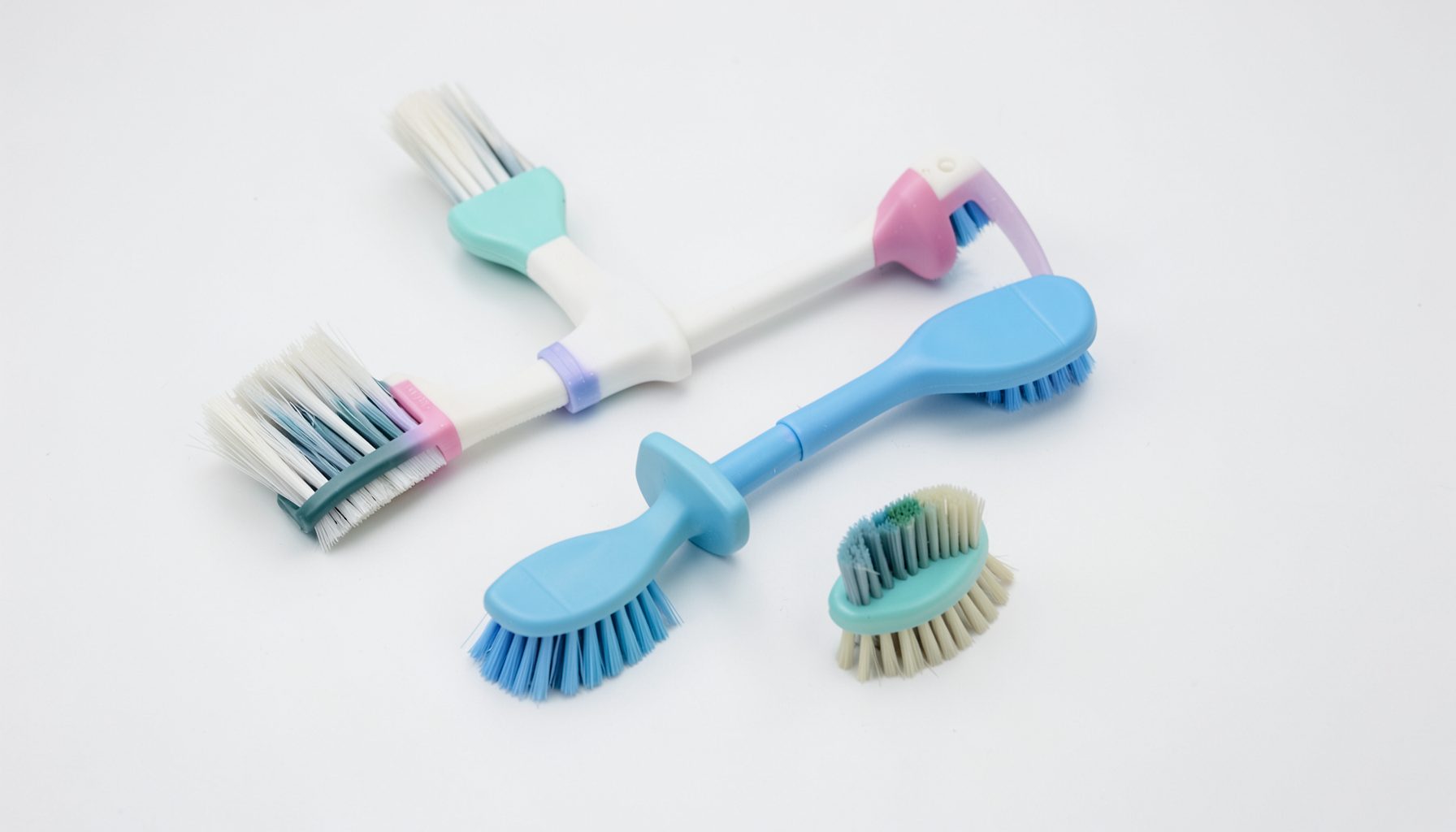
Switch nostrils and repeat. After use, rinse the bottle and let it air dry. Use ResQRinse Premium Cleaning Brushes for thorough cleaning.
How to Travel With a Nasal Rinse Kit on an Airplane
Cabin air can feel dry, stale and irritating, especially during a long flight between Australian cities or an international journey from Sydney, Melbourne, Brisbane or Perth. Air conditioning, reduced humidity, dust and seasonal allergens may leave your nose feeling blocked before you reach your destination. Learn more about What Your Mucus Color Actually Means.
A nasal rinse kit can be useful when congestion, hay fever or sinus pressure becomes uncomfortable while travelling. A compact squeeze bottle, saline sachets and cleaning brush take up little space, although your preparation needs to account for airport screening, safe water and hygienic handling.
The easiest approach is to pack the bottle empty and carry the saline powder separately. This avoids unnecessary liquid at security and gives you greater control over the water used for rinsing. A child-sized system may be more practical for family holidays, while a nasal mist can offer a quick option when a full rinse is inconvenient.
Your travel routine should also fit Australian airport and airline requirements. Rules can vary between domestic and international flights, so check the current guidance for your departure airport and carrier before leaving home.
Pack The Kit For Easy Access
Place the rinse bottle, saline packets and cleaning brush together in a small, clear toiletry pouch. Keep the bottle dry and empty when you arrive at the airport. An empty plastic bottle generally creates fewer screening complications than one filled with saline solution, particularly when departing Australia on an international service.
Saline sachets are usually easier to transport than a pre-mixed liquid. Leave them sealed in their original packaging so the ingredients and directions are clear. If you use a reusable bottle, check the cap, nozzle and Nasal Lock components before packing; a damaged seal can cause leakage through your carry-on bag.
Keep the pouch near the top of your hand luggage rather than buried beneath clothing. Security officers may ask to inspect it, and quick access means you will not need to unpack your entire bag at the screening point. A resealable plastic bag can provide extra protection from spills after the kit has been used.
Understand Australian Airport Screening
For international flights departing Australia, liquids, aerosols and gels are generally subject to the 100 millilitre container rule and must fit within a transparent one-litre bag. A rinse bottle containing water may be treated as a liquid container, even when the water is intended for health use. Australian Border Force and airport security staff can apply screening procedures at their discretion.
Domestic Australian flights usually have different liquid arrangements, but airport operators and airlines may still inspect containers. This matters when flying from Adelaide to Cairns, taking a regional connection, or transferring from a domestic terminal to an international departure. Carrying the bottle empty is the simplest option across both types of journey.
Medical liquids can have special provisions, although a nasal rinse bottle is not automatically exempt. If you need to carry a prepared solution for a medical reason, contact the airport or airline before travel and carry supporting documentation when appropriate. Do not assume that rules applied at an overseas airport will be identical when you return to Australia.
Use Safe Water At Your Destination
Saline powder is only part of a safe nasal rinse. Use sterile or distilled water, or tap water that has been boiled and allowed to cool, according to the product instructions. Do not fill the bottle from an aircraft tap, airport bathroom basin or hotel tap unless the water has been made safe for nasal use.
This precaution is especially important when travelling outside major Australian cities or visiting areas where water quality advice may change. Even in a clean hotel in Melbourne or the Gold Coast, drinking-water safety does not automatically mean the water is suitable for nasal irrigation. Bottled water labelled sterile or distilled is a more dependable choice.
Avoid using plain water without the recommended saline mixture because it may sting and feel uncomfortable. Measure the water carefully, add the correct sachet and mix until dissolved. Using extra powder does not improve the rinse and may make nasal tissues feel dry or irritated.
Rinse Comfortably During The Flight
A full nasal rinse is usually easier before boarding or after landing than in a narrow aircraft bathroom. If you need relief during the flight, use a nasal mist instead, or wait until you have access to a clean, private space and suitable water. A saline mist can help moisturise the nose without requiring a bottle filled at the airport.
Drink water regularly and avoid aiming strong airflow directly at your face. An aisle seat may make it easier to visit the bathroom, while a small pack of tissues can help manage drainage discreetly. Keep your rinse kit sealed when not in use so the nozzle does not touch tray tables, sinks or other surfaces.
If you rinse after a flight, follow the manufacturer’s technique rather than squeezing forcefully. The ResQRinse Nasal Lock design is intended to support a controlled flow and reduce mess when the bottle is positioned correctly. For detailed post-flight guidance, see this after-flight rinse guide.
Keep The Bottle Clean While Travelling
Rinse the bottle and removable parts with safe water after use. Separate the cap, nozzle and any internal pieces that the instructions identify as removable, then allow everything to air-dry fully before closing the kit. Trapped moisture in a dark, sealed pouch can encourage microbial growth.
A compact cleaning brush is useful when you are staying in hotels, using shared bathrooms or moving between destinations. Do not dry the nozzle with a used hand towel, and avoid placing clean parts directly on a wet basin. A disposable paper towel or clean drying surface can be helpful when your accommodation has limited space.
If the bottle becomes visibly dirty, develops an odour or cannot dry properly, replace it rather than continuing to use it. Check the product’s care instructions for replacement intervals. A squeeze bottle that has been crushed in a suitcase may also need inspection for cracks or an unreliable seal.
Manage Congestion And Medicines Carefully
Nasal rinsing can help clear mucus, allergens and irritants, but it does not diagnose the cause of congestion. Changes in mucus colour can occur with several conditions and do not, by themselves, prove that antibiotics are needed. ResQRinse explains what mucus colour means so travellers can interpret symptoms with appropriate caution.
Pack prescribed medicines in their original labelled containers and keep them in your carry-on luggage. If you use a decongestant spray, antihistamine or other treatment, follow the label and any advice from your doctor or pharmacist. Avoid buying unverified products from unfamiliar websites while travelling; questionable online medicine sellers, including unverified medicine sources, may provide products with uncertain ingredients, dosage or legality.
Seek medical advice if facial pain is severe, symptoms persist, you develop a high fever, or breathing becomes difficult. A pharmacist in Australia can offer practical guidance for minor symptoms, while urgent care may be needed for significant swelling, severe headache or symptoms affecting the eyes.
Prepare For The Return Journey
Before leaving your destination, make sure the bottle is clean, dry and empty. Replace used saline sachets and check that the brush and cap are still present. If you bought a large bottle of distilled water, do not expect to take it through international security; purchase suitable water after screening instead.
Travellers returning through Australian airports should allow time for security checks, particularly during busy school-holiday periods and the summer travel season. At airports such as Brisbane, Sydney and Melbourne, long queues can make last-minute repacking stressful. Keeping liquids separate and the nasal rinse kit accessible makes the process more predictable.
On arrival, inspect the kit before using it again. If it has leaked, been exposed to dirty surfaces or stayed damp inside its pouch, wash and dry it thoroughly first. A few minutes of preparation can make nasal irrigation more comfortable throughout a multi-stop itinerary.
Pack the bottle empty, carry sealed saline sachets, use only safe water and clean every component after use. Choose a ResQRinse kit that suits your trip, whether you need a compact adult system, a children’s rinse bottle, saline refills or a nasal mist, and check current availability through the brand’s authorised Walmart or Amazon listings before departure.