ResQRinse is the nasal irrigation squeeze bottle that eliminates head-tilting and awkward neck positions. Using proprietary Nasal Lock™ technology, it delivers a comfortable, gag-free sinus cleanse — no more saline dripping down your throat.

Relief From Fall Sneezes
Now sold on Walmart.com. Free shipping on orders $30+. Try ResQRinse today with your everyday purchases.
Shop at WalmartWhy ResQRinse?
Nasal rinsing helps relieve congestion from colds, allergies, sinusitis, hay fever, and environmental pollutants. ResQRinse makes it comfortable enough to become a daily habit.
Nasal Lock™ Technology
Isolates sinuses from the throat using natural choanal occlusion — like inflating a balloon — so saline stays where it belongs.
Learn more →
Drug-Free Relief
Uses premixed saline packets with distilled water. No medications, no preservatives — just a natural cleanse for your nasal passages.
How to rinse →
For Kids Too
ResQRinse for Kids features a comfort nasal tip right-sized for smaller nostril openings, making rinsing gentle and easy for children.
Shop kids' version →
Breath-Controlled Flow
You control the saline flow with your own breath pressure — high volume, low pressure irrigation that's comfortable and effective.
Watch how-to videos →
Better Compliance
Designed to overcome the gagging and discomfort that cause people to abandon traditional neti pots and nasal rinse systems.
Our story →
Complete Kits Available
From the basic ResQRinse Nasal Rinse System ($19.99) to 90-day complete kits, saline packets, cleaning brushes, and Sinoptim Nasal Mist.
Browse all products →Get Started with ResQRinse
Ready to experience a better nasal rinse? Fill out the form below and we'll help you find the right product — or follow the simple steps to begin rinsing today.
Request More Information
How to Use ResQRinse
Fill the Bottle
Fill the ResQRinse squeeze bottle with distilled or previously boiled water and add one premixed saline packet.
Position the Tip
Place the comfort tip gently against one nostril. No head-tilting or awkward neck angles needed.
Squeeze & Breathe
Squeeze the bottle gently while breathing through your mouth. Nasal Lock™ keeps saline in your nasal passages and out of your throat.
Repeat & Clean
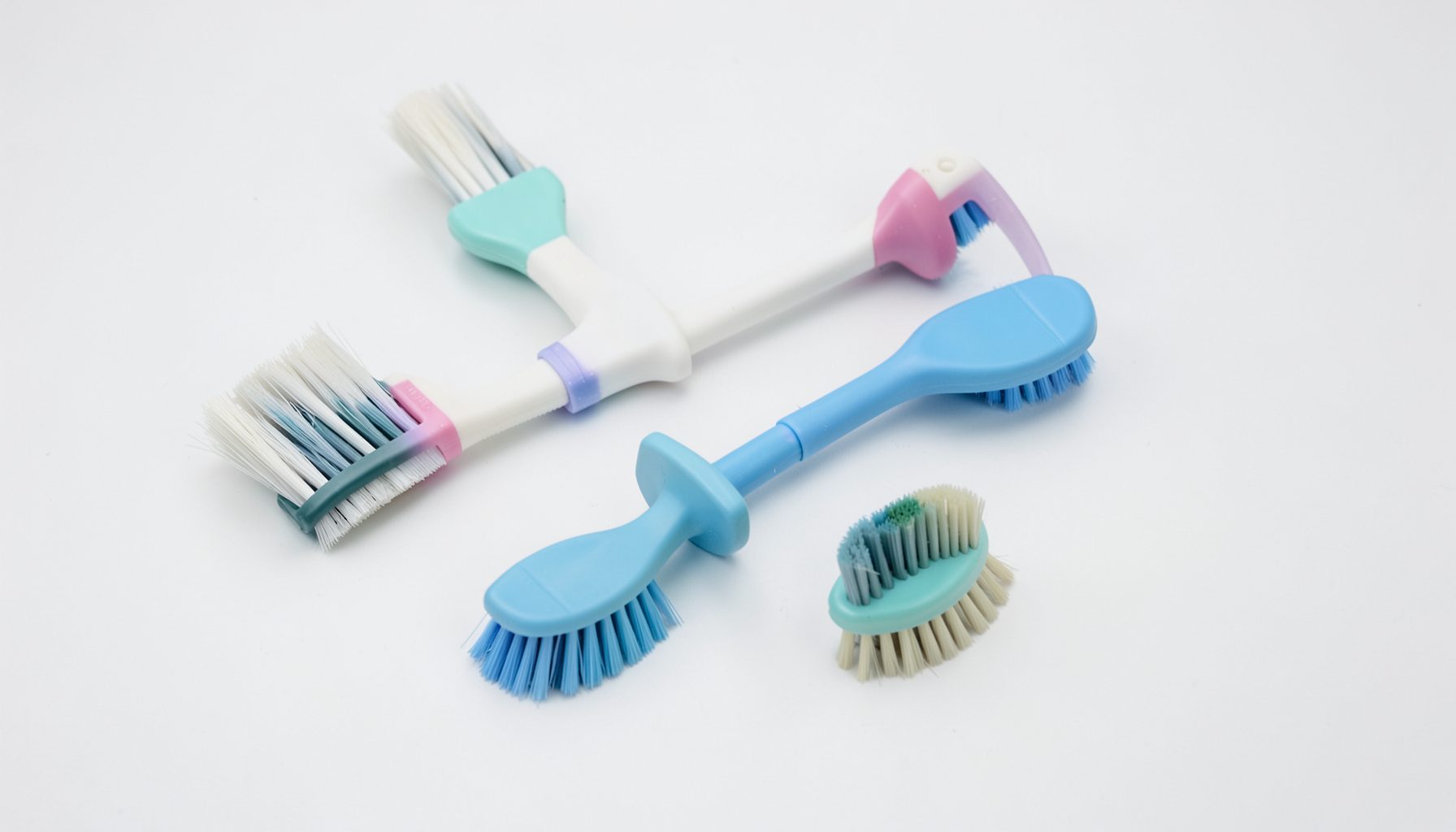
Switch nostrils and repeat. After use, rinse the bottle and let it air dry. Use ResQRinse Premium Cleaning Brushes for thorough cleaning.
The Best Way to Rinse Your Nose After a Flight
Air travel can leave your nose feeling dry, blocked, or irritated. Cabin air has low humidity, and long periods of breathing recycled air may thicken mucus and make allergens, dust, and other particles feel more noticeable. Changes in air pressure during takeoff and landing can add discomfort around the nose, sinuses, and ears.
A gentle saline nasal rinse after landing can help wash away irritants and loosen congestion without relying on medicated decongestant sprays. The most effective routine combines the right timing, safe water, comfortable technique, and a clean irrigation device.
Nasal irrigation is simple, but it is important to use it correctly. A rinse should feel soothing rather than forceful, and it should never create sharp pain or intense pressure. The steps below can help you build a practical post-flight routine for adults and children.
Why Flights Can Irritate Your Nose
Aircraft cabins are generally dry, which can reduce moisture on the nasal lining. When the nose dries out, mucus may become thicker and harder to clear. People with seasonal allergies, chronic sinus symptoms, or sensitive nasal passages may notice congestion more quickly after traveling.
Airports and airplanes also expose travelers to many shared indoor environments. A saline rinse can flush out pollen, dust, and other airborne particles that settle in the nasal passages. It does not sterilize the nose or prevent every illness, but it can provide physical cleansing and temporary comfort.
Pressure changes are another factor. During descent, the openings that connect the nose and sinuses to the surrounding air may not equalize easily when the nasal passages are swollen. A rinse may help clear mucus around the nasal passages, although it should be performed gently and should not be used to force pressure through blocked ears.
When To Rinse After Landing
For most people, rinsing after reaching a comfortable destination is more convenient than rinsing during the flight. Wait until you can wash your hands, prepare the solution safely, and stand over a sink without rushing. If your nose feels dry but not congested, a saline mist may be enough; a full rinse is more useful when mucus or allergens are creating blockage.
You can rinse soon after leaving the airport, once you have access to clean water and a private space. Some travelers prefer to wait until they have checked into a hotel or arrived home. Timing is less important than using a calm, controlled technique and avoiding irrigation when the nose is completely sealed.
A rinse before bed can be especially practical after a long journey. It may remove accumulated irritants before sleep and help you breathe more comfortably overnight. If you have severe facial pain, fever, repeated nosebleeds, or symptoms that persist, speak with a healthcare professional rather than increasing the frequency or force of rinsing.
Prepare A Safe, Comfortable Solution
Use a premeasured saline packet designed for nasal irrigation. These packets provide a balanced mixture intended to be more comfortable than plain water. Follow the product instructions for the amount of water and powder, since using too little or too much saline can cause burning, stinging, or excess dryness.
Water safety is essential. Use distilled or sterile water, or tap water that has been boiled and cooled according to public health guidance. Do not fill a nasal rinse bottle with untreated tap water, bottled drinking water of uncertain type, or water from an airplane bathroom. The nasal passages provide a direct route into areas where contaminated water can cause serious infection.
Wash your hands before preparing the rinse. Check that the bottle, cap, and nozzle are clean, and confirm that the solution is lukewarm rather than hot or cold. A comfortable temperature helps the rinse move smoothly and reduces the chance of a sudden stinging sensation.
Comparing Rinsing Options For Travel
Travelers can choose among several saline delivery methods. A squeeze bottle usually gives more control over the flow and can be easier to pack as part of a complete kit. A neti pot uses gravity and may appeal to people who prefer a slower stream, but it can be less convenient in unfamiliar bathrooms or when traveling with limited luggage.
A saline mist is compact and useful for moisturizing the nasal passages between full rinses. It generally does not provide the same flushing action as a larger-volume irrigation system, so it is better suited to dryness or light irritation than heavy congestion.
| Option | Best Use | Travel Convenience | Flow Control | Key Consideration |
|---|---|---|---|---|
| Squeeze-bottle rinse | Congestion, mucus, and allergen removal | High | High | Use gentle pressure |
| Neti pot | Slow, gravity-fed rinsing | Moderate | Moderate | Requires careful positioning |
| Saline mist | Dryness and light irritation | Very high | Low | Does not deeply flush passages |
| Pre-mixed rinse | Quick use without measuring | High | Depends on device | Check packaging and expiration |
A system such as ResQRinse uses a squeeze bottle and Nasal Lock technology to help create a controlled seal at the nostril. The goal is a comfortable flow that stays directed through the nasal passages instead of spilling around the outside of the nose. No device should be squeezed aggressively, especially when congestion is severe.
Use Gentle Technique After Your Flight
Begin by leaning over a sink and tilting your head slightly forward. Keep your mouth open and breathe through it. Place the nozzle securely but gently at one nostril, then squeeze with steady, light pressure. The saline should flow through the nasal passage and out of the other nostril or mouth.
Repeat on the opposite side if the solution is flowing comfortably. Do not force liquid through a nostril that feels fully blocked, and stop if you experience ear pain, sharp facial pain, dizziness, or significant pressure. A mild sensation of fullness can occur, but discomfort is a signal to pause and reassess your position and pressure.
When finished, let the remaining solution drain naturally. Blow your nose softly, one side at a time, rather than forcefully clearing both nostrils together. Excessive nose blowing can irritate swollen tissue and may increase pressure near the ears and sinuses.
Make Your Travel Kit Easy To Use
A well-prepared kit removes much of the friction from post-flight care. Pack the bottle, saline packets, and any cleaning brush together in a sealed toiletry bag. Keep unused packets dry, and bring enough for the return journey if you expect repeated exposure to dry cabin air or allergens. This travel rinse kit guide can help organize the essentials without overpacking.
After use, rinse the device according to its instructions and allow every part to air-dry fully. Moisture left inside a bottle can encourage microbial growth. If you are staying in a hotel, use a clean drying area away from the sink basin and shared bathroom surfaces.
Children need extra supervision and a child-appropriate system. Never make a child tolerate forceful rinsing, and consider saline mist when a full irrigation is not suitable. A pediatrician can provide personalized guidance for young children, particularly those with recurrent ear problems, structural nasal issues, or recent procedures.
Know When To Modify Or Skip Irrigation
Nasal rinsing is generally well tolerated when performed with safe water and gentle pressure, but it is not appropriate in every situation. People with a completely blocked nasal passage may need to wait until swelling improves. Recent nasal surgery, frequent nosebleeds, severe inflammation, or significant ear symptoms may require medical advice before irrigation.
If you have ear tubes, recurring ear infections, or concerns about liquid reaching the middle ear, review specific guidance with your clinician. This information about nasal rinses and ear tubes explains why individual anatomy and medical history matter.
Stop rinsing if symptoms worsen or if you develop persistent ear pressure, bleeding, severe headache, fever, or worsening facial pain. Saline irrigation can support symptom relief, but it does not replace evaluation for a bacterial infection, serious allergic reaction, or another condition requiring treatment.
Build A Simple Post-Flight Routine
A consistent routine can make nasal care easier after every journey:
- Wash your hands and use distilled, sterile, or properly boiled water.
- Mix a fresh saline solution at a comfortable lukewarm temperature.
- Lean forward, keep your mouth open, and use light, steady pressure.
- Blow your nose gently after the rinse and allow the device to air-dry.
- Use saline mist or seek medical advice when a full rinse is uncomfortable or unsuitable.
The most useful routine is one you can perform calmly and hygienically. A rinse does not need to be forceful to be effective, and using it repeatedly in a short period will not necessarily improve symptoms. Follow the product directions and pay attention to how your nose and ears respond.
A squeeze-bottle system, saline packets, cleaning brush, and compact mist can give travelers several options for changing symptoms. After a flight, start with comfort and safety: prepare the solution correctly, rinse gently, and give irritated tissue time to recover.
Pack a clean ResQRinse system and the appropriate saline supplies before your next trip, then use them after landing to clear travel-related dryness, mucus, and airborne irritants. Explore the available rinse kits and nasal care products through ResQRinse, Walmart, or Amazon to make comfortable post-flight relief part of your travel routine.