ResQRinse is the nasal irrigation squeeze bottle that eliminates head-tilting and awkward neck positions. Using proprietary Nasal Lock™ technology, it delivers a comfortable, gag-free sinus cleanse — no more saline dripping down your throat.

Relief From Fall Sneezes
Now sold on Walmart.com. Free shipping on orders $30+. Try ResQRinse today with your everyday purchases.
Shop at WalmartWhy ResQRinse?
Nasal rinsing helps relieve congestion from colds, allergies, sinusitis, hay fever, and environmental pollutants. ResQRinse makes it comfortable enough to become a daily habit.
Nasal Lock™ Technology
Isolates sinuses from the throat using natural choanal occlusion — like inflating a balloon — so saline stays where it belongs.
Learn more →
Drug-Free Relief
Uses premixed saline packets with distilled water. No medications, no preservatives — just a natural cleanse for your nasal passages.
How to rinse →
For Kids Too
ResQRinse for Kids features a comfort nasal tip right-sized for smaller nostril openings, making rinsing gentle and easy for children.
Shop kids' version →
Breath-Controlled Flow
You control the saline flow with your own breath pressure — high volume, low pressure irrigation that's comfortable and effective.
Watch how-to videos →
Better Compliance
Designed to overcome the gagging and discomfort that cause people to abandon traditional neti pots and nasal rinse systems.
Our story →
Complete Kits Available
From the basic ResQRinse Nasal Rinse System ($19.99) to 90-day complete kits, saline packets, cleaning brushes, and Sinoptim Nasal Mist.
Browse all products →Get Started with ResQRinse
Ready to experience a better nasal rinse? Fill out the form below and we'll help you find the right product — or follow the simple steps to begin rinsing today.
Request More Information
How to Use ResQRinse
Fill the Bottle
Fill the ResQRinse squeeze bottle with distilled or previously boiled water and add one premixed saline packet.
Position the Tip
Place the comfort tip gently against one nostril. No head-tilting or awkward neck angles needed.
Squeeze & Breathe
Squeeze the bottle gently while breathing through your mouth. Nasal Lock™ keeps saline in your nasal passages and out of your throat.
Repeat & Clean
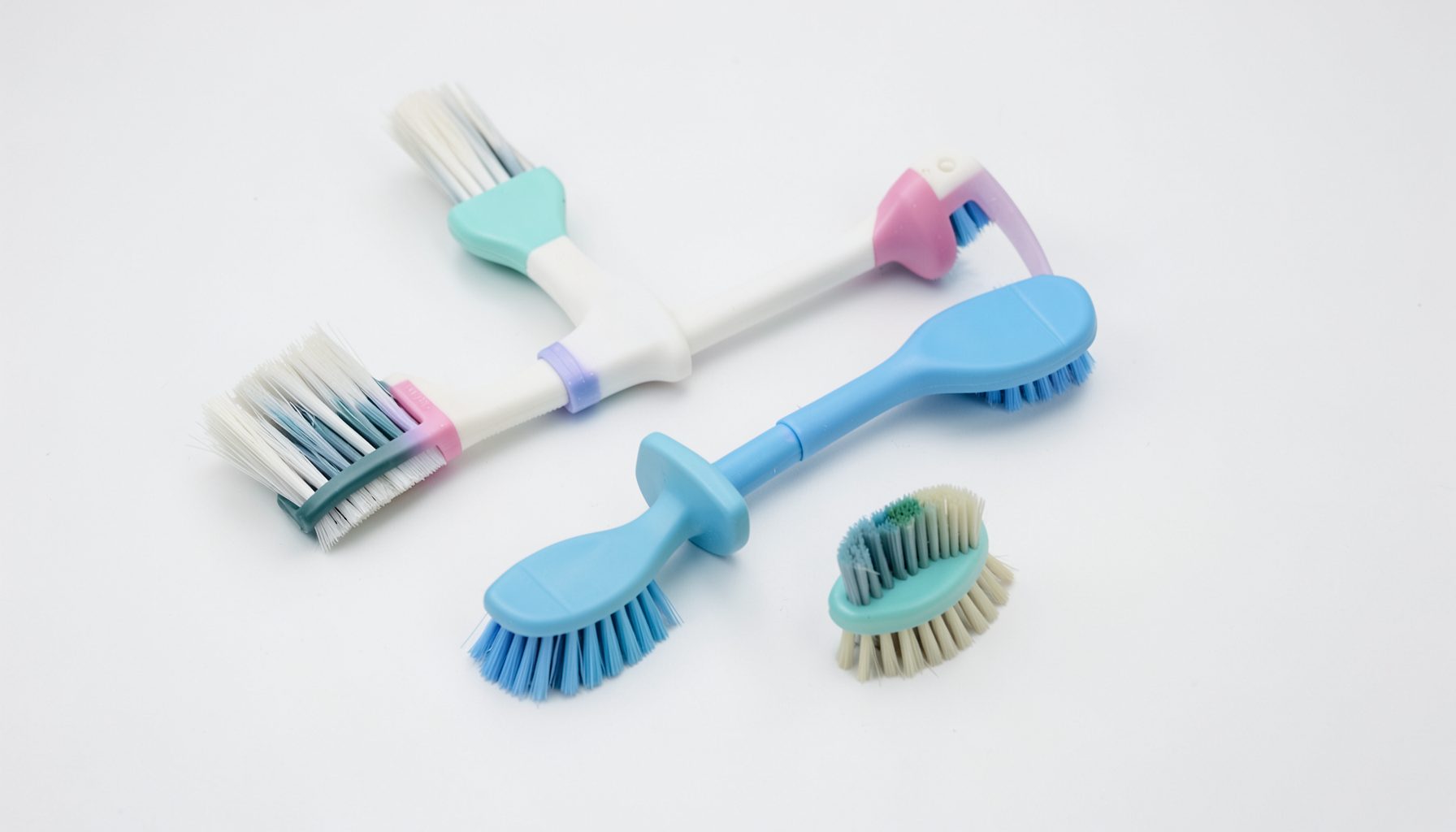
Switch nostrils and repeat. After use, rinse the bottle and let it air dry. Use ResQRinse Premium Cleaning Brushes for thorough cleaning.
How to Tell If a Sinus Infection Is Bacterial or Viral
Sinusitis is inflammation of the lining of the nose and sinuses, and not every “sinus infection” is caused by bacteria. A viral infection is the usual starting point, while a smaller share of cases become bacterial. That distinction matters because antibiotics do not help a viral illness and may cause side effects or resistance when used unnecessarily.
The symptoms can be almost identical, especially during the first week. Timing, the pattern of symptoms and a clinical examination provide more useful clues than mucus colour alone. If you are unsure, a GP can assess you, while a pharmacist can advise on symptom relief suitable for your medicines and health conditions.
Viral Symptoms Are the More Common Pattern
Most acute sinusitis starts as a viral upper-respiratory infection. Sneezing, a runny or blocked nose, sore throat, cough, post-nasal drip and pressure over the cheeks or forehead can all occur. In uncomplicated viral sinusitis, improvement usually begins within about seven days, with most people recovering within one to two weeks.
Australians may blame “a sinus cold,” but viral and allergic symptoms often blur together. Melbourne’s spring grass-pollen season, for example, can leave the nose blocked without an infection. Dry winter air in Canberra and heavily air-conditioned offices in Sydney or Melbourne can also irritate nasal passages. People whose symptoms track workplace exposure may find dry-building nasal rinsing helpful for keeping the nose clear.
Frequent rinsing, steam or a humidifier may ease dryness, but none confirms the cause. Saline sprays and short-term decongestants may be suitable; ask a pharmacist about steroid sprays for allergy and the safe maximum duration of a stronger decongestant spray. Persistent sneezing or itching without fever more often suggests allergy than bacterial sinusitis.
Signs That Raise the Odds of Bacteria
Three patterns make bacterial sinusitis more likely: symptoms continuing for 10 days or longer without improvement; very severe symptoms, such as high fever with marked facial pain and pus-like discharge, for at least three days; or a double worsening after initially feeling better. “Double worsening” means discharge and pain become worse after a recovery period.
One-sided facial pressure, tenderness over a cheekbone, headache, tooth pain and a bad taste can also occur with bacterial disease. These signs are not conclusive, though. Dental infection, facial inflammation and different types of sinusitis can produce similar pain, so self-diagnosis from one symptom is unreliable.
Bacterial sinusitis is less common than viral or allergic rhinitis. A GP may still use the symptom pattern to decide whether antibiotics are worthwhile, taking account of local resistance, allergies, pregnancy, kidney problems and other medicines. When there is genuine bacterial involvement, the right antibiotic, dose and duration depend on the person rather than the internet.
Why Mucus Colour Is Not a Verdict
Green, yellow or thick mucus does not prove that bacteria are present. The colour often reflects white blood cells and inflammatory proteins gathered during any immune response, including a viral illness. Clear mucus can still accompany infection, and coloured mucus can occur with allergy. Colour becomes useful only as part of the wider pattern.
Duration and change matter more. A cold that steadily improves is usually not a reason to request antibiotics. A new flare with worsening discharge and facial pain after several days of improvement is more concerning. Fever above about 39°C with very severe pain and discharge for three consecutive days is another reason to seek prompt medical advice.
Other conditions can prolong a “blocked nose” and mimic infection. Allergic rhinitis, a recent viral illness, irritated air passages and chronic sinus disease may overlap. Symptoms lasting 12 weeks or longer need review, as allergies, nasal polyps or other underlying problems may be involved rather than a short-lived infection.
What an Australian GP Will Assess
A GP can ask when symptoms began, whether they improved and then returned, and whether fever, tooth pain or facial swelling is present. The nose, ears, throat and teeth are usually examined. Influenza and COVID-19 tests may be offered when relevant; a nasal swab for bacteria is not routinely needed for uncomplicated acute sinusitis.
Most people in Australia see a GP through Medicare, often using a short telehealth consultation if they cannot attend. Imaging is generally reserved for persistent, recurrent or complicated symptoms, and an ENT referral may be appropriate for long-term blockage, repeated infections or suspected polyps. Ask about any referral or script costs if your GP is not bulk-billed.
Take a list of medicines and supplements to the appointment. This matters because decongestants can interact with some conditions and medicines, and a pharmacist should check products bought online. For instance, anyone considering online sildenafil options should use a verified, clinician-approved source and ask about interactions with nitrates, blood-pressure medicines and other drugs; these medicines do not treat sinusitis.
How to Irrigate Without Making Things Worse
ResQRinse squeeze-bottle systems are designed around Nasal Lock technology to support a controlled rinse. If you use one, use only sterile, distilled or previously boiled and cooled water. Fill it with the saline solution specified by the manufacturer, lean forward, insert the tip gently and squeeze until the solution leaves the nostril. Stop if there is sharp pain, bleeding or substantial pressure in the ears.
Clean the bottle after every use and let the parts air-dry completely. Do not share a rinse bottle or use one that has cracked or developed residue. Replacement timing depends on wear and storage, but a season can be a useful reminder to inspect it; seasonal bottle replacement explains why a well-used bottle should not simply be kept indefinitely.
For children, use a product intended for their age and supervise every rinse. A child with persistent discharge, facial swelling, severe pain or breathing difficulty needs medical assessment rather than routine irrigation. Saline rinsing can support comfort, but it is not a substitute for assessment when bacterial infection is likely or symptoms are worsening.
When to Treat and When to Act Quickly
Viral sinusitis usually needs symptom care rather than antibiotics: fluids, rest, saline and an appropriate nasal spray. A pharmacist can help choose an option. If symptoms are improving but a cough remains, it can linger after the congestion clears, so treatment may focus on the symptom that still troubles you.
For likely bacterial sinusitis, a clinician may prescribe an antibiotic if symptoms are significant or prolonged. Take it exactly as directed and complete the prescribed course unless a clinician changes the plan. Do not use leftover antibiotics or share them. Decongestant sprays should generally not be used beyond the label or pharmacist’s advice, as prolonged use can cause rebound congestion.
Seek urgent care for swelling or redness around an eye, changes to vision, severe headache, stiffness of the neck, confusion, difficulty breathing, marked one-sided facial swelling, or rapidly worsening symptoms. People who are immunocompromised should seek early medical advice with new or worsening sinus symptoms. These signs can suggest a complication that needs same-day assessment.
If symptoms have lasted around 10 days without improvement or show double worsening, book a GP review rather than trying to decide by mucus colour. For nasal-rinse support, compare the squeeze-bottle, children’s, kit and accessory options in the ResQRinse range, check the usage guidance, and confirm current stock and delivery on Amazon or Walmart before buying. Keep the bottle clean, follow the water instructions and use rinsing alongside—not instead of—medical care when it is needed.