ResQRinse is the nasal irrigation squeeze bottle that eliminates head-tilting and awkward neck positions. Using proprietary Nasal Lock™ technology, it delivers a comfortable, gag-free sinus cleanse — no more saline dripping down your throat.

Relief From Fall Sneezes
Now sold on Walmart.com. Free shipping on orders $30+. Try ResQRinse today with your everyday purchases.
Shop at WalmartWhy ResQRinse?
Nasal rinsing helps relieve congestion from colds, allergies, sinusitis, hay fever, and environmental pollutants. ResQRinse makes it comfortable enough to become a daily habit.
Nasal Lock™ Technology
Isolates sinuses from the throat using natural choanal occlusion — like inflating a balloon — so saline stays where it belongs.
Learn more →
Drug-Free Relief
Uses premixed saline packets with distilled water. No medications, no preservatives — just a natural cleanse for your nasal passages.
How to rinse →
For Kids Too
ResQRinse for Kids features a comfort nasal tip right-sized for smaller nostril openings, making rinsing gentle and easy for children.
Shop kids' version →
Breath-Controlled Flow
You control the saline flow with your own breath pressure — high volume, low pressure irrigation that's comfortable and effective.
Watch how-to videos →
Better Compliance
Designed to overcome the gagging and discomfort that cause people to abandon traditional neti pots and nasal rinse systems.
Our story →
Complete Kits Available
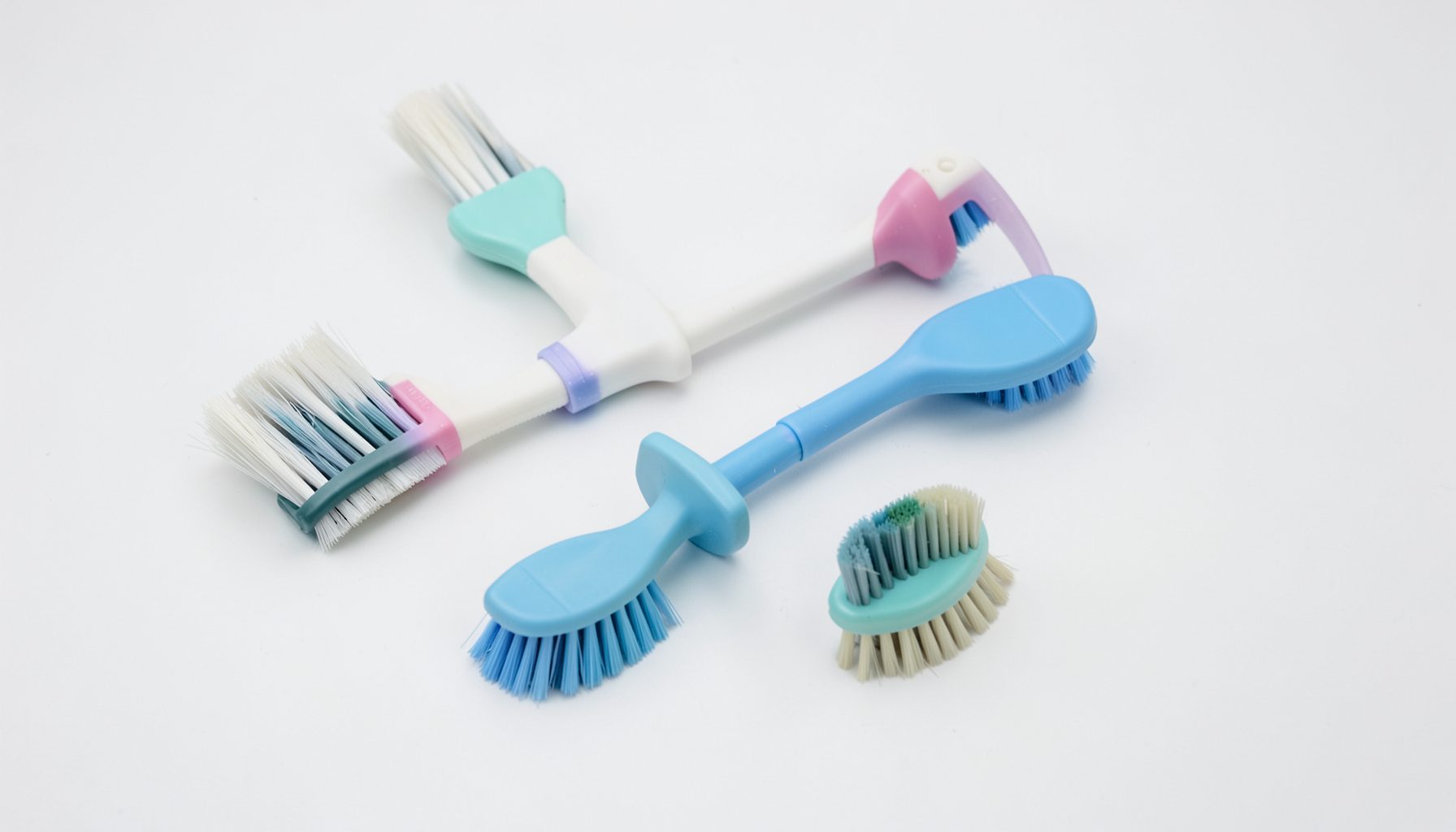
From the basic ResQRinse Nasal Rinse System ($19.99) to 90-day complete kits, saline packets, cleaning brushes, and Sinoptim Nasal Mist.
Browse all products →Get Started with ResQRinse
Ready to experience a better nasal rinse? Fill out the form below and we'll help you find the right product — or follow the simple steps to begin rinsing today.
Request More Information
How to Use ResQRinse
Fill the Bottle
Fill the ResQRinse squeeze bottle with distilled or previously boiled water and add one premixed saline packet.
Position the Tip
Place the comfort tip gently against one nostril. No head-tilting or awkward neck angles needed.
Squeeze & Breathe
Squeeze the bottle gently while breathing through your mouth. Nasal Lock™ keeps saline in your nasal passages and out of your throat.
Repeat & Clean
Switch nostrils and repeat. After use, rinse the bottle and let it air dry. Use ResQRinse Premium Cleaning Brushes for thorough cleaning.
Teach Your Family to Rinse Without the Bathroom Mess
Nasal irrigation can be a simple way to clear mucus, allergens and irritants from the nose, but the first few attempts may leave water on the vanity, tiles or pyjamas. A calm setup and a clear demonstration make a significant difference, especially when several family members are learning to use a squeeze-bottle rinse system.
The goal is to make saline rinsing feel like an ordinary part of household care rather than an uncomfortable chore. With the right water, an appropriate saline mix, good posture and a cleaning routine, adults and children can learn to rinse neatly and confidently.
Create A Dedicated Rinse Station
Choose one place for the family’s nasal rinse supplies. A bathroom basin is usually practical, although a laundry sink may give taller family members more room. Keep the rinse bottle, saline sachets, cleaning brush, tissues and a clean towel together in a small basket. This prevents someone from searching through cupboards with a full bottle in hand.
Protect the area before anyone starts. Place a folded hand towel beside the basin to catch drips, and move toothbrushes, electronic devices and cosmetics away from the splash zone. In a smaller Australian bathroom, such as those found in many older Melbourne or Sydney homes, standing close to the basin and leaning forward is often easier than trying to rinse over a bath.
Use water that is safe for nasal irrigation. Follow the product instructions and use sterile or distilled water, or tap water that has been boiled and allowed to cool, where recommended by Australian health guidance. Never use hot water, untreated rainwater or water straight from a backyard tank. Check the temperature on your wrist before filling the bottle.
Demonstrate The Technique Slowly
Children and nervous adults learn best when they see the process first. Show how to wash hands, prepare the saline solution and check that the cap is securely fitted. Explain that the bottle should be squeezed gently, not crushed with both hands. A steady stream is more comfortable and easier to control than sudden pressure.
Lean over the basin with the mouth open and breathe through it. Turn the head slightly to one side, keep the forehead and chin roughly level, and place the nozzle comfortably against the nostril without forcing it. Demonstrate how the saline can flow through one nostril and out the other, then pause to spit or wipe away any fluid that reaches the mouth.
The person rinsing should stop if there is sharp pain, significant ear pressure, nosebleeding or difficulty breathing. A little water in the throat can happen, particularly while learning, but it should not be treated as a test of endurance. A relaxed posture helps prevent coughing and splashing.
Make The First Attempts Child Friendly
For children, begin with the equipment rather than the sensation. Let them hold an empty bottle, inspect the soft nozzle and practise leaning over the basin. Talk about “washing the nose” in plain language, and avoid promising that it will feel completely strange or completely comfortable. Honest expectations help children stay calm.
A child-sized system can be easier to control than an adult bottle. The ResQRinse range includes children’s options, saline packets and nasal mist, allowing parents to choose an approach that suits the child’s age and confidence. An adult should prepare the solution, supervise the rinse and remain close enough to stop the process immediately.
Timing matters. A rushed school morning is rarely the best moment for a first attempt, whether the family lives in Brisbane, Adelaide or a regional town. Try after a bath or before an evening story, when there is time to wipe the basin and change clothes if needed. Praise calm breathing and careful technique rather than how much mucus comes out.
Control Splashes And Overflow
Most mess comes from standing too upright, squeezing too hard or turning the head too far. Ask the user to bend from the waist and keep the face over the basin. The bottle should be directed gently upwards and towards the back of the head, never straight towards the roof of the nose. A mirror can help older children see their position without lifting their head.
Keep tissues within reach, but encourage the user to let the solution drain before blowing the nose. Gentle nose blowing clears leftover fluid; forceful blowing can increase pressure in the ears and irritate the nasal lining. A towel around the shoulders can protect clothing during the first few sessions, especially with younger children.
Review the common technique problems in this guide to avoid rinse mistakes, then practise one change at a time. If the nozzle feels blocked, check the saline has dissolved fully and that the bottle is clean. Do not use a damaged, cracked or difficult-to-clean device.
Turn Cleaning Into A Household Habit
Every user should have a clearly assigned bottle or nozzle where possible. Sharing a nasal irrigation device can spread germs, even within a family. After rinsing, empty leftover solution, rinse the bottle and parts as directed, and allow everything to air-dry completely. A cleaning brush is useful for reaching the inside of a squeeze bottle, where moisture can otherwise remain.
Prepare only the amount of saline needed for the session unless the product instructions say otherwise. Do not store mixed solution at room temperature for later use. Wash hands before preparing a rinse, and replace components according to the manufacturer’s directions. A simple label with each person’s name can prevent mix-ups in a busy household.
Make the routine predictable without treating it as compulsory whenever someone has a blocked nose. Families in Perth’s dry climate may use rinsing during dusty periods, while households in Canberra or Melbourne may notice symptoms during seasonal pollen changes. During heavy smoke or poor-air-quality days, reducing exposure and following local health advice remain important; rinsing is not a substitute for avoiding smoke.
Choose The Right Frequency And Support
A family may use saline rinsing occasionally for congestion or according to advice from a doctor or pharmacist. Some people rinse more regularly during a sinus infection or allergy flare, but frequency should match the product directions and individual needs. The explanation of twice-daily rinsing can help adults understand why a healthcare professional might suggest a temporary routine during recovery.
Do not pressure a child to continue if the process causes persistent pain, fear or ear discomfort. Stop and seek medical advice for repeated nosebleeds, severe facial pain, fever, worsening symptoms, breathing problems or symptoms that do not settle. Babies and very young children need age-appropriate advice from a GP, pharmacist or child health professional before nasal irrigation is introduced.
For Australian families, a local chemist can help explain suitable saline products and safe preparation, while a GP can assess ongoing sinus symptoms. When buying online through marketplaces such as Amazon or Walmart, confirm that the product is genuine, the instructions are included and the system is appropriate for the intended user.
A tidy rinse routine starts with one patient demonstration, a stable basin position and equipment that is easy to clean. Set up a small family station, supervise children closely and keep the process gentle. Explore ResQRinse squeeze-bottle systems, children’s products, saline packets and nasal mist, then choose the option that fits your household’s needs and build confident nasal care into your daily routine.