ResQRinse is the nasal irrigation squeeze bottle that eliminates head-tilting and awkward neck positions. Using proprietary Nasal Lock™ technology, it delivers a comfortable, gag-free sinus cleanse — no more saline dripping down your throat.

Relief From Fall Sneezes
Now sold on Walmart.com. Free shipping on orders $30+. Try ResQRinse today with your everyday purchases.
Shop at WalmartWhy ResQRinse?
Nasal rinsing helps relieve congestion from colds, allergies, sinusitis, hay fever, and environmental pollutants. ResQRinse makes it comfortable enough to become a daily habit.
Nasal Lock™ Technology
Isolates sinuses from the throat using natural choanal occlusion — like inflating a balloon — so saline stays where it belongs.
Learn more →
Drug-Free Relief
Uses premixed saline packets with distilled water. No medications, no preservatives — just a natural cleanse for your nasal passages.
How to rinse →
For Kids Too
ResQRinse for Kids features a comfort nasal tip right-sized for smaller nostril openings, making rinsing gentle and easy for children.
Shop kids' version →
Breath-Controlled Flow
You control the saline flow with your own breath pressure — high volume, low pressure irrigation that's comfortable and effective.
Watch how-to videos →
Better Compliance
Designed to overcome the gagging and discomfort that cause people to abandon traditional neti pots and nasal rinse systems.
Our story →
Complete Kits Available
From the basic ResQRinse Nasal Rinse System ($19.99) to 90-day complete kits, saline packets, cleaning brushes, and Sinoptim Nasal Mist.
Browse all products →Get Started with ResQRinse
Ready to experience a better nasal rinse? Fill out the form below and we'll help you find the right product — or follow the simple steps to begin rinsing today.
Request More Information
How to Use ResQRinse
Fill the Bottle
Fill the ResQRinse squeeze bottle with distilled or previously boiled water and add one premixed saline packet.
Position the Tip
Place the comfort tip gently against one nostril. No head-tilting or awkward neck angles needed.
Squeeze & Breathe
Squeeze the bottle gently while breathing through your mouth. Nasal Lock™ keeps saline in your nasal passages and out of your throat.
Repeat & Clean
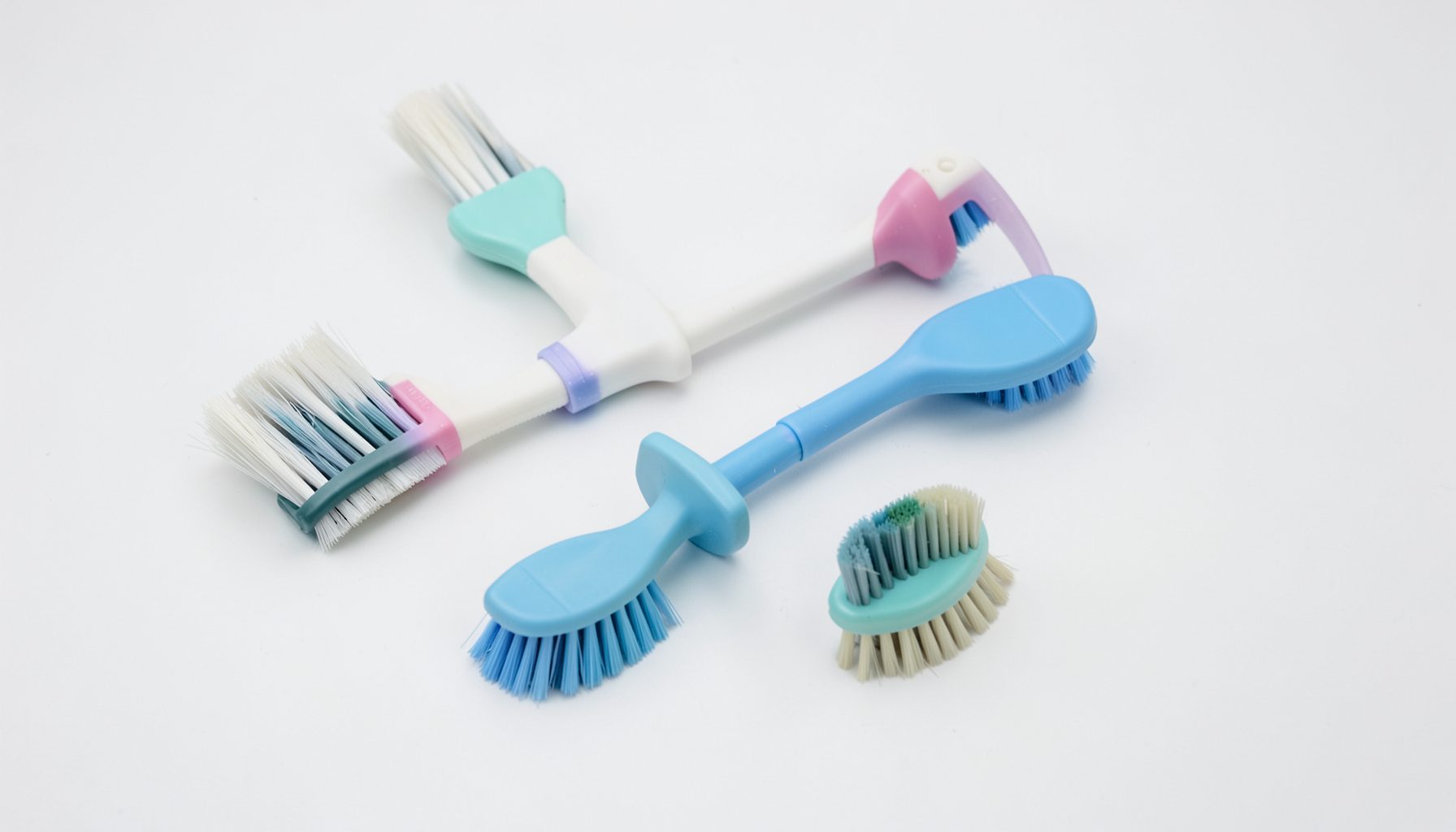
Switch nostrils and repeat. After use, rinse the bottle and let it air dry. Use ResQRinse Premium Cleaning Brushes for thorough cleaning.
How To Store Your Nasal Rinse Kit In A Humid Bathroom
A nasal rinse kit needs a clean, dry storage routine, especially when it lives in a bathroom exposed to steam, splashes, and fluctuating temperatures. Humidity can slow evaporation inside a squeeze bottle, leave moisture around the cap, and create conditions where unwanted residue may build up between uses.
The safest approach is simple: rinse the components as directed, let every part dry completely, and store the kit away from the shower’s direct spray. A small amount of planning helps preserve the bottle, cap, nasal tip, saline packets, and accessories while keeping them ready for the next use.
The same principles apply to a children’s nasal rinse system, a complete irrigation kit, or a bottle paired with separate saline packets. Your product’s instructions should always take priority, particularly for cleaning methods, water temperature, replacement schedules, and use by children.
Why Bathroom Humidity Matters
Warm, damp air does not automatically make a nasal rinse kit unsafe, but it can make drying take longer. Condensation may collect on the outside of the bottle or remain in narrow areas around the cap and nasal tip. If the kit is placed in a closed container before it is dry, trapped moisture has nowhere to escape.
Bathroom surfaces can also collect dust, soap residue, hair, and microscopic particles. Storing a nasal irrigation system directly on a wet counter, beside the sink drain, or on a shower shelf increases the chance that these contaminants will reach the parts that contact rinse solution or your nose.
A humid bathroom is usually manageable when the kit is kept in a clean, elevated location with airflow. Turning on the exhaust fan during and after a shower, opening the door when practical, and wiping nearby surfaces can reduce moisture around your supplies.
Clean, Rinse, And Dry Every Component
After use, empty leftover saline from the squeeze bottle rather than saving it for later. Follow the manufacturer’s cleaning directions, using the recommended water and cleaning method. If your system includes a nasal tip, cap, valve, or removable insert, separate those pieces when the instructions allow it so water does not remain hidden between joined parts.
Rinse away cleaning solution thoroughly if one is used. Then shake off excess water and place components where air can reach their interiors and exterior surfaces. A clean drying rack, dish stand, or dedicated towel can help keep parts off the bathroom counter.
Do not seal a damp bottle, snap the cap into place while moisture is still present, or put wet components into a toiletry bag. A closed, humid space delays drying and may leave an unpleasant odor or film. For a more detailed approach to bottle care, follow these drying instructions after cleaning.
Choose A Safer Storage Location
The best storage spot is dry, clean, elevated, and separated from products that may spill. A shelf outside the shower’s splash zone is preferable to the edge of a bathtub or a ledge directly beneath a steamy mirror. If the bathroom remains damp for long periods, a bedroom cabinet or another clean area outside the bathroom may be a better option.
Keep the nasal rinse kit away from toilet splash zones, cleaning chemicals, cosmetics, and heavily used grooming tools. Do not store saline packets loose beside an open sink where they can become damp. Packets should remain sealed until use, and any packet with a tear, wetness, or damaged packaging should be discarded.
A breathable container can protect the kit from dust while allowing residual moisture to escape. If you use a covered box or pouch, place the components inside only after they are fully dry. Avoid airtight bags for routine storage unless the device is completely moisture-free and the product directions specifically support that method.
| Storage Choice | Humidity Control | Practical Use |
|---|---|---|
| Open drying rack | Excellent airflow | Best for freshly washed parts |
| Clean ventilated container | Good protection with air exchange | Useful after components are completely dry |
| Closed toiletry bag | Poor airflow | Avoid for damp equipment |
| Shower shelf | Frequent steam and splashes | Not recommended for routine storage |
| Elevated cabinet outside the bathroom | Low exposure to moisture | Good long-term storage location |
Keep The Nasal Tip And Cap Protected
The nasal tip deserves particular attention because it comes close to the nostril during use. Once clean and dry, keep it from touching the bathroom counter or the inside of a drawer that may contain dust and residue. If the product includes a protective cap, use it only after the tip has dried and the cap itself is clean.
Avoid placing the nasal tip inside an unwashed cup, glass, or cosmetic container. These items may look clean while carrying residue from toothpaste, makeup, soap, or other bathroom products. A dedicated, washable holder is a better choice if you need to keep small parts together.
Inspect the cap, bottle opening, and nasal tip regularly. Look for cloudiness, cracks, deformation, persistent odor, or buildup that does not clear with the recommended cleaning process. Replace parts according to the manufacturer’s guidance, and replace damaged components sooner if they no longer fit securely.
Maintain A Simple Weekly Check
Daily care keeps moisture under control, while a weekly check helps catch problems early. Examine the bottle walls, threads, valve areas, cap, and nasal tip. Pay special attention to seams and narrow channels where drops may remain after rinsing.
If the kit smells unusual, feels slimy, or shows visible residue, stop using it until it has been cleaned according to the product instructions. If the issue remains, replace the affected component. Household disinfectants, bleach, boiling water, or dishwashers should not be used unless the manufacturer specifically says they are compatible with the device.
Saline packets also benefit from routine inspection. Store them in a dry drawer or cabinet rather than on a damp counter, and keep them in their original packaging. Check the expiration date before use, and prepare the rinse solution exactly as directed. Use the appropriate water source and temperature recommended for nasal irrigation.
Build A Simple Storage Routine
A consistent routine is easier to follow than an elaborate cleaning system. Designate one clean location for the bottle, tip, cap, brush, and unopened saline packets. This reduces the chance that parts will be left on wet surfaces or mixed with unrelated bathroom items.
If more than one person uses nasal irrigation products in the household, give each person separate components. Do not share nasal tips or squeeze bottles unless the product is specifically designed and approved for that use. Labeling children’s kits can also prevent mix-ups.
Use these habits to make humid-bathroom storage more reliable:
- Empty and clean the kit after each use according to the product directions.
- Separate removable parts so air can reach hidden surfaces.
- Allow the bottle, cap, and nasal tip to dry completely before storage.
- Keep the kit above counter level and away from shower spray and toilet areas.
- Store saline packets in a cool, dry place and inspect packaging before use.
Use The Kit Correctly In Your Daily Routine
Storage works best when it supports correct use. Prepare fresh saline as directed rather than keeping mixed solution in the bottle between sessions. Never use a rinse kit when the bottle or tip is visibly dirty, damaged, or difficult to clean.
ResQRinse squeeze-bottle systems are designed to make nasal irrigation easier to manage, and Nasal Lock technology is intended to help create a comfortable seal during use. Even with a convenient design, the bottle still needs proper cleaning and complete drying after every session. The instructional videos can help you review setup, use, and care techniques.
People who experience congestion from smoke, dust, seasonal allergies, or other irritants may use nasal rinsing as part of a broader comfort routine. Rinsing does not replace medical care for persistent symptoms, breathing difficulty, recurrent nosebleeds, fever, or severe facial pain. For information related to smoke exposure and nasal comfort, read about clearing nasal irritants.
A well-maintained kit should feel clean, dry, intact, and ready to use. If storage conditions make that difficult, move the kit to a less humid room and keep only the supplies needed for the current routine in the bathroom.
Make your nasal rinse kit easier to care for by choosing a ventilated storage spot, following the cleaning directions, and allowing every component to dry fully. Explore ResQRinse kits, saline packets, children’s options, and nasal mist products through the brand’s online retail channels, then establish a clean storage routine that keeps your equipment prepared for comfortable daily use.