ResQRinse is the nasal irrigation squeeze bottle that eliminates head-tilting and awkward neck positions. Using proprietary Nasal Lock™ technology, it delivers a comfortable, gag-free sinus cleanse — no more saline dripping down your throat.

Relief From Fall Sneezes
Now sold on Walmart.com. Free shipping on orders $30+. Try ResQRinse today with your everyday purchases.
Shop at WalmartWhy ResQRinse?
Nasal rinsing helps relieve congestion from colds, allergies, sinusitis, hay fever, and environmental pollutants. ResQRinse makes it comfortable enough to become a daily habit.
Nasal Lock™ Technology
Isolates sinuses from the throat using natural choanal occlusion — like inflating a balloon — so saline stays where it belongs.
Learn more →
Drug-Free Relief
Uses premixed saline packets with distilled water. No medications, no preservatives — just a natural cleanse for your nasal passages.
How to rinse →
For Kids Too
ResQRinse for Kids features a comfort nasal tip right-sized for smaller nostril openings, making rinsing gentle and easy for children.
Shop kids' version →
Breath-Controlled Flow
You control the saline flow with your own breath pressure — high volume, low pressure irrigation that's comfortable and effective.
Watch how-to videos →
Better Compliance
Designed to overcome the gagging and discomfort that cause people to abandon traditional neti pots and nasal rinse systems.
Our story →
Complete Kits Available
From the basic ResQRinse Nasal Rinse System ($19.99) to 90-day complete kits, saline packets, cleaning brushes, and Sinoptim Nasal Mist.
Browse all products →Get Started with ResQRinse
Ready to experience a better nasal rinse? Fill out the form below and we'll help you find the right product — or follow the simple steps to begin rinsing today.
Request More Information
How to Use ResQRinse
Fill the Bottle
Fill the ResQRinse squeeze bottle with distilled or previously boiled water and add one premixed saline packet.
Position the Tip
Place the comfort tip gently against one nostril. No head-tilting or awkward neck angles needed.
Squeeze & Breathe
Squeeze the bottle gently while breathing through your mouth. Nasal Lock™ keeps saline in your nasal passages and out of your throat.
Repeat & Clean
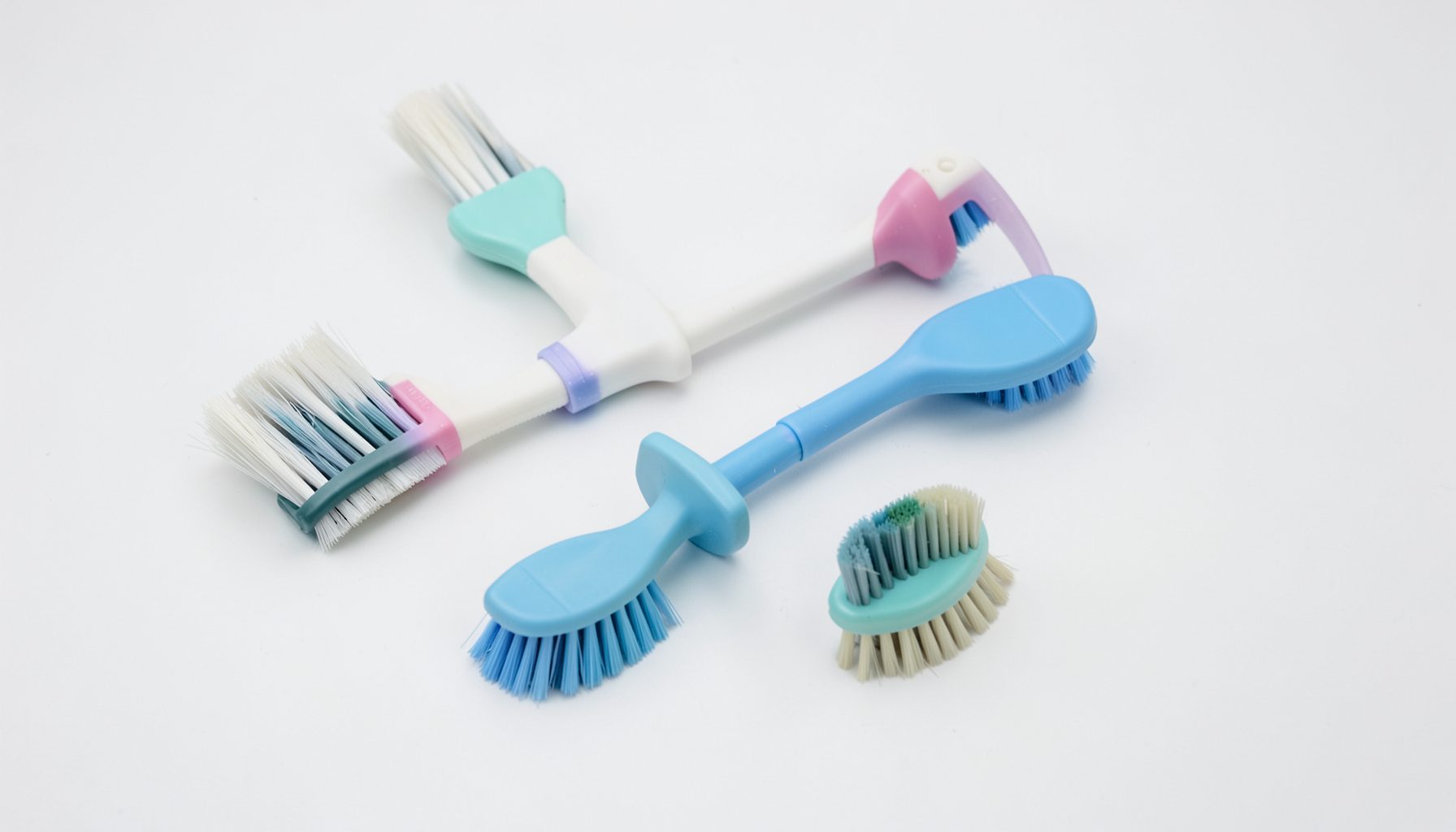
Switch nostrils and repeat. After use, rinse the bottle and let it air dry. Use ResQRinse Premium Cleaning Brushes for thorough cleaning.
How to Store Saline Packets and Keep Them Dry
Saline packets are the backbone of any nasal irrigation routine, but their effectiveness depends entirely on how well they are stored between uses. In Australia, where humidity levels can swing from the dry heat of an Adelaide summer to the sticky coastal air of Brisbane, keeping these small sachets in good condition requires a bit of know-how. Whether you are managing springtime hay fever in Melbourne or dealing with the lingering effects of bushfire smoke in Sydney, proper storage ensures every rinse works as intended.
Many people toss their saline packets into a bathroom cabinet without thinking twice, only to find clumpy, hardened sachets weeks later. Moisture is the silent saboteur of sodium chloride and sodium bicarbonate blends, causing the fine powder to clump or degrade. Understanding the basics of moisture control, container selection, and climate awareness will help you get the most out of every packet while keeping your nasal passages clear and comfortable.
Why moisture is the enemy of saline packets
Saline powder is hygroscopic, meaning it readily attracts and absorbs water molecules from the surrounding air. When humidity penetrates the foil lining of a packet, the salt mixture begins to cake and lose its free-flowing texture. This not only makes the powder difficult to dissolve fully in water but can also encourage microbial growth over time. In humid regions like far north Queensland or during a Perth wet winter, even a few hours of improper exposure can compromise a sachet.
Beyond texture changes, moisture can dilute the precise concentration of salts that makes isotonic saline effective for nasal irrigation. If the balance shifts, the rinse may sting or fail to provide the soothing relief users expect. This is particularly important for people using saline to manage chronic sinusitis or to rinse away allergens during peak pollen seasons across the country.
Choosing the right container for your climate
The original packaging of most saline packets is designed for short-term protection, not long-term storage in a steamy bathroom. For Australian households, transferring opened or bulk packets into an airtight container is a smart move. Hard plastic containers with rubber gaskets or glass jars with clamp lids offer superior moisture barriers compared to zip-lock bags, which can develop tiny gaps over time.
Consider adding a food-safe desiccant packet — the kind often found in vitamin bottles or shoe boxes — to absorb any residual humidity inside the container. These silica gel packets are widely available at chemists in Sydney and Melbourne, or through online retailers. Just make sure the desiccant is clean and dedicated to dry storage rather than repurposed from other products that might introduce contaminants.
For those living in tropical areas like Cairns or Darwin, where average humidity often exceeds 80 percent, taking an extra step like vacuum-sealing portions can make a significant difference. You can find affordable vacuum storage containers at major retailers across the country, and they keep both moisture and air out effectively.
Bathroom vs. kitchen: where to store them
The bathroom might seem like the logical home for nasal care products, but it is actually one of the worst places to store saline packets. Showers and baths release substantial steam into the air, and even with an exhaust fan running, residual humidity lingers in cabinets and drawers. A kitchen pantry or bedroom closet typically offers a more stable, drier environment.
If you must keep your irrigation supplies in the bathroom for convenience, store the sealed container inside a closed vanity drawer rather than on an open shelf. Better yet, keep the saline packets in a separate room and only bring the daily dose into the bathroom when needed. This small habit can dramatically extend the shelf life of your supply.
Temperature stability matters as well. Avoid storing saline near stovetops, dishwashers, or windows that receive direct afternoon sun. Heat accelerates any chemical degradation, and combined with moisture, it creates the perfect storm for spoilage. A cool, dark pantry shelf is ideal.
Travel and on-the-go storage tips
Australians are a mobile bunch, whether commuting between Perth and Fremantle for work or heading off on a camping trip to the Grampians. Keeping saline packets dry while travelling requires a bit of planning. A small waterproof dry bag or a hard case designed for first-aid kits can protect your sachets from unexpected rain or accidental splashes.
For those using nasal irrigation to manage exposure to construction dust or airborne pollutants — common for tradies working on sites across Sydney and Brisbane — keeping a few packets in a sealed container in your work vehicle is wise. Car interiors can heat up rapidly, so park in shade when possible and avoid leaving supplies in direct sunlight. For more information on managing nasal irritation from environmental triggers, this guide on construction dust relief offers helpful context.
When flying domestically, remember that saline packets are generally permitted in carry-on luggage, but security screening in Australian airports may inspect them. Keeping them in their original sealed box or a clear container speeds up the process and prevents unnecessary delays.
Seasonal considerations for Australian homes
Australia's diverse climate zones mean storage strategies that work in Hobart may fail in Darwin. During the summer months, inland areas like Alice Springs experience very low humidity, which actually helps keep saline packets stable, but the temperature swings between day and night can cause condensation inside containers if they are not properly sealed.
Coastal cities face different challenges. In Sydney and the Gold Coast, summer humidity regularly climbs above 70 percent, creating conditions where moisture can wick into even well-sealed packets over time. Using a dehumidifier in the room where you store your medical supplies can help, especially if you live in an older home with limited ventilation.
Winter brings its own issues in southern states. Melbourne's famous "four seasons in one day" weather means rapid temperature changes that can cause moisture to form on surfaces. Keeping saline packets away from exterior walls and heating vents reduces the risk of condensation forming inside their packaging. During peak pollen season, which sees rye grass levels spike in Melbourne and regional Victoria, many people rely on nasal irrigation more frequently, so having a reliable supply of dry, effective packets is essential. For ongoing tips and product updates, you can check the ResQRinse news page periodically for seasonal advice and new releases.
Checking expiry dates and spotting spoilage
Even with perfect storage, saline packets have a finite shelf life. Most products carry a use-by date or expiry stamp on the box or individual sachets. The Therapeutic Goods Administration requires clear labelling on medical devices and related products sold in Australia, so this information should be easy to locate.
If a packet is past its expiry date, the salts may still look fine, but their sterility and effectiveness cannot be guaranteed. Discard any sachets that show signs of clumping, discoloration, or an unusual odour. If the foil seal is broken or appears puffed up, treat the contents as compromised and replace them.
Some users wonder whether they can transfer bulk saline powder into smaller reusable containers. While this is possible with very clean, dry equipment, it introduces contamination risks that are best avoided for nasal use. Pre-measured single-use packets remain the safest option for home storage and travel.
Smart habits for long-lasting saline supplies
Adopting a few consistent storage habits can save money and ensure your nasal irrigation routine is never interrupted by a spoiled packet.
- Store saline packets in a cool, dry place away from bathroom steam, ideally in a pantry or bedroom closet.
- Transfer opened boxes into an airtight container with a rubber gasket seal for maximum moisture protection.
- Include a food-safe desiccant packet in your storage container to absorb residual humidity.
- Avoid temperature extremes by keeping containers away from windows, heaters, and hot appliances.
- Check expiry dates every few months and discard any sachets with broken seals or unusual texture.
For those deciding between different nasal care options, understanding the saline mist vs rinse comparison can help you choose the right approach for your symptoms and lifestyle. Browse the full range of rinse systems, children's kits, and replacement saline packets available through online retailers across Australia, and experience the comfort of clear, well-hydrated sinuses every day.