ResQRinse is the nasal irrigation squeeze bottle that eliminates head-tilting and awkward neck positions. Using proprietary Nasal Lock™ technology, it delivers a comfortable, gag-free sinus cleanse — no more saline dripping down your throat.

Relief From Fall Sneezes
Now sold on Walmart.com. Free shipping on orders $30+. Try ResQRinse today with your everyday purchases.
Shop at WalmartWhy ResQRinse?
Nasal rinsing helps relieve congestion from colds, allergies, sinusitis, hay fever, and environmental pollutants. ResQRinse makes it comfortable enough to become a daily habit.
Nasal Lock™ Technology
Isolates sinuses from the throat using natural choanal occlusion — like inflating a balloon — so saline stays where it belongs.
Learn more →
Drug-Free Relief
Uses premixed saline packets with distilled water. No medications, no preservatives — just a natural cleanse for your nasal passages.
How to rinse →
For Kids Too
ResQRinse for Kids features a comfort nasal tip right-sized for smaller nostril openings, making rinsing gentle and easy for children.
Shop kids' version →
Breath-Controlled Flow
You control the saline flow with your own breath pressure — high volume, low pressure irrigation that's comfortable and effective.
Watch how-to videos →
Better Compliance
Designed to overcome the gagging and discomfort that cause people to abandon traditional neti pots and nasal rinse systems.
Our story →
Complete Kits Available
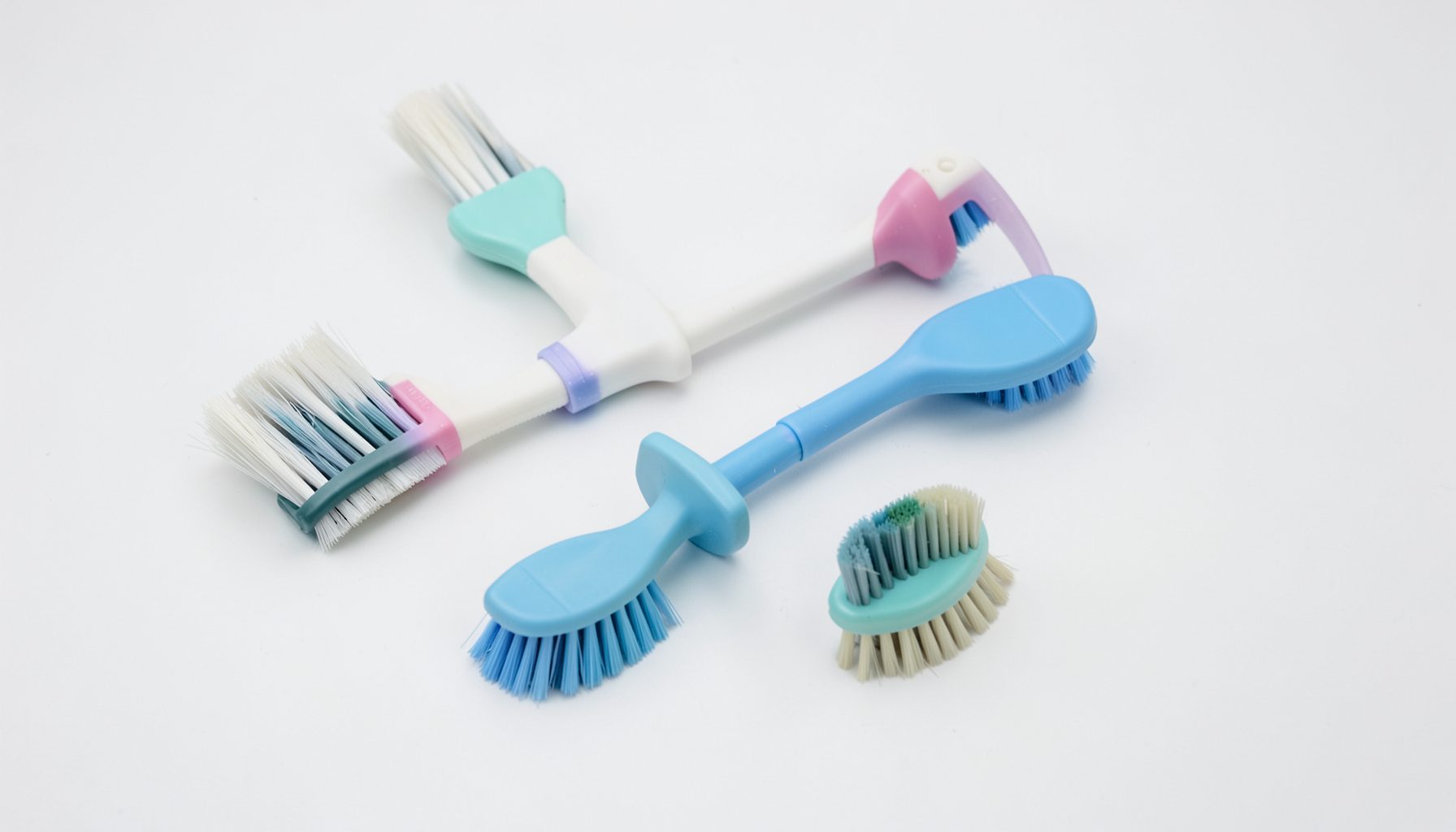
From the basic ResQRinse Nasal Rinse System ($19.99) to 90-day complete kits, saline packets, cleaning brushes, and Sinoptim Nasal Mist.
Browse all products →Get Started with ResQRinse
Ready to experience a better nasal rinse? Fill out the form below and we'll help you find the right product — or follow the simple steps to begin rinsing today.
Request More Information
How to Use ResQRinse
Fill the Bottle
Fill the ResQRinse squeeze bottle with distilled or previously boiled water and add one premixed saline packet.
Position the Tip
Place the comfort tip gently against one nostril. No head-tilting or awkward neck angles needed.
Squeeze & Breathe
Squeeze the bottle gently while breathing through your mouth. Nasal Lock™ keeps saline in your nasal passages and out of your throat.
Repeat & Clean
Switch nostrils and repeat. After use, rinse the bottle and let it air dry. Use ResQRinse Premium Cleaning Brushes for thorough cleaning.
Saline Mist And Full Rinse Irrigation Explained
Nasal discomfort can take several forms: dryness, a blocked nose, seasonal allergies, thick mucus, or pressure associated with sinus symptoms. Because these concerns do not always require the same type of care, choosing between a light saline mist and a full nasal rinse can make daily relief more comfortable and practical.
Both options use a saltwater solution, but they deliver it differently. A mist creates a fine spray that moistens the inside of the nose, while irrigation moves a larger volume of saline through the nasal passages and out again. Understanding that difference helps you select the right tool for the situation.
ResQRinse focuses on comfortable nasal care, with product details and guidance available through its product information. The best option depends on your symptoms, your tolerance for fluid flow, and whether you need simple moisture or more thorough cleansing.
What Each Option Delivers
Saline mist is a low-volume spray designed primarily to moisturize nasal tissues. It can be useful when the nose feels dry, irritated, or mildly congested. Since the application is quick and does not involve fluid flowing through the entire nasal passage, many people find it easy to use during the day, at work, or while traveling.
A full rinse irrigation uses a squeeze bottle or another nasal irrigation device to send saline into one nostril and out through the other nostril or the mouth. This process can help flush away mucus, pollen, dust, and other particles. It may also loosen material that is too thick or deeply settled for a light spray to reach effectively.
The two methods are not competing versions of the same product. Mist is closer to ongoing surface hydration, while irrigation is a more comprehensive nasal cleansing step. Some people use one method routinely and reserve the other for periods of heavier congestion or increased exposure to allergens.
How Coverage And Flow Differ
The main practical distinction is volume. A mist applies a small amount of saline, so it coats a limited area without creating much drainage. Full irrigation uses substantially more solution, allowing saline to travel through connected nasal spaces and carry loosened mucus and irritants away.
Flow can also affect comfort. A mist may feel gentle and unobtrusive, particularly for someone who dislikes the sensation of water moving through the nose. A squeeze-bottle rinse offers greater coverage, but the user needs to position the head correctly, breathe through the mouth, and apply steady, comfortable pressure.
ResQRinse systems include Nasal Lock technology intended to support a more controlled rinse experience. Correct positioning and a suitable saline concentration remain important, because water that is too forceful, too cold, or improperly prepared can create discomfort. Follow the instructions supplied with the specific device.
Matching The Method To Your Symptoms
Choosing between nasal spray mist and full-volume irrigation starts with the problem you are trying to address. A dry nose after spending time in heated or air-conditioned rooms may respond well to gentle moisture. A nose filled with thick mucus, seasonal allergens, or environmental particles may benefit more from a rinse that physically clears the passages.
A full rinse can be especially useful as part of allergy-season care, after outdoor exposure, or when congestion makes normal breathing difficult. It may also help prepare the nasal passages for other treatments, although anyone using medicated nasal products should ask a healthcare professional about timing and compatibility.
The comparison below provides a general guide. It does not replace medical advice, especially when symptoms are severe, persistent, or associated with fever, facial swelling, repeated nosebleeds, or significant pain.
| Feature | Saline Mist | Full Rinse Irrigation |
|---|---|---|
| Primary purpose | Moisturizes and lightly refreshes nasal tissues | Flushes mucus, allergens, and debris |
| Fluid volume | Low | Higher |
| Sensation | Light spray with minimal drainage | Noticeable flow through the nasal passages |
| Best suited for | Dryness, mild irritation, convenient daily use | Heavier congestion and thorough nasal cleansing |
| Time and setup | Fast and portable | Requires saline preparation and a rinse device |
| Cleaning needs | Usually limited to the spray container | Device must be rinsed, dried, and maintained carefully |
Using Saline Products Safely
For either method, use saline made with the correct water and salt combination. Nasal irrigation generally requires distilled, sterile, or previously boiled and cooled water, according to public health guidance and the product instructions. Do not use untreated tap water in a rinse device unless a qualified authority specifically confirms that it is safe for this purpose.
Saline packets can simplify preparation by providing a measured balance of ingredients. Using plain water or an incorrectly mixed solution may sting or irritate the nasal lining. A solution that feels unusually painful should not be forced; stop and check the preparation instructions before trying again.
Clean the bottle, nozzle, or mist container as directed. For a squeeze-bottle system, empty leftover solution after use, wash the components, and allow them to dry fully. The ResQRinse nasal care blog includes educational material that can help users review technique, maintenance, and common nasal-care questions.
Building A Practical Nasal Care Routine
Convenience often determines whether a nasal-care routine becomes consistent. A small saline mist may fit easily into a bag or bedside routine, making it practical for occasional dryness and quick refreshment. A full rinse takes more preparation, but the added effort can be worthwhile when nasal passages feel blocked or coated with mucus.
It is useful to think of mist and irrigation as tools for different moments rather than choosing one permanently. For example, a person might use a mist for everyday moisture and a full rinse after gardening, during pollen season, or when congestion increases. The ideal frequency varies by person and should follow product directions or clinical guidance.
Some signs indicate that self-care may not be enough. Seek professional advice for symptoms that continue or worsen, repeated nosebleeds, severe one-sided blockage, intense facial pressure, or breathing difficulties. Children should use age-appropriate products with adult supervision, and caregivers should follow the instructions for children’s nasal rinse systems.
Practical Ways To Choose
A simple decision process can make the choice less confusing. Consider how much clearing you need, how often you will use the product, and whether you can prepare and clean an irrigation device properly. Comfort matters as much as strength: a method that feels manageable is more likely to be used correctly.
Before purchasing, review the bottle size, included saline packets, cleaning accessories, and instructions. Complete kits may be useful for people who want the device and preparation supplies together, while a nasal mist may better suit those seeking portability and minimal setup. Product announcements and updates can also be found in the ResQRinse latest news.
- Choose saline mist when dryness, mild irritation, or portability is the main concern.
- Choose full rinse irrigation when mucus, allergens, or significant congestion need more thorough removal.
- Use only properly prepared saline and safe water for nasal irrigation.
- Clean and dry reusable components after every use according to the instructions.
- Ask a healthcare professional for guidance when symptoms are persistent, severe, or unusual.
Make Nasal Relief Fit Your Day
The difference between saline mist and full rinse irrigation comes down to purpose, volume, and coverage. Mist offers a quick layer of moisture with little preparation, while a full rinse provides a deeper wash through the nasal passages. Neither approach is automatically better for every symptom, and many households may find value in keeping both available.
Start with the method that matches your immediate need and use it exactly as directed. Explore ResQRinse nasal irrigation systems, saline packets, children’s options, and nasal mist products through the brand’s online retail listings, then make comfortable nasal care part of a routine that works for your home and schedule.