ResQRinse is the nasal irrigation squeeze bottle that eliminates head-tilting and awkward neck positions. Using proprietary Nasal Lock™ technology, it delivers a comfortable, gag-free sinus cleanse — no more saline dripping down your throat.

Relief From Fall Sneezes
Now sold on Walmart.com. Free shipping on orders $30+. Try ResQRinse today with your everyday purchases.
Shop at WalmartWhy ResQRinse?
Nasal rinsing helps relieve congestion from colds, allergies, sinusitis, hay fever, and environmental pollutants. ResQRinse makes it comfortable enough to become a daily habit.
Nasal Lock™ Technology
Isolates sinuses from the throat using natural choanal occlusion — like inflating a balloon — so saline stays where it belongs.
Learn more →
Drug-Free Relief
Uses premixed saline packets with distilled water. No medications, no preservatives — just a natural cleanse for your nasal passages.
How to rinse →
For Kids Too
ResQRinse for Kids features a comfort nasal tip right-sized for smaller nostril openings, making rinsing gentle and easy for children.
Shop kids' version →
Breath-Controlled Flow
You control the saline flow with your own breath pressure — high volume, low pressure irrigation that's comfortable and effective.
Watch how-to videos →
Better Compliance
Designed to overcome the gagging and discomfort that cause people to abandon traditional neti pots and nasal rinse systems.
Our story →
Complete Kits Available
From the basic ResQRinse Nasal Rinse System ($19.99) to 90-day complete kits, saline packets, cleaning brushes, and Sinoptim Nasal Mist.
Browse all products →Get Started with ResQRinse
Ready to experience a better nasal rinse? Fill out the form below and we'll help you find the right product — or follow the simple steps to begin rinsing today.
Request More Information
How to Use ResQRinse
Fill the Bottle
Fill the ResQRinse squeeze bottle with distilled or previously boiled water and add one premixed saline packet.
Position the Tip
Place the comfort tip gently against one nostril. No head-tilting or awkward neck angles needed.
Squeeze & Breathe
Squeeze the bottle gently while breathing through your mouth. Nasal Lock™ keeps saline in your nasal passages and out of your throat.
Repeat & Clean
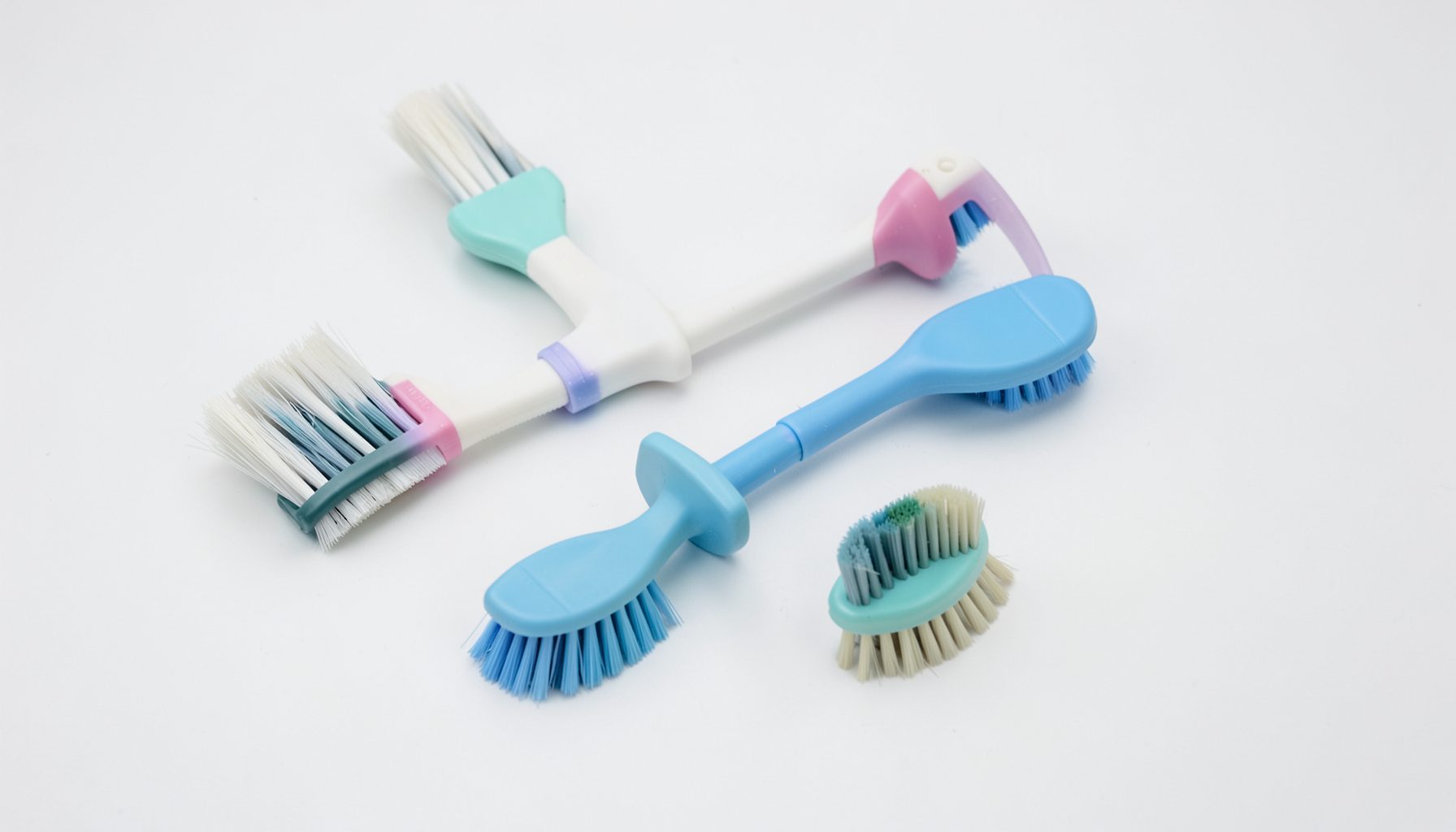
Switch nostrils and repeat. After use, rinse the bottle and let it air dry. Use ResQRinse Premium Cleaning Brushes for thorough cleaning.
How to Keep a Nasal Squeeze Bottle Clean Between Uses
A squeeze-bottle nasal rinse can ease congestion, clear excess mucus, and wash away allergens, but the device needs careful handling between uses. A bottle that is rinsed quickly and left damp in a closed space can retain moisture, saline residue, and microorganisms.
Safe storage is a simple routine: empty the bottle, separate its parts, wash them according to the manufacturer’s directions, and let everything dry fully before reassembly. The goal is to prevent contamination without damaging the bottle, cap, nozzle, or internal Nasal Lock components.
Water quality matters during the rinse as well as during cleaning. Use distilled or sterile water, or tap water that has been boiled and cooled, and prepare saline exactly as directed on the packet. Never store leftover rinse solution for the next session.
Empty the Bottle After Every Rinse
Once the nasal irrigation session is finished, discard any remaining saline solution. Do not leave liquid sitting inside the bottle, even if it appears clear. Saline residue can dry around the cap, nozzle, and internal valve, while standing water creates a damp environment where unwanted organisms may multiply.
Open the bottle and separate the removable pieces that the product instructions identify as washable. For a ResQRinse-style squeeze system, this may include the bottle, cap, rinse tip, and internal components associated with the Nasal Lock technology. Avoid forcing pieces apart if they are not designed to detach.
Rinse away visible salt or mucus promptly with safe water. A quick rinse is not a substitute for regular washing, but it keeps residue from hardening while the bottle awaits cleaning.
Wash Components Without Damaging Them
Clean the bottle and its parts using the method recommended by the manufacturer. Many reusable nasal rinse systems can be washed with warm water and mild dish soap, but abrasive cleaners, harsh chemicals, and very hot water may weaken plastic or affect the shape of seals and valves.
Use a small cleaning brush for narrow openings when one is supplied or approved for the device. Gently clean the nozzle and bottle neck, then rinse thoroughly so no soap remains. Do not insert sharp objects into the tip, as scratches can trap residue and interfere with a proper seal.
If the bottle has been used during a cold, sinus infection, or significant nasal discharge, take extra care with cleaning. A disposable or replaceable component may be appropriate depending on the product’s instructions. For information about using irrigation when throat discomfort is present, review this sore throat guidance before continuing your routine.
Dry Every Part Before Reassembly
Air-drying is one of the most important steps in preventing contamination. Shake off excess water, place the bottle and separate components on a clean, dry rack, and position openings downward or at an angle so trapped water can drain. Keep parts away from sinks, splashing water, dust, and frequently handled surfaces.
Do not put the cap back on while the inside is still damp. A closed bottle holds humidity in a confined space, which slows evaporation and may encourage microbial growth. The same principle applies to the rinse tip and any internal valve: they need exposure to moving air, not storage in a sealed container.
A clean, breathable drying area is usually preferable to a closed cabinet. If you use a drying mat or towel, choose one that is clean and changed regularly. A wet towel can transfer contamination back to freshly washed parts.
Storage Choices At A Glance
The best location depends on whether the components are fully dry, how often the bottle is used, and whether children or other household members can access it. The bottle should remain protected from dust while still receiving enough airflow to stay dry.
| Storage method | Best use | Main benefit | Potential concern |
|---|---|---|---|
| Separated on a clean drying rack | Daily use after washing | Maximum airflow and drainage | Exposed to nearby splashes or dust |
| Loosely covered in a clean container | Fully dry components | Adds protection from household debris | Sealing damp parts can trap moisture |
| Reassembled with cap closed | Only when explicitly allowed by instructions | Convenient and compact | Hidden moisture may remain inside |
| Stored in a bathroom cabinet | Completely dry, occasional use | Keeps parts out of sight | Humidity can build up after showers |
| Kept in a travel pouch | Transport after complete drying | Prevents contact with other items | A pouch must be clean and breathable |
A bathroom cabinet may be convenient, but frequent steam and humidity make it less suitable for damp equipment. If the only available storage area is in the bathroom, allow the components to dry outside the cabinet first, then store them away from the shower and sink.
Keep Saline And Water Separate
Never store prepared saline in the squeeze bottle between uses. Discard leftover solution after each session, wash the bottle, and make a fresh mixture next time. Pre-mixed saline that sits at room temperature does not have the same safety profile as a sealed, commercially prepared product.
Keep unopened saline packets in a cool, dry place and check the expiration date before use. A packet that has become wet, clumped, or damaged should be discarded. Follow the packet’s measurements carefully because an overly concentrated solution can sting, while an improperly prepared mixture may be less comfortable.
Water used for nasal rinsing should come from a safe source. Distilled or sterile water is the simplest option. If using tap water, boil it as directed by recognized public health guidance and let it cool before mixing. Do not pour hot water into the bottle, and do not assume that ordinary drinking water is automatically suitable for nasal irrigation.
Know When To Replace The Bottle
Reusable squeeze bottles do not last indefinitely. Inspect the plastic, cap, nozzle, seals, and internal valve regularly. Replace the system if you notice cracks, cloudiness that does not wash away, persistent odor, rough or scratched surfaces, a damaged tip, or a valve that no longer works correctly.
A bottle that stays compressed, leaks around the cap, or fails to rinse smoothly may not be delivering the intended flow. Continuing to use a damaged device can make cleaning more difficult and may cause solution to escape around the wrong area.
Replacement timing depends on the product and how frequently it is used, so follow the manufacturer’s instructions rather than relying only on a fixed calendar schedule. Children’s bottles may need closer inspection because they can be squeezed, dropped, or shared accidentally. Each person should have a dedicated nasal irrigation bottle and tip.
For people comparing rinse systems, the discussion of gentler sinus irrigation explains why bottle design, flow control, and ease of handling can affect the experience. Whichever system you choose, consistent cleaning remains essential.
A Practical Storage Routine
Build storage into the end of every nasal rinse session rather than treating it as an occasional deep-cleaning task. A repeatable process reduces the chance that a bottle will be closed while wet or reused with old solution.
- Empty and discard all remaining saline immediately after use.
- Separate only the components that the manufacturer says can be removed.
- Wash with approved soap and water, then rinse away all cleanser.
- Air-dry every piece completely before storing or reassembling it.
- Inspect the bottle and replace it when parts become damaged, worn, or difficult to clean.
For occasional users, perform the same routine after every session, even if the next use is several weeks away. Once dry, store the components in a clean location protected from bathroom humidity, pets, children, and contact with personal-care products.
If the bottle develops a persistent odor or visible growth, stop using it until the manufacturer’s cleaning guidance has been followed. If the problem remains, replacement is safer than trying to restore a questionable device with household disinfectants.
Clean storage supports comfortable, dependable nasal irrigation. Shop ResQRinse squeeze-bottle systems, saline packets, cleaning accessories, and nasal mist through the brand’s available Walmart and Amazon listings, and make thorough drying part of every use.