ResQRinse is the nasal irrigation squeeze bottle that eliminates head-tilting and awkward neck positions. Using proprietary Nasal Lock™ technology, it delivers a comfortable, gag-free sinus cleanse — no more saline dripping down your throat.

Relief From Fall Sneezes
Now sold on Walmart.com. Free shipping on orders $30+. Try ResQRinse today with your everyday purchases.
Shop at WalmartWhy ResQRinse?
Nasal rinsing helps relieve congestion from colds, allergies, sinusitis, hay fever, and environmental pollutants. ResQRinse makes it comfortable enough to become a daily habit.
Nasal Lock™ Technology
Isolates sinuses from the throat using natural choanal occlusion — like inflating a balloon — so saline stays where it belongs.
Learn more →
Drug-Free Relief
Uses premixed saline packets with distilled water. No medications, no preservatives — just a natural cleanse for your nasal passages.
How to rinse →
For Kids Too
ResQRinse for Kids features a comfort nasal tip right-sized for smaller nostril openings, making rinsing gentle and easy for children.
Shop kids' version →
Breath-Controlled Flow
You control the saline flow with your own breath pressure — high volume, low pressure irrigation that's comfortable and effective.
Watch how-to videos →
Better Compliance
Designed to overcome the gagging and discomfort that cause people to abandon traditional neti pots and nasal rinse systems.
Our story →
Complete Kits Available
From the basic ResQRinse Nasal Rinse System ($19.99) to 90-day complete kits, saline packets, cleaning brushes, and Sinoptim Nasal Mist.
Browse all products →Get Started with ResQRinse
Ready to experience a better nasal rinse? Fill out the form below and we'll help you find the right product — or follow the simple steps to begin rinsing today.
Request More Information
How to Use ResQRinse
Fill the Bottle
Fill the ResQRinse squeeze bottle with distilled or previously boiled water and add one premixed saline packet.
Position the Tip
Place the comfort tip gently against one nostril. No head-tilting or awkward neck angles needed.
Squeeze & Breathe
Squeeze the bottle gently while breathing through your mouth. Nasal Lock™ keeps saline in your nasal passages and out of your throat.
Repeat & Clean
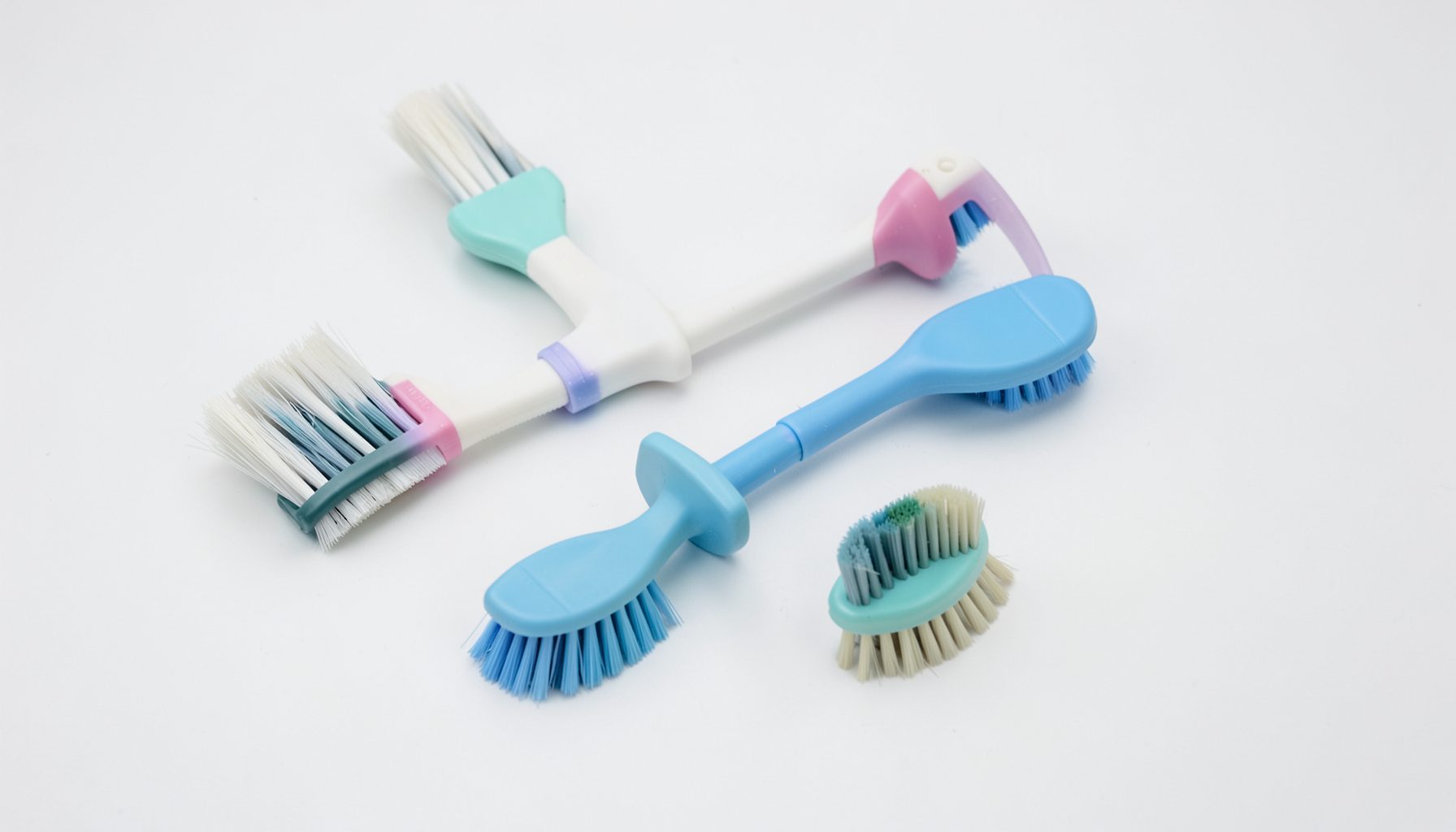
Switch nostrils and repeat. After use, rinse the bottle and let it air dry. Use ResQRinse Premium Cleaning Brushes for thorough cleaning.
How to Rinse Your Nose When You Have a Sore Throat
A sore throat can make every part of your normal routine feel uncomfortable, including nasal care. When congestion, allergies, or postnasal drip are adding irritation, a gentle saline rinse may help clear mucus and reduce the amount of drainage flowing toward the back of your throat.
Nasal irrigation does not treat every cause of throat pain. It may provide comfort when your symptoms are connected to blocked nasal passages, thick mucus, dry air, or sinus congestion. The key is to use safe water, the right saline mixture, and light pressure so the rinse feels soothing rather than harsh.
If your sore throat is severe, lasts longer than expected, or occurs with fever, difficulty swallowing, breathing problems, or marked swelling, contact a healthcare professional. A rinse can support symptom relief, but it should not replace medical evaluation when warning signs are present.
Why Nasal Rinsing Can Help
Mucus draining from the nose into the throat can cause a scratchy feeling, frequent throat clearing, coughing, or a sensation that something is stuck. This is commonly called postnasal drip. A saline rinse helps flush out excess mucus, pollen, dust, and other irritants from the nasal passages before they continue down the throat.
Saline also adds moisture to tissues that may feel dry or inflamed. Isotonic saline, which has a salt concentration similar to the body’s natural fluids, is usually a comfortable choice for routine use. Hypertonic saline may help draw out fluid during significant congestion, but it can feel more drying or sting for some people.
A rinse may be especially useful when throat irritation appears alongside a stuffy nose, facial pressure, sneezing, or seasonal allergies. If facial pressure is contributing to your discomfort, learning about sinus pressure and headaches can provide helpful context about how nasal and sinus symptoms may overlap.
Prepare Before You Rinse
Use distilled or sterile water, or tap water that has been boiled and cooled according to public health guidance. Do not use untreated tap water in a nasal irrigation device. Water safety is essential because the nasal passages connect with areas where harmful organisms can cause serious infection.
Prepare the saline solution exactly as directed on the packet or by the device manufacturer. Too little salt can sting, while too much may irritate already sensitive tissue. Wash your hands first, inspect the bottle or nasal tip, and make sure the device is clean and free from residue.
The water should feel comfortably lukewarm, never hot. Test a small amount on the inside of your wrist if needed. Have a tissue nearby, and choose a sink or shower where a little drainage will not be a problem. Rinsing over a sink makes it easier to relax your neck and let the solution flow out naturally.
| Situation | Helpful approach | What to avoid |
|---|---|---|
| Mild congestion with throat irritation | Use lukewarm isotonic saline and gentle pressure | Forcing fluid through blocked passages |
| Thick mucus or allergy symptoms | Rinse when the nose feels congested, following product directions | Reusing leftover solution |
| Sensitive nose or active soreness | Start with a smaller, slower rinse | Very hot water or concentrated salt |
| Ear pressure or recent ear surgery | Ask a clinician before irrigating | Continuing if ear pain develops |
| Child with nasal symptoms | Use an age-appropriate product with adult supervision | Using an adult device without guidance |
Use Gentle Technique
Lean over the sink, keep your mouth open, and breathe through your mouth. Tilt your head slightly to one side rather than tipping it far backward. Place the nasal tip securely but gently against the upper nostril, creating enough of a seal for the solution to flow without pressing hard.
Squeeze slowly. The saline should travel through one nasal passage and drain from the other nostril or into the mouth. Some solution may reach the back of the throat; spit it out instead of swallowing if the taste is unpleasant. A small amount of drainage after the rinse is normal.
Repeat on the other side if the device instructions recommend it. When you finish, blow your nose gently, one nostril at a time. Avoid forceful blowing because it can increase pressure in the ears or push mucus where it does not belong. If the rinse burns sharply, causes significant pain, or produces bleeding, stop and reassess the water temperature, saline concentration, and technique.
Choose The Right Time
Rinsing before meals can be more comfortable when a sore throat is sensitive to saltwater drainage. It can also be helpful before bedtime if congestion and postnasal drip make it difficult to sleep. Give yourself enough time to let residual fluid drain before lying down.
When using nasal medication, a saline rinse is generally performed first so mucus and allergens do not interfere with contact between the medicine and nasal tissue. Follow the instructions for any prescription or over-the-counter spray, since some products have specific timing requirements.
You do not need to rinse repeatedly throughout the day. Follow the directions for your system and use your symptoms as a guide. Overuse may cause dryness or irritation, particularly when the nasal lining is already inflamed. If your throat feels worse after each rinse, pause and speak with a healthcare professional.
Keep The Device Clean
After each use, empty any remaining saline and rinse the bottle, cap, and nasal tip as directed. Allow the parts to air-dry completely in a clean area. Moist, enclosed equipment can support microbial growth, so avoid putting a damp device straight into a closed cabinet or bag.
Use a cleaning brush when the product instructions recommend one, and replace parts on the suggested schedule. Never share a nasal irrigation bottle or tip, even with a family member. If you are using a complete system, ResQRinse nasal systems can help you choose among squeeze-bottle options, children’s products, saline packets, cleaning accessories, and nasal mist.
Keep prepared saline separate from drinking water and make a fresh solution as directed. Do not store unused mixture for later unless the manufacturer specifically provides safe storage instructions. Clean habits protect the nasal passages and help preserve the comfort of regular irrigation.
Know When To Pause
A mild sense of fullness during or shortly after a rinse can happen, but persistent ear pressure, ear pain, dizziness, or worsening congestion is a reason to stop. People with frequent nosebleeds, a completely blocked nasal passage, impaired sensation, or a history of ear problems should ask a clinician whether nasal irrigation is appropriate.
Take extra care when rinsing a child’s nose. Use a device designed for the child’s age, supervise every use, and never force the tip into the nostril. A child who cannot follow instructions or remain still may need another form of nasal care recommended by a pediatric professional.
Use these practices to keep the experience gentle and consistent:
- Choose sterile, distilled, or properly boiled and cooled water.
- Mix saline accurately and use a lukewarm solution.
- Keep your mouth open and breathe through it during the rinse.
- Apply slow, light pressure rather than forcing a blocked nostril.
- Stop for significant pain, bleeding, ear symptoms, or worsening discomfort.
Seek prompt medical care for trouble breathing, inability to swallow fluids, drooling, severe dehydration, rapidly increasing throat or neck swelling, or a muffled voice. A sore throat with a high fever, rash, pus, or symptoms that persist or worsen may also need professional assessment.
A carefully performed saline rinse can make congested days more manageable by clearing irritants and reducing drainage that bothers the throat. Follow safe water practices, clean the equipment after every use, and adjust your routine to how your nose and throat respond. Explore a nasal irrigation system that fits your household’s needs and use it as part of a thoughtful approach to comfortable nasal care.