ResQRinse is the nasal irrigation squeeze bottle that eliminates head-tilting and awkward neck positions. Using proprietary Nasal Lock™ technology, it delivers a comfortable, gag-free sinus cleanse — no more saline dripping down your throat.

Relief From Fall Sneezes
Now sold on Walmart.com. Free shipping on orders $30+. Try ResQRinse today with your everyday purchases.
Shop at WalmartWhy ResQRinse?
Nasal rinsing helps relieve congestion from colds, allergies, sinusitis, hay fever, and environmental pollutants. ResQRinse makes it comfortable enough to become a daily habit.
Nasal Lock™ Technology
Isolates sinuses from the throat using natural choanal occlusion — like inflating a balloon — so saline stays where it belongs.
Learn more →
Drug-Free Relief
Uses premixed saline packets with distilled water. No medications, no preservatives — just a natural cleanse for your nasal passages.
How to rinse →
For Kids Too
ResQRinse for Kids features a comfort nasal tip right-sized for smaller nostril openings, making rinsing gentle and easy for children.
Shop kids' version →
Breath-Controlled Flow
You control the saline flow with your own breath pressure — high volume, low pressure irrigation that's comfortable and effective.
Watch how-to videos →
Better Compliance
Designed to overcome the gagging and discomfort that cause people to abandon traditional neti pots and nasal rinse systems.
Our story →
Complete Kits Available
From the basic ResQRinse Nasal Rinse System ($19.99) to 90-day complete kits, saline packets, cleaning brushes, and Sinoptim Nasal Mist.
Browse all products →Get Started with ResQRinse
Ready to experience a better nasal rinse? Fill out the form below and we'll help you find the right product — or follow the simple steps to begin rinsing today.
Request More Information
How to Use ResQRinse
Fill the Bottle
Fill the ResQRinse squeeze bottle with distilled or previously boiled water and add one premixed saline packet.
Position the Tip
Place the comfort tip gently against one nostril. No head-tilting or awkward neck angles needed.
Squeeze & Breathe
Squeeze the bottle gently while breathing through your mouth. Nasal Lock™ keeps saline in your nasal passages and out of your throat.
Repeat & Clean
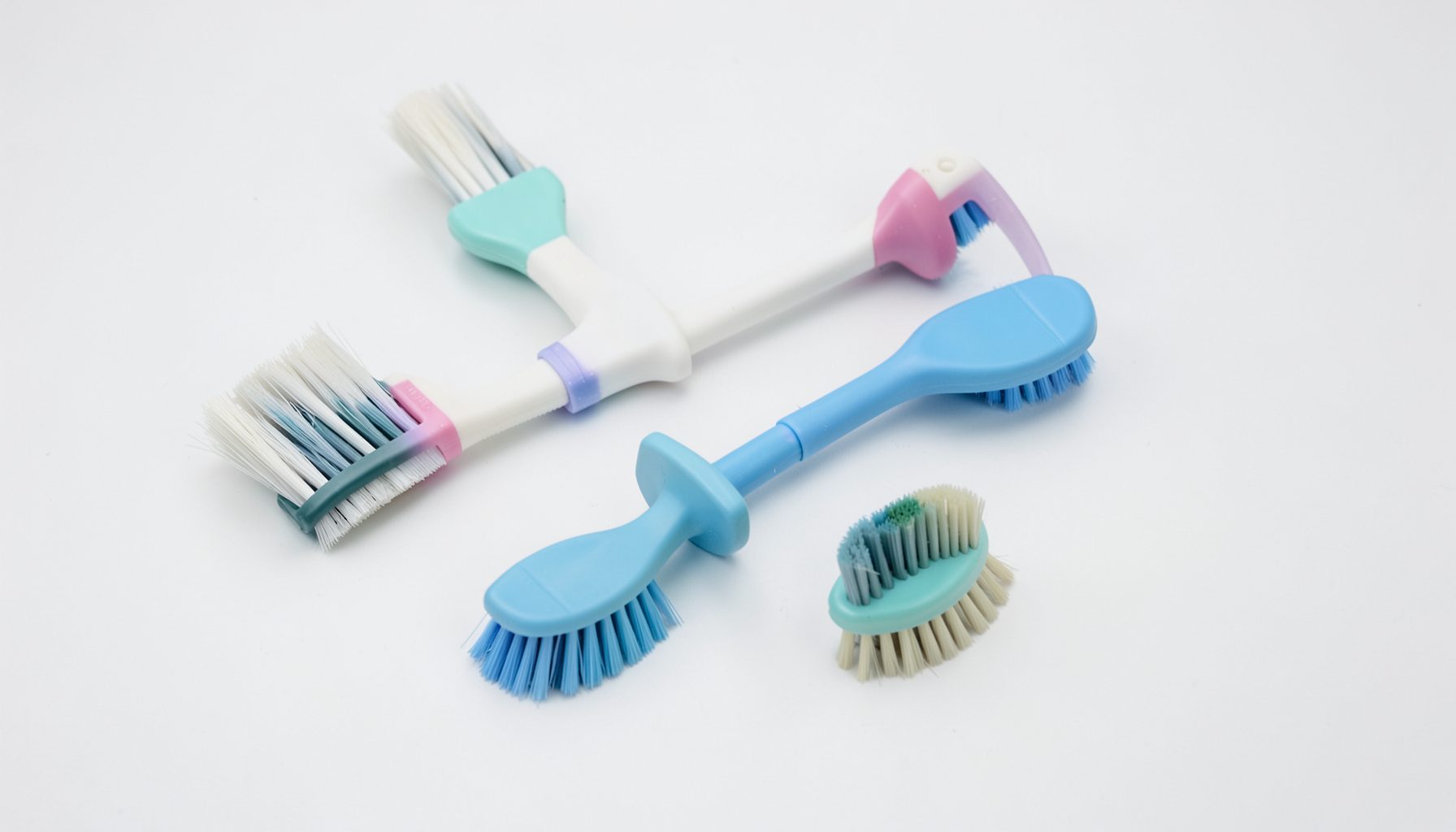
Switch nostrils and repeat. After use, rinse the bottle and let it air dry. Use ResQRinse Premium Cleaning Brushes for thorough cleaning.
A Gentle Approach: Steering Saline Away From the Top of the Nasal Cavity
For many Australians who wake up with blocked sinuses during spring, the daily nasal rinse feels like a small victory against the ryegrass pollen drifting across Melbourne's parks or the dust raised on a long shift at Sydney's weekend markets. Yet plenty of people give up after one or two uncomfortable attempts because the saline feels like it is shooting straight into the back of their skull. The truth is that a proper nasal rinse should feel like a gentle wave drifting sideways through the nostrils, not a jet pointed at the top of the nasal cavity. Getting the direction right is the difference between a soothing habit and a frustrating chore.
The most common error is tilting the head too far backward and squeezing hard, which sends saline straight up toward the upper reaches of the nasal passages. That area sits behind the bridge of the nose and is lined with sensitive tissue, so direct upward pressure often stings, triggers coughing, and occasionally pushes water toward the Eustachian tubes. When saline travels the wrong way, it can leave ears feeling blocked and turn a thirty-second rinse into an experience people remember for all the wrong reasons.
Learning to angle the bottle so the solution travels across the floor of the nose and out the opposite nostril is a skill most people pick up within a few sessions. ResQRinse designed its squeeze bottle and Nasal Lock technology specifically to keep the flow controlled, so even first-time users can settle into a calm, side-to-side motion. The following sections walk through the anatomy, the head position, the step-by-step technique, the typical mistakes, and the routines that fit naturally around Australian life.
Why Aim Matters: The Anatomy Behind a Comfortable Rinse
The nasal cavity is more like a long hallway than a small box, with the floor running almost horizontal when a person stands upright. The septum divides the space down the middle, while three pairs of turbinates on each side warm and humidify the air before it reaches the lungs. Above the middle turbinate rests the ceiling of the cavity, and just beyond it sits the cribriform plate, which separates the nose from the cranial cavity. Sending a strong jet of saline in that direction is unnecessary, uncomfortable, and offers no extra cleansing benefit.
A comfortable rinse works with gravity along the lower passage, where mucus pools during a cold, after exposure to bushfire smoke, or following a long day in air-conditioned offices. Saline travelling sideways dissolves the thin layer of mucus, lifts trapped pollen grains, and washes out debris before draining out through the opposite nostril or down the back of the throat. That sideways path is also far safer for people prone to ear complaints, since it keeps the liquid away from the Eustachian tubes that link the back of the nose with the middle ear.
What a sideways rinse actually does:
- Clears the lower and middle meatus where most mucus settles
- Reduces crusting along the turbinates without irritating the upper lining
- Helps the sinuses drain naturally through their own small openings
- Keeps saline away from the ears and the upper nasal ceiling
The Head Tilt and Angle That Make All the Difference
Stand in front of a bathroom mirror and lean forward just slightly, as though about to drink from a glass resting on the edge of a sink. The chin should drop toward the chest without tucking under, and the eyes should look down at the floor rather than up at the ceiling. From this position, one nostril points slightly toward the opposite shoulder, creating a gentle slope across the floor of the nasal cavity. That slope is the path the saline needs to follow.
Many Australians instinctively tip the head back the way they would when using a nasal spray picked up from the chemist, but that backward tilt is the main culprit behind the awful feeling of water rushing toward the eyes and ears. Tilting forward by about forty-five degrees, with the mouth open and the tongue pressed lightly against the lower teeth, also helps anyone who breathes through their mouth during pollen-heavy afternoons in Adelaide or Brisbane. The open mouth gives the soft palate somewhere to relax, which prevents the gagging reflex and keeps the throat calm.
Practising the tilt before a rinse is genuinely worthwhile. A few dry runs in the shower, holding the bottle in position without squeezing, help build muscle memory so the actual rinse feels automatic. People who live in apartment buildings in Sydney often find the steam from the morning shower softens the mucus first, making the saline travel even more comfortably when the rinse finally starts.
A Step-by-Step Routine for a Pressure-Free Cleanse
Begin by washing hands and filling the squeeze bottle with lukewarm water, ideally previously boiled and cooled, or filtered through a home jug. Add a measured saline packet, secure the cap, and shake until the powder dissolves. Stand over a basin, adopt the forward tilt described above, and place the nozzle gently against one nostril, sealing it without pushing inward.
The squeeze itself should be slow and steady rather than a hard push. Imagine watering a seedling rather than blasting dirt off a footpath. The saline should rise into the nostril, curve across the floor of the cavity, and begin dripping from the opposite nostril after a few seconds. Breathing through the open mouth throughout the rinse keeps the soft palate relaxed and prevents the urge to swallow or gulp. Half the bottle per side is usually enough; some people use slightly less, especially during the first few tries.
After each side, blow the nose gently into a soft tissue, never with force, and pause for a moment before switching. Finish by tipping the head upright and giving the nose one final soft blow. Cleaning the bottle with the small brush included in most kits, then letting it air-dry upside down, keeps the system ready for the next round. The whole process should take under three minutes once the technique is familiar, which makes it realistic to complete during a quick morning routine in a busy Perth household.
Common Mistakes Allergy Sufferers in Sydney and Melbourne Make
Anyone who has walked past the Royal Botanic Gardens in Melbourne during November knows how aggressive ryegrass pollen can be, and many of them try to rinse straight after getting home from work. In that tired state, the temptation is to lean back, squeeze hard, and hope the saline blasts the pollen out. That habit almost guarantees a stinging sensation along the roof of the nose and sometimes a crackling sound in the ears hours later. The real fix is patience: a calmer squeeze and a forward tilt almost always do a better job than a powerful squirt sent the wrong way.
Another frequent slip-up involves sniffing sharply during or after the rinse, which drags residual saline up toward the upper cavity and into the sinuses. A soft exhale through the nose is enough; sniffing tends to pull liquid into areas it was never meant to reach. People who spend summer holidays at the coast, especially around Bondi or the Mornington Peninsula, often forget that sea air dries the lining overnight, so a pre-rinse splash of plain water helps the saline glide more comfortably.
Habits to drop before your next rinse:
- Tilting the head backward the way you do when using chemist-bought sprays
- Squeezing the bottle hard instead of letting the saline drift sideways
- Sniffing sharply mid-rinse to "pull" liquid further inside
- Rinsing in a hurry while bent awkwardly over the basin
Specialists listed on allergy and asthma resources such as Allergy Asthma Associates regularly point patients who suffer spring congestion toward gentle rinsing rather than aggressive sprays, which supports the same logic. Following the recommended angle rather than fighting it protects the delicate upper lining and reduces the chance of irritation lasting into the next workday.
Building a Routine That Fits Around Local Lifestyles
Rinsing once a day works well for most people, though those who swim laps at an indoor pool in winter may want to rinse after every session, since chloramine vapour and pool chemicals dry the lining quickly. Swimmers who clock up kilometres at Sydney's ocean pools or at the Melbourne City Baths can read the brand's guide to chlorine and pollen removal for tailored advice. Rinsing after swimming also helps clear any microscopic debris that settles along the turbinates during long sessions in the water.
In the southern states, winter brings cold, dry air that cracks the lining and leaves people feeling blocked even without a cold. Heating units running for weeks on end in Hobart and Canberra homes strip moisture from the air, so a daily rinse paired with a humidifier in the bedroom can keep the lining supple through July and August. Those who battle persistent dryness can find more seasonal advice in the winter sinus care guide, which covers timing and water temperature for the colder months.
Families often find the easiest slot is straight after the evening bath, when the children are already in the bathroom and the day is winding down. Parents in Brisbane know that late-afternoon storms in summer kick up grass pollen just when the kids come in from the backyard, so a quick rinse before dinner clears the worst of the build-up. Whether it becomes a morning ritual before the school run or a post-surf habit in summer, a few minutes of gentle sideways rinsing is one of the simplest routines an Australian household can adopt for clearer breathing all year.