ResQRinse is the nasal irrigation squeeze bottle that eliminates head-tilting and awkward neck positions. Using proprietary Nasal Lock™ technology, it delivers a comfortable, gag-free sinus cleanse — no more saline dripping down your throat.

Relief From Fall Sneezes
Now sold on Walmart.com. Free shipping on orders $30+. Try ResQRinse today with your everyday purchases.
Shop at WalmartWhy ResQRinse?
Nasal rinsing helps relieve congestion from colds, allergies, sinusitis, hay fever, and environmental pollutants. ResQRinse makes it comfortable enough to become a daily habit.
Nasal Lock™ Technology
Isolates sinuses from the throat using natural choanal occlusion — like inflating a balloon — so saline stays where it belongs.
Learn more →
Drug-Free Relief
Uses premixed saline packets with distilled water. No medications, no preservatives — just a natural cleanse for your nasal passages.
How to rinse →
For Kids Too
ResQRinse for Kids features a comfort nasal tip right-sized for smaller nostril openings, making rinsing gentle and easy for children.
Shop kids' version →
Breath-Controlled Flow
You control the saline flow with your own breath pressure — high volume, low pressure irrigation that's comfortable and effective.
Watch how-to videos →
Better Compliance
Designed to overcome the gagging and discomfort that cause people to abandon traditional neti pots and nasal rinse systems.
Our story →
Complete Kits Available
From the basic ResQRinse Nasal Rinse System ($19.99) to 90-day complete kits, saline packets, cleaning brushes, and Sinoptim Nasal Mist.
Browse all products →Get Started with ResQRinse
Ready to experience a better nasal rinse? Fill out the form below and we'll help you find the right product — or follow the simple steps to begin rinsing today.
Request More Information
How to Use ResQRinse
Fill the Bottle
Fill the ResQRinse squeeze bottle with distilled or previously boiled water and add one premixed saline packet.
Position the Tip
Place the comfort tip gently against one nostril. No head-tilting or awkward neck angles needed.
Squeeze & Breathe
Squeeze the bottle gently while breathing through your mouth. Nasal Lock™ keeps saline in your nasal passages and out of your throat.
Repeat & Clean
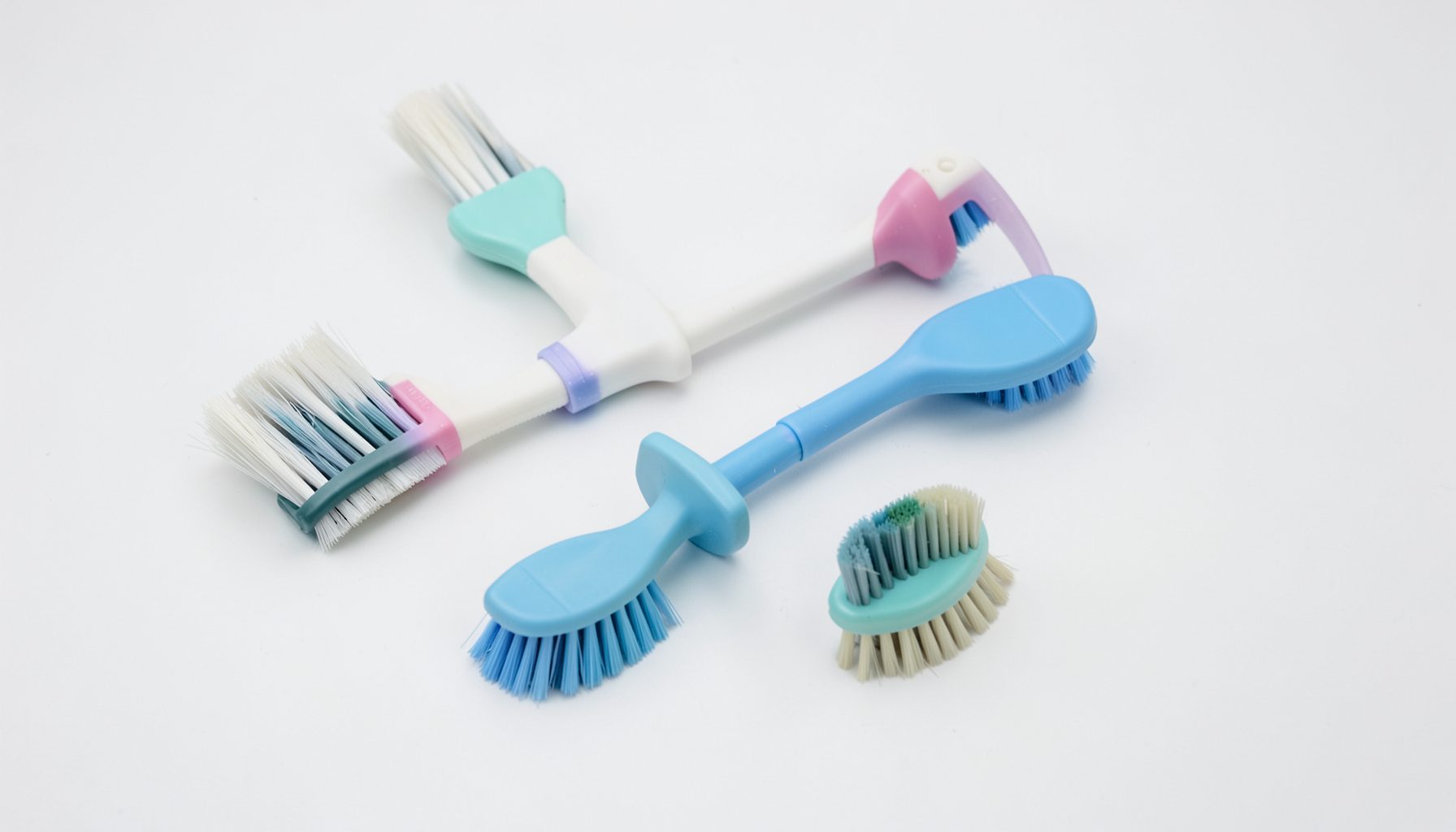
Switch nostrils and repeat. After use, rinse the bottle and let it air dry. Use ResQRinse Premium Cleaning Brushes for thorough cleaning.
Nasal rinsing safely with a nose ring or piercing
A blocked nose can be especially uncomfortable when you have a nostril, septum or bridge piercing. Congestion from hay fever, a cold or sinus irritation may make you want to rinse straight away, yet jewellery can change how the saline moves through your nose and how easily the area becomes irritated.
The safest approach is gentle, hygienic and guided by the stage of healing. A nasal irrigation bottle can usually be used around established jewellery, but a fresh piercing needs more care. Avoid forcing fluid, twisting the jewellery or treating a nasal rinse as a substitute for proper piercing aftercare.
Why jewellery changes your rinsing routine
A nose ring or stud creates a small area where mucus, saline residue and bacteria can collect. Jewellery may also catch the stream of liquid, causing splashing or a sensation of pressure around the piercing channel. This is usually manageable when the piercing is fully healed and the rinse is performed with a light, steady flow.
Fresh piercings are different. A nostril piercing commonly takes several months to heal, while a septum may settle sooner or take longer depending on anatomy, jewellery and aftercare. The outside can look calm while the inner tissue remains delicate. Rinsing too forcefully, removing jewellery too early or rubbing the opening with a towel may cause swelling and prolong healing.
Check whether the piercing is ready
Before using a sinus rinse, consider whether the piercing is still tender, crusted, hot, swollen or producing unusual discharge. Bleeding, throbbing pain, spreading redness or worsening swelling are reasons to pause and seek advice from a qualified piercer or health professional. If you have recently had the jewellery fitted, follow the aftercare instructions supplied by your piercer.
Do not take out a fresh nose ring simply to rinse unless a professional has told you to do so. The channel can narrow quickly, and reinserting jewellery may damage healing tissue. If the piercing is mature, moves comfortably and has no signs of irritation, you can generally leave it in place and work around it with a gentle nasal irrigation technique.
Select a safe saline solution
Use a purpose-made saline sachet mixed with sterile, distilled or previously boiled and cooled water. In Australia, tap water is treated, but it is still better to follow nasal irrigation safety advice and avoid putting untreated water into your nose. Never use plain water alone, as it can sting and disturb the natural salt balance of nasal tissue.
A balanced saline mixture should feel mild rather than sharply painful. Do not add essential oils, antiseptic, alcohol or homemade ingredients to a nasal rinse. These can irritate the mucous membranes and the piercing channel. If the solution burns strongly, stop, empty the bottle and prepare a fresh mixture according to the product directions.
Prepare the bottle and piercing area
Wash your hands before touching the irrigation device or your jewellery. Rinse the outside of the nose with clean water if there is visible mucus, and gently pat the area dry with a fresh disposable towel or clean paper towel. Avoid cotton buds, makeup residue and fluffy face washers that may snag on a nose stud or ring.
A squeeze-bottle system can give you more control than a traditional neti pot because you can regulate the pressure and keep the nozzle positioned at the nostril entrance. Do not push the tip against the piercing or insert it deeply. If the bathroom is warm and damp, use these storage tips to help keep the kit clean between uses.
Use a gentle position and flow
Lean over the basin and tilt your head slightly forward and to the side. Keep your mouth open and breathe through it. Place the nozzle just inside the nostril, away from the jewellery, and squeeze slowly. The saline should travel through the nasal passage and drain from the other nostril or into the mouth without sharp pressure.
If liquid pools around the ring, leaks onto the upper lip or causes a sudden sting, reduce the pressure and adjust your head angle. Never block one nostril completely with your finger or force the bottle when the nose is totally sealed. A brief pause, gentle nose blowing and a second attempt later may be safer than trying to push through congestion.
After rinsing, let the liquid drain naturally. Blow your nose softly, one side at a time, and pat around the jewellery rather than rubbing. A septum ring can make the nose feel full during drainage, so give the saline time to clear before touching or repositioning the jewellery.
Manage irritation during a cold or allergy flare
A cold, influenza or heavy hay fever can make the inner nose swollen and the piercing more sensitive. Nasal irrigation may help wash away mucus and allergens, but it will not cure an infection or replace medical treatment. If you are recovering from a cold, follow this cold-care guide and keep the rinse gentle.
Australian allergy seasons vary by region. Grass pollen can be troublesome in Canberra and inland New South Wales, while dust, smoke and dry conditions may affect people in Adelaide, Perth or regional Queensland. During a windy day, bushfire smoke event or high-pollen period, avoid repeatedly rinsing just because the nose feels irritated. Too much rinsing can leave the tissue dry and sore.
If the piercing itself becomes increasingly painful, develops thick yellow or green discharge, or appears to be embedding into the skin, stop nasal irrigation around that area. A pharmacist in a local chemist can offer general advice, while a GP should assess signs of infection, significant swelling or breathing difficulty.
Keep jewellery and equipment hygienic
After the rinse, wash the bottle and nozzle exactly as the manufacturer directs, then allow every part to air-dry fully. Do not share the device with family members, including children. Replace components when they become cracked, cloudy or difficult to clean. A clean kit matters because the bottle can carry microbes back into the nose.
Do not apply moisturiser, tea tree oil, alcohol or strong disinfectant to the piercing before nasal irrigation. These products may enter the nostril and cause burning. If the outer skin is dry, use only an aftercare product recommended by your piercer, and keep it separate from the bottle nozzle and saline.
Short demonstrations can make head position and bottle handling easier to follow, especially if you are new to nasal irrigation; the brand’s rinse videos show the basic technique without requiring pressure around the jewellery. Practise with a calm, low-flow approach rather than trying to copy a forceful stream.
Know when to stop and seek help
Pause rinsing if you experience persistent pain, repeated nosebleeds, dizziness, ear pressure, facial swelling or a strong burning sensation. A blocked nose caused by a deviated septum, severe inflammation or a lodged object may not improve with irrigation, and pressure can make symptoms worse. Children and people with complex medical conditions should receive age-appropriate guidance before using a rinse system.
For a healed piercing, occasional saline irrigation is usually compatible with normal jewellery wear when the solution is safe, the equipment is clean and the flow is gentle. For a new piercing, wait for professional advice if the rinse repeatedly irritates the site. A reputable piercer can explain how the jewellery sits, while a GP can assess sinus symptoms that last, return frequently or include fever.
Choose a clean ResQRinse system and prepare it with the correct saline and water before your next congested day. Follow the instructions, keep the nozzle clear of the jewellery and make gentle pressure your default. If symptoms or piercing irritation continue, arrange advice from a pharmacist, piercer or GP rather than continuing to rinse through discomfort.