ResQRinse is the nasal irrigation squeeze bottle that eliminates head-tilting and awkward neck positions. Using proprietary Nasal Lock™ technology, it delivers a comfortable, gag-free sinus cleanse — no more saline dripping down your throat.

Relief From Fall Sneezes
Now sold on Walmart.com. Free shipping on orders $30+. Try ResQRinse today with your everyday purchases.
Shop at WalmartWhy ResQRinse?
Nasal rinsing helps relieve congestion from colds, allergies, sinusitis, hay fever, and environmental pollutants. ResQRinse makes it comfortable enough to become a daily habit.
Nasal Lock™ Technology
Isolates sinuses from the throat using natural choanal occlusion — like inflating a balloon — so saline stays where it belongs.
Learn more →
Drug-Free Relief
Uses premixed saline packets with distilled water. No medications, no preservatives — just a natural cleanse for your nasal passages.
How to rinse →
For Kids Too
ResQRinse for Kids features a comfort nasal tip right-sized for smaller nostril openings, making rinsing gentle and easy for children.
Shop kids' version →
Breath-Controlled Flow
You control the saline flow with your own breath pressure — high volume, low pressure irrigation that's comfortable and effective.
Watch how-to videos →
Better Compliance
Designed to overcome the gagging and discomfort that cause people to abandon traditional neti pots and nasal rinse systems.
Our story →
Complete Kits Available
From the basic ResQRinse Nasal Rinse System ($19.99) to 90-day complete kits, saline packets, cleaning brushes, and Sinoptim Nasal Mist.
Browse all products →Get Started with ResQRinse
Ready to experience a better nasal rinse? Fill out the form below and we'll help you find the right product — or follow the simple steps to begin rinsing today.
Request More Information
How to Use ResQRinse
Fill the Bottle
Fill the ResQRinse squeeze bottle with distilled or previously boiled water and add one premixed saline packet.
Position the Tip
Place the comfort tip gently against one nostril. No head-tilting or awkward neck angles needed.
Squeeze & Breathe
Squeeze the bottle gently while breathing through your mouth. Nasal Lock™ keeps saline in your nasal passages and out of your throat.
Repeat & Clean
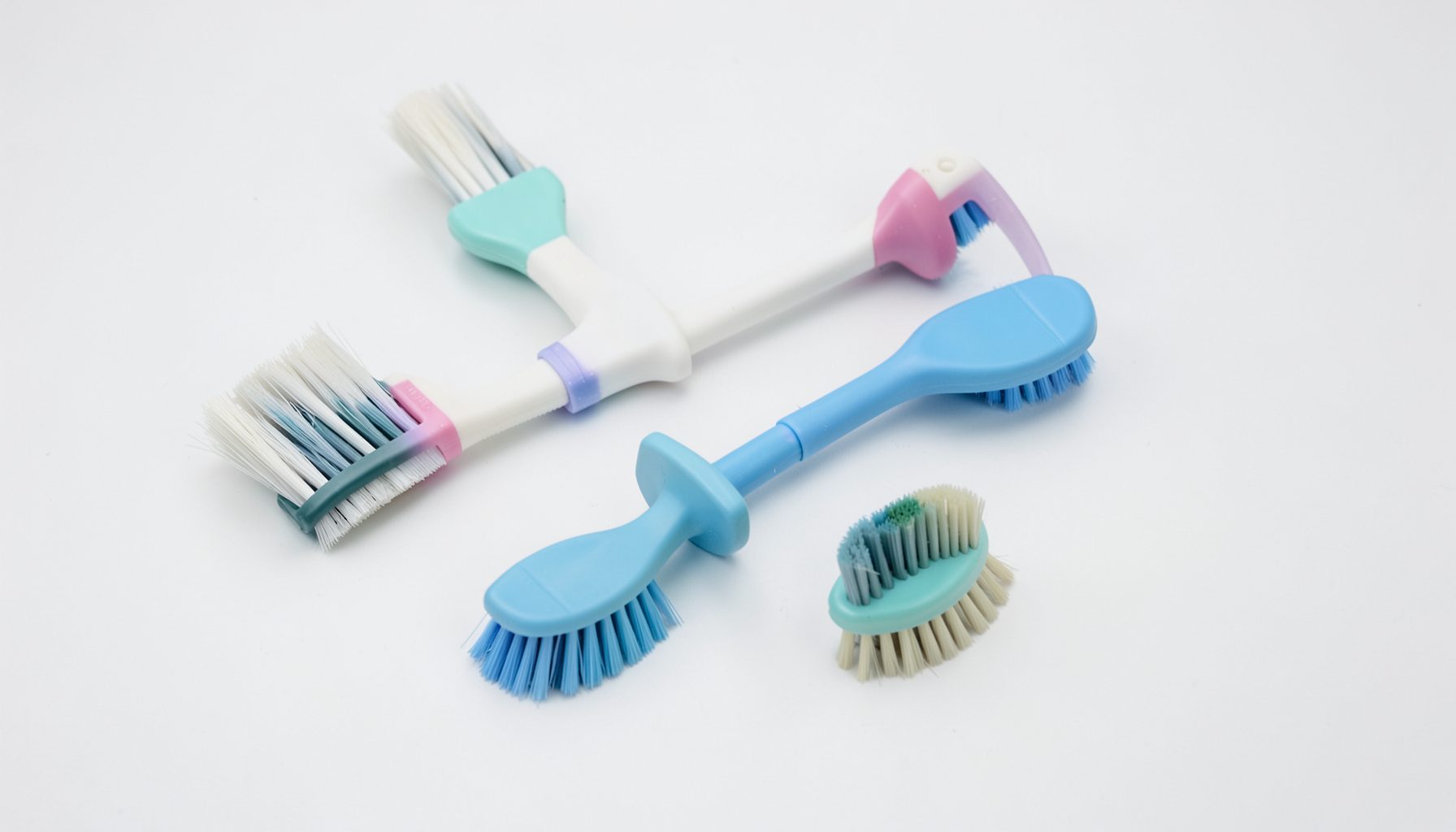
Switch nostrils and repeat. After use, rinse the bottle and let it air dry. Use ResQRinse Premium Cleaning Brushes for thorough cleaning.
How to rinse after heavy pollen exposure
Heavy pollen counts can turn an ordinary day outdoors into hours of sneezing, congestion, itchy eyes and a scratchy throat. In Australia, symptoms often intensify during spring and early summer, when grasses, weeds and flowering plants release airborne allergens. A nasal rinse can help wash away pollen before it remains in contact with the delicate lining of the nose.
Rinsing is especially useful after time spent mowing, gardening, walking through parks or exercising outdoors. Pollen can collect around the nostrils, in nasal mucus, on facial hair and on clothing. Returning indoors does not always end exposure, as particles may continue to circulate through bedding, upholstery and air-conditioning systems.
A gentle saline irrigation routine may clear allergens and loosen thick mucus without adding medication. The method matters, however. Safe water, the right saline concentration, careful cleaning and a comfortable technique all help make nasal irrigation a practical part of allergy management.
Recognise when pollen is the likely trigger
Pollen-related rhinitis commonly causes repeated sneezing, a blocked or runny nose, an itchy palate and watery eyes. Symptoms may appear soon after visiting a garden, sports oval or bush track, then ease when you spend time indoors. Congestion can also feel worse overnight if pollen has been carried into the bedroom on hair, skin or clothing.
Local conditions vary across Australia. Melbourne’s spring grass pollen season can be particularly difficult for people sensitive to ryegrass, while residents of Sydney, Brisbane and Adelaide may notice symptoms around grass growth, weeds and ornamental plants. Perth’s dry, windy conditions can carry pollen and dust together, making it useful to consider both triggers.
Pollen is different from smoke, chemical fumes and infectious illness. A rinse may remove allergens and mucus from the nasal passages, but it will not treat a chest infection or protect the lungs from bushfire smoke. If you have fever, facial swelling, severe one-sided pain or breathing difficulty, seek medical advice rather than relying on irrigation.
Choose the best time to rinse
Rinsing after outdoor exposure is often most useful once you are back inside and have removed obvious pollen from your body. Change clothes, wash your face and rinse or wash your hair if you have spent several hours gardening, mowing or walking through long grass. Keeping outdoor shoes near the entrance can also reduce the amount of pollen tracked through the home.
You may also rinse before bed if symptoms tend to disturb your sleep. Clearing allergens from the nose at night can make breathing feel easier and reduce the need to repeatedly blow your nose. People who work outdoors, including landscapers, grounds staff and agricultural workers, may prefer a rinse after each shift, provided the nose remains comfortable.
Check a local pollen forecast before planning high-exposure activities. In Australia, forecasts and seasonal reports can help you identify days when grass pollen or wind-borne allergens are likely to be elevated. On those days, sunglasses, a well-fitting mask for gardening and keeping windows closed during peak periods can complement nasal cleansing.
Use safe water and the correct saline
Nasal irrigation should use sterile, distilled or appropriately treated water. Tap water must not be assumed to be safe for nasal rinsing simply because it is suitable for drinking. Follow the instructions supplied with the rinse system and use water that has been boiled and cooled when required. Never use hot water, untreated tank water, pool water or water from a questionable source.
Saline packets are designed to create a balanced solution that is more comfortable than plain water. Add the full packet to the recommended volume rather than estimating salt from the kitchen cupboard. For guidance on preparing the mixture safely, read this saline packet guide, then check the instructions for your particular ResQRinse bottle.
Water temperature can affect the experience. Lukewarm solution is usually more comfortable than cold water, but it should never feel hot. Mix the saline completely before use, and discard leftover solution rather than storing it for another rinse unless the product instructions specifically allow storage.
Use a gentle, controlled technique
Lean over a sink and tilt your head slightly to one side while keeping your mouth open for breathing. Place the nozzle or opening securely at the nostril without forcing it. A squeeze-bottle system should deliver a steady, gentle flow through the nasal passages and out of the opposite nostril or mouth.
ResQRinse systems are designed to make this process easier to control than tipping water from a traditional neti pot. Features such as Nasal Lock technology are intended to help create a comfortable seal, which can reduce drips and make it simpler to direct the saline. Use light pressure, especially when the nose is very inflamed or completely blocked.
Allow the solution to drain before switching sides, then blow your nose gently. Avoid forceful nose blowing, which can increase pressure in the ears and sinuses. If you feel sharp pain, significant ear pressure, dizziness or persistent burning, stop and reassess the water, saline concentration and technique.
Clean the bottle after every use
A rinse device can collect moisture and residue if it is not washed properly. Empty the bottle immediately after use, rinse each component as directed and allow the parts to air-dry fully in a clean place. A cleaning brush can help reach the inside of narrow openings and remove deposits that ordinary rinsing may leave behind.
Do not share a nasal irrigation bottle, including with family members. Children need an age-appropriate system and close adult supervision. A child’s version may be easier to hold, but the same water safety and cleaning rules apply. If a child resists the process or develops ear discomfort, stop and ask a GP or pharmacist for advice.
For households in Australia, storage is worth considering during warm weather. Do not leave a damp bottle in a closed bathroom cupboard or a hot car. Replace worn, cracked or cloudy parts according to the manufacturer’s guidance, and use fresh saline supplies that have been stored away from humidity.
Combine rinsing with sensible allergy care
Nasal irrigation works best as one part of a broader allergy routine. After outdoor exposure, showering, changing clothes and washing bedding can reduce the amount of pollen that remains close to your face. Vacuuming with suitable filtration and cleaning air-conditioner filters may also help, particularly when windows are open during high-pollen periods.
Some people use an antihistamine, steroid nasal spray or other treatment recommended by a pharmacist or doctor. A rinse may be used before a medicated nasal spray to clear mucus, but allow the nose to drain and follow the medicine’s directions. Do not add medication, essential oils or household substances to the irrigation bottle.
Pollen can affect more than nasal breathing. Ongoing blockage may reduce your ability to detect aromas and flavours. If that concerns you, this information about the sense of smell explains why nasal symptoms can influence smell perception and why persistent changes deserve attention.
See a GP if symptoms last for weeks, interfere with sleep or work, or do not improve with basic allergy measures. Seek urgent care for trouble breathing, swelling of the lips or face, severe headache, a stiff neck or symptoms that develop rapidly after exposure.
Make nasal rinsing part of your post-outdoor routine with a ResQRinse system suited to your household. Follow the product directions, use safe water and saline, clean the device carefully, and keep a reliable rinse kit available for high-pollen days at home, work or after time outside.