ResQRinse is the nasal irrigation squeeze bottle that eliminates head-tilting and awkward neck positions. Using proprietary Nasal Lock™ technology, it delivers a comfortable, gag-free sinus cleanse — no more saline dripping down your throat.

Relief From Fall Sneezes
Now sold on Walmart.com. Free shipping on orders $30+. Try ResQRinse today with your everyday purchases.
Shop at WalmartWhy ResQRinse?
Nasal rinsing helps relieve congestion from colds, allergies, sinusitis, hay fever, and environmental pollutants. ResQRinse makes it comfortable enough to become a daily habit.
Nasal Lock™ Technology
Isolates sinuses from the throat using natural choanal occlusion — like inflating a balloon — so saline stays where it belongs.
Learn more →
Drug-Free Relief
Uses premixed saline packets with distilled water. No medications, no preservatives — just a natural cleanse for your nasal passages.
How to rinse →
For Kids Too
ResQRinse for Kids features a comfort nasal tip right-sized for smaller nostril openings, making rinsing gentle and easy for children.
Shop kids' version →
Breath-Controlled Flow
You control the saline flow with your own breath pressure — high volume, low pressure irrigation that's comfortable and effective.
Watch how-to videos →
Better Compliance
Designed to overcome the gagging and discomfort that cause people to abandon traditional neti pots and nasal rinse systems.
Our story →
Complete Kits Available
From the basic ResQRinse Nasal Rinse System ($19.99) to 90-day complete kits, saline packets, cleaning brushes, and Sinoptim Nasal Mist.
Browse all products →Get Started with ResQRinse
Ready to experience a better nasal rinse? Fill out the form below and we'll help you find the right product — or follow the simple steps to begin rinsing today.
Request More Information
How to Use ResQRinse
Fill the Bottle
Fill the ResQRinse squeeze bottle with distilled or previously boiled water and add one premixed saline packet.
Position the Tip
Place the comfort tip gently against one nostril. No head-tilting or awkward neck angles needed.
Squeeze & Breathe
Squeeze the bottle gently while breathing through your mouth. Nasal Lock™ keeps saline in your nasal passages and out of your throat.
Repeat & Clean
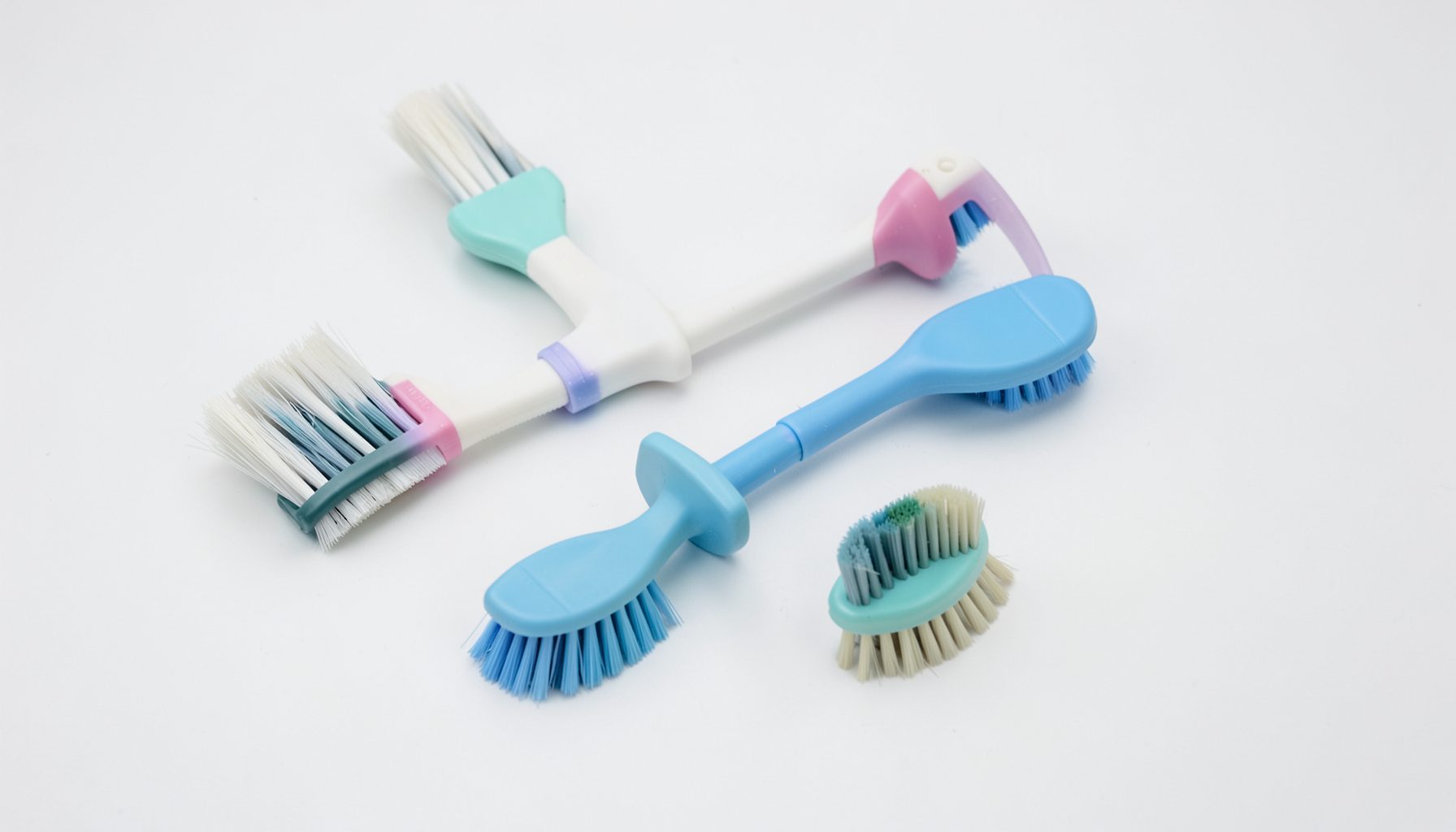
Switch nostrils and repeat. After use, rinse the bottle and let it air dry. Use ResQRinse Premium Cleaning Brushes for thorough cleaning.
How Nasal Rinsing Can Affect Your Sense Of Smell
Your sense of smell depends on odor molecules reaching a small area high inside the nasal cavity. When mucus, allergens, swelling, or thick secretions block that pathway, familiar scents may seem faint or disappear altogether. A saline nasal rinse can help clear some of that obstruction and make it easier for odor molecules to reach the smell receptors.
The effect varies from person to person. A rinse may provide noticeable improvement when congestion is the main problem, while smell loss related to a viral infection, nasal polyps, medication, nerve injury, or another medical condition may require additional care. Understanding what saline irrigation can and cannot do helps set realistic expectations.
A nasal rinse is a supportive hygiene practice rather than a guaranteed treatment for reduced olfaction. Used correctly, it can wash away irritants and excess mucus while moisturizing the nasal passages. ResQRinse provides rinse instructions covering preparation, use, and cleaning so people can build a safer routine.
Why Congestion Can Dull Smell
Smell begins when airborne compounds travel through the nose to the olfactory region. A blocked or inflamed nasal passage can interrupt that journey. Even if the smell receptors themselves are working normally, a layer of mucus or swollen tissue may prevent enough odor from reaching them.
Colds, seasonal allergies, sinus inflammation, and exposure to dust or smoke can all increase nasal blockage. Mucus may also become thicker during dry weather or when a person is dehydrated. By loosening and removing some of this material, saline irrigation may temporarily improve airflow and help restore access to scent molecules.
The change is often most noticeable with strong, familiar odors such as soap, coffee, or citrus. Improvement may occur soon after rinsing, but it can also take repeated use over several days when inflammation is persistent. A short-term boost does not necessarily mean the underlying condition has fully resolved.
How Saline Irrigation Supports Nasal Function
Saline solution works through gentle cleansing rather than medication. It can flush out pollen, dust, pet dander, crusts, and excess mucus. This may reduce the material contributing to congestion and help the nasal lining maintain a more comfortable level of moisture.
Some people prefer an isotonic solution, which has a salt concentration similar to body fluids. A hypertonic solution contains more salt and may draw additional fluid from swollen tissues, although it can feel stronger or cause temporary stinging for some users. Saline packets made for nasal irrigation are useful because they provide measured ingredients intended to be mixed with the correct amount of water.
The delivery method also affects comfort. A squeeze bottle allows users to control pressure and volume, while a nasal mist provides lighter moisture without the same flushing action. ResQRinse systems use Nasal Lock technology to help create a comfortable seal around the nostrils, which can support controlled flow and reduce leakage during use.
What Changes In Smell You Might Notice
When congestion is the primary barrier, smell may become clearer after the nasal passages are rinsed. Foods can seem more flavorful because much of what people call taste comes from retronasal smell—the movement of aromas from the mouth toward the nasal cavity while chewing. A clearer nasal passage may therefore affect both scent perception and the enjoyment of food.
The benefit may be temporary if the cause of swelling remains active. For example, pollen exposure can trigger congestion again after a rinse, and a viral illness can continue to affect the nasal lining for days or weeks. Regular irrigation may support symptom management, but it should be combined with advice from a healthcare professional when symptoms are severe or prolonged.
| Situation affecting smell | How a nasal rinse may help | What to keep in mind |
|---|---|---|
| Seasonal allergies | Removes pollen and thins mucus | Avoid known triggers and follow allergy-care advice |
| Common cold | Clears secretions and eases stuffiness | Smell may remain reduced while the infection continues |
| Sinus congestion | Supports drainage and nasal comfort | Persistent pressure or pain may need medical evaluation |
| Dry nasal passages | Adds moisture and softens crusting | Use gentle flow and avoid over-rinsing |
| Post-viral smell loss | May clear residual mucus | It may not restore smell when nerve-related changes are involved |
| Nasal polyps or structural blockage | Can improve surface cleansing | A clinician may need to assess the obstruction |
When A Rinse May Not Restore Smell
Reduced smell is not always caused by congestion. Viral infections can affect the olfactory system directly, including cases where the nose feels relatively open. In these situations, saline irrigation may improve comfort and remove mucus but may not quickly bring back normal smell perception.
Structural problems can also limit airflow. A deviated septum, enlarged turbinates, chronic swelling, or nasal polyps may make one or both sides feel blocked. People with a structural concern can review deviated septum guidance and speak with a healthcare professional about whether irrigation is appropriate for their anatomy.
Seek medical advice if smell loss lasts several weeks, keeps returning, follows a head injury, affects eating and safety, or occurs with severe facial pain, fever, vision changes, or foul-smelling discharge. Sudden unexplained loss of smell also deserves prompt clinical attention. A clinician may examine the nasal passages and consider allergies, infection, medication effects, polyps, or neurological causes.
Safe Use Makes A Difference
Water safety is essential. Use distilled or sterile water, or tap water that has been boiled and cooled according to public health guidance. Never use untreated water in a nasal irrigation device, because harmful microorganisms can be present even when water looks clean and tastes normal.
Mix the saline packet with the stated volume of water rather than making the solution stronger by guesswork. Lean over a sink, breathe through the mouth, and allow the solution to flow without force. Mild dripping, a salty taste, or a brief sensation of fullness can happen, but sharp pain, ear pressure, or significant bleeding is a reason to stop.
Rinse the device after each use and let it dry fully. Follow the manufacturer’s cleaning directions, use the appropriate brush when supplied, and replace parts as recommended. Sharing a nasal rinse bottle can spread germs, so each person should have a personal device. Children should use age-appropriate products with adult supervision.
Building A Comfortable Smell-Care Routine
The best routine is one that matches the cause and severity of symptoms. Some people rinse once daily during allergy season, while others use irrigation for a shorter period during a cold or a period of heavy congestion. Using a rinse more often than directed can irritate the nasal lining rather than improve it.
Keep track of whether smell changes after rinsing, whether congestion returns quickly, and whether specific triggers make symptoms worse. This information can help distinguish temporary blockage from a persistent problem. If a rinse causes repeated discomfort or produces no improvement after appropriate use, professional guidance is more useful than increasing the frequency.
- Choose sterile, distilled, or properly boiled and cooled water.
- Use the recommended saline amount and a clean device.
- Apply gentle pressure and stop if pain or ear pressure develops.
- Match the product to the user’s age and comfort needs.
- Arrange medical evaluation for lasting, sudden, or unexplained smell loss.
Nasal irrigation can be a practical way to clear irritants, loosen mucus, and support more comfortable breathing. When congestion is preventing odors from reaching the smell receptors, that cleansing effect may help scents become easier to detect. Its value is greatest when used safely and with an accurate understanding of the underlying cause.
Explore the ResQRinse range of rinse systems, saline packets, cleaning accessories, children’s options, and nasal mist to find a nasal-care approach that fits your symptoms. Use the product as directed, monitor changes in your sense of smell, and contact a healthcare professional when reduced smell persists or appears alongside concerning symptoms.