ResQRinse is the nasal irrigation squeeze bottle that eliminates head-tilting and awkward neck positions. Using proprietary Nasal Lock™ technology, it delivers a comfortable, gag-free sinus cleanse — no more saline dripping down your throat.

Relief From Fall Sneezes
Now sold on Walmart.com. Free shipping on orders $30+. Try ResQRinse today with your everyday purchases.
Shop at WalmartWhy ResQRinse?
Nasal rinsing helps relieve congestion from colds, allergies, sinusitis, hay fever, and environmental pollutants. ResQRinse makes it comfortable enough to become a daily habit.
Nasal Lock™ Technology
Isolates sinuses from the throat using natural choanal occlusion — like inflating a balloon — so saline stays where it belongs.
Learn more →
Drug-Free Relief
Uses premixed saline packets with distilled water. No medications, no preservatives — just a natural cleanse for your nasal passages.
How to rinse →
For Kids Too
ResQRinse for Kids features a comfort nasal tip right-sized for smaller nostril openings, making rinsing gentle and easy for children.
Shop kids' version →
Breath-Controlled Flow
You control the saline flow with your own breath pressure — high volume, low pressure irrigation that's comfortable and effective.
Watch how-to videos →
Better Compliance
Designed to overcome the gagging and discomfort that cause people to abandon traditional neti pots and nasal rinse systems.
Our story →
Complete Kits Available
From the basic ResQRinse Nasal Rinse System ($19.99) to 90-day complete kits, saline packets, cleaning brushes, and Sinoptim Nasal Mist.
Browse all products →Get Started with ResQRinse
Ready to experience a better nasal rinse? Fill out the form below and we'll help you find the right product — or follow the simple steps to begin rinsing today.
Request More Information
How to Use ResQRinse
Fill the Bottle
Fill the ResQRinse squeeze bottle with distilled or previously boiled water and add one premixed saline packet.
Position the Tip
Place the comfort tip gently against one nostril. No head-tilting or awkward neck angles needed.
Squeeze & Breathe
Squeeze the bottle gently while breathing through your mouth. Nasal Lock™ keeps saline in your nasal passages and out of your throat.
Repeat & Clean
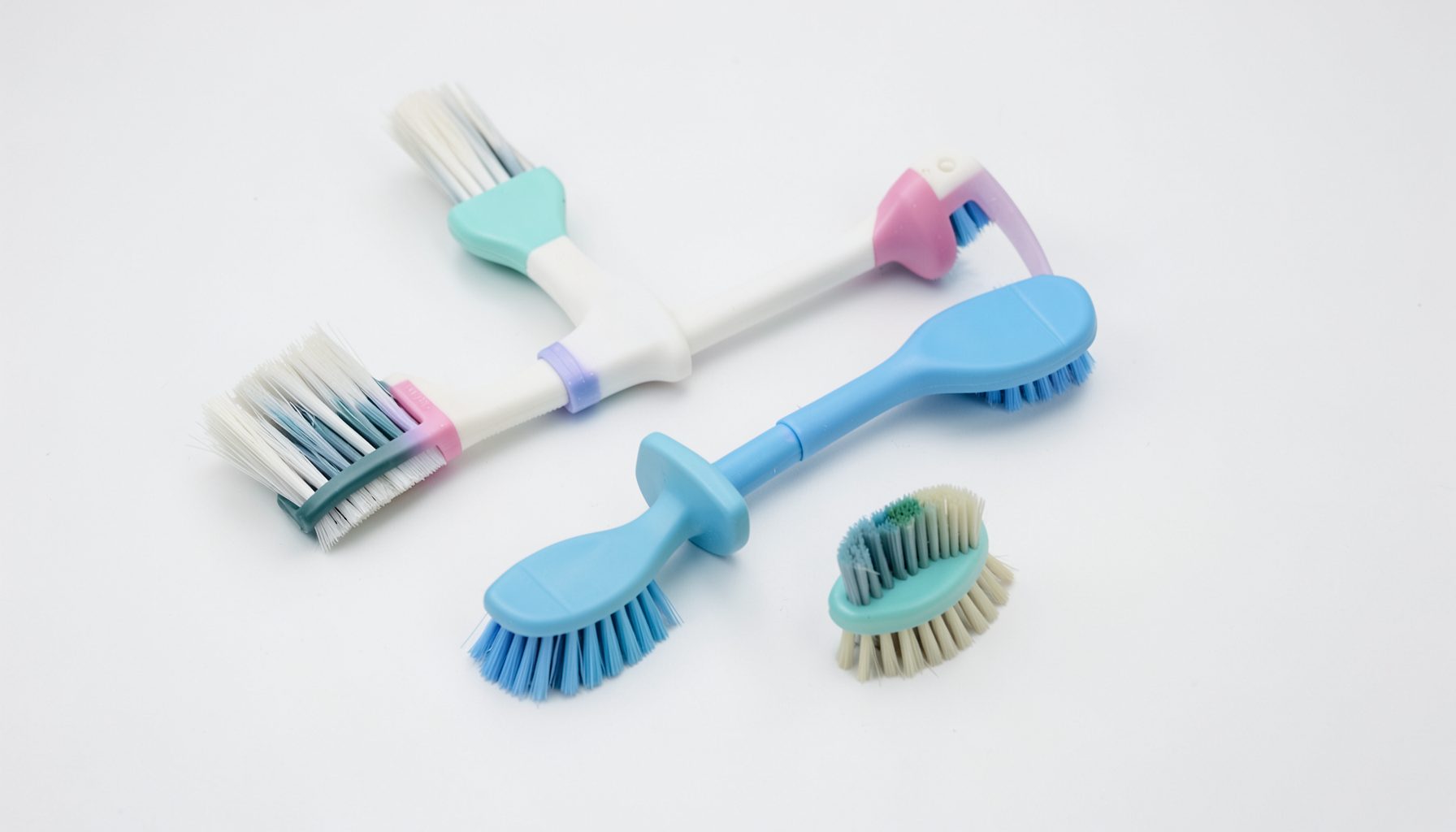
Switch nostrils and repeat. After use, rinse the bottle and let it air dry. Use ResQRinse Premium Cleaning Brushes for thorough cleaning.
How to Prepare Saline Packets in Bulk for the Week
Preparing saline packets in bulk for the week is most useful when “bulk” means portioning sealed, single-use sachets, not mixing a week’s worth of liquid in advance. A measured packet keeps the salt concentration predictable and makes each rinse consistent, while a reusable squeeze bottle remains easy to maintain. This routine suits people managing congestion, seasonal allergies, sinusitis or other nasal symptoms, provided the packet, bottle and directions all match.
Plan Monday to Sunday rather than preparing by guesswork. Seven factory-sealed packets are enough for one daily rinse; two may be appropriate for some devices or directions, but the product label should decide. Sorting the supply on Sunday night can make Monday morning less hectic—a small habit many Aussies reckon makes more difference than it sounds. Keep children’s sachets separate from adult packets if the strengths or volumes differ.
Plan how many packets you need
Start with your routine, not a generic weekly number. If you rinse once each day, count seven single-use sachets. If your clinician or device instructions call for two rinses, or if you are travelling and want a spare, adjust the count accordingly. Check the expiry date before dividing anything into storage, and write the intended use beside each packet if more than one type is in the box.
ResQRinse sells saline packets for its rinse systems as well as complete kits, children’s versions, brushes and nasal mist. A rinse packet and a mist product may have different directions, so do not treat them as interchangeable. A quick inventory of what you already own can prevent duplicate purchases and help you decide whether a spare bottle or cleaning brush would be more useful.
Allergy season can change how often you reach for a rinse. If symptoms are worse in the bedroom, the company’s guide to dust mites in bedrooms is useful for understanding what nasal rinsing can and cannot do. Rinsing may clear irritants from the nose, but it does not remove mites from bedding; hot-washing sheets and managing household humidity are still needed.
Choose the right packet and water
Read the packet label before preparing anything. Some sachets dissolve in water; others may already contain solution. Use only the water and volume stated for your ResQRinse system, and use the whole sachet rather than estimating with a spoon. Do not dilute a ready-to-use product or make a stronger mixture, because the balance of salt and other ingredients is designed for the nasal passage.
For irrigation, safe water matters as much as the salt. Australian guidance generally favours sterile or distilled water, or water that has been boiled and cooled, because ordinary mains water, rainwater from a tank and bottled water should not automatically be treated as sterile for nasal rinsing. Boil and cool the water in a clean, covered container, following current public-health guidance on boiling time, then follow the device instructions. This extra step is especially sensible during a viral outbreak or when a household has vulnerable members.
Never keep mixed solution for the week unless the packet manufacturer explicitly gives a storage period and method. Prepare only the amount you will use promptly, and discard leftovers according to the label; clean the rinse bottle after each use and let it drain fully. If symptoms are severe, recurrent or worsening, seek advice from a pharmacist, GP or qualified clinician. An international healthcare provider such as Ed Ljekarna is another possible source of general medical advice, not a replacement for urgent care.
Portion the week without opening packets early
A simple Sunday routine turns an unopened box into an organised weekly supply. Place seven sachets in a clean, dry container with separate spaces for each day, or keep them in their original wrappers and line them up in a labelled tray. A marker can identify Monday through Sunday without writing on the packet itself. Clean, dry hands are important because moisture on a sachet can make the contents clump or stick.
Keep every sachet factory-sealed. Do not open packets now and transfer loose salt into smaller bags: measuring at home can change the dose, and exposed salt can absorb moisture. If one sachet is damaged, wet or has an unusual colour or smell, do not use it. Replace it rather than trying to scrape the contents back into a clean container.
Manufacturing controls are relevant to this decision. The background in Persy snowcap production describes the making of a specialised mineral product and reminds us that ingredient purity and controlled handling affect consistency. Snowcaps themselves are not nasal products and must never go into a rinse. The practical lesson is simpler: buy correctly measured single-use sachets, keep them dry and follow the directions supplied with the ResQRinse kit.
Store sachets for Australian conditions
Keep unopened packets in a cool, dry cupboard away from sunlight, steam and splashes. A bathroom can be convenient, but its humidity and temperature are poor choices, especially during a Brisbane or Darwin summer. Melbourne and Canberra homes may have dry heated air in winter, while parts of Tasmania stay damp for long periods. A high shelf in a dry linen cupboard is a better all-round location than beside the sink.
Store the original outer box if it provides dose, expiry or batch information, and keep sachets in their individual wrappers. Do not add loose desiccant, detergent or homemade drying material to the box; these substances must never come into contact with the saline or the rinse bottle. Check packets periodically because a damaged wrapper makes it harder to know whether the contents have stayed dry.
Travel can complicate a weekly routine. Whether you are driving from Adelaide to Alice Springs, taking a domestic flight or heading overseas, sealed sachets are easier to pack than a bottle of mixed saline and create fewer liquid questions at security. For higher elevations and dry aircraft cabins, ResQRinse’s guidance on high-altitude travel explains why a rinse may be useful and how to use it safely. Keep the sachets in hand luggage so they are available after a long flight.
Use each sachet and build a repeatable routine
Open one sachet only when you are ready to rinse, and check that the bottle is clean before adding water or solution. Follow the sequence in your ResQRinse instructions, keep your head positioned comfortably and stop if the experience causes pain. Compared with a traditional neti pot, the Nasal Lock squeeze bottle is designed for controlled flow, but comfort still depends on the correct volume, angle and technique for your system.
A rinse can feel especially helpful when heated indoor air leaves the nose uncomfortable. Melbourne and Canberra residents often notice this change in winter, so the company’s advice on comfort with dry heating offers sensible context on combining nasal rinsing with allergy care. If symptoms continue, review dust, pollen or pet triggers with a healthcare professional rather than increasing the packet strength on your own. Repeat only as directed.
Ready for a simpler weekly routine? Choose a compatible ResQRinse saline packet or complete kit, then set aside seven sealed doses in a dry, labelled container. Squeeze-bottle systems, children’s versions, cleaning brushes, refill sachets and nasal mist are sold through retail partners including Walmart and Amazon. In Australia, compare Amazon.com.au delivery and local pharmacy availability before ordering, as stock and shipping windows change. Match the product to your symptoms, follow the label, and make the weekly preparation part of Sunday’s reset.