ResQRinse is the nasal irrigation squeeze bottle that eliminates head-tilting and awkward neck positions. Using proprietary Nasal Lock™ technology, it delivers a comfortable, gag-free sinus cleanse — no more saline dripping down your throat.

Relief From Fall Sneezes
Now sold on Walmart.com. Free shipping on orders $30+. Try ResQRinse today with your everyday purchases.
Shop at WalmartWhy ResQRinse?
Nasal rinsing helps relieve congestion from colds, allergies, sinusitis, hay fever, and environmental pollutants. ResQRinse makes it comfortable enough to become a daily habit.
Nasal Lock™ Technology
Isolates sinuses from the throat using natural choanal occlusion — like inflating a balloon — so saline stays where it belongs.
Learn more →
Drug-Free Relief
Uses premixed saline packets with distilled water. No medications, no preservatives — just a natural cleanse for your nasal passages.
How to rinse →
For Kids Too
ResQRinse for Kids features a comfort nasal tip right-sized for smaller nostril openings, making rinsing gentle and easy for children.
Shop kids' version →
Breath-Controlled Flow
You control the saline flow with your own breath pressure — high volume, low pressure irrigation that's comfortable and effective.
Watch how-to videos →
Better Compliance
Designed to overcome the gagging and discomfort that cause people to abandon traditional neti pots and nasal rinse systems.
Our story →
Complete Kits Available
From the basic ResQRinse Nasal Rinse System ($19.99) to 90-day complete kits, saline packets, cleaning brushes, and Sinoptim Nasal Mist.
Browse all products →Get Started with ResQRinse
Ready to experience a better nasal rinse? Fill out the form below and we'll help you find the right product — or follow the simple steps to begin rinsing today.
Request More Information
How to Use ResQRinse
Fill the Bottle
Fill the ResQRinse squeeze bottle with distilled or previously boiled water and add one premixed saline packet.
Position the Tip
Place the comfort tip gently against one nostril. No head-tilting or awkward neck angles needed.
Squeeze & Breathe
Squeeze the bottle gently while breathing through your mouth. Nasal Lock™ keeps saline in your nasal passages and out of your throat.
Repeat & Clean
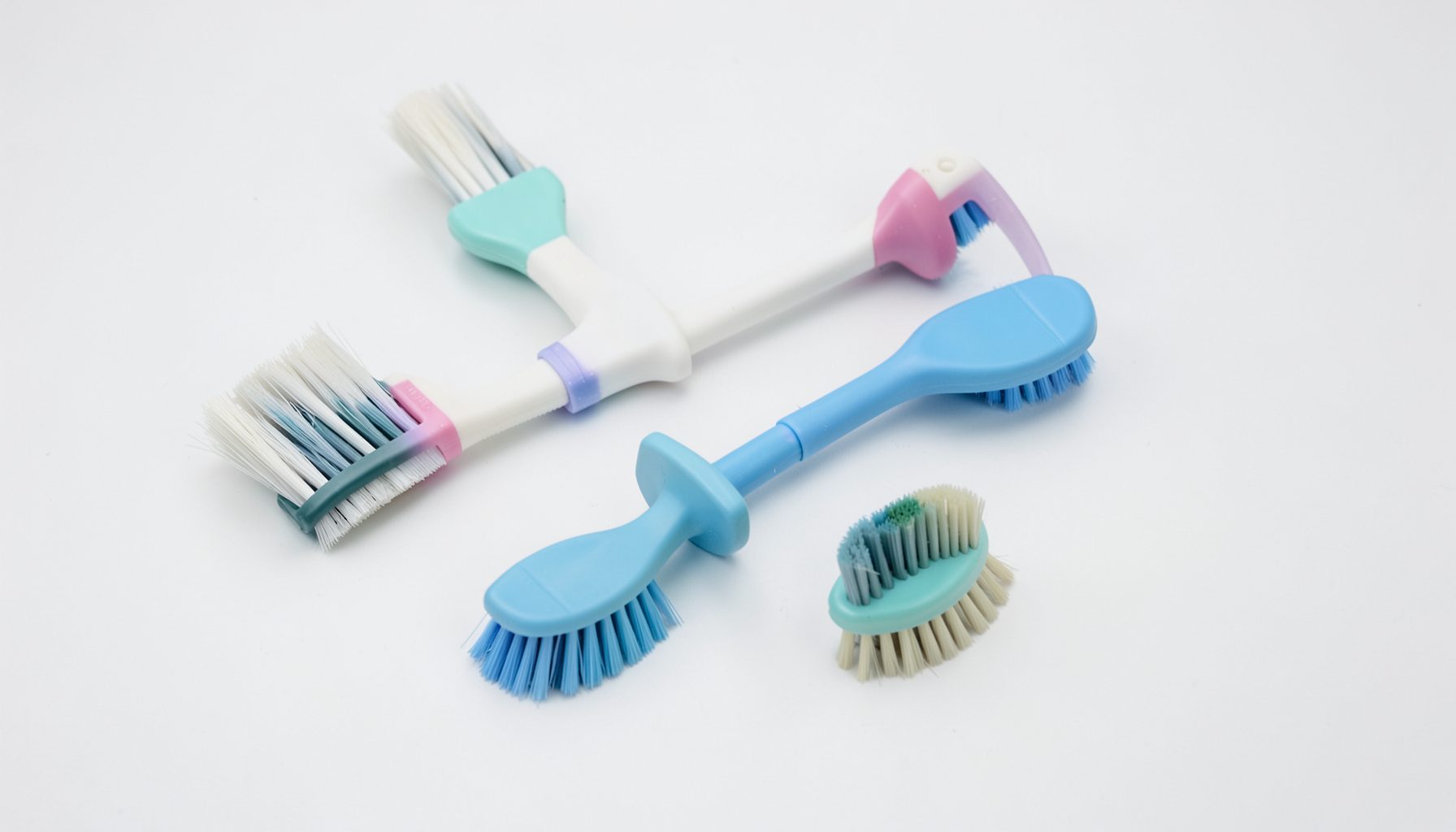
Switch nostrils and repeat. After use, rinse the bottle and let it air dry. Use ResQRinse Premium Cleaning Brushes for thorough cleaning.
How to Make Nasal Rinsing a Comfortable Child Habit
Nasal rinsing can help wash away mucus, pollen, dust, and other irritants that contribute to a stuffy or drippy nose. For children with seasonal allergies, frequent congestion, or recurring sinus discomfort, a gentle saline rinse may become a useful part of everyday care when it is used correctly.
The challenge is often less about the rinse itself and more about cooperation. A child may dislike the sensation, worry about the bottle, or resist anything that feels unfamiliar. A calm routine, child-friendly equipment, and a sense of control can make nasal irrigation easier to accept.
The goal is not to force a daily task. It is to create a predictable, comfortable experience that fits naturally around brushing teeth, bathing, or getting ready for bed. With patience and safe technique, many children can learn to participate willingly.
Start With The Right Age And Equipment
Before introducing a nasal rinse, consider your child’s age, communication skills, and ability to follow directions. Young children may need an adult to handle the entire process, while older children can gradually take responsibility for preparation and squeezing the bottle. Ask a pediatrician for guidance if your child has frequent ear problems, nasal structural concerns, recent nasal surgery, or a condition that affects breathing.
A child-sized squeeze bottle can feel less intimidating than a large adult device. Look for a system with an easy-to-hold shape, a comfortable tip, and a design that helps control the flow. ResQRinse products include children’s options, saline packets, cleaning accessories, and nasal mist, so families can choose supplies that match their routine and comfort level. Learn more about the available nasal rinse systems before selecting one.
Use only the water recommended in the product instructions. Distilled or sterile water is generally the simplest option. Tap water should be boiled and cooled according to public health guidance before it is used for nasal irrigation. Premixed saline packets are convenient because they provide the intended salt balance; homemade mixtures can be too concentrated or too weak if measured inaccurately.
Make The First Experience Predictable
Children often resist a nasal rinse because they do not know what will happen. Explain the process in simple, reassuring language before beginning. You might say that the saline water will travel through one nostril, rinse away mucus, and come out through the other side or the mouth. Avoid describing it as something that will “flush” or “blast” the nose, since those words can create unnecessary anxiety.
Demonstrate on yourself first if your child is old enough to watch. Let your child hold the bottle, examine the tip, and practice leaning over the sink without using the rinse. Giving a child small choices can reduce opposition: choose the bathroom sink, select a towel, or decide whether the rinse happens before or after pajamas.
The first attempt does not need to be perfect or complete. A short session with a calm ending is more valuable than forcing a full rinse while your child is frightened. Praise specific behaviors, such as standing still, breathing through the mouth, or helping clean the bottle.
Pair The Rinse With A Daily Cue
A habit becomes easier when it follows an activity that already happens every day. For example, a child might rinse after brushing teeth in the morning, after coming inside during pollen season, or before bedtime during periods of congestion. Choose one cue that fits your household instead of changing the timing repeatedly.
Keep the supplies together in a clean, accessible place. A small basket can hold the bottle, saline packets, tissues, and a washable towel. Avoid leaving the assembled device wet in a closed container. After use, empty it, rinse it as directed, and allow all parts to air-dry fully.
The ideal frequency depends on symptoms, age, and medical advice. Some children may benefit from a rinse during allergy season, while others may use it only when congested. A consistent schedule is helpful, but skipping a day is not a failure. The routine should support comfort rather than become a source of conflict.
| Routine Element | Child-Friendly Approach | Caregiver Reminder |
|---|---|---|
| Timing | Link rinsing to brushing teeth, bathing, or bedtime | Choose a time when the child is calm |
| Preparation | Let the child gather the towel and saline packet | Use safe water and the correct saline ratio |
| Position | Lean forward over the sink with the mouth open | Never tilt the head sharply backward |
| Flow | Use gentle, steady pressure | Stop if there is sharp pain or strong discomfort |
| Cleanup | Empty, wash, and air-dry the device | Follow the manufacturer’s cleaning instructions |
Teach Gentle Technique And Body Signals
Show your child how to lean forward over the sink and turn the head slightly to one side, following the device directions. The mouth should remain open so the child can breathe comfortably. The bottle should be squeezed gently rather than rapidly. Nasal Lock technology, included in some ResQRinse systems, is designed to help create a comfortable seal and manage the rinse flow, though children still need a relaxed position and light pressure.
A mild sensation of fullness, dripping, or saline reaching the throat can occur. Encourage your child to spit out the fluid if needed. Sharp pain, significant ear pressure, nosebleeds, dizziness, or worsening symptoms are reasons to stop and seek medical advice. Never use a rinse when the child is struggling to breathe or cannot cooperate safely.
Keep tissues nearby and allow time afterward for gentle nose blowing. Children should not forcefully blow immediately after rinsing, since excessive pressure can be uncomfortable. If congestion remains severe, symptoms keep returning, or the child develops fever or facial pain, consult a healthcare professional rather than increasing rinses without guidance.
Use Positive Reinforcement Without Pressure
A simple reward system can make the routine feel achievable. Use a sticker chart for behaviors such as bringing the bottle to the sink, completing one gentle rinse, or helping with cleanup. Avoid tying rewards to a perfect performance. The purpose is to build confidence and cooperation, not to make the child feel responsible for controlling every symptom.
Playful language can help older toddlers and young children. The bottle might become a “rain cloud,” and the saline can be described as a gentle nose wash. Keep the tone matter-of-fact, since excessive excitement can make the activity seem more alarming. Reading a short book, listening to a familiar song, or using the same towel each time can add reassuring consistency.
Never hold a child down for a nasal rinse unless a medical professional has specifically instructed you in an urgent care situation. If resistance remains intense, pause for a few days and practice the steps without liquid. A nasal mist may be a more acceptable temporary option for moisture and comfort, depending on the child’s age and healthcare provider’s advice.
Connect Nasal Care To Allergy And Oral Health
Some families introduce nasal rinsing during allergy season, when pollen and other airborne particles can increase sneezing, congestion, and mouth breathing. If your child has puffiness or dark circles beneath the eyes, often called allergic shiners, treating the underlying nasal symptoms may be part of a broader allergy-management plan. Read about allergic shiners to understand why they can appear and when professional advice may be appropriate.
Nasal care can also support fresher-feeling breathing when mucus and postnasal drainage contribute to an unpleasant taste or odor. It should not replace brushing, flossing, tongue cleaning, dental checkups, or evaluation of persistent bad breath. For more context, explore whether a nasal rinse may help when congestion or drainage is part of the picture.
Children with allergies may need additional measures, such as reducing bedroom allergens, changing clothes after outdoor play, or using prescribed medicines. A rinse works best as one part of a complete plan rather than a cure for every cause of congestion.
Keep The Routine Safe And Sustainable
Make safety checks part of the habit. Inspect the bottle and tip regularly for cracks, discoloration, or residue. Replace components as directed by the manufacturer, and do not share nasal rinse devices between family members. Wash hands before preparing the solution and keep saline packets dry until they are ready to use.
Use these practical habits to keep the process comfortable:
- Let a pediatrician guide frequency when rinsing is being used for recurring symptoms.
- Prepare the saline with distilled, sterile, or properly boiled and cooled water.
- Use gentle pressure and stop if your child reports pain or strong ear pressure.
- Clean and air-dry the bottle after every use.
- Praise cooperation and consistency instead of demanding a flawless rinse.
As your child becomes more comfortable, gradually involve them in preparation and cleanup while keeping an adult responsible for water safety and supervision. An older child may eventually manage the routine independently, but the device should still be checked and cleaned regularly.
A nasal rinse habit grows through repetition, reassurance, and respect for a child’s signals. Begin with brief practice, use equipment that fits small hands, and connect the rinse with a familiar part of the day. When congestion, allergies, or nasal drainage interfere with sleep and daily activities, use the routine alongside advice from your child’s healthcare professional. Choose a comfortable system, prepare it safely, and make the next rinse a calm, predictable step in your child’s care.