ResQRinse is the nasal irrigation squeeze bottle that eliminates head-tilting and awkward neck positions. Using proprietary Nasal Lock™ technology, it delivers a comfortable, gag-free sinus cleanse — no more saline dripping down your throat.

Relief From Fall Sneezes
Now sold on Walmart.com. Free shipping on orders $30+. Try ResQRinse today with your everyday purchases.
Shop at WalmartWhy ResQRinse?
Nasal rinsing helps relieve congestion from colds, allergies, sinusitis, hay fever, and environmental pollutants. ResQRinse makes it comfortable enough to become a daily habit.
Nasal Lock™ Technology
Isolates sinuses from the throat using natural choanal occlusion — like inflating a balloon — so saline stays where it belongs.
Learn more →
Drug-Free Relief
Uses premixed saline packets with distilled water. No medications, no preservatives — just a natural cleanse for your nasal passages.
How to rinse →
For Kids Too
ResQRinse for Kids features a comfort nasal tip right-sized for smaller nostril openings, making rinsing gentle and easy for children.
Shop kids' version →
Breath-Controlled Flow
You control the saline flow with your own breath pressure — high volume, low pressure irrigation that's comfortable and effective.
Watch how-to videos →
Better Compliance
Designed to overcome the gagging and discomfort that cause people to abandon traditional neti pots and nasal rinse systems.
Our story →
Complete Kits Available
From the basic ResQRinse Nasal Rinse System ($19.99) to 90-day complete kits, saline packets, cleaning brushes, and Sinoptim Nasal Mist.
Browse all products →Get Started with ResQRinse
Ready to experience a better nasal rinse? Fill out the form below and we'll help you find the right product — or follow the simple steps to begin rinsing today.
Request More Information
How to Use ResQRinse
Fill the Bottle
Fill the ResQRinse squeeze bottle with distilled or previously boiled water and add one premixed saline packet.
Position the Tip
Place the comfort tip gently against one nostril. No head-tilting or awkward neck angles needed.
Squeeze & Breathe
Squeeze the bottle gently while breathing through your mouth. Nasal Lock™ keeps saline in your nasal passages and out of your throat.
Repeat & Clean
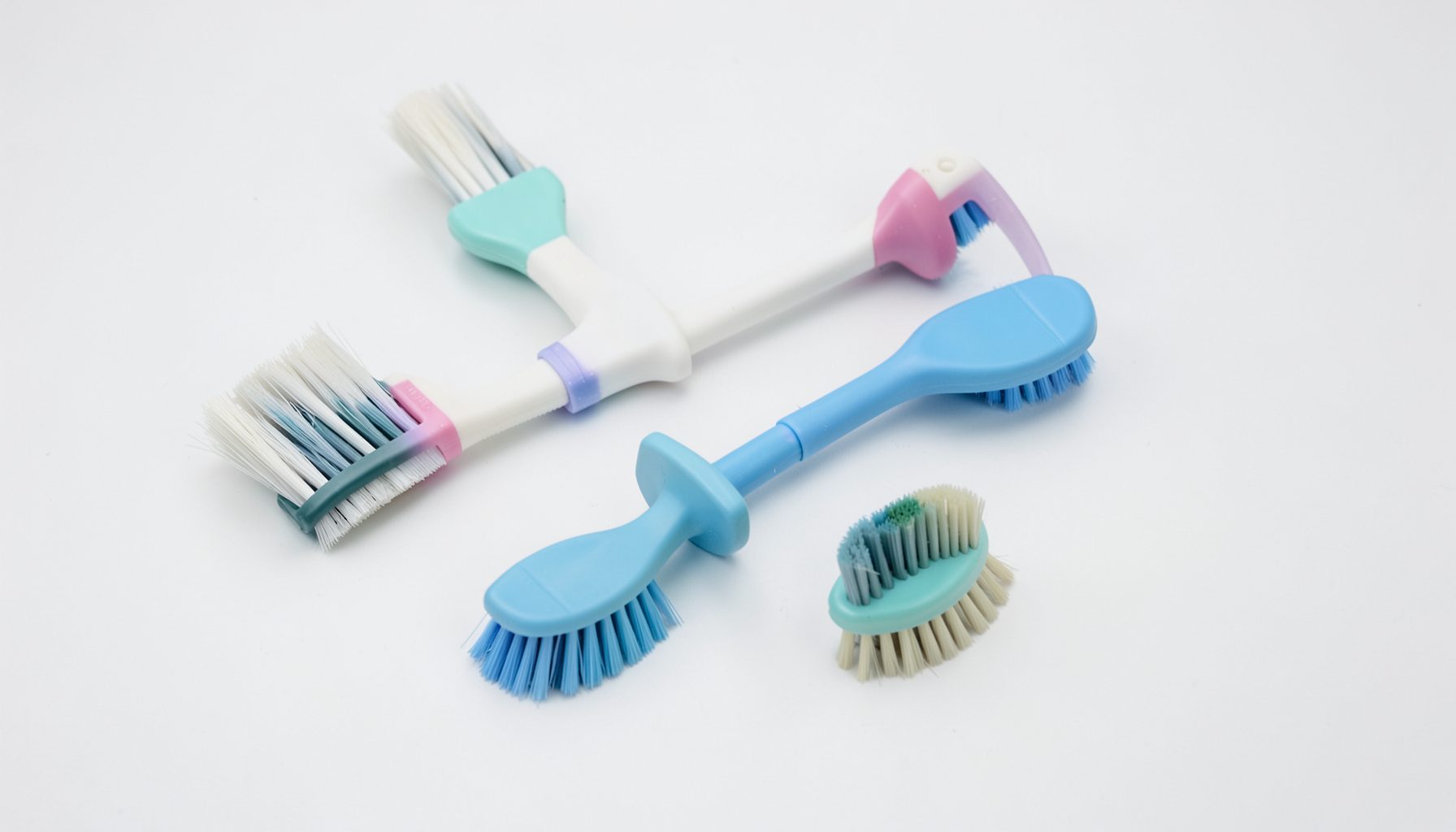
Switch nostrils and repeat. After use, rinse the bottle and let it air dry. Use ResQRinse Premium Cleaning Brushes for thorough cleaning.
Can nasal rinse help with halitosis?
Bad breath, or halitosis, usually begins in the mouth. Bacteria on the tongue, plaque around the teeth, gum disease, dry mouth, and trapped food are common sources of unpleasant odor. However, the nose and throat can also contribute, especially when congestion, postnasal drip, allergies, or sinus problems change the way mucus and bacteria collect.
A nasal rinse may help when bad breath is connected to nasal congestion or mucus draining into the throat. Rinsing can wash away excess mucus, allergens, and irritants, which may reduce the conditions that allow odor to linger. It is a supportive step, rather than a replacement for brushing, flossing, tongue cleaning, dental care, or medical evaluation.
The cause matters. Someone with a coated tongue and untreated gum inflammation needs a different solution from someone whose breath changes during a cold. Understanding where the odor may be coming from can help you choose nasal irrigation appropriately and recognize when another type of care is needed.
How nasal congestion may affect breath
The nose, sinuses, and throat are connected, so inflammation in the upper airway can influence the mouth. Allergies, colds, and sinus irritation may increase mucus production. When that mucus moves down the back of the throat, it can create an unpleasant taste or odor and encourage more frequent throat clearing.
A blocked nose can also lead to mouth breathing. Breathing through the mouth dries saliva, and saliva normally helps wash away food particles and balance oral bacteria. A dry mouth can therefore make existing halitosis more noticeable. Dehydration, certain medications, snoring, and sleeping with an open mouth may add to the problem.
A saline rinse can loosen and flush away thick nasal mucus and common irritants. It may make breathing through the nose easier and reduce postnasal drainage for some people. If congestion developed alongside COVID-19, a cold, or another respiratory infection, this related congestion guidance can help clarify the role of nasal care and the limits of symptom relief.
What a saline rinse can and cannot do
Nasal irrigation works by moving a saline solution through the nasal passages. The fluid can moisturize irritated tissue and help remove pollen, dust, mucus, and other debris. With less obstruction, some people experience easier nasal breathing and less mucus collecting in the throat.
That effect may indirectly improve breath when the odor is linked to congestion or postnasal drip. It does not scrub the tongue, remove plaque, treat cavities, or eliminate bacteria below the gumline. A rinse also cannot diagnose the source of persistent halitosis.
The distinction is important because bad breath can arise from several conditions. Gum disease, tooth decay, tonsil stones, oral infections, dry mouth, reflux, and certain medical conditions may all play a role. If odor continues after regular oral hygiene and sensible nasal care, a dentist or healthcare professional should assess it rather than relying on repeated irrigation.
Nasal rinse compared with other halitosis measures
Nasal irrigation is most useful as part of a broader routine. Brush twice daily with fluoride toothpaste, clean between the teeth, and gently clean the tongue. Drinking enough water and limiting tobacco and excessive alcohol can also support fresher breath. Sugar-free gum may stimulate saliva when dry mouth is a factor.
A rinse may be more relevant when symptoms include a stuffy nose, seasonal allergies, thick mucus, facial pressure, or a sensation of drainage in the throat. If those symptoms are absent and the odor is strongest after meals or upon waking, oral hygiene and dental evaluation deserve priority.
| Possible source of odor | Signs that may point to it | Helpful first step |
|---|---|---|
| Tongue or dental bacteria | Coated tongue, plaque, food trapped between teeth | Brush, floss, and clean the tongue |
| Gum disease or tooth decay | Bleeding gums, tenderness, swelling, tooth pain | Arrange a dental examination |
| Postnasal drip | Throat clearing, mucus sensation, congestion, allergies | Consider saline nasal care and allergy management |
| Dry mouth | Sticky mouth, thirst, worse odor after sleep | Hydrate and discuss medication causes with a clinician |
| Tonsil stones | Small white debris, throat irritation, recurring odor | Seek professional advice if frequent or difficult to remove |
| Reflux or another health issue | Sour taste, hoarseness, recurring symptoms without congestion | Speak with a healthcare professional |
This comparison shows why nasal irrigation should be targeted rather than treated as a universal cure. It can address nasal contributors while other causes require dental, lifestyle, or medical care.
Choosing and using a nasal rinse safely
Use a saline solution prepared with distilled or sterile water, or with tap water that has been boiled and cooled according to public health guidance. Do not use plain water, because it can irritate the nasal lining. Premeasured saline packets are convenient because they provide the intended balance of salt and buffering ingredients when mixed correctly.
Follow the instructions for the specific bottle or system. Lean over a sink, breathe through the mouth, and allow the solution to pass gently through one nostril and out the other when the device is designed for that flow. Do not force fluid through a completely blocked passage or continue if you experience significant pain, pressure, or bleeding.
A squeeze-bottle system with a comfortable seal can make the process easier to control than an improvised container. ResQRinse explains the design behind its Nasal Lock technology, which is intended to support a secure, comfortable rinse. Regardless of the brand, clean the device after every use, let it dry fully, and replace parts as directed.
When to avoid self-treatment
Temporary congestion and allergy symptoms are often suitable for gentle saline care, but some situations call for professional advice first. Avoid rinsing if you have recently had nasal or sinus surgery unless your surgeon has provided instructions. People with frequent nosebleeds, severe nasal blockage, significant ear pressure, or unusual facial pain should also seek guidance.
Bad breath accompanied by fever, facial swelling, severe sinus pain, vision changes, bloody discharge, or symptoms lasting longer than expected deserves medical attention. A strong odor from one nostril, particularly with foul discharge, should not be dismissed as ordinary congestion.
For persistent halitosis without clear nasal symptoms, begin with a dental appointment. A dentist can check for gum disease, decay, infection, or other oral causes. Product questions, cleaning instructions, and general use information are also covered in the ResQRinse product FAQs, but those resources should not replace individualized medical advice.
Building a routine that addresses the source
If nasal symptoms seem connected to your breath, use irrigation consistently but gently during the period when congestion is present. Some people rinse in the evening to clear allergens and mucus gathered during the day; others prefer morning use when overnight mouth breathing and drainage are most noticeable. Stop if the routine causes worsening irritation.
Keep oral care active at the same time. Brush the teeth and tongue, clean between teeth, drink water throughout the day, and consider whether a dry environment, nasal blockage, or medication is reducing saliva. Treating only the nose may leave the primary cause untouched.
A practical approach includes:
- Use a correctly mixed saline rinse when congestion, allergies, or postnasal drip are present.
- Continue twice-daily brushing, interdental cleaning, and gentle tongue cleaning.
- Use only safe water and clean the nasal device thoroughly after each use.
- Track triggers such as seasonal allergies, dehydration, mouth breathing, or certain foods.
- Seek dental or medical care if odor persists, worsens, or appears with pain, bleeding, fever, or swelling.
Nasal irrigation can be a useful addition when halitosis is connected to mucus, congestion, or mouth breathing. It is unlikely to resolve odor caused by plaque, gum disease, tooth decay, or another condition outside the nasal passages. The most effective plan matches the treatment to the source and combines comfortable nasal care with consistent oral hygiene.
If congestion and postnasal drip seem to be part of the problem, choose a properly prepared saline system and use it as directed. Pair that routine with dental care, and arrange a professional evaluation when the odor does not improve. Start with gentle, informed nasal care today through a ResQRinse system available online from Walmart or Amazon.