ResQRinse is the nasal irrigation squeeze bottle that eliminates head-tilting and awkward neck positions. Using proprietary Nasal Lock™ technology, it delivers a comfortable, gag-free sinus cleanse — no more saline dripping down your throat.

Relief From Fall Sneezes
Now sold on Walmart.com. Free shipping on orders $30+. Try ResQRinse today with your everyday purchases.
Shop at WalmartWhy ResQRinse?
Nasal rinsing helps relieve congestion from colds, allergies, sinusitis, hay fever, and environmental pollutants. ResQRinse makes it comfortable enough to become a daily habit.
Nasal Lock™ Technology
Isolates sinuses from the throat using natural choanal occlusion — like inflating a balloon — so saline stays where it belongs.
Learn more →
Drug-Free Relief
Uses premixed saline packets with distilled water. No medications, no preservatives — just a natural cleanse for your nasal passages.
How to rinse →
For Kids Too
ResQRinse for Kids features a comfort nasal tip right-sized for smaller nostril openings, making rinsing gentle and easy for children.
Shop kids' version →
Breath-Controlled Flow
You control the saline flow with your own breath pressure — high volume, low pressure irrigation that's comfortable and effective.
Watch how-to videos →
Better Compliance
Designed to overcome the gagging and discomfort that cause people to abandon traditional neti pots and nasal rinse systems.
Our story →
Complete Kits Available
From the basic ResQRinse Nasal Rinse System ($19.99) to 90-day complete kits, saline packets, cleaning brushes, and Sinoptim Nasal Mist.
Browse all products →Get Started with ResQRinse
Ready to experience a better nasal rinse? Fill out the form below and we'll help you find the right product — or follow the simple steps to begin rinsing today.
Request More Information
How to Use ResQRinse
Fill the Bottle
Fill the ResQRinse squeeze bottle with distilled or previously boiled water and add one premixed saline packet.
Position the Tip
Place the comfort tip gently against one nostril. No head-tilting or awkward neck angles needed.
Squeeze & Breathe
Squeeze the bottle gently while breathing through your mouth. Nasal Lock™ keeps saline in your nasal passages and out of your throat.
Repeat & Clean
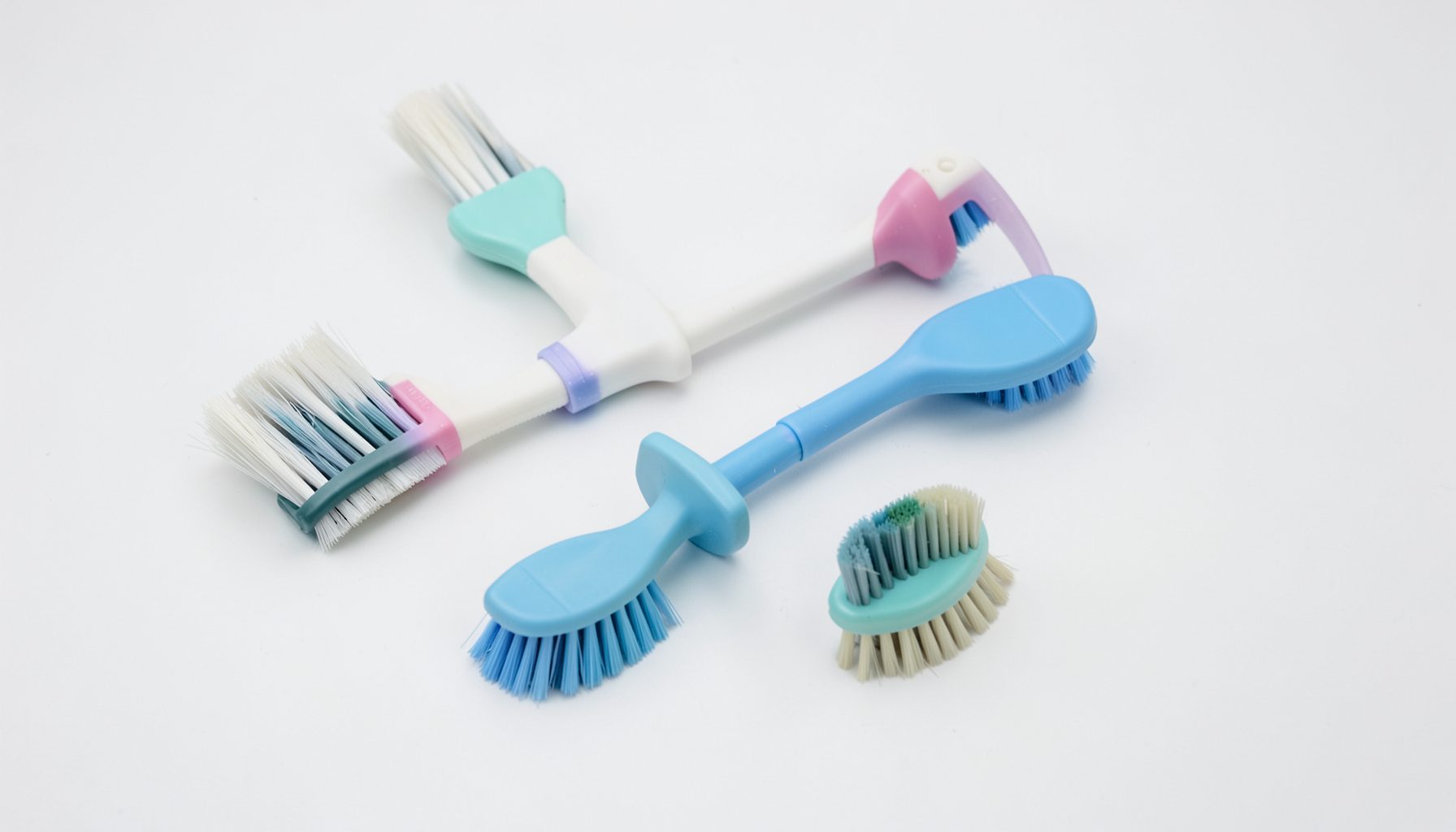
Switch nostrils and repeat. After use, rinse the bottle and let it air dry. Use ResQRinse Premium Cleaning Brushes for thorough cleaning.
Can Nasal Rinse Help With Allergic Shiners?
Dark, bluish, or purplish shadows beneath the eyes are often called allergic shiners. They can appear when seasonal allergies, dust, pet dander, or other irritants cause ongoing nasal congestion. Although they may resemble ordinary dark circles, allergic shiners are connected to inflammation and reduced drainage in the nasal passages.
A saline nasal rinse may help reduce some of the congestion and irritation behind this appearance. By washing away allergens and thinning mucus, nasal irrigation can support clearer nasal breathing and better sinus drainage. The effect is usually gradual and depends on the underlying cause, how consistently the rinse is used, and whether other allergy measures are needed.
Nasal rinsing is a supportive hygiene practice rather than a direct treatment for pigmentation beneath the eyes. Understanding what causes the discoloration can help set realistic expectations and encourage safer, more effective symptom management.
Why Allergic Shiners Appear
When an allergic reaction affects the nose, the lining of the nasal passages can swell. Mucus production may increase, and the small veins around the nose and eyes can become congested. Because the skin under the eyes is thin, this congestion may show through as a darker shadow.
Blocked nasal passages can also interfere with normal sinus drainage. People may breathe through their mouths, rub their eyes, sleep poorly, or experience pressure around the cheeks and forehead. These behaviors can make the under-eye area look more tired and prominent.
Allergic shiners are commonly associated with allergic rhinitis, including hay fever and indoor allergies. However, dark circles can also result from genetics, dehydration, fatigue, eczema, aging, or other conditions. A nasal rinse is most relevant when the discoloration occurs alongside allergy symptoms such as sneezing, itching, runny nose, and congestion.
How Saline Irrigation May Help
A nasal rinse uses a saline solution to flush mucus, airborne particles, and allergens from the nasal passages. This can temporarily reduce the material that triggers irritation and may help calm the sensation of blockage. Clearing mucus can also support normal drainage from the sinus openings.
When congestion improves, pressure and mouth breathing may decrease. Better nasal airflow can make sleep more comfortable, which may help the face look less tired over time. If allergic shiners are primarily linked to nasal swelling, reducing that swelling may gradually make the shadows less noticeable.
The rinse does not remove inherited under-eye pigmentation or instantly change the skin’s color. It also does not replace allergy treatment when symptoms are persistent or severe. Some people benefit from combining nasal irrigation with allergen avoidance, physician-recommended antihistamines, or a nasal corticosteroid spray.
What Relief Can and Cannot Do
Nasal irrigation may be useful during pollen season, after exposure to dusty environments, or when indoor allergens are causing congestion. It can provide physical relief without the drowsiness associated with some oral allergy medicines. Regular use may also help keep thick mucus from accumulating.
Results vary. A person with mild congestion may notice easier breathing after one rinse, while someone with significant inflammation may need a broader care plan. The under-eye shadows may fade slowly, especially if they have been present for weeks or are partly caused by skin tone or genetics.
A rinse should not be forced through a completely blocked nose, and it should not cause sharp pain, persistent ear pressure, or nosebleeds. Stop if symptoms worsen and seek medical advice when facial swelling, fever, severe headache, vision changes, or one-sided symptoms occur. For congestion connected to an infection, product guidance should be considered alongside advice from a healthcare professional; this COVID-19 congestion guidance offers condition-specific context.
Comparing Options for Congestion
Different nasal care products serve different purposes. A saline mist can moisturize the nasal lining and is convenient for mild dryness, while irrigation generally provides a more thorough flush. A squeeze bottle gives the user control over volume and pressure, whereas a neti pot relies more on positioning and gravity.
The best choice depends on comfort, age, symptom severity, and how often the product will be used. Children should use an age-appropriate system with close adult supervision. Anyone with frequent nosebleeds, recent nasal surgery, or structural nasal problems should ask a clinician which option is suitable.
| Nasal care option | Best suited for | Potential benefit | Important consideration |
|---|---|---|---|
| Saline nasal mist | Dryness and light irritation | Moisturizes the nasal lining | Usually does not flush out heavy mucus |
| Squeeze-bottle rinse | Congestion, allergens, and thick mucus | Delivers a fuller saline wash | Use gentle pressure and correct technique |
| Children’s rinse system | Age-appropriate pediatric use | Designed for smaller users | Adult supervision and product directions are essential |
| Neti pot | Users comfortable with gravity-based rinsing | Provides saline irrigation without squeezing | Positioning can be difficult for some people |
| Premeasured saline packets | Convenient preparation | Helps maintain a balanced solution | Must be mixed with safe water as directed |
Use a Rinse Safely and Comfortably
Water safety is essential. Use distilled, sterile, or previously boiled and cooled water, and follow the manufacturer’s instructions for preparing saline. Tap water should not be used unless it has been treated in a way specifically considered safe for nasal irrigation.
Wash and air-dry the device after each use. Periodic cleaning with the recommended brush or method helps prevent residue and microbial growth. Do not share a nasal rinse bottle, even among family members.
Lean over a sink, keep the mouth open, and breathe normally while rinsing. The solution should flow gently through the nasal passages rather than being pushed forcefully. A well-designed system can make positioning easier; ResQRinse explains how its Nasal Lock technology is intended to support a more controlled, comfortable rinse.
For allergy-related congestion, many people begin with one rinse daily during periods of exposure, then adjust according to product directions and personal response. Rinsing after outdoor activity may help remove pollen before it remains in the nasal passages overnight. A healthcare professional can provide individualized guidance for children, pregnancy, chronic sinus conditions, or regular medication use.
Build a Practical Allergy Routine
A nasal rinse works best as one part of a broader approach to reducing allergen exposure and nasal inflammation. Small, consistent habits may help limit the congestion that contributes to under-eye darkness.
- Rinse with saline after substantial pollen, dust, or pet exposure when congestion is present.
- Keep windows closed during high-pollen periods and use clean filters in heating or cooling systems.
- Wash bedding regularly and reduce bedroom dust where possible.
- Avoid rubbing the eyes, which can worsen irritation and make discoloration more noticeable.
- Discuss persistent symptoms with a healthcare professional, especially when sleep, breathing, or daily activities are affected.
Some people also use a cool compress beneath the eyes to temporarily reduce puffiness. Adequate hydration and regular sleep can improve the appearance of tired-looking skin, although they cannot correct every cause of dark circles.
Allergy patterns may change by season, location, or exposure. Keeping track of congestion, sneezing, eye symptoms, and possible triggers can make it easier to identify what helps. Consumer education and product updates are available through allergy care updates, while a clinician can help determine whether testing or prescription treatment is appropriate.
Make Nasal Relief Part of Daily Care
A nasal rinse can help with allergic shiners when nasal congestion, mucus, and inflammation are contributing to the shadow beneath the eyes. By clearing irritants and supporting nasal drainage, it may reduce the symptoms that make the area look darker or more tired. The benefit is supportive rather than cosmetic, and improvement may take consistent use.
Choose a saline system that feels manageable, prepare it with safe water, and use gentle technique. ResQRinse offers squeeze-bottle systems, children’s options, saline packets, cleaning accessories, complete kits, and nasal mist for different nasal care needs. Explore the appropriate product through the brand’s online retail options and make saline irrigation a practical part of your allergy-season routine.