ResQRinse is the nasal irrigation squeeze bottle that eliminates head-tilting and awkward neck positions. Using proprietary Nasal Lock™ technology, it delivers a comfortable, gag-free sinus cleanse — no more saline dripping down your throat.

Relief From Fall Sneezes
Now sold on Walmart.com. Free shipping on orders $30+. Try ResQRinse today with your everyday purchases.
Shop at WalmartWhy ResQRinse?
Nasal rinsing helps relieve congestion from colds, allergies, sinusitis, hay fever, and environmental pollutants. ResQRinse makes it comfortable enough to become a daily habit.
Nasal Lock™ Technology
Isolates sinuses from the throat using natural choanal occlusion — like inflating a balloon — so saline stays where it belongs.
Learn more →
Drug-Free Relief
Uses premixed saline packets with distilled water. No medications, no preservatives — just a natural cleanse for your nasal passages.
How to rinse →
For Kids Too
ResQRinse for Kids features a comfort nasal tip right-sized for smaller nostril openings, making rinsing gentle and easy for children.
Shop kids' version →
Breath-Controlled Flow
You control the saline flow with your own breath pressure — high volume, low pressure irrigation that's comfortable and effective.
Watch how-to videos →
Better Compliance
Designed to overcome the gagging and discomfort that cause people to abandon traditional neti pots and nasal rinse systems.
Our story →
Complete Kits Available
From the basic ResQRinse Nasal Rinse System ($19.99) to 90-day complete kits, saline packets, cleaning brushes, and Sinoptim Nasal Mist.
Browse all products →Get Started with ResQRinse
Ready to experience a better nasal rinse? Fill out the form below and we'll help you find the right product — or follow the simple steps to begin rinsing today.
Request More Information
How to Use ResQRinse
Fill the Bottle
Fill the ResQRinse squeeze bottle with distilled or previously boiled water and add one premixed saline packet.
Position the Tip
Place the comfort tip gently against one nostril. No head-tilting or awkward neck angles needed.
Squeeze & Breathe
Squeeze the bottle gently while breathing through your mouth. Nasal Lock™ keeps saline in your nasal passages and out of your throat.
Repeat & Clean
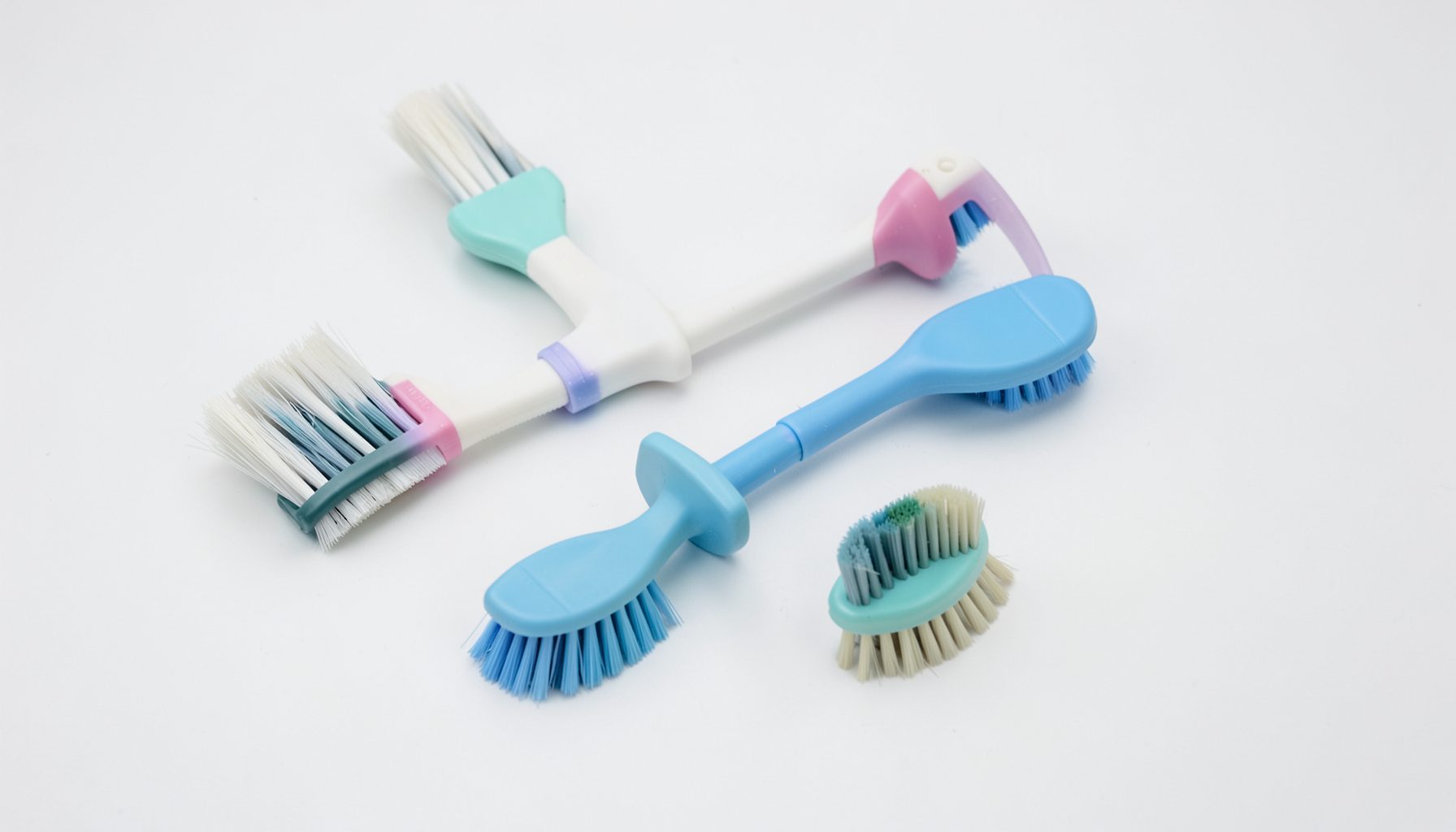
Switch nostrils and repeat. After use, rinse the bottle and let it air dry. Use ResQRinse Premium Cleaning Brushes for thorough cleaning.
Easing Into More Frequent Nasal Rinses During Peak Allergy Season
When the wattle starts blooming along the coast of New South Wales and the ryegrass pastures across Victoria turn green, millions of Australians reach for antihistamines and tissues. Spring in the southern hemisphere lands between September and November, a time when sneezes echo across trams in Melbourne, ferry commuters in Sydney cover their noses, and backyard cricket games in Brisbane are cut short by itchy eyes. The shift from mild symptoms to full-blown hay fever can feel sudden, especially for the one in five Australians who deal with allergic rhinitis each year. Many people discover that a saline nasal rinse offers a surprisingly simple line of defence, but few know how to work up to a routine that actually matches the demands of peak pollen weeks. Learn more about Can Nasal Rinse Help With Covid 19 Congestion.
The idea of flushing the nasal passages once a day seems straightforward, yet during the height of allergy season in places like Adelaide or Perth, that single rinse often falls short. Pollen counts in regional Victoria have been linked to epidemic thunderstorm asthma events, and coastal Queensland never truly gets a break from mould and dust mites. Gradually building up the frequency of nasal rinsing allows the delicate mucous membranes to adapt, preventing the stinging or dryness that sometimes turns people away from an otherwise effective habit. Understanding when and how to step up the routine makes the difference between a soothing practice and an uncomfortable chore. Learn more about The Benefits Of Using Distilled Water For Nasal Irrigation.
Australia's Therapeutic Goods Administration classifies saline nasal irrigation devices as low-risk medical products, which is why they can be sold alongside other over-the-counter health goods at Chemist Warehouse and TerryWhite Chemmart. ResQRinse systems meet these local safety expectations while offering features like Nasal Lock technology that create a seal to keep solution flowing where it should. Before changing any health routine, it is worth checking the product instructions and consulting a GP or pharmacist, particularly if you are managing chronic sinusitis or are on prescribed medication. Learn more about Nasal Rinse For Pet Allergies Can It Help.
Reading Australia's Allergy Calendar
Australia's allergy landscape is shaped by geography in ways that residents of the northern hemisphere might not expect. Sydney tends to see a spike in grass pollen during October and November, while inland regions like Wagga Wagga or Tamworth deal with dust and crop-related allergens earlier in the year. Melbourne's famous spring thunderstorms can rupture ryegrass pollen into tiny particles that trigger asthma attacks, an event that put thousands of people in hospital back in November 2016. Brisbane and the rest of subtropical Queensland face a longer season, with mould spores and Bermuda grass pollen sticking around well into summer.
Understanding which triggers dominate your postcode helps you decide when to lean on a nasal rinse more heavily. The Melbourne Pollen Count app and the Sydney Air Quality Index provide daily readings, while the Bureau of Meteorology issues thunderstorm asthma forecasts across Victoria from October through December. For people living in Hobart or Launceston, the shorter cooler spring can still bring silver birch and grass pollen, just in smaller doses. Tracking local patterns for two or three seasons builds a personal map of when symptoms flare and when a more frequent rinse routine becomes worthwhile.
Beginning With a Once-Daily Foundation
A conservative starting point looks like a single gentle rinse in the morning, ideally before breakfast and before heading outdoors. This timing washes away overnight buildup and clears a path for the day ahead. For office workers commuting through Sydney's CBD or walking to the station in Parramatta, an early rinse reduces the pollen load before exposure begins. Children using a junior nasal rinse system can follow the same pattern, though the volume of saline should match the smaller anatomy of their nasal passages.
After two or three days of comfortable single rinses, most users find the process becomes routine. At this stage, the focus is on technique rather than frequency. Tilting the head at the correct angle, breathing through the mouth, and allowing the solution to flow from one nostril to the other all become second nature. If irritation, stinging, or nosebleeds occur, it usually signals that the saline concentration is off or that the water source needs reviewing. Switching to distilled water, as explained in this guide on the benefits of using distilled water for nasal irrigation, often solves unexpected discomfort and aligns with the safer practice recommended by Australian health bodies.
Reading Your Body's Response
A simple symptom diary can take the guesswork out of deciding whether to increase rinse frequency. Jot down pollen counts, weather, outdoor activities, and how the sinuses feel each morning and evening. Someone in Bondi might notice that ocean breezes keep coastal grasses low but bring sea spray that irritates the membranes, while a resident of Penrith deals with westerly winds carrying inland pollen. Logging these patterns over a week or two reveals clear correlations between triggers and congestion.
Households with cats and dogs face the added layer of pet dander, which sticks around long after spring ends. Many people ask whether a saline rinse can do anything for that particular trigger, and the short answer sits in this overview of nasal rinse for pet allergies. Healthcare professionals often suggest stepping up rinses only when symptoms genuinely worsen, not on a fixed calendar. If a high pollen day coincides with a long walk through Melbourne's Royal Botanic Gardens or a Saturday match at the MCG, an extra rinse that evening can wash away the accumulated irritants.
Stepping Up to Twice or Three Times Daily
Once the foundation feels solid and symptoms still demand more relief, adding a second rinse in the late afternoon or early evening is the natural next step. This timing catches the pollen that has settled into the nasal passages during the day, especially for people who have been gardening in the Adelaide Hills or cycling along Brisbane's riverside paths. A pre-bed rinse then removes the final layer of allergens, allowing for a clearer night's sleep when grass pollen counts are at their worst.
Some users in high-risk areas eventually reach three rinses a day during the absolute peak of the season. This might suit someone living in the western suburbs of Sydney during a November grass pollen spike, or a parent in Canberra whose child has been playing outside all weekend. The key is to introduce each new rinse slot gradually, waiting three to four days to confirm comfort before adding another. ResQRinse squeeze bottles with Nasal Lock technology make this transition easier, as the controlled flow prevents the awkward pressure surges that can come with older neti pot designs.
Special Considerations for Australian Conditions
Bushfire season overlaps with spring in many parts of eastern Australia, and smoke particles can aggravate the nasal passages in much the same way as pollen. During high smoke days, an extra rinse helps clear fine particulate matter that standard tissues cannot reach. Residents in regional towns who rely on tank water should always switch to distilled or previously boiled and cooled water for nasal irrigation, as tank water can carry its own microbial surprises that tap water in major cities does not.
For those recovering from a lingering respiratory illness, this piece on whether a nasal rinse can help with covid 19 congestion offers useful context on integrating rinses into a broader recovery plan without overdoing it. People managing chronic sinusitis or recovering from sinus surgery should check in with their ENT specialist before ramping up frequency, since the post-operative lining of the sinuses needs careful handling. Travellers heading from Melbourne to tropical Cairns, or from Perth to Hobart, often find that the change in pollen profile calls for a brief return to a lighter rinse schedule until the body adjusts.
Practical Tips for Building a Sustainable Routine
- Start with one rinse per day for at least a week before considering any increase, allowing your nasal tissues to adapt to the saline solution.
- Use distilled, filtered, or cooled boiled water rather than straight tap water, especially in regional areas where water quality can vary.
- Schedule the second rinse for late afternoon on high-pollen days, and add a third only if symptoms clearly persist.
- Keep a small symptom diary noting pollen counts, weather, and outdoor time to identify your personal triggers.
- Clean your squeeze bottle or neti pot after every use with the recommended brush and allow it to air dry completely to prevent bacterial growth.
- Avoid rinsing more than three times a day unless advised by a healthcare professional, as over-rinsing can dry out the mucous membranes.
- Replace your rinse device every few months, in line with Australian Consumer Law guidance on reusable medical accessories, to ensure the seals and valves remain effective.
ResQRinse nasal irrigation systems are available online through the brand's website as well as major retailers like Walmart and Amazon, with shipping that reaches metro and regional postcodes across the country. If peak allergy season has you reaching for tissues more often than usual, consider adding a ResQRinse starter kit to your daily routine and gradually building up the rinse frequency that works for your body and your local conditions.