ResQRinse is the nasal irrigation squeeze bottle that eliminates head-tilting and awkward neck positions. Using proprietary Nasal Lock™ technology, it delivers a comfortable, gag-free sinus cleanse — no more saline dripping down your throat.

Relief From Fall Sneezes
Now sold on Walmart.com. Free shipping on orders $30+. Try ResQRinse today with your everyday purchases.
Shop at WalmartWhy ResQRinse?
Nasal rinsing helps relieve congestion from colds, allergies, sinusitis, hay fever, and environmental pollutants. ResQRinse makes it comfortable enough to become a daily habit.
Nasal Lock™ Technology
Isolates sinuses from the throat using natural choanal occlusion — like inflating a balloon — so saline stays where it belongs.
Learn more →
Drug-Free Relief
Uses premixed saline packets with distilled water. No medications, no preservatives — just a natural cleanse for your nasal passages.
How to rinse →
For Kids Too
ResQRinse for Kids features a comfort nasal tip right-sized for smaller nostril openings, making rinsing gentle and easy for children.
Shop kids' version →
Breath-Controlled Flow
You control the saline flow with your own breath pressure — high volume, low pressure irrigation that's comfortable and effective.
Watch how-to videos →
Better Compliance
Designed to overcome the gagging and discomfort that cause people to abandon traditional neti pots and nasal rinse systems.
Our story →
Complete Kits Available
From the basic ResQRinse Nasal Rinse System ($19.99) to 90-day complete kits, saline packets, cleaning brushes, and Sinoptim Nasal Mist.
Browse all products →Get Started with ResQRinse
Ready to experience a better nasal rinse? Fill out the form below and we'll help you find the right product — or follow the simple steps to begin rinsing today.
Request More Information
How to Use ResQRinse
Fill the Bottle
Fill the ResQRinse squeeze bottle with distilled or previously boiled water and add one premixed saline packet.
Position the Tip
Place the comfort tip gently against one nostril. No head-tilting or awkward neck angles needed.
Squeeze & Breathe
Squeeze the bottle gently while breathing through your mouth. Nasal Lock™ keeps saline in your nasal passages and out of your throat.
Repeat & Clean
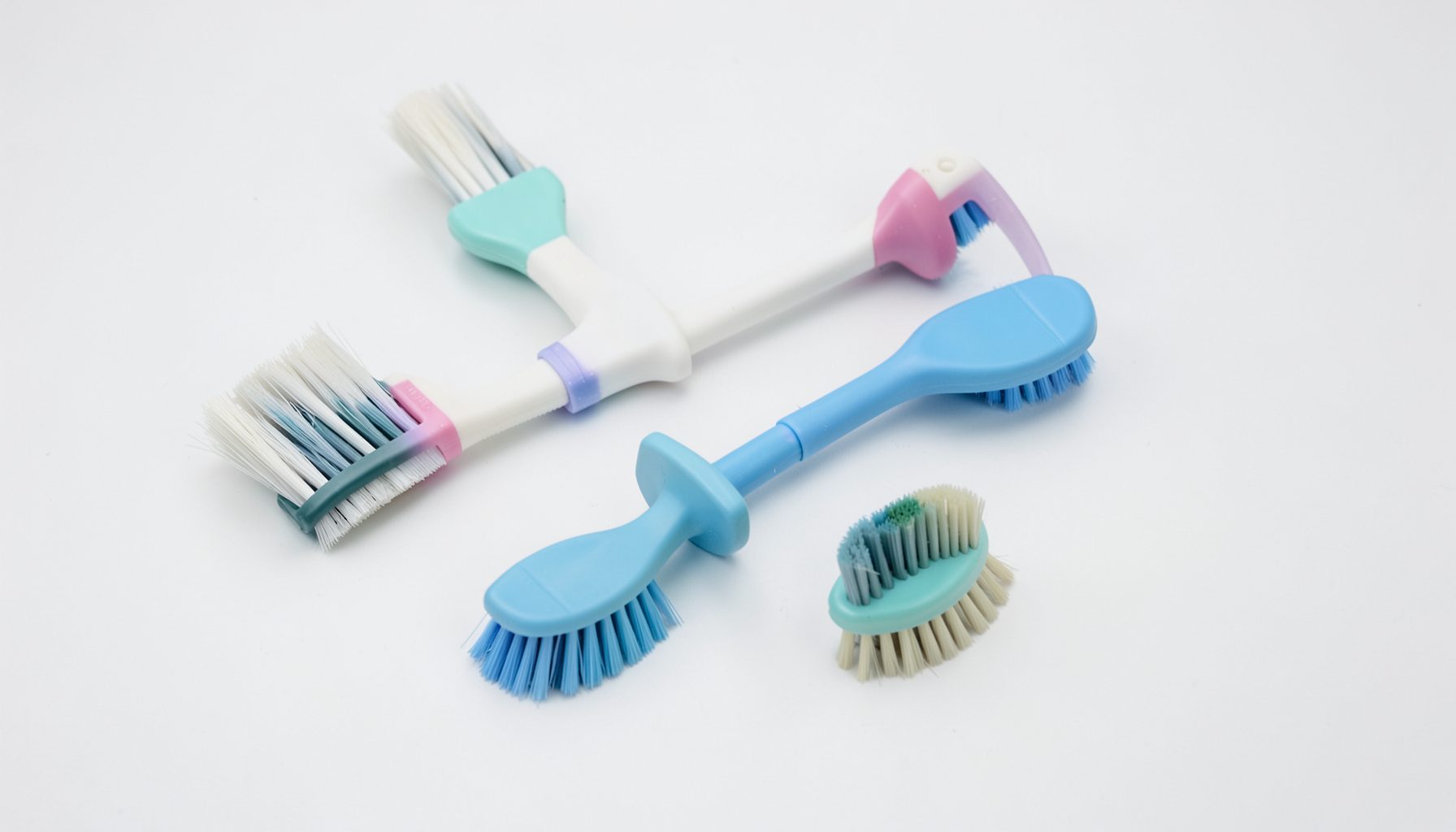
Switch nostrils and repeat. After use, rinse the bottle and let it air dry. Use ResQRinse Premium Cleaning Brushes for thorough cleaning.
Nasal Irrigation Before Surgery: What Patients Should Know
Preparing for nasal or sinus surgery often involves more than arranging transportation and following fasting instructions. Your surgical team may also recommend a saline rinse to keep the nasal passages clear, reduce thick mucus, and support healthier tissue before the procedure. The exact plan depends on your diagnosis, the operation being performed, and your surgeon’s preferences.
Nasal irrigation uses a saline solution to flush mucus, allergens, dust, and other irritants from the nasal passages. A squeeze bottle or similar device can deliver a controlled flow, while a nasal mist provides lighter moisture. These approaches may be useful for people with chronic congestion, allergic rhinitis, sinusitis, or a blocked nasal airway.
A rinse is supportive care, not a substitute for medical evaluation or prescribed treatment. Always follow the written instructions from your surgeon, particularly if you have frequent nosebleeds, a severely blocked passage, an active infection, or another condition that makes rinsing uncomfortable.
Why A Surgeon May Recommend Saline Rinsing
Before surgery, clear nasal passages can make it easier for clinicians to assess swelling, mucus, inflammation, and the condition of the nasal lining. A saline wash may loosen secretions that otherwise obscure the tissue. This can be relevant before procedures involving the sinuses, turbinates, septum, or nasal polyps.
Saline irrigation may also help maintain moisture in irritated nasal tissue. Dry indoor air, allergy exposure, mouth breathing, and certain medications can cause crusting or discomfort. By gently washing away irritants and hydrating the lining, a rinse may help create a more comfortable baseline before the operation.
The benefit is generally supportive rather than curative. It does not guarantee that surgery will be easier or eliminate the need for antibiotics, steroids, decongestants, or other therapies. Your care team may ask you to continue, modify, or stop rinsing based on your symptoms and the scheduled procedure.
Selecting A Safe Irrigation System
The device should be easy to control, simple to clean, and appropriate for your anatomy. Squeeze bottles provide active flow and can be useful when mucus is thick, while a nasal mist delivers a gentler spray for moisture. A child-specific system may be preferable for younger patients, but children should use it only with adult supervision and clinical guidance.
ResQRinse offers nasal rinse systems that are designed around controlled delivery and comfortable use. Features such as a soft bottle and a nasal seal can help reduce leakage when the device is positioned correctly. A neti pot is another option, but some patients find a squeeze system easier to direct and use consistently.
Water safety is essential. Use distilled or sterile water, or tap water that has been boiled according to public-health guidance and then cooled. Do not use untreated tap water in a nasal irrigation device. Prepare the saline at the correct concentration, since overly strong or weak solutions can cause burning, pressure, or increased irritation.
Timing Rinses Around The Procedure
Your surgeon may recommend daily irrigation for several days or weeks before surgery, particularly when congestion or thick discharge is present. In other cases, rinsing may be limited to the morning or evening. Follow the schedule provided rather than increasing the frequency because your nose feels blocked.
The final rinse before surgery should be timed according to the clinic’s instructions. Some teams allow a saline wash on the morning of the procedure, while others prefer that patients avoid nasal products for a specified period. This can depend on anesthesia requirements, the use of topical medication, and whether the procedure involves the external nose or nasal lining.
After surgery, the instructions may change substantially. Saline irrigation is frequently used during recovery from selected sinus and nasal procedures, but it should begin only when the surgeon authorizes it. Pressure, bleeding, packing, splints, or fresh incisions can make an ordinary preoperative technique inappropriate during the early healing period.
| Situation | Possible role of saline care | Important precaution |
|---|---|---|
| Chronic congestion before surgery | Loosens mucus and washes away irritants | Use only as often as directed |
| Allergy-related nasal symptoms | Removes pollen and helps moisturize tissue | Rinsing does not replace allergy treatment |
| Thick sinus drainage | Helps clear secretions before evaluation | Stop if severe pain, bleeding, or ear pressure occurs |
| Morning of surgery | May be permitted by some surgical teams | Confirm timing with the clinic |
| Early recovery after surgery | May support cleansing and healing in selected cases | Restart only with explicit surgeon approval |
A Gentle Technique For Preoperative Use
Wash your hands before preparing the solution and inspect the bottle for cracks, residue, or an unpleasant odor. Mix the saline packet with the correct amount of safe water. If you are storing unopened packets, keep them dry and protected from heat and moisture; these saline storage tips can help preserve the packets until they are needed.
Lean over a sink and tilt your head slightly forward and to the side, keeping your mouth open so you can breathe. Place the nozzle gently against one nostril without forcing it. Apply light, steady pressure and allow the solution to flow through the nasal passage and out of the other nostril or mouth. Repeat on the opposite side if your instructions call for it.
Avoid squeezing aggressively. Strong pressure can cause ear fullness, discomfort, or fluid entering areas that are already irritated. Afterward, let the remaining solution drain and blow your nose gently, one side at a time. Do not share the device, and clean it after each use according to the manufacturer’s instructions.
Recognizing When To Stop
A mild stinging sensation can occur if the saline concentration is incorrect or the tissue is inflamed. Persistent burning, worsening pain, repeated nosebleeds, significant ear pressure, dizziness, or new facial swelling warrants a pause and a call to your healthcare provider. A rinse should feel manageable, not forceful or painful.
Patients with a completely blocked nasal passage should not try to force liquid through it. People with a history of ear surgery, swallowing difficulties, immune suppression, or unusual nasal anatomy may need individualized instructions. Tell the surgical team about these issues before beginning a pre-surgery nasal care routine.
If you develop fever, severe facial pain, foul-smelling drainage, or rapidly worsening symptoms, contact the clinician rather than relying on irrigation alone. The surgical plan may need to be reviewed if an infection or significant inflammation develops close to the procedure date.
Practical Preparation For Surgical Week
Organizing supplies in advance can make it easier to follow the prescribed routine without improvising. Keep the device, saline packets, safe water, and cleaning materials together, while maintaining the hygiene practices recommended by the manufacturer and your medical team.
Use this checklist when preparing for the days before surgery:
- Confirm with the surgeon when to begin and when to perform the final rinse.
- Use sterile, distilled, or properly treated water and the correct saline amount.
- Check that the bottle, nozzle, and cleaning brush are clean and fully dry between uses.
- Bring the product instructions and a list of current nasal medications to the preoperative appointment.
- Stop and contact the care team if rinsing causes significant bleeding, pain, or ear symptoms.
Nasal irrigation can be a practical part of preoperative nasal care when it is matched to the patient and procedure. Its main value is gentle cleansing and moisture support, while safe water, clean equipment, moderate pressure, and careful timing protect against avoidable problems.
Before your appointment, review your surgeon’s instructions and prepare the supplies you have been advised to use. For product details, saline options, and device guidance, visit ResQRinse and choose a system that fits your care plan.