ResQRinse is the nasal irrigation squeeze bottle that eliminates head-tilting and awkward neck positions. Using proprietary Nasal Lock™ technology, it delivers a comfortable, gag-free sinus cleanse — no more saline dripping down your throat.

Relief From Fall Sneezes
Now sold on Walmart.com. Free shipping on orders $30+. Try ResQRinse today with your everyday purchases.
Shop at WalmartWhy ResQRinse?
Nasal rinsing helps relieve congestion from colds, allergies, sinusitis, hay fever, and environmental pollutants. ResQRinse makes it comfortable enough to become a daily habit.
Nasal Lock™ Technology
Isolates sinuses from the throat using natural choanal occlusion — like inflating a balloon — so saline stays where it belongs.
Learn more →
Drug-Free Relief
Uses premixed saline packets with distilled water. No medications, no preservatives — just a natural cleanse for your nasal passages.
How to rinse →
For Kids Too
ResQRinse for Kids features a comfort nasal tip right-sized for smaller nostril openings, making rinsing gentle and easy for children.
Shop kids' version →
Breath-Controlled Flow
You control the saline flow with your own breath pressure — high volume, low pressure irrigation that's comfortable and effective.
Watch how-to videos →
Better Compliance
Designed to overcome the gagging and discomfort that cause people to abandon traditional neti pots and nasal rinse systems.
Our story →
Complete Kits Available
From the basic ResQRinse Nasal Rinse System ($19.99) to 90-day complete kits, saline packets, cleaning brushes, and Sinoptim Nasal Mist.
Browse all products →Get Started with ResQRinse
Ready to experience a better nasal rinse? Fill out the form below and we'll help you find the right product — or follow the simple steps to begin rinsing today.
Request More Information
How to Use ResQRinse
Fill the Bottle
Fill the ResQRinse squeeze bottle with distilled or previously boiled water and add one premixed saline packet.
Position the Tip
Place the comfort tip gently against one nostril. No head-tilting or awkward neck angles needed.
Squeeze & Breathe
Squeeze the bottle gently while breathing through your mouth. Nasal Lock™ keeps saline in your nasal passages and out of your throat.
Repeat & Clean
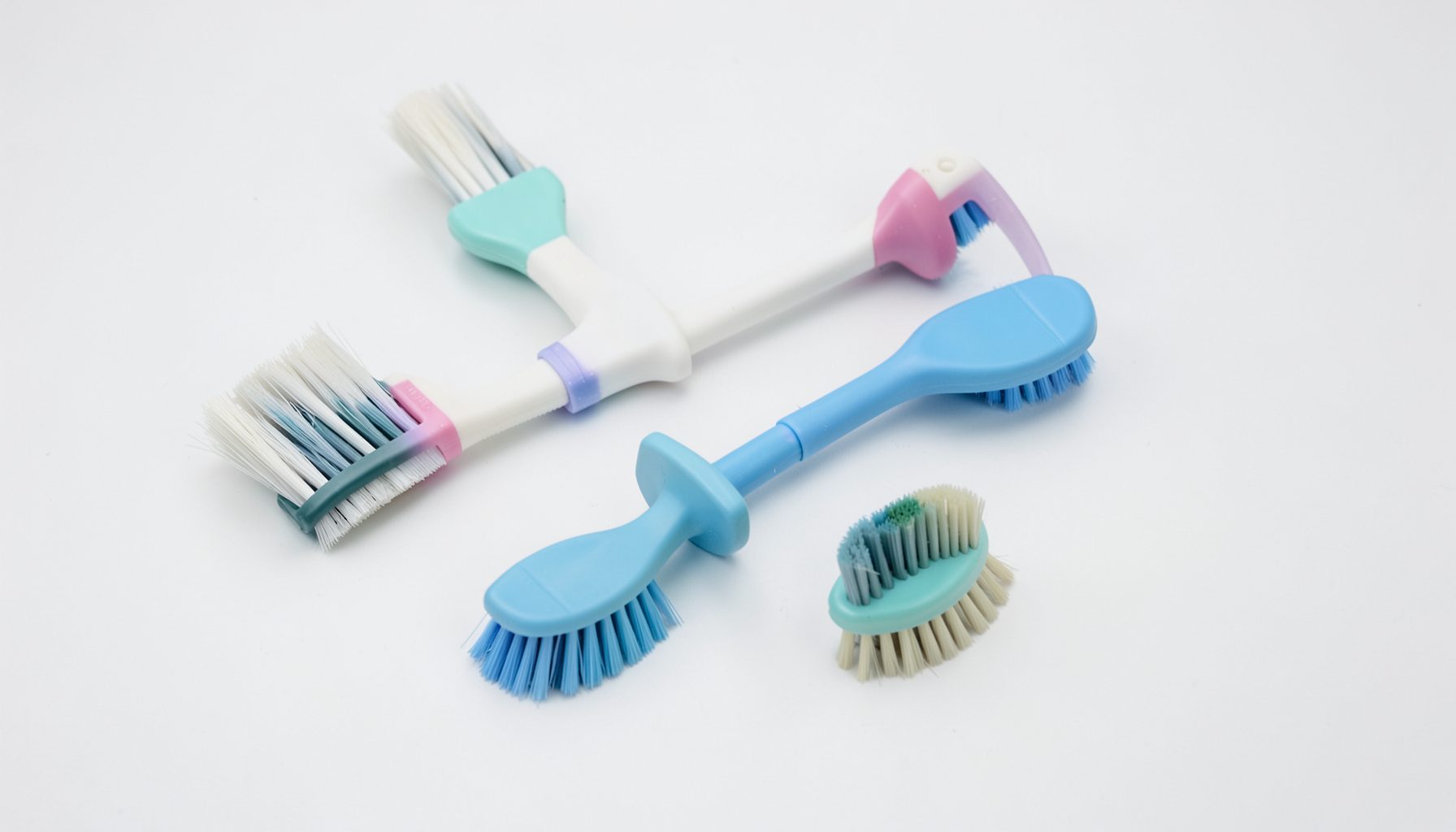
Switch nostrils and repeat. After use, rinse the bottle and let it air dry. Use ResQRinse Premium Cleaning Brushes for thorough cleaning.
Keeping your squeeze bottle clean without the scrubbing
For millions of Australians, the squeeze bottle nasal rinse has become a daily fixture between spring pollen counts in Melbourne, dust storms rolling through inland NSW, and that persistent dry-air feeling that comes from running the aircon non-stop over a Brisbane summer. The bottle sits on the bathroom bench next to the toothbrush, gets used once or twice, and then waits until tomorrow. With that kind of routine, cleaning it properly can feel like a chore nobody has time for. But the truth is, maintaining a hygienic bottle does not require scrubbing, special brushes, or a chemistry degree.
The trick is to clean it often enough that residue never gets a chance to build up. A quick rinse straight after use, a short soak in a mild solution, and proper air-drying keep things fresh without any elbow grease. This approach also saves the silicone seals and the Nasal Lock tip from wearing out faster than they should, which matters when you rely on the same bottle through three or four seasons of hay fever. Below is a routine that fits into a busy arvo and keeps your rinse system as good as the day you bought it.
Why a daily quick clean matters more than you think
Every time you squeeze water through the nozzle, a thin film of saline, mucus, and skin cells is left behind on the inner walls. Left to dry, that film becomes a friendly surface for bacteria and biofilm, which is the slimy layer you sometimes see if you forget about a bottle for a week. Australians who rinse daily for hay fever or sinus pressure are essentially adding moisture to an enclosed space, and the warmer parts of the country, think Darwin's wet season or a Perth summer afternoon, make that environment even more inviting for microbial growth.
This is also why people who notice their sinuses feeling blocked again after rinsing often point the finger at the solution when the real culprit is the bottle. Research has long connected consistent nasal irrigation with better airflow and even a sharper sense of smell, and you can read more about the effect of nasal rinse on sense of smell for the background. A clean bottle is what makes that benefit stick over weeks and months rather than fading after a few uses.
Water choices for different Aussie homes
The quality of water you rinse with matters just as much as how you clean the bottle afterwards. In most capital cities, mains tap water is perfectly fine for the actual nasal rinse once it has been boiled and cooled, or run through a decent filter. But if you live in a regional area where the household runs off a rainwater tank, common across rural SA, Tasmania, and much of the Top End, it is worth treating that water first, because tank water can carry environmental bacteria that you do not want anywhere near your sinuses.
For people who travel frequently between Sydney and the regions, carrying a few bottles of distilled or purified water makes life easier and keeps the routine consistent. If you are boiling, let the water cool completely before pouring it into the squeeze bottle, since heat can warp the soft silicone over time. Filtered water straight from a fridge dispenser is generally safe too, and most Chemist Warehouse outlets stock replacement cartridges if you would rather not boil.
The right way to rinse after every use
The single most effective cleaning habit is also the simplest. Rinse the bottle the moment you finish your nasal rinse, before the saline has any chance to dry on the inside. Empty out any leftover solution, fill the bottle with body-temperature water, add a small pinch of plain salt, and squeeze it through the nozzle into the sink. Two or three good squeezes flush the inside walls and the tip without you needing to touch the interior with a brush or cloth.
Doing this straight after use means you are cleaning fresh residue, not dried-on mineral deposits. It also means the whole process takes under thirty seconds, which is roughly the time it takes to put the kettle on for your next coffee. Once you have done this quick flush, give the tip a few taps against your palm to shake out excess water, and you are ready for the next step.
Gentle soak solutions from your pantry
About once a week, give the bottle a deeper clean without actually scrubbing anything. A white vinegar soak works brilliantly because the mild acidity dissolves the mineral scale that builds up in hard-water areas like Adelaide and Canberra. Mix one part white vinegar to three parts warm water, pour it into the bottle, and let it sit with the cap off for fifteen to twenty minutes. Squeeze a little through the nozzle halfway through, then empty and follow up with a clear water rinse.
If vinegar is not your thing, a teaspoon of bicarbonate of soda dissolved in warm water does a similar job and leaves the bottle smelling neutral. Bicarb is a pantry staple in most Aussie households, often the same box used for fridge freshening. Avoid bleach and harsh detergents, since they leave residues that you do not want to introduce into your nasal passages, and they are tough on the silicone seals that keep your ResQRinse bottle leak-proof in a handbag or backpack.
Drying and storage that fits an Aussie lifestyle
Moisture is the enemy here, so how you dry the bottle counts just as much as how you rinse it. After the final flush, shake out the water, tip the bottle upside down on a clean tea towel, and leave the cap off so air can move freely through the nozzle. A spot near a window with a breeze is ideal, and in warmer climates like Cairns or Townsville, the ambient heat will have the bottle bone dry within an hour or two.
Avoid the temptation to seal the bottle and toss it in the bathroom drawer while it is still slightly damp. That trapped moisture is exactly what biofilm needs to take hold. If you are heading out and need to pack it, give it an extra air-dry on the windowsill while you finish getting ready, or carry a small cloth to give the inside a quick wipe. Many people who travel for work between Melbourne and Perth keep a dedicated tea towel just for this.
When a deeper clean is actually needed
If you have skipped cleaning for a few days, or if you notice a faint smell when you squeeze the bottle, it is time for a more thorough soak. Fill the bottle with the vinegar solution described earlier, but this time leave it overnight rather than for fifteen minutes. In the morning, flush it through several times with clean water and let it dry completely. The longer soak is usually enough to shift anything that daily rinsing has missed.
This is also the moment to check the silicone tip for wear and make sure the Nasal Lock seal is still sitting flush. Replacing seals every six months is a good habit, especially for anyone who uses the bottle through allergy season every year. If you find yourself reaching for the bottle more often during a sinus infection, rinsing twice during recovery can speed things along, but that also means the bottle needs a quick clean after every single session rather than once a day.
Mistakes that breed bacteria in warm climates
The most common error is leaving the bottle capped on the bathroom bench, especially in homes without strong ventilation. Australian bathrooms can be humid spaces, and a sealed, slightly damp bottle turns into a petri dish surprisingly fast. Another mistake is adding essential oils or mouthwash to the rinse in the hope of cleaning as you go. Both can irritate nasal tissue and break down the silicone over time, leaving the bottle harder to keep clean rather than easier.
Rinsing with cold water straight from the tap is another habit worth dropping, since cold does not dissolve saline residue as effectively as warm. And finally, sharing your squeeze bottle with a family member, even during a shared cold, defeats the purpose of keeping it clean in the first place. Each user should have their own bottle and their own routine.
A simple daily cleaning checklist
For anyone who likes a quick reference, here is the routine condensed into a few easy steps:
- Empty leftover solution straight after every rinse.
- Fill with warm water and a pinch of salt, then squeeze through twice.
- Once a week, soak in a 1:3 white vinegar and water mix for fifteen minutes.
- Rinse clear, shake out, and air-dry upside down with the cap off.
- Store open or loosely covered in a dry spot away from the bathroom steam.
Pick up your ResQRinse squeeze bottle system through Walmart or Amazon and stick this routine on the fridge. Within a week, it becomes as automatic as brushing your teeth, and your nasal rinse stays as fresh and effective as the day you opened the box.