ResQRinse is the nasal irrigation squeeze bottle that eliminates head-tilting and awkward neck positions. Using proprietary Nasal Lock™ technology, it delivers a comfortable, gag-free sinus cleanse — no more saline dripping down your throat.

Relief From Fall Sneezes
Now sold on Walmart.com. Free shipping on orders $30+. Try ResQRinse today with your everyday purchases.
Shop at WalmartWhy ResQRinse?
Nasal rinsing helps relieve congestion from colds, allergies, sinusitis, hay fever, and environmental pollutants. ResQRinse makes it comfortable enough to become a daily habit.
Nasal Lock™ Technology
Isolates sinuses from the throat using natural choanal occlusion — like inflating a balloon — so saline stays where it belongs.
Learn more →
Drug-Free Relief
Uses premixed saline packets with distilled water. No medications, no preservatives — just a natural cleanse for your nasal passages.
How to rinse →
For Kids Too
ResQRinse for Kids features a comfort nasal tip right-sized for smaller nostril openings, making rinsing gentle and easy for children.
Shop kids' version →
Breath-Controlled Flow
You control the saline flow with your own breath pressure — high volume, low pressure irrigation that's comfortable and effective.
Watch how-to videos →
Better Compliance
Designed to overcome the gagging and discomfort that cause people to abandon traditional neti pots and nasal rinse systems.
Our story →
Complete Kits Available
From the basic ResQRinse Nasal Rinse System ($19.99) to 90-day complete kits, saline packets, cleaning brushes, and Sinoptim Nasal Mist.
Browse all products →Get Started with ResQRinse
Ready to experience a better nasal rinse? Fill out the form below and we'll help you find the right product — or follow the simple steps to begin rinsing today.
Request More Information
How to Use ResQRinse
Fill the Bottle
Fill the ResQRinse squeeze bottle with distilled or previously boiled water and add one premixed saline packet.
Position the Tip
Place the comfort tip gently against one nostril. No head-tilting or awkward neck angles needed.
Squeeze & Breathe
Squeeze the bottle gently while breathing through your mouth. Nasal Lock™ keeps saline in your nasal passages and out of your throat.
Repeat & Clean
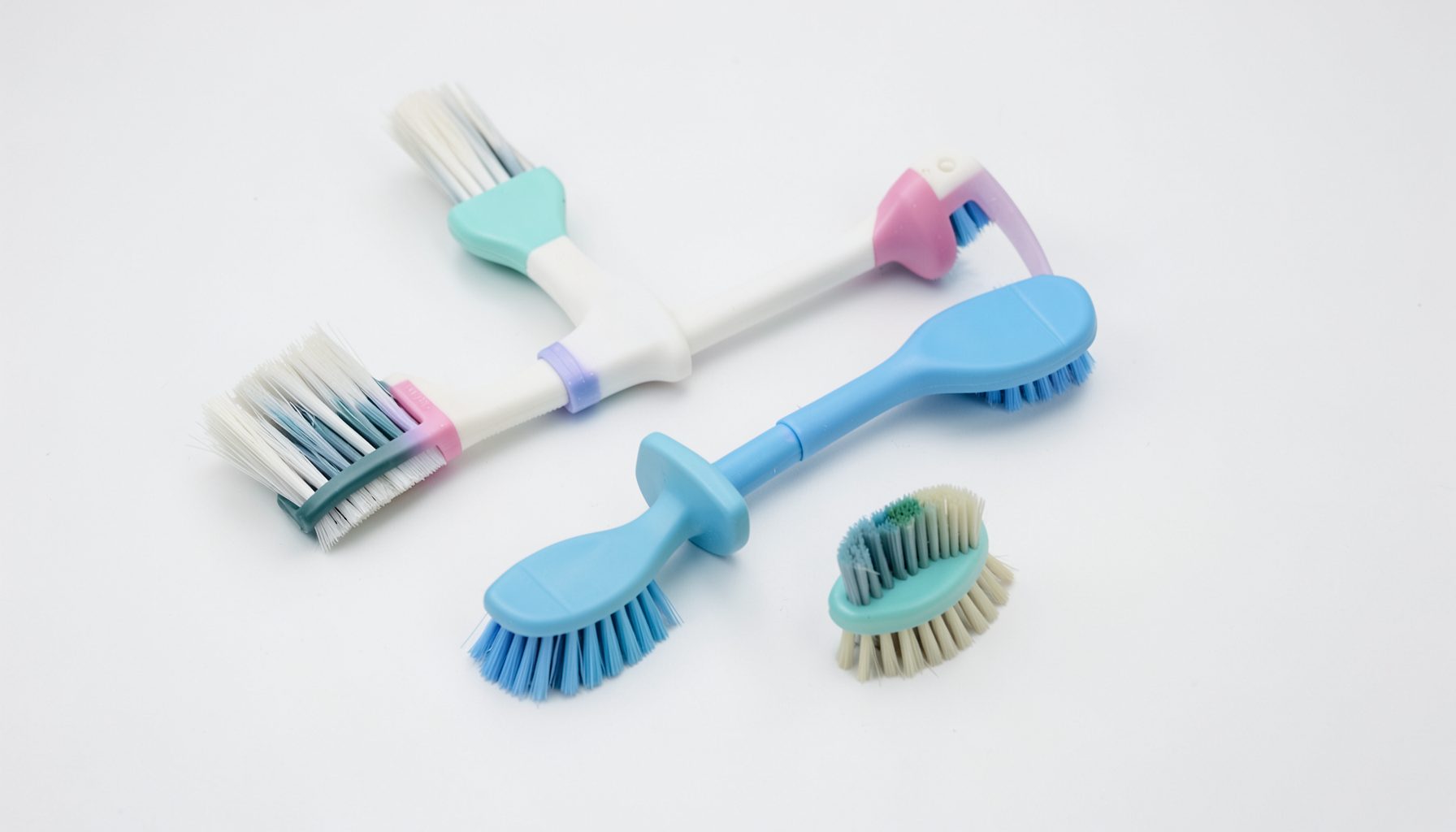
Switch nostrils and repeat. After use, rinse the bottle and let it air dry. Use ResQRinse Premium Cleaning Brushes for thorough cleaning.
How to clean the check valve in your squeeze bottle
Nasal rinsing can provide welcome relief from congestion caused by allergies, sinusitis, dust and seasonal changes. However, a sticky check valve may interrupt the flow, cause the bottle to gurgle or make saline leak from the cap. Regular cleaning keeps the system working as intended.
A squeeze bottle gives you more control over water pressure than a traditional neti pot, but its small components need attention. Salt deposits, mucus and residue can collect around the valve opening. A careful clean usually takes less time than repeatedly dealing with an awkward rinse.
Always follow the instructions supplied with your specific ResQRinse model. Use the recommended saline packets and clean water, and never force a blocked valve open with a pin or sharp object. Even a tiny scratch can affect the seal and reduce performance.
Australian conditions make this routine especially useful. Melbourne’s spring tree pollen, Canberra’s dry winds, Sydney’s coastal humidity and Queensland’s sticky summers can each affect nasal passages differently. Bushfire smoke and indoor dust can add another challenge during dry weather.
Why the check valve matters
The check valve allows air to enter the bottle as saline leaves it, supporting a steadier flow. It also helps prevent unwanted leakage through parts of the cap. When that opening becomes partly blocked, the bottle may squeeze hard without releasing much liquid.
ResQRinse’s Nasal Lock design and its valve assembly work together to make rinsing predictable. Salt crystals or dried mucus can interrupt this mechanism, particularly when a bottle is left unwashed or stored while damp.
Rinsing supports comfort but does not diagnose an infection. If you also use medicines, check the active ingredients and possible interactions with a pharmacist; an online medicine safety resource can also help you identify questionable sellers before buying medicines online.
Prepare the bottle and work area
For Australian households, use distilled or sterile water, or water that has been boiled and allowed to cool. This is particularly important for people with weakened immune systems. The Australian tap in many areas is treated, but occasional contamination can still occur, so do not assume untreated tap water is suitable for nasal irrigation.
Work over a bathroom sink or laundry tub where a small spill will not cause damage. You will need the bottle, its cap and valve assembly, a soft bottle brush or clean toothbrush, mild washing-up liquid and a clean towel. A small tray can help keep the parts together.
Read the product instructions before dismantling anything. Some check-valve inserts can be removed, while others are fixed in place. Do not prise out a component unless the manufacturer identifies it as removable, as forcing it may distort the seal.
Clean the valve without damage
Empty the bottle and rinse it under cool running water. Remove the cap according to the instructions and separate only the pieces designed to come apart. A short soak in warm water with a few drops of mild, unscented detergent can loosen dried saline.
Use a soft brush to clean around the valve opening and its seating surface. Apply light pressure rather than scrubbing hard, and pay particular attention to narrow gaps where residue can remain. If the insert detaches easily, hold it by the edges and rinse the water channel through it.
For a replacement part, detailed buyer feedback can help confirm compatibility and quality. A seller feedback review illustrates why specific comments about fit, support and durability are more useful than a star rating alone.
Dry and inspect the parts
Rinse away every trace of detergent, then allow the valve and cap to air-dry completely. Place small parts on a clean towel rather than pushing them back into the bottle while damp. Trapped moisture can encourage residue and microbial growth.
Examine the rubber or silicone surfaces for tears, hardening, flattening or a permanent change in shape. The valve should sit correctly and move freely if the model allows movement. Compare any visible deterioration with these replacement warning signs.
Avoid bleach, solvents, oil-based cleaners and strong vinegar unless the manufacturer specifically approves them. Do not boil the plastic bottle or valve assembly, as heat may warp the parts. Store the cleaned components away from direct sunlight and high temperatures, including a hot car dashboard.
Reassemble and test the rinse
Allow every part to dry before reassembly. Seat the check valve squarely in its designated position, then reattach the cap and tube as instructed. A valve fitted at an angle may create gaps through which saline can escape.
Test the system over the sink with water before adding saline. Squeeze gently and check that the liquid flows steadily without excessive gurgling, spraying or leakage. If the flow remains weak, dismantle the bottle again and look for a missed fragment of dried salt.
Practical customer testimonials can reveal common user experiences, such as stiff caps or assembly difficulties. Treat them as useful supplementary information, though, because individual results and bottle designs may differ from your own.
Build a routine for long-term care
Consistency prevents most blockages. A simple routine after every rinse is easier than restoring a neglected bottle.
For routine upkeep:
- Empty the bottle and rinse it immediately after use.
- Clean the cap and valve at least once a week.
- Let all components air-dry in an open, ventilated area.
- Keep the bottle away from bathroom heat and direct summer sun.
Replace the bottle or valve assembly when:
- The valve remains stiff, damaged or unable to seal correctly.
- Saline continues to leak after careful cleaning and correct assembly.
- The plastic is cracked, deeply scratched or permanently deformed.
- The manufacturer’s replacement interval has been reached.
Repeated congestion or sinus symptoms should not be treated as a valve problem alone. This overview of recurring sinus infections explains why symptoms returning after treatment may require reassessment.
When shopping, check Amazon.com.au and local pharmacy or supermarket listings for saline packets and replacement parts. A Walmart marketplace seller may dispatch from overseas, so confirm delivery to Australia and read the expected delivery time. Your local chemist can also help you compare suitable sterile-water options.
Keep clear breathing on your terms
A clean bottle is more useful when paired with sensible nasal care. After a windy arvo in Canberra or during a smoky day, rinse gently and allow yourself time to recover. Do not increase the pressure aggressively, and never share a squeeze bottle or saline packets with another person.
Seek medical advice for persistent pain, fever, facial swelling, changes in vision or symptoms that repeatedly affect sleep. A general practitioner can assess whether allergies, infection, dental problems or another condition need attention. Urgent care is appropriate for severe headache, confusion, swelling around an eye or other rapid changes.
Clean the check valve today, test the flow with plain water, and leave the bottle fully dry and ready for your next rinse.