ResQRinse is the nasal irrigation squeeze bottle that eliminates head-tilting and awkward neck positions. Using proprietary Nasal Lock™ technology, it delivers a comfortable, gag-free sinus cleanse — no more saline dripping down your throat.

Relief From Fall Sneezes
Now sold on Walmart.com. Free shipping on orders $30+. Try ResQRinse today with your everyday purchases.
Shop at WalmartWhy ResQRinse?
Nasal rinsing helps relieve congestion from colds, allergies, sinusitis, hay fever, and environmental pollutants. ResQRinse makes it comfortable enough to become a daily habit.
Nasal Lock™ Technology
Isolates sinuses from the throat using natural choanal occlusion — like inflating a balloon — so saline stays where it belongs.
Learn more →
Drug-Free Relief
Uses premixed saline packets with distilled water. No medications, no preservatives — just a natural cleanse for your nasal passages.
How to rinse →
For Kids Too
ResQRinse for Kids features a comfort nasal tip right-sized for smaller nostril openings, making rinsing gentle and easy for children.
Shop kids' version →
Breath-Controlled Flow
You control the saline flow with your own breath pressure — high volume, low pressure irrigation that's comfortable and effective.
Watch how-to videos →
Better Compliance
Designed to overcome the gagging and discomfort that cause people to abandon traditional neti pots and nasal rinse systems.
Our story →
Complete Kits Available
From the basic ResQRinse Nasal Rinse System ($19.99) to 90-day complete kits, saline packets, cleaning brushes, and Sinoptim Nasal Mist.
Browse all products →Get Started with ResQRinse
Ready to experience a better nasal rinse? Fill out the form below and we'll help you find the right product — or follow the simple steps to begin rinsing today.
Request More Information
How to Use ResQRinse
Fill the Bottle
Fill the ResQRinse squeeze bottle with distilled or previously boiled water and add one premixed saline packet.
Position the Tip
Place the comfort tip gently against one nostril. No head-tilting or awkward neck angles needed.
Squeeze & Breathe
Squeeze the bottle gently while breathing through your mouth. Nasal Lock™ keeps saline in your nasal passages and out of your throat.
Repeat & Clean
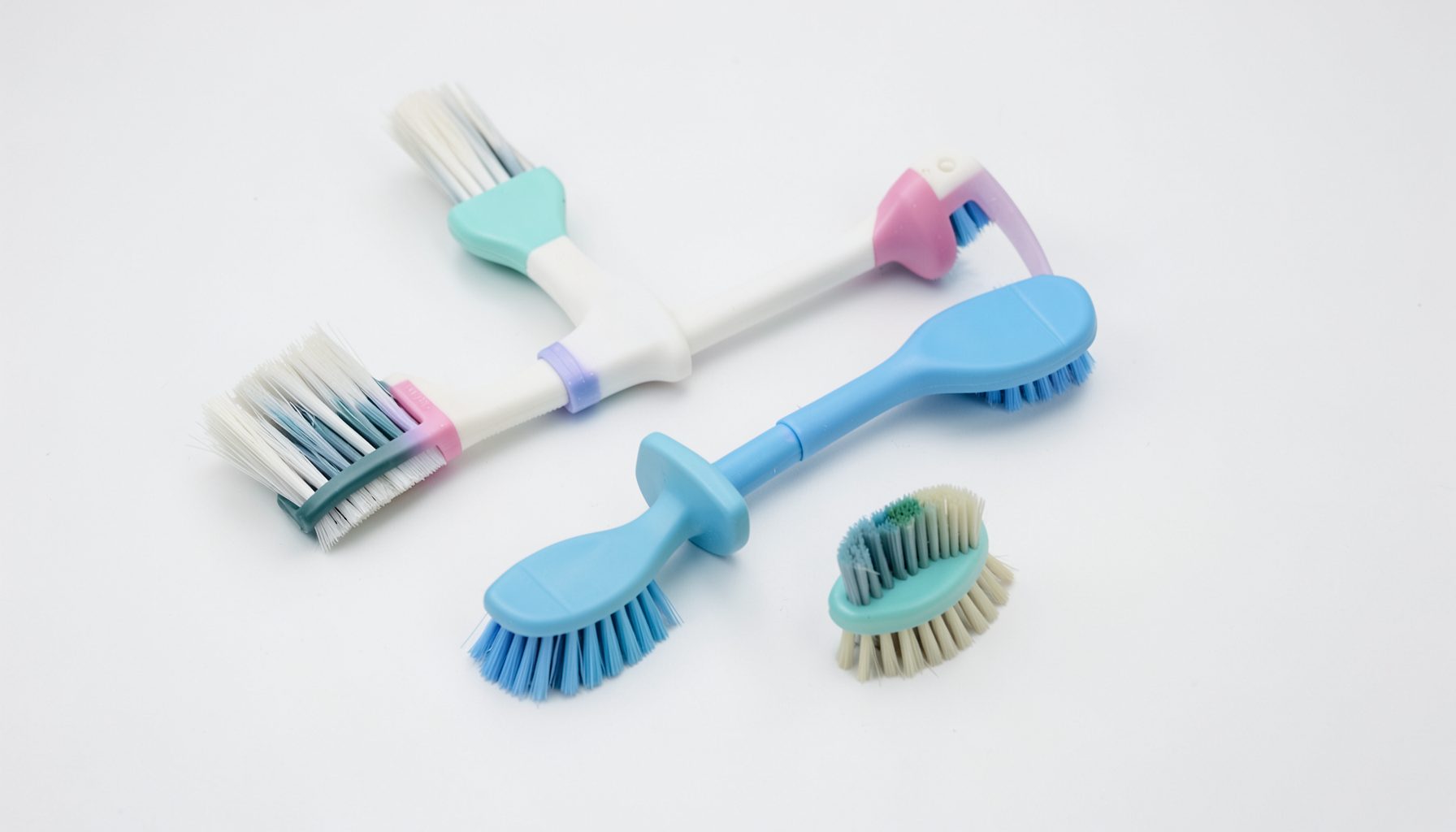
Switch nostrils and repeat. After use, rinse the bottle and let it air dry. Use ResQRinse Premium Cleaning Brushes for thorough cleaning.
How to recognize when your squeeze bottle needs replacing
A nasal irrigation bottle can become an important part of a daily allergy or sinus-care routine. With regular use, however, the container, cap, nozzle, and internal seal are exposed to saline, moisture, repeated squeezing, and frequent cleaning. These conditions can gradually affect performance and hygiene.
A bottle does not always fail dramatically. Small cracks, a loose cap, cloudy plastic, or a weakened stream may appear before the problem becomes obvious. Learning to spot these signs helps you replace the system at the right time and continue rinsing comfortably.
Replacement timing depends on the product, how often it is used, and how well it is cleaned and dried. Always follow the care instructions supplied with your specific device. The ResQRinse approach focuses on comfortable, practical nasal care, including design details intended to make regular rinsing easier.
Why condition matters for nasal irrigation
A squeeze bottle needs to deliver saline through a clean, controlled pathway. When the cap no longer seals properly or the nozzle becomes distorted, the stream may change direction, lose pressure, or leak around the connection. That can make a routine rinse uncomfortable and less predictable.
The bottle also comes into direct contact with water and saline. Any area that stays damp, develops residue, or becomes difficult to clean can provide a place for microorganisms to remain. Rinsing the device after use is important, but cleaning cannot compensate for damage, hidden buildup, or worn materials.
A well-maintained system should feel stable in the hand and produce a consistent flow without excessive force. If you find yourself squeezing much harder than usual, adjusting the bottle repeatedly, or tolerating leaks, inspect the equipment rather than assuming the problem is your technique.
Visible signs that replacement is due
The clearest warning signs are physical. Look closely at the bottle under good lighting, paying attention to the seams, bottom, neck, cap, nozzle, and any valve or nasal-lock components. A fine split may be easier to feel with a fingertip than to see.
Replace the bottle if you notice a crack, puncture, deep scratch, warped plastic, loose fitting, or a cap that will not stay securely attached. A damaged opening can affect the rinse path and may allow fluid to escape. Do not continue using a container that leaks from the body, even if the leak seems minor.
Discoloration also deserves attention. Slight staining from saline may be removable, but persistent cloudiness, unusual odors, black or green spots, slimy residue, or buildup that remains after cleaning indicates that the system should be discarded. Never try to extend its use by covering a crack with tape or another temporary repair.
Performance changes you should not ignore
A healthy squeeze bottle usually produces a smooth, steady stream when filled and used according to the instructions. A sputtering, weak, uneven, or sharply redirected flow can indicate a blocked nozzle, a damaged seal, or a bottle that has lost its shape.
First, check simple causes. Confirm that the saline packet has dissolved fully, the cap is fitted correctly, and the nozzle is not obstructed. Use the recommended water—distilled, sterile, or water that has been boiled and cooled as directed—rather than untreated tap water. If the flow remains abnormal after proper cleaning, replacement is the safer choice.
Leaks around the cap or nosepiece are another useful signal. Fluid running down the face can irritate the skin and make it difficult to maintain the intended rinse pressure. A bottle that collapses unevenly, remains dented, or no longer returns to its normal shape may also be approaching the end of its useful life.
| What you notice | Possible cause | Appropriate response |
|---|---|---|
| Fine crack or split | Material fatigue or accidental damage | Stop using and replace |
| Cloudiness or persistent odor | Residue, aging, or inadequate drying | Replace after checking cleaning instructions |
| Weak or uneven stream | Blockage, worn seal, or distorted bottle | Clean once; replace if the issue continues |
| Cap or nozzle leak | Loose connection or damaged fitting | Inspect the seal; replace if it does not resolve |
| Sticky or slimy residue | Moisture retention or buildup | Discontinue use and replace |
| Bottle stays crushed | Loss of flexibility or structural wear | Replace the bottle |
| No visible damage, but frequent use | Normal wear over time | Follow the manufacturer’s recommended schedule |
Cleaning can extend use, not eliminate wear
Cleaning after every rinse helps remove saline residue and supports better equipment hygiene. Empty the bottle promptly, rinse each accessible component with the recommended water, and allow the parts to air-dry completely in a clean location. A cleaning brush may help reach areas that are difficult to flush by hand.
Avoid storing the bottle while it is still wet, closed, or assembled in a way that traps moisture. Do not share a nasal irrigation device with another person. If the product instructions permit a particular sanitizing method, follow them closely; heat, harsh chemicals, or unsuitable dishwashing cycles can deform plastic or damage seals.
Even careful maintenance has limits. Repeated squeezing can fatigue the bottle, while mineral deposits or saline crystals can affect small openings. If the equipment looks clean but feels different, smells unusual, or performs inconsistently, replace it rather than relying on appearance alone.
How use frequency affects replacement timing
Someone who rinses occasionally may keep a bottle in good condition longer than someone who uses it every day. A bottle used during a prolonged allergy season, a cold, or recurring sinus symptoms experiences more filling, squeezing, rinsing, and drying cycles. Children’s systems may also receive extra handling or accidental drops.
There is no universal replacement interval for every squeeze-bottle rinse system. The manufacturer’s instructions should take priority, especially if they specify a service period or recommend replacing certain parts separately. Some systems allow the bottle, cap, nozzle, and accessories to be replaced independently, which can be more practical than discarding an entire kit.
If you cannot remember when the bottle was first opened, treat that uncertainty as a reason to inspect it carefully. Marking the purchase date on the packaging or storing replacement saline packets with the device can make routine checks easier. ResQRinse offers nasal rinse systems and related accessories intended to support different household needs, including complete kits and children’s options.
Choosing the right replacement parts
Use a replacement bottle or component designed for your specific system. A cap from another product may appear to fit while failing to create the correct seal. An incompatible nozzle can change the pressure, direction, or comfort of the rinse. Check the product name, size, and included instructions before ordering.
If only the bottle is worn and the cap and nozzle remain in excellent condition, a compatible replacement may be sufficient. If there is residue in several connected parts, if the seal is questionable, or if the device has been used beyond the manufacturer’s recommended period, replacing the complete system may provide greater confidence.
Keep saline packets within their expiration date and prepare each rinse as directed. Do not save leftover saline for a later session unless the product instructions specifically allow it. For people who also use nasal sprays, the rinse timing guide explains how the order of these products can affect a routine.
A simple replacement check
Use these practical checks before each new period of frequent use:
- Look for cracks, warping, cloudiness, stains, or residue inside the bottle.
- Examine the cap, nozzle, seal, and nasal-lock parts for looseness or damage.
- Confirm that the bottle produces a steady stream without leaking.
- Replace any component that stays damp, smells unusual, or cannot be cleaned thoroughly.
- Record when a new system is opened and follow its care and replacement instructions.
Nasal irrigation should feel controlled and comfortable, not like a struggle with faulty equipment. If rinsing causes persistent pain, repeated nosebleeds, ear pressure, or worsening symptoms, stop and speak with a qualified healthcare professional. A replacement bottle can address equipment problems, but it cannot diagnose an underlying nasal condition.
Inspect your squeeze bottle regularly, replace it at the first clear sign of damage or unreliable performance, and keep a compatible replacement available for allergy season or periods of congestion. Explore ResQRinse products and care accessories to maintain a clean, dependable nasal irrigation routine.